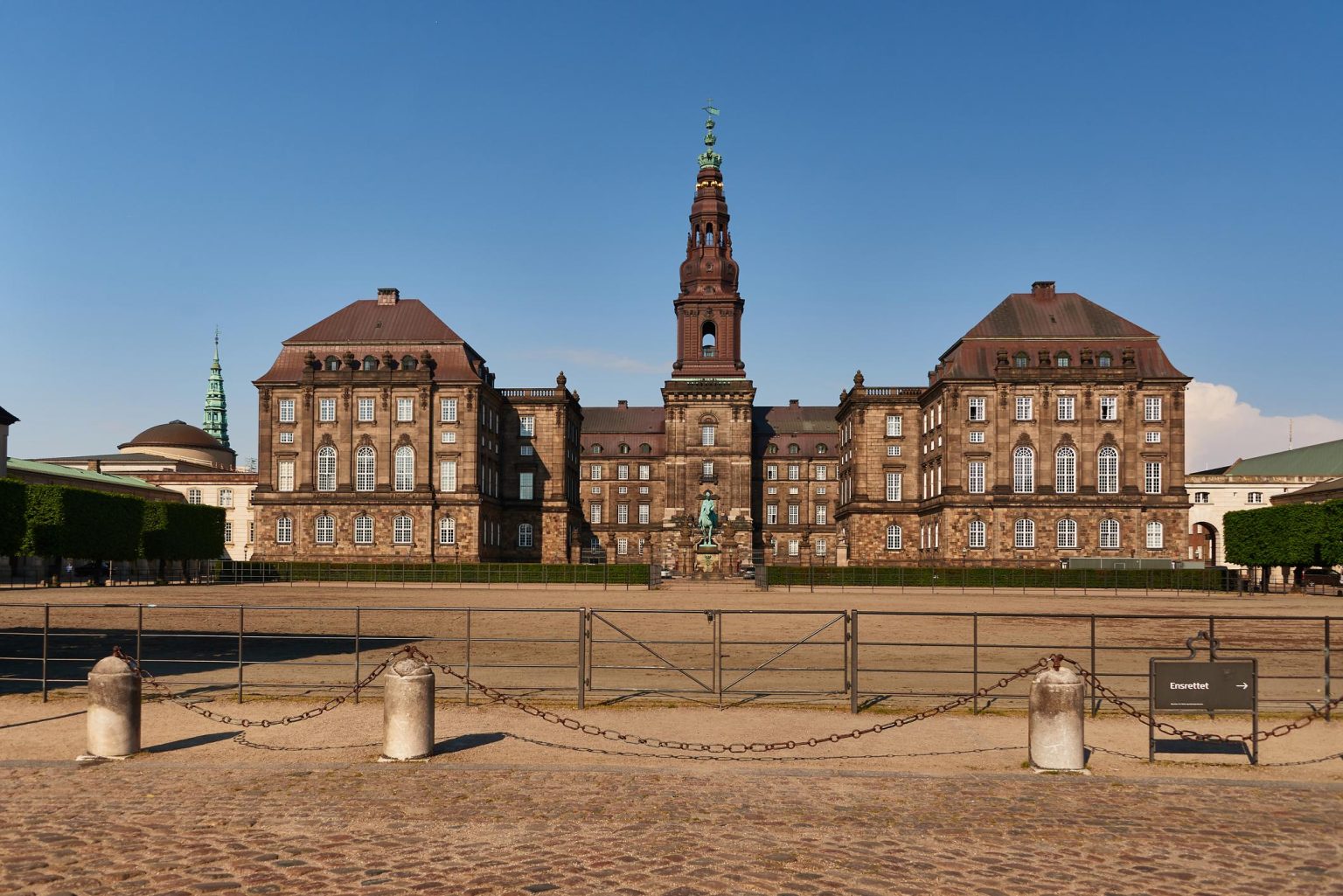
COPENHAGEN, Denmark – June 3 – Brussels Morning Newspaper — Denmark coalition government leaders have officially unveiled a new governing alliance following weeks of political negotiations, bringing an end to a period of uncertainty and establishing a new direction for the country. Prime Minister Mette Frederiksen secured support from multiple parties to form a coalition that officials say will focus on economic stability, welfare improvements, security, and international cooperation.
The formation of the Denmark coalition government represents one of the most significant political developments in the country this year. Following a closely watched election cycle, party leaders engaged in extensive discussions before reaching an agreement capable of commanding support in parliament.
Government officials describe the coalition as a practical partnership designed to address both domestic and international challenges facing Denmark in an increasingly complex political environment.
Coalition Partners Unite Around Shared Goals
The new Denmark coalition government brings together parties from different parts of the political spectrum, reflecting a commitment to cooperation rather than confrontation. Leaders involved in the negotiations emphasized the importance of finding common ground on major policy issues.
The coalition agreement includes commitments related to healthcare, education, economic growth, environmental policy, and national security. While differences remain among coalition members, officials argue that shared priorities outweigh political disagreements.
Observers note that the Denmark coalition government will be expected to demonstrate that diverse political groups can work together effectively while maintaining stability and accountability.
One political analyst remarked,
“Coalition governments often face challenges, but they can also encourage broader consensus and more balanced policymaking.”
Economic Policy Remains a Key Focus
Economic issues are expected to dominate much of the agenda for the Denmark coalition government. Officials have pledged to strengthen competitiveness, support innovation, and maintain responsible fiscal management while protecting social welfare programs.
Government leaders argue that Denmark’s economy remains resilient but faces challenges related to global uncertainty, inflation pressures, and changing trade conditions. As a result, policymakers are emphasizing long-term investment and sustainable growth strategies.
The Denmark coalition government has also expressed interest in encouraging business development while ensuring that economic benefits are shared broadly across society.
Many economists believe balancing growth and social protections will remain one of the coalition’s most important responsibilities.
Welfare Services Remain a Priority
Strengthening public services is another major objective for the Denmark coalition government. Coalition leaders have highlighted healthcare, education, and elder care as areas requiring continued attention and investment.
Officials argue that maintaining high-quality welfare programs remains essential to Denmark’s social model. The coalition agreement includes measures intended to improve access to services while addressing workforce shortages in key sectors.
Supporters of the Denmark coalition government contend that effective public services contribute to both social stability and economic success.
The government is expected to present additional proposals in the coming months aimed at improving efficiency and expanding service capacity.
Foreign Policy and Security Gain Importance
International developments are expected to play a significant role in shaping the priorities of the Denmark coalition government. Security concerns in Europe, support for Ukraine, and developments in the Arctic region continue to influence Danish foreign policy decisions.
The coalition has reaffirmed Denmark’s commitment to NATO and broader European cooperation. Officials emphasize the importance of maintaining strong alliances while protecting national interests.
The Denmark coalition government also faces ongoing discussions regarding Greenland and Denmark’s strategic role in the Arctic. These issues are likely to remain prominent as geopolitical competition increases in northern regions.
Diplomatic engagement and defense cooperation are expected to remain important components of government policy.
Parliament Faces Important Legislative Decisions
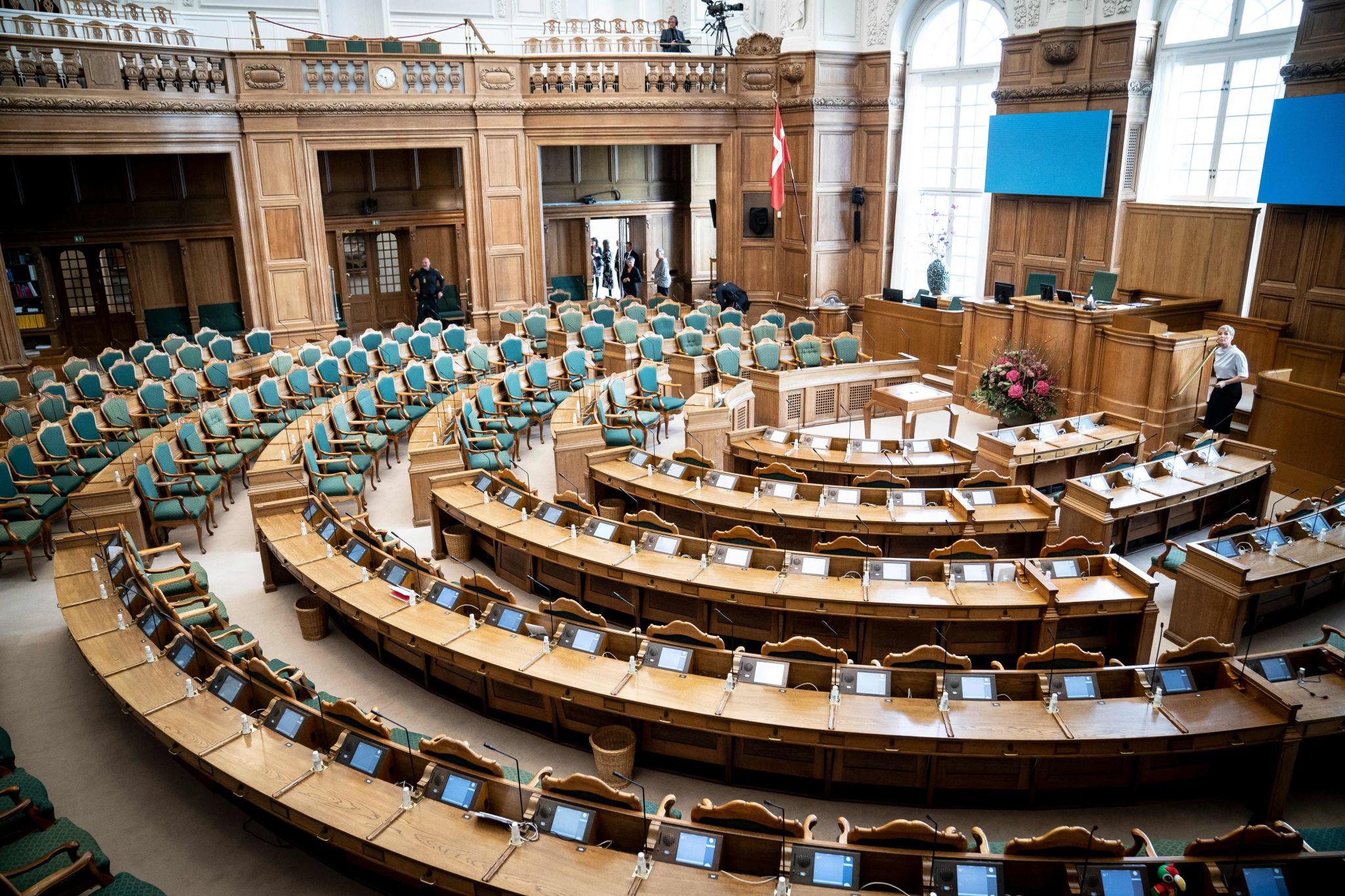
The success of the Denmark coalition government will depend largely on its ability to translate political agreements into legislative action. Lawmakers are expected to debate a range of proposals involving economic development, welfare spending, climate initiatives, and governance reforms.
Coalition leaders have expressed confidence that cooperation among partner parties will allow the government to advance its agenda effectively. However, opposition parties are expected to challenge specific proposals and demand greater scrutiny of policy decisions.
Political observers suggest the Denmark coalition government will need strong communication and compromise skills to maintain unity while addressing complex issues.
The coming parliamentary session is expected to provide early indications of how effectively the coalition can operate.
Public Expectations Remain High
Citizens across Denmark are closely watching the performance of the Denmark coalition government as it begins implementing its policy agenda. Surveys indicate that voters are particularly concerned about healthcare access, cost-of-living pressures, housing affordability, and economic opportunities.
Government leaders have acknowledged these concerns and pledged to focus on practical solutions. Officials argue that collaboration among coalition partners provides a strong foundation for addressing challenges facing communities throughout the country.
The ability of the Denmark coalition government to deliver measurable results may ultimately determine public support during the years ahead.
Political analysts note that expectations remain high given the significance of the coalition agreement and the promises made during negotiations.
Challenges and Opportunities Ahead
Like many governments across Europe, the Denmark coalition government faces a mix of opportunities and challenges. Economic uncertainty, demographic changes, technological transformation, and geopolitical developments will all influence policymaking decisions.
At the same time, Denmark continues to benefit from strong institutions, a highly skilled workforce, and a reputation for effective governance. Coalition leaders believe these strengths position the country well for future success.
The Denmark coalition government will seek to build on those advantages while addressing concerns raised by voters and businesses.
Looking Ahead
The coming months will be critical for the Denmark coalition government as it begins turning political agreements into concrete actions. Early decisions regarding economic policy, welfare services, and international relations will likely shape perceptions of the administration.
Observers expect coalition leaders to focus on demonstrating unity while advancing priorities outlined in their governing agreement.