
LISBON, Portugal – June 3 – Brussels Morning Newspaper — Portugal labour reform proposals have triggered one of the country’s largest labour protests in recent years, bringing transportation networks, schools, and public services to a near standstill. Thousands of workers participated in a nationwide strike organized by major union groups that oppose planned changes to employment laws.
The growing controversy surrounding Portugal labour reform has become a major political and economic issue as labour organizations argue that the government’s proposals could weaken worker protections while increasing employer flexibility. Government officials, however, insist that modernization of labour laws is necessary to improve competitiveness and support long-term economic growth.
The nationwide action disrupted daily life for commuters, students, travelers, and businesses across Portugal.
Transport Services Experience Major Disruptions
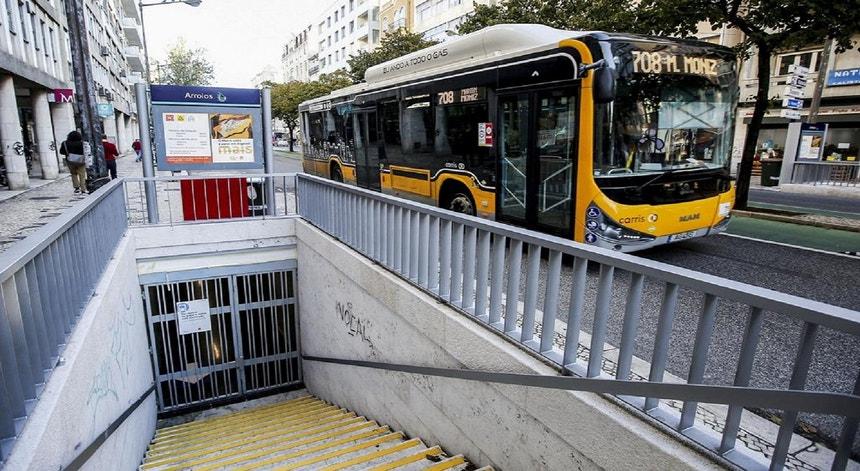
One of the most immediate impacts of the dispute over Portugal labour reform was seen in the transportation sector. Train services across much of the country were suspended or significantly reduced as railway employees joined the strike.
Air travel also experienced substantial disruption. Hundreds of flights were delayed or canceled as airline personnel and airport workers participated in protest activities. Lisbon’s Humberto Delgado Airport reported operational challenges throughout the day as airlines worked to manage passenger schedules.
The transportation disruptions highlighted the scale of opposition to Portugal labour reform and demonstrated the willingness of workers to use coordinated action to pressure policymakers.
Many travelers faced long delays while others were forced to change travel plans entirely.
Schools and Public Institutions Close
Education services were heavily affected by the ongoing debate surrounding Portugal labour reform. Schools in numerous regions suspended classes as teachers and support staff joined the strike.
Universities and public educational institutions also reported reduced operations. Parents across the country were forced to adjust schedules as many students remained at home due to closures.
Government offices and municipal services operated with reduced staffing levels, leading to delays in administrative processes and public services.
The widespread participation reinforced the national scope of concerns regarding Portugal labour reform and its potential impact on workers in multiple sectors.
Unions Challenge Government Proposals
Labour organizations argue that Portugal labour reform proposals place excessive emphasis on business flexibility while failing to adequately protect employees. Union leaders have criticized provisions they believe could make dismissals easier and reduce certain workplace safeguards.
According to labour representatives, the proposed reforms alter key sections of Portugal’s employment legislation and could affect job security, collective bargaining arrangements, and worker rights.
One union official stated,
“Employees want modernization, but they also want fairness and protection. Economic growth should not come at the expense of workers.”
The dispute over Portugal labour reform has therefore evolved into a broader conversation about balancing economic efficiency with social protections.

Government Defends Economic Strategy
Despite growing opposition, government officials continue supporting Portugal labour reform as an essential component of the country’s economic strategy. Leaders argue that labour market modernization is necessary to improve productivity, attract investment, and strengthen competitiveness within the European economy.
Officials have emphasized that the reforms are intended to help businesses adapt to changing economic conditions while creating new opportunities for employment and innovation.
Supporters of Portugal labour reform maintain that outdated regulations can limit economic growth and discourage investment, particularly in rapidly evolving industries.
The government has also expressed willingness to continue discussions with labour organizations while defending the overall direction of the proposals.
Economic Impact Draws Attention
The ongoing debate surrounding Portugal labour reform has attracted attention from economists, investors, and business leaders throughout Europe. Labour disputes of this magnitude often raise concerns about economic stability and policy certainty.
Many companies operating in Portugal are monitoring developments closely because labour regulations directly influence hiring practices, operational costs, and long-term planning decisions.
Economic analysts note that the outcome of the Portugal labour reform debate could affect future investment decisions and influence perceptions of Portugal’s business environment.
At the same time, worker organizations argue that maintaining strong labour protections contributes to social stability and sustainable economic development.
Political Pressure Continues to Build
As the strike gained momentum, political pressure increased on both the government and labour unions to find common ground. Opposition parties have also entered the debate, offering differing perspectives on the future of Portugal labour reform.
Some lawmakers support significant revisions to the proposed legislation, while others argue that reform remains necessary despite public resistance.
The controversy has become one of the most closely watched political issues in Portugal, with public opinion divided over how labour laws should evolve in response to changing economic realities.
Observers believe negotiations could intensify in the coming weeks as both sides seek to influence the legislative process.
Possibility of Further Negotiations
Despite strong disagreements, many experts believe dialogue remains possible. Government representatives and union leaders have both indicated a willingness to continue discussions regarding specific aspects of Portugal labour reform.
Future negotiations may focus on areas such as worker protections, dismissal procedures, outsourcing regulations, and collective bargaining rights. Adjustments to the legislation could help reduce tensions while allowing policymakers to pursue some reform objectives.
Whether compromise can be reached remains uncertain, but both sides recognize the importance of avoiding prolonged disruptions that could affect economic activity.
Looking Ahead
The future of Portugal labour reform will largely depend on parliamentary debates, negotiations with labour organizations, and public reaction to the government’s proposals. The strike has demonstrated the intensity of opposition among many workers while also highlighting the government’s determination to move forward with modernization efforts.
Political analysts expect labour policy to remain a central issue in national discussions throughout the year.