CAMBRIDGE, United Kingdom – June 2 – Brussels Morning Newspaper — Economic growth outlook discussions have gained renewed attention following comments from Arm Holdings CEO Rene Haas, who suggested that the United States would face significant challenges in broadly banning AI CPU chip exports to China. The remarks arrive at a time when artificial intelligence, cloud computing, and semiconductor investments are increasingly viewed as critical drivers of future economic activity.
- AI Infrastructure Emerges as a Growth Catalyst
- Arm CEO Highlights Global Technology Interdependence
- Semiconductor Investment Supports Expansion
- Artificial Intelligence Adoption Accelerates
- Cloud Computing Drives Digital Transformation
- Historical Perspective on Technology and Economic Growth
- Investors Watch Technology Policy Closely
- Global Competition Encourages Innovation
- Future Outlook Remains Constructive
Global markets continue monitoring developments in technology policy because advanced processors have become essential components of modern digital infrastructure. Industry analysts believe decisions regarding semiconductor exports could influence investment patterns, innovation strategies, and long-term economic performance.
The latest debate highlights how closely the Economic growth outlook is tied to technological progress and international trade relationships.
“Technology innovation remains one of the strongest long-term drivers of economic expansion in the modern economy.”
AI Infrastructure Emerges as a Growth Catalyst
The current Economic growth outlook is increasingly influenced by investments in artificial intelligence infrastructure. Businesses worldwide are allocating significant resources toward cloud computing, advanced processors, machine learning systems, and digital transformation initiatives.
Artificial intelligence has become a major source of productivity improvements, enabling organizations to automate processes, improve decision-making, and develop new products and services.
As adoption expands across industries, many economists believe AI could contribute meaningfully to long-term economic growth.
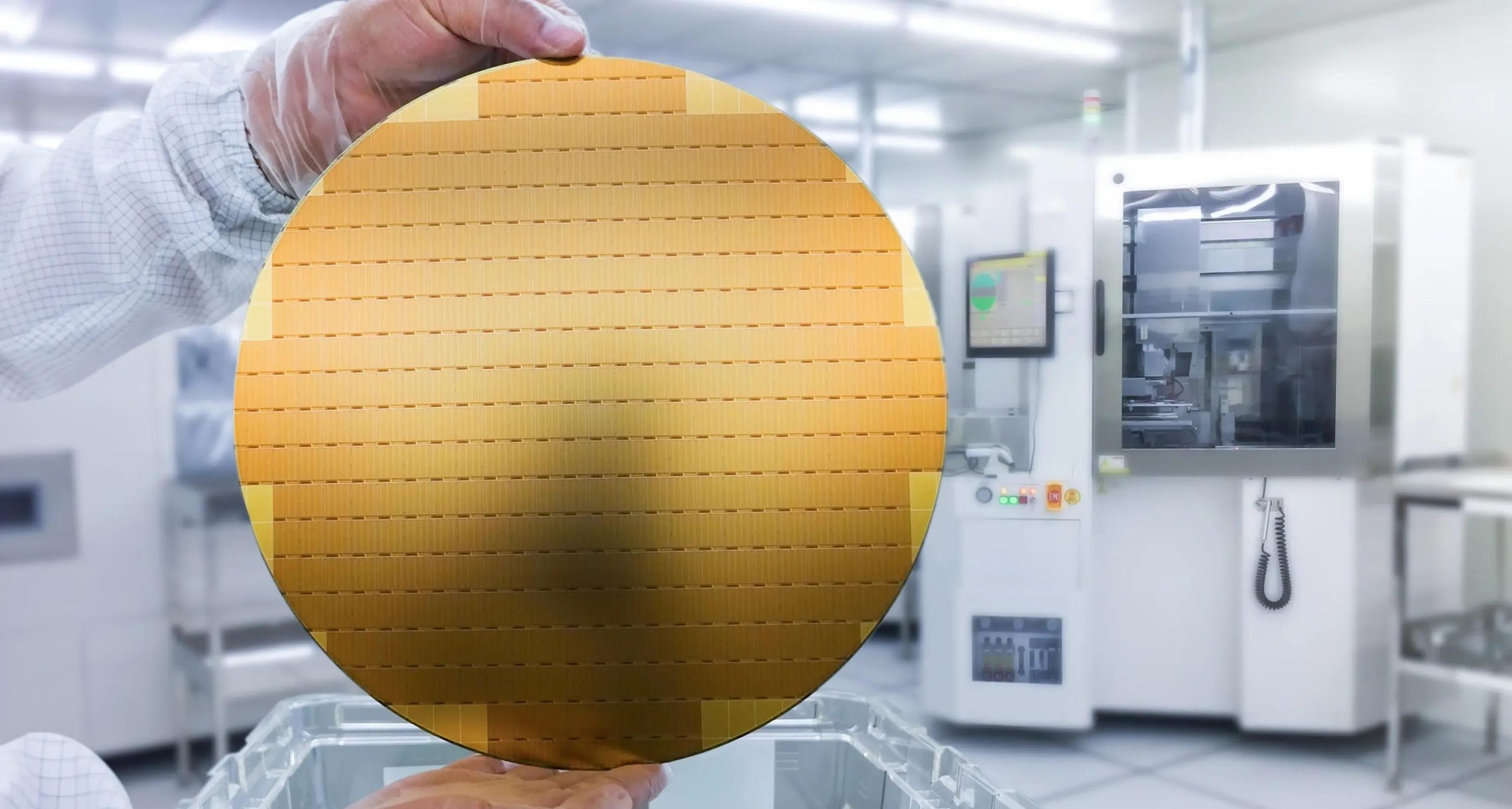
The semiconductor sector plays a particularly important role because advanced processors power the technologies driving these changes.
Arm CEO Highlights Global Technology Interdependence
The debate surrounding AI CPU chip exports underscores how interconnected the global economy has become.
According to industry observers, the Economic growth outlook depends partly on maintaining efficient technology supply chains that support research, development, manufacturing, and innovation. Arm’s CEO noted that semiconductor ecosystems involve numerous countries and companies working together.
This complexity creates challenges for policymakers attempting to implement broad restrictions on advanced technologies.
Businesses continue emphasizing the importance of predictable regulatory environments that encourage investment while addressing security concerns.
“Global innovation thrives when research, investment, and technology development remain connected across international markets.”
Semiconductor Investment Supports Expansion
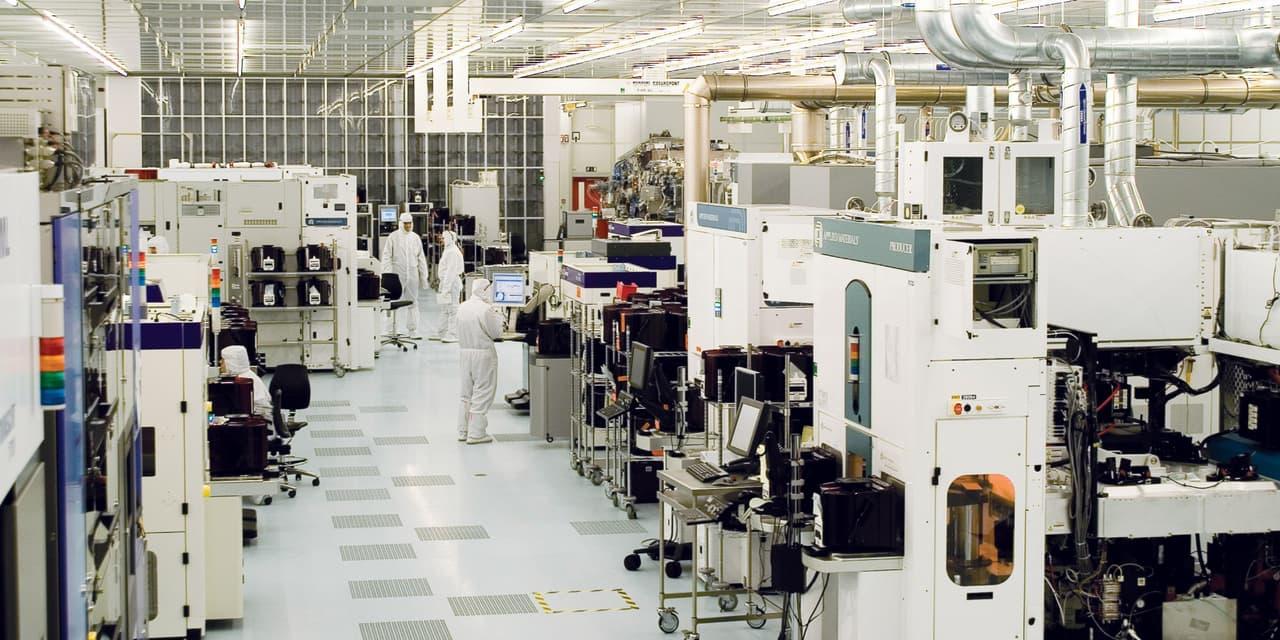
One reason the Economic growth outlook remains constructive is the ongoing expansion of semiconductor manufacturing and research.
Governments and private companies have announced substantial investments aimed at increasing production capacity, strengthening supply chains, and supporting future demand for advanced chips.
These investments create jobs, encourage innovation, and stimulate economic activity throughout related industries.
Industry analysts expect semiconductor demand to remain strong as artificial intelligence applications continue growing.
The sector’s importance extends beyond technology companies because many industries now rely heavily on advanced computing capabilities.

Artificial Intelligence Adoption Accelerates
The rapid adoption of artificial intelligence is another factor supporting the Economic growth outlook.
Organizations are integrating AI technologies into operations ranging from customer service and cybersecurity to manufacturing and logistics. These improvements can increase productivity, reduce costs, and enhance competitiveness.
Businesses are also using AI tools to analyze data more effectively and identify new growth opportunities.
Many economists believe widespread AI adoption could contribute significantly to future gains in efficiency and economic output.
The trend is expected to continue throughout 2026 and beyond.
Cloud Computing Drives Digital Transformation
Cloud computing remains one of the most important components influencing the Economic growth outlook.
Cloud platforms provide businesses with scalable infrastructure that supports artificial intelligence, data analytics, automation, and software development. Organizations increasingly rely on cloud services to improve flexibility and reduce operational costs.
Major technology providers continue expanding data center networks and investing in advanced infrastructure to meet growing demand.
This ongoing expansion supports employment, capital investment, and innovation throughout the digital economy.
Historical Perspective on Technology and Economic Growth
Historical Cycles of Technology-Led Economic Expansion
| Period | Technology Driver | Economic Impact |
|---|---|---|
| 1980s | Personal Computing | Productivity Growth |
| 1990s | Internet Expansion | Global Connectivity |
| 2000s | Mobile Technology | Consumer Innovation |
| 2010s | Cloud Computing | Digital Transformation |
| 2020s | Artificial Intelligence | Intelligent Automation |
The evolution of the Economic growth outlook demonstrates how technological breakthroughs have historically contributed to productivity gains and long-term economic development.
Investors Watch Technology Policy Closely
Financial markets are paying close attention to policy discussions because the Economic growth outlook can be influenced by decisions affecting technology trade and innovation.
Investors view artificial intelligence and semiconductor companies as important growth sectors. Changes in export regulations could affect supply chains, investment strategies, and future market opportunities.
Many analysts believe maintaining access to advanced technologies will remain important for sustaining competitiveness and supporting economic expansion.
As a result, technology policy has become a major focus for businesses and investors alike.
Global Competition Encourages Innovation
The ongoing competition among technology companies and nations continues supporting the Economic growth outlook by encouraging investment and innovation.
Organizations are racing to develop advanced AI systems, improve semiconductor performance, and expand cloud computing capabilities. This competitive environment often accelerates technological progress and creates new economic opportunities.
Industry leaders generally agree that continued investment in research and development will remain essential for future success.
The pace of innovation shows little sign of slowing as AI adoption continues expanding globally.

Future Outlook Remains Constructive
Most economists remain cautiously optimistic regarding the Economic growth outlook despite ongoing uncertainties related to trade policy and geopolitical developments.
Artificial intelligence, semiconductor manufacturing, and digital infrastructure investments continue creating opportunities for growth across multiple industries.
While challenges remain, businesses are increasingly leveraging advanced technologies to improve efficiency and drive innovation.
The combination of technological advancement and strong investment activity supports a favorable long-term perspective for economic development.