CAMBRIDGE, United Kingdom – June 2 – Brussels Morning Newspaper — Semiconductor industry trends are attracting renewed attention after Arm Holdings CEO Rene Haas suggested that the United States would face significant challenges if it attempted to broadly ban AI CPU chip exports to China. The comments highlight the growing importance of advanced processors in artificial intelligence development and underscore the increasingly global nature of semiconductor manufacturing.
- Arm CEO Highlights Global Supply Chain Complexity
- Artificial Intelligence Drives Processor Demand
- Cloud Computing Expands Semiconductor Importance
- Global Competition Reshapes Technology Markets
- Investment Activity Remains Strong
- Historical Perspective on Semiconductor Growth
- Businesses Seek Predictable Technology Policies
- Future Outlook for Semiconductor Markets
As governments evaluate technology policies and businesses continue investing in AI infrastructure, the semiconductor sector remains at the center of economic growth, innovation, and strategic competition. Industry experts say processor demand is likely to remain strong as artificial intelligence applications expand across industries.
The latest discussion demonstrates how Semiconductor industry trends are influencing not only technology markets but also international trade and policy decisions.
“Advanced semiconductors have become foundational to the future of artificial intelligence and digital innovation.”
Arm CEO Highlights Global Supply Chain Complexity
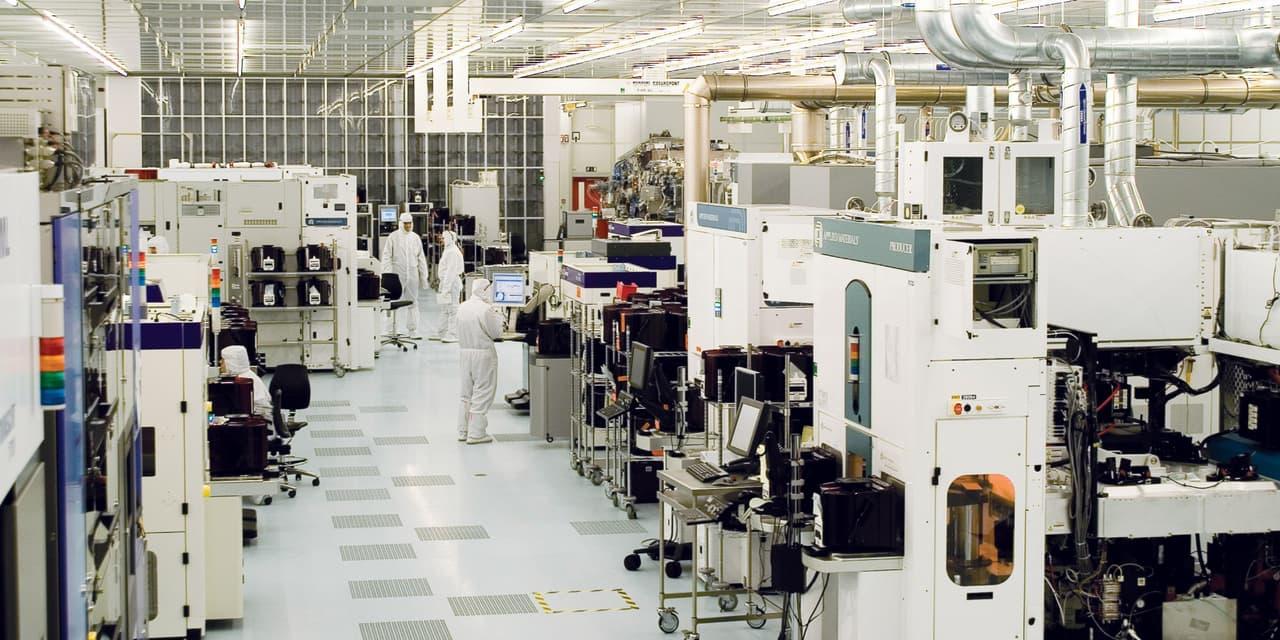
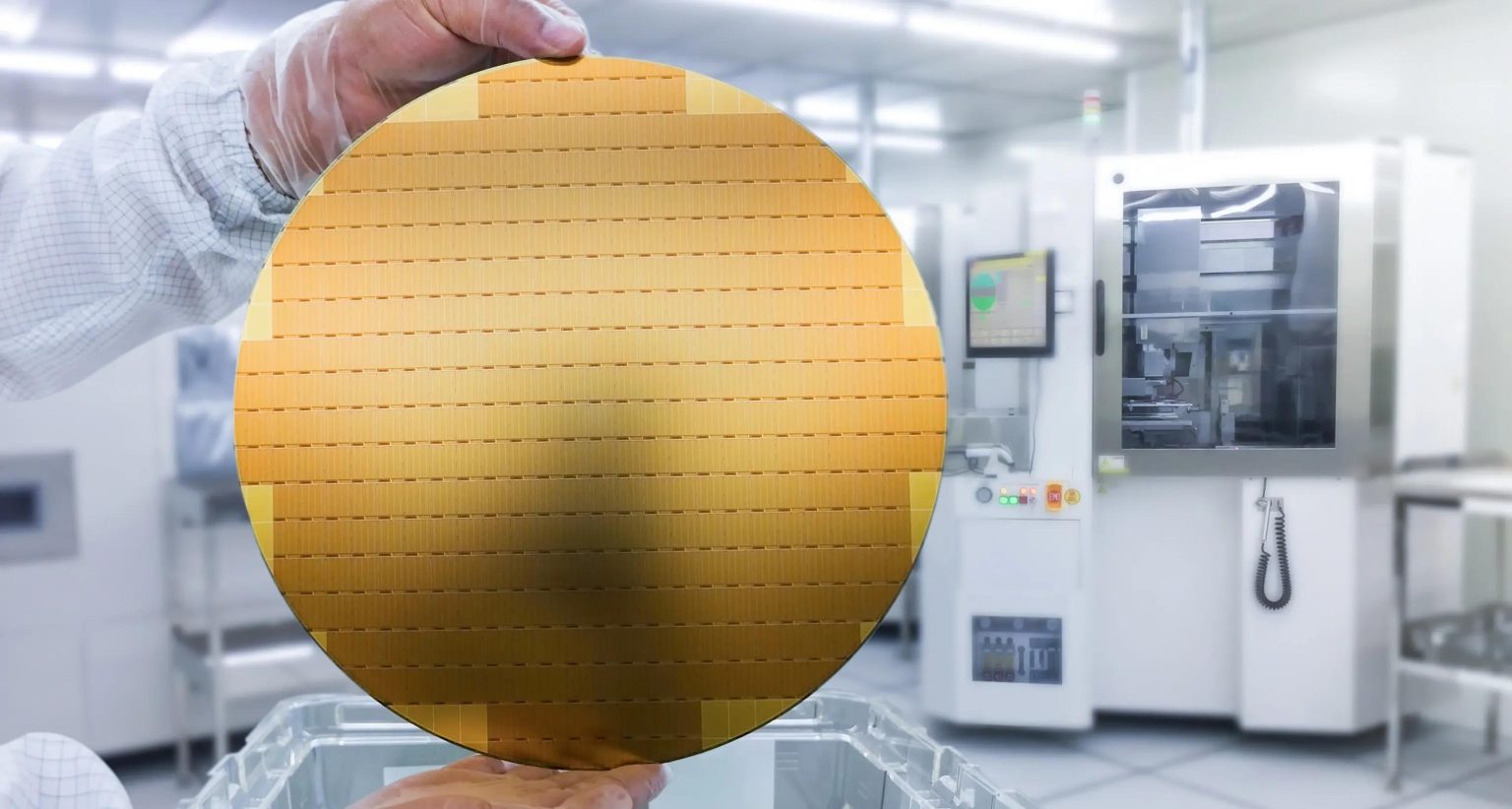
The current focus on Semiconductor industry trends intensified after Arm’s leadership questioned the practicality of broad export restrictions. Semiconductor production relies on a highly interconnected global ecosystem involving research, design, fabrication, packaging, and software development.
Industry analysts note that advanced chips often incorporate technology and expertise sourced from multiple countries. This international structure creates challenges for policymakers seeking to implement comprehensive controls on emerging technologies.
As artificial intelligence adoption accelerates, demand for high-performance processors continues expanding, further increasing the strategic importance of semiconductor markets.
“Global technology ecosystems are increasingly interconnected, making broad restrictions difficult to implement without wider consequences.”
Artificial Intelligence Drives Processor Demand
One of the most important Semiconductor industry trends involves the rapid growth of artificial intelligence applications. AI systems require significant computing power, driving demand for increasingly sophisticated processors.
Businesses are deploying artificial intelligence across sectors including healthcare, manufacturing, finance, cybersecurity, logistics, and retail. These applications depend on advanced chips capable of processing large datasets and complex machine-learning workloads.
Industry forecasts suggest AI-related semiconductor demand will remain one of the fastest-growing segments of the technology market throughout the decade.
The continued expansion of artificial intelligence is creating new opportunities for chip designers, manufacturers, and cloud service providers.
Cloud Computing Expands Semiconductor Importance
Another factor influencing Semiconductor industry trends is the rapid growth of cloud computing infrastructure. Data centers supporting AI applications require powerful processors capable of handling enormous computational workloads.
Major cloud providers continue investing heavily in infrastructure to support machine learning, analytics, automation, and generative AI services. These investments are increasing demand for advanced semiconductor technologies.
Industry observers believe cloud computing and artificial intelligence will remain closely linked growth drivers for the semiconductor sector.
The relationship between processors and cloud services has become increasingly important for future digital transformation initiatives.
Global Competition Reshapes Technology Markets
The ongoing discussion regarding export controls highlights how Semiconductor industry trends are connected to broader global competition.
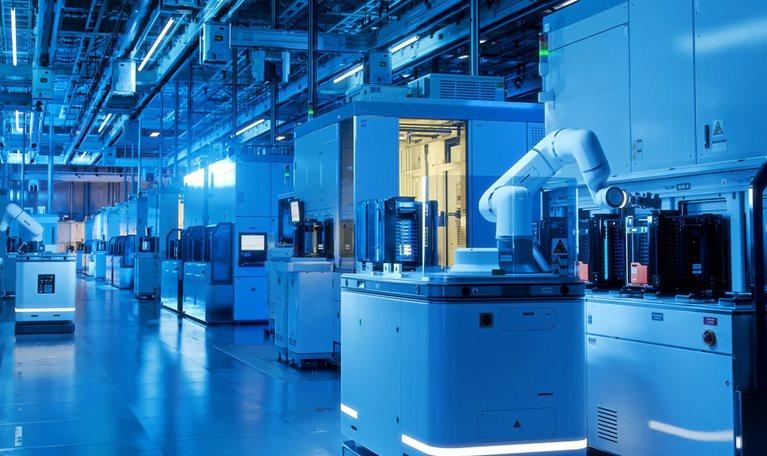
Countries around the world are investing billions of dollars in semiconductor manufacturing capacity, research initiatives, and technology development programs. Policymakers view advanced chips as strategic assets that influence economic growth and national competitiveness.
Technology leaders argue that continued innovation depends on access to global markets and collaborative research ecosystems.
Meanwhile, governments continue evaluating how best to balance economic opportunities with security considerations.
Investment Activity Remains Strong
Investor interest in Semiconductor industry trends remains high as demand for AI infrastructure continues growing.
Financial analysts believe semiconductor companies are well positioned to benefit from long-term technology adoption trends. Increased investment in AI systems, cloud computing, and enterprise automation is expected to support continued processor demand.
Several major semiconductor manufacturers have announced expansion plans aimed at increasing production capacity and strengthening supply chain resilience.
These developments suggest the industry remains focused on long-term growth opportunities despite ongoing policy uncertainties.
Historical Perspective on Semiconductor Growth
Historical Cycles of Semiconductor Innovation
| Period | Technology Focus | Industry Impact |
|---|---|---|
| 1980s | Personal Computing | Processor Demand Growth |
| 1990s | Internet Expansion | Connectivity Infrastructure |
| 2000s | Mobile Devices | Semiconductor Miniaturization |
| 2010s | Cloud Computing | Data Center Expansion |
| 2020s | Artificial Intelligence | High-Performance Processing |
The evolution of Semiconductor industry trends demonstrates how advances in computing technologies continue driving demand for more powerful and efficient processors.
Businesses Seek Predictable Technology Policies
Technology companies are closely monitoring policy discussions because Semiconductor industry trends can significantly influence investment decisions and long-term planning.
Executives generally favor stable regulatory frameworks that encourage innovation while addressing legitimate security concerns. Predictable policies help businesses allocate resources and develop future technologies more effectively.
Industry groups continue advocating for balanced approaches that support research, development, and global competitiveness.
These discussions are expected to remain a major focus throughout 2026.
Future Outlook for Semiconductor Markets
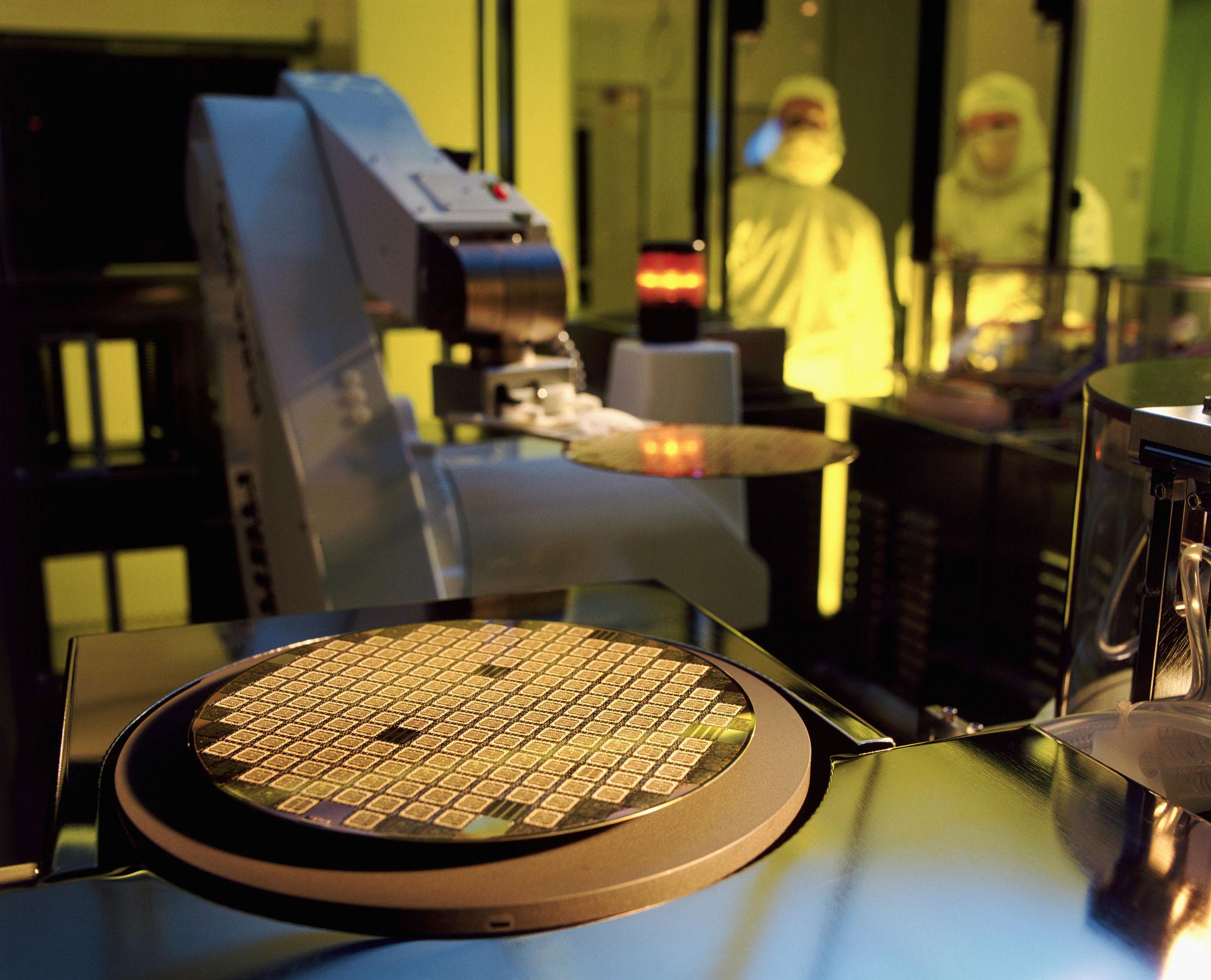
Analysts remain optimistic regarding the long-term outlook for Semiconductor industry trends. Artificial intelligence, cloud computing, advanced analytics, and automation technologies are expected to sustain demand for cutting-edge processors.
The semiconductor sector continues serving as a foundational component of digital transformation efforts worldwide. As AI adoption expands, processor manufacturers are likely to remain central to future technological progress.
Most industry experts believe innovation and market demand will continue driving growth despite evolving regulatory and geopolitical considerations.