BRUSSELS, Belgium – June 2 – Brussels Morning Newspaper — Europe EV market growth remains one of the most significant trends in the global automotive industry as manufacturers increase investment in electric vehicles, battery technologies, and AI-powered transportation systems. The latest discussion surrounding semiconductor exports gained attention after Arm Holdings’ chief executive suggested the United States would face significant challenges if it attempted to fully restrict advanced AI CPU chip exports to China.
- Semiconductor Policy Becomes a Key Industry Topic
- Electric Vehicle Demand Supports Expansion
- Technology Integration Reshapes Vehicle Development
- European Automakers Accelerate Investment Plans
- Historical Perspective on European EV Adoption
- China and Global Competition Influence the Market
- Supply Chains Remain a Strategic Priority
- Outlook for 2026 and Beyond
The comments arrive at a time when European automakers are accelerating their transition toward electric mobility while simultaneously increasing reliance on advanced semiconductors that power vehicle software, autonomous systems, and next-generation connectivity features.
“Technology supply chains have become deeply interconnected, making broad restrictions increasingly difficult to enforce.”
Semiconductor Policy Becomes a Key Industry Topic
As Europe EV market growth continues, automotive manufacturers are paying closer attention to semiconductor availability. Modern electric vehicles increasingly depend on powerful processors for battery management, driver assistance technologies, infotainment systems, and software integration.
Arm Holdings’ CEO indicated that limiting AI CPU chip exports could prove difficult because technology ecosystems operate across multiple countries and supply chains.
Industry analysts note that vehicle manufacturers now view semiconductor access as strategically important as access to batteries and raw materials.
Electric Vehicle Demand Supports Expansion
The primary reason behind Europe EV market growth remains strong consumer demand for electric transportation. Governments throughout the region continue encouraging adoption through emissions targets and infrastructure investments.
Automakers have responded by introducing new electric models across multiple vehicle categories. Consumers now have broader choices ranging from compact city vehicles to luxury SUVs and commercial fleets.
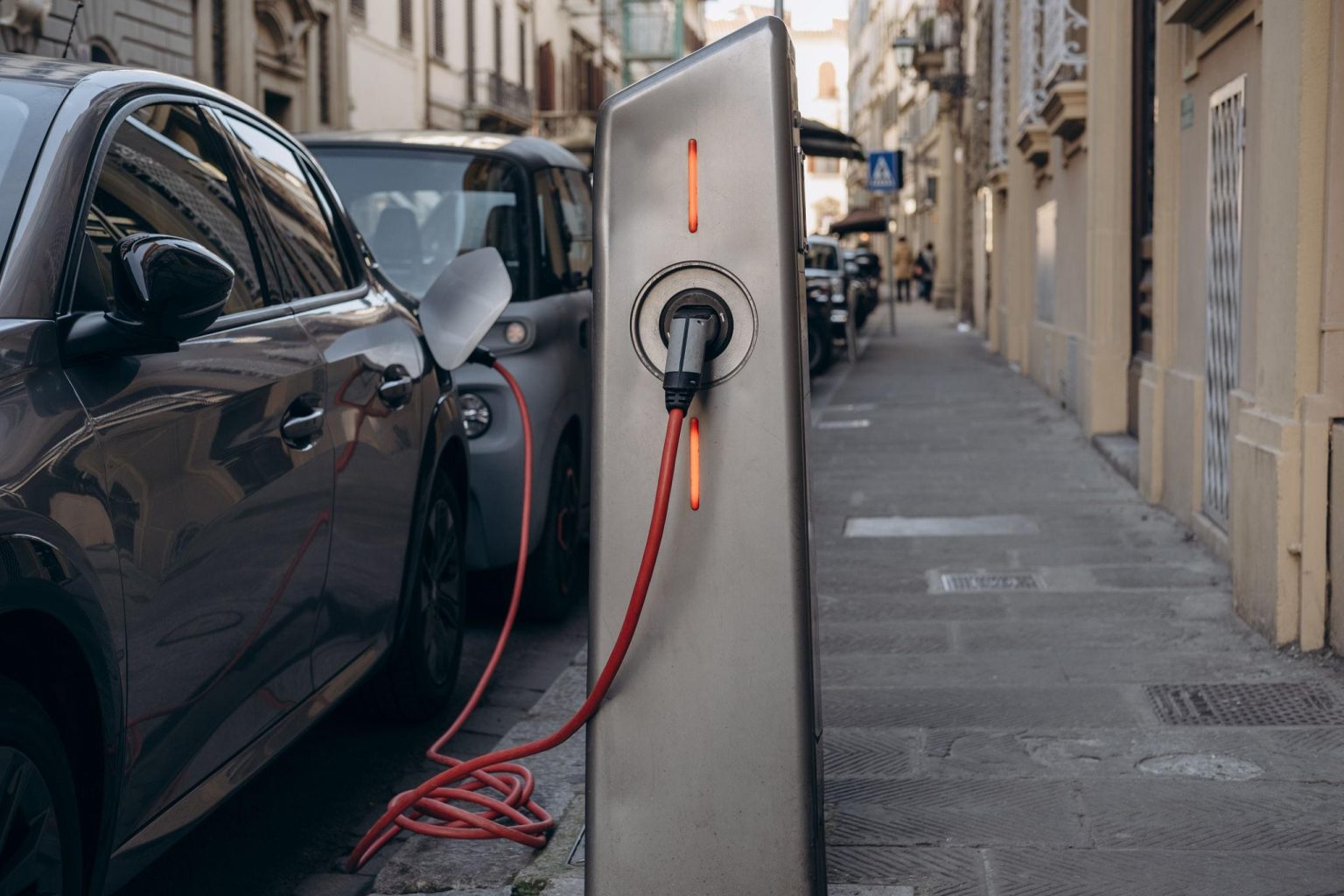
The continued expansion of charging infrastructure has also improved consumer confidence, helping support long-term adoption trends.
“Electric mobility is moving from early adoption to mainstream acceptance across many European markets.”
Technology Integration Reshapes Vehicle Development
Another factor supporting Europe EV market growth is the rapid integration of artificial intelligence and software-based vehicle technologies.
Manufacturers increasingly compete on digital capabilities rather than mechanical performance alone. Features such as intelligent navigation, predictive maintenance, battery optimization, and advanced safety systems rely heavily on sophisticated semiconductor technology.
This shift has increased the importance of global technology suppliers and semiconductor developers within the automotive sector.
European Automakers Accelerate Investment Plans
The ongoing Europe EV market growth trend has encouraged manufacturers to increase spending on research and development. Several companies have announced plans to expand battery production, software engineering teams, and AI-powered mobility initiatives.
Investment activity reflects expectations that electric vehicles will represent an increasingly larger share of future vehicle sales.
Industry observers believe competitive pressure will continue driving innovation throughout 2026 and beyond.
Historical Perspective on European EV Adoption
Historical Cycles of Electric Vehicle Growth in Europe
| Period | Key Development | Market Impact |
|---|---|---|
| 2010-2014 | Early EV adoption programs | Limited consumer adoption |
| 2015-2018 | Expanded incentives | Increased awareness |
| 2019-2021 | Battery technology improvements | Faster sales growth |
| 2022-2024 | Infrastructure expansion | Mainstream acceptance begins |
| 2025-2026 | AI-powered EV evolution | Accelerated market maturity |
The current phase of Europe EV market growth represents the most advanced stage of the sector’s development, supported by technological improvements and broader consumer acceptance.
China and Global Competition Influence the Market
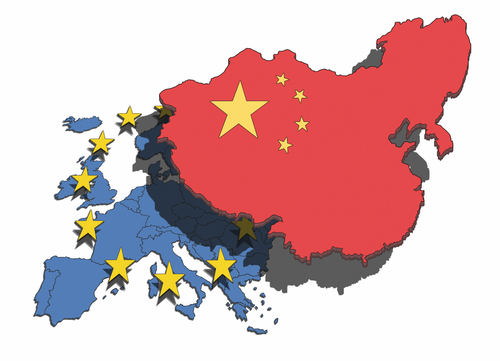
Global competition continues affecting Europe EV market growth as manufacturers from Asia, North America, and Europe compete for market share.
Chinese automakers are expanding throughout Europe, while European brands continue investing heavily in next-generation electric platforms.
This competitive environment has encouraged faster innovation cycles and greater focus on affordability, performance, and technology integration.
Supply Chains Remain a Strategic Priority
Supply chain stability remains a central issue as Europe EV market growth advances. Semiconductor availability, battery materials, and manufacturing capacity continue influencing production strategies.
Many companies are pursuing diversified sourcing arrangements to reduce potential disruptions and improve long-term resilience.
The growing importance of technology components has made supply chain management a critical executive priority throughout the industry.

Outlook for 2026 and Beyond
Analysts expect Europe EV market growth to remain strong throughout the remainder of 2026. Increased investment, technological innovation, and evolving consumer preferences are likely to support further expansion.
Although geopolitical debates surrounding semiconductor exports may continue, industry experts believe innovation and market demand will remain the primary growth drivers.
The combination of electric mobility, artificial intelligence, and advanced semiconductor technologies is expected to shape the future of transportation across Europe.