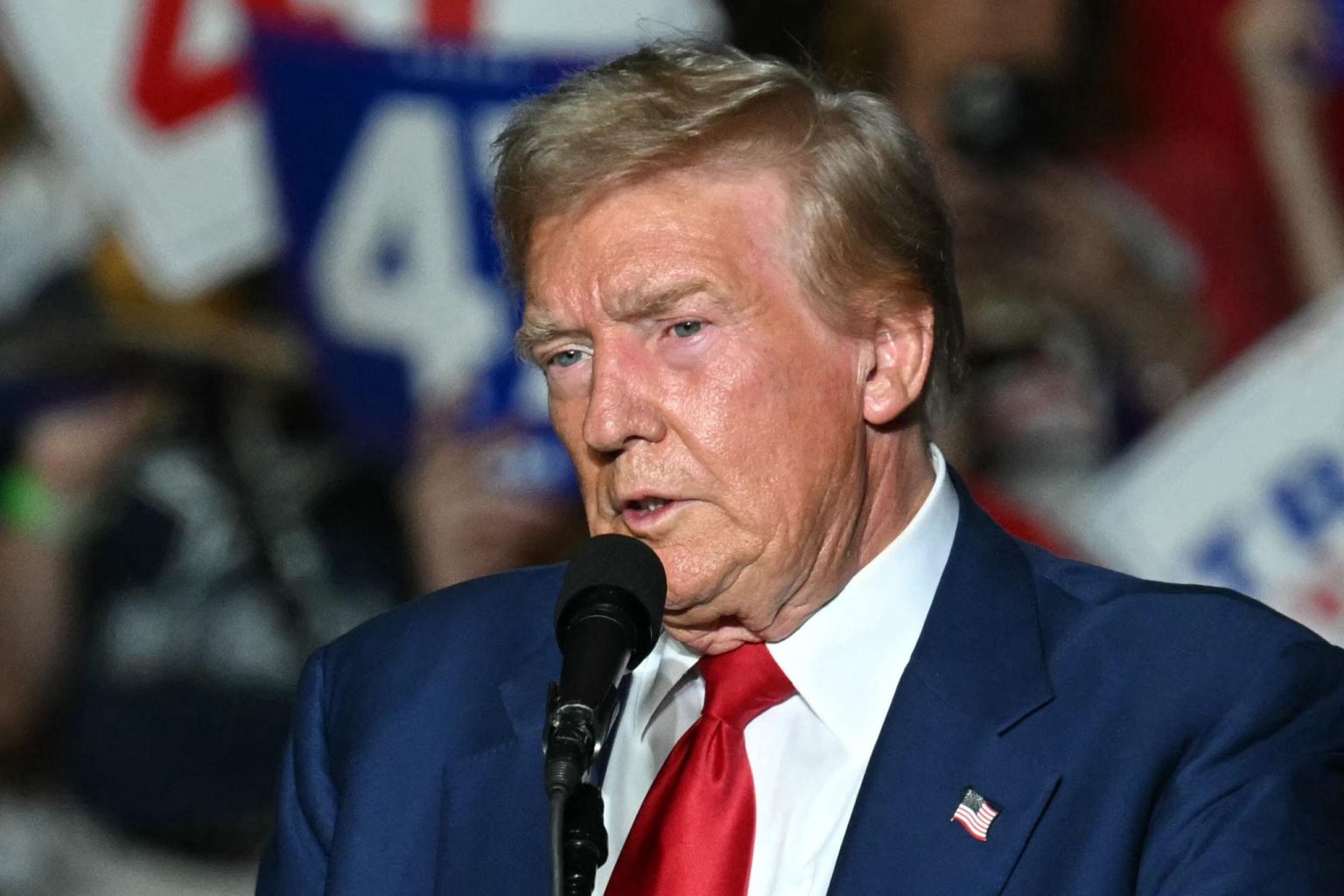
WASHINGTON, D.C. – May 26 – Brussels Morning Newspaper — Trump election claims have once again become a major political issue in the United States after reports showed former President Donald Trump referenced the 2020 election being “rigged” at least 107 times during the past six months as the 2026 midterm elections approach.
- Trump Continues Referencing the 2020 Election
- Midterm Elections Increase Political Pressure
- Election Integrity Remains a Divisive National Issue
- Republican Strategy Focuses on Base Mobilization
- Democrats Warn About Risks to Public Confidence
- Courts and Election Officials Previously Rejected Fraud Allegations
- Media Coverage Keeps Election Debate in Public Focus
- Historical Context of Election Challenges in the United States
- Major Modern Election Controversies
- Voter Trust Could Influence Turnout in 2026
- Social and Political Polarization Continues Expanding
- Trump Election Claims Remain Central to 2026 Politics
The repeated statements have intensified political divisions across the country while increasing scrutiny over how election-related rhetoric may influence voter confidence, campaign messaging, and national political discourse ahead of key congressional races.
Political analysts say the issue remains central to Trump’s communication strategy as Republican candidates position themselves for a highly competitive midterm cycle that could shape the balance of power in Washington.
“Election integrity remains one of the most emotionally charged issues in American politics,”
one political strategist said during a recent policy forum.
Trump Continues Referencing the 2020 Election
According to public appearances, campaign speeches, interviews, and social media activity reviewed over recent months, Trump election claims have continued appearing frequently in political messaging tied to rallies and fundraising efforts.
The former president has repeatedly argued that irregularities affected the outcome of the 2020 presidential election, despite courts, state election officials, and federal reviews previously finding no evidence of widespread fraud capable of changing the final result.
Trump supporters argue that concerns regarding election security and voting procedures deserve continued attention, while critics claim repeated allegations risk undermining confidence in democratic institutions.
The issue remains politically significant because many Republican voters continue expressing skepticism regarding aspects of the 2020 election process.
Midterm Elections Increase Political Pressure
The timing of renewed Trump election claims is especially important as the 2026 midterm elections draw closer.
Control of Congress, state governments, and local election offices will likely become central battlegrounds in the upcoming cycle. Political strategists from both major parties are closely monitoring voter turnout trends, campaign messaging, and public sentiment surrounding election integrity issues.
Republican candidates in several states have already incorporated themes related to voting procedures, election oversight, and ballot security into campaign messaging.
Democratic leaders, meanwhile, continue emphasizing election certification processes, legal rulings, and institutional safeguards designed to protect voting systems.
Analysts believe election-related rhetoric may significantly influence turnout among core voter groups.
Election Integrity Remains a Divisive National Issue
The debate surrounding Trump election claims highlights broader political tensions regarding public trust in election systems across the United States.
Surveys conducted over recent years have shown deep partisan differences regarding perceptions of election security and confidence in voting processes.
Some voters continue advocating for:
- Expanded voter identification requirements
- Tighter mail ballot regulations
- Increased election monitoring
- Updated voter registration systems
- Faster vote-counting procedures
Others argue that existing systems already contain extensive safeguards and warn that repeated fraud allegations without evidence may damage confidence in democratic processes.
The issue has therefore evolved into both a political and institutional debate affecting national discourse.
Republican Strategy Focuses on Base Mobilization
Political analysts say Trump election claims continue resonating strongly with portions of the Republican voter base, particularly among voters concerned about federal institutions and election administration.
Campaign strategists believe election-related messaging may help energize supporters ahead of critical congressional and gubernatorial races.
Republican candidates across multiple states have increasingly emphasized:
- Border security
- Inflation concerns
- Economic frustrations
- Government accountability
- Election oversight
Trump remains one of the most influential figures within the Republican Party, meaning his messaging often shapes broader campaign narratives throughout the country.
“Political messaging is increasingly tied to emotional engagement and voter identity,”
a U.S. political analyst explained.
“Election integrity has become a core issue for many Republican voters.”
Democrats Warn About Risks to Public Confidence
Democratic officials and voting rights organizations continue expressing concern that repeated Trump election claims may weaken public trust in future election outcomes.
Several Democratic lawmakers argue that maintaining confidence in electoral systems remains essential for political stability and democratic governance.
Voting rights advocates also continue defending expanded ballot access measures introduced in several states during recent election cycles.
At the same time, Democratic campaign messaging ahead of the midterms has focused heavily on:
- Economic policy
- Healthcare
- Reproductive rights
- Climate policy
- Democratic institutions
The differing approaches reflect how election issues continue shaping broader political narratives nationwide.
Courts and Election Officials Previously Rejected Fraud Allegations
Since the 2020 presidential election, multiple state and federal reviews examined allegations involving voting irregularities and fraud claims.
Numerous courts rejected legal challenges tied to the election outcome due to insufficient evidence or procedural issues.
Election officials from both Republican and Democratic administrations also repeatedly stated that no evidence emerged showing widespread fraud capable of changing the election result.
Despite those findings, Trump election claims have remained highly influential within segments of the political landscape.
The continued debate demonstrates how election narratives can persist long after official certification processes conclude.
Media Coverage Keeps Election Debate in Public Focus
The repeated references to the 2020 election have continued generating widespread media attention across television, digital platforms, podcasts, and political commentary programs.
Analysts say media coverage itself often amplifies election-related narratives by keeping the topic central to public discussion.
Social media platforms also continue serving as major channels for distributing campaign messages, political commentary, and voter engagement efforts.
The combination of nonstop political coverage and highly polarized online discourse has contributed to the long-term visibility of Trump election claims.
Several communication experts warn that modern political narratives increasingly spread faster through emotional engagement than throughpolicy discussions alone.
Historical Context of Election Challenges in the United States
Major Modern Election Controversies
| Year | Major Event | Political Impact |
|---|---|---|
| 2000 | Florida recount dispute | Supreme Court involvement intensified debate |
| 2016 | Foreign interference concerns emerged | Cybersecurity focus increased |
| 2020 | Post-election fraud allegations expanded | Public trust divisions deepened |
| 2022 | Election administration became campaign issue | State voting laws changed |
| 2026 | Trump references election claims repeatedly | Midterm political tensions increase |
The United States has periodically experienced election-related disputes throughout modern history, although the scale and persistence of recent political divisions remain highly significant.
Voter Trust Could Influence Turnout in 2026
Political scientists believe public confidence in elections may directly affect turnout patterns during the upcoming midterm cycle.
Some experts argue that skepticism toward institutions can motivate certain voter groups to participate more actively, while others warn it may discourage broader public engagement.
The impact of Trump election claims on turnout remains difficult to predict because voter behavior often depends on economic conditions, candidate quality, local issues, and campaign intensity.
However, analysts widely agree that election-related rhetoric will remain one of the defining themes of the 2026 political environment.
Social and Political Polarization Continues Expanding
The ongoing debate surrounding election legitimacy reflects broader political polarization across the United States.
Public trust in government institutions, media organizations, and political leadership remains sharply divided along partisan lines.Analysts say modern political communication increasingly rewards:
- Emotional narratives
- Identity-based messaging
- High-engagement controversies
- Viral social media content
- Strong partisan positioning
As a result, election-related debates are expected to remain highly visible throughout the campaign season.
The issue also underscores how modern political campaigns now operate continuously rather than only during traditional election periods.
Trump Election Claims Remain Central to 2026 Politics
The continued repetition of Trump election claims has reinforced election integrity as one of the most influential and divisive issues heading into the 2026 midterm elections.
While courts and election officials previously rejected widespread fraud allegations related to the 2020 election, the topic remains politically powerful among many voters and continues shaping campaign messaging nationwide.
Republicans and Democrats are now preparing for an intense political environment where voter confidence, election administration, and institutional trust may significantly influence turnout and campaign strategies.
As the midterms approach, the debate surrounding election legitimacy is expected to remain at the center of America’s broader political conversation.