

London, United Kingdom – May 18, 2026 – Brussels Morning Newspaper — UK public health news gained international attention after British officials confirmed that the United Kingdom secured access to an experimental antiviral drug from Japan designed to strengthen the country’s preparedness against hantavirus threats. The announcement reflects growing concern among global health authorities regarding emerging infectious diseases and the importance of rapid-response medical planning.
- Experimental Treatment Added to UK Emergency Planning
- Understanding Hantavirus Risks
- Britain Expands Infectious Disease Preparedness
- Japan Emerging as a Leader in Medical Innovation
- Public Health Experts Support Preventive Measures
- Scientists Continue Monitoring Emerging Diseases
- Economic Importance of Health Preparedness
- International Cooperation Becomes Central Strategy
- Public Reaction to the Announcement
British health agencies stated that the agreement with Japanese researchers and pharmaceutical specialists aims to improve emergency response capabilities if hantavirus cases rise in Britain or other parts of Europe. Officials emphasized that the medication remains experimental but described the partnership as an important step toward improving national health security.
The move comes as governments around the world continue investing in advanced disease monitoring systems, antiviral research, and pandemic preparedness following recent global healthcare challenges.
Experimental Treatment Added to UK Emergency Planning
Officials involved in the latest UK public health news developments confirmed that the Japanese antiviral drug will initially become part of Britain’s strategic health preparedness framework while medical evaluations continue.
Researchers reportedly observed encouraging results during laboratory studies focused on severe viral infections linked to hantavirus complications. British authorities noted that additional clinical analysis and regulatory oversight remain ongoing before any large-scale deployment would occur.
Health experts believe proactive medical partnerships are becoming increasingly important as nations attempt to strengthen readiness against future outbreaks.
A senior health advisor stated:
“Preparation before a crisis is one of the strongest tools public health systems can have.”
The statement reflects a wider international shift toward prevention-focused healthcare planning rather than reactive emergency responses.
Understanding Hantavirus Risks
The latest UK public health news announcement has also renewed public interest in hantavirus and how infections occur.
Hantavirus refers to a family of viruses typically spread through infected rodents or contaminated environments. Human exposure can happen through inhalation of airborne particles contaminated by rodent urine, saliva, or droppings.
Medical experts explain that symptoms often begin with flu-like conditions before potentially progressing into severe respiratory or kidney-related complications in serious cases.
Common symptoms associated with hantavirus may include:
- Fever
- Muscle aches
- Fatigue
- Headaches
- Shortness of breath
- Nausea and dizziness
Although confirmed hantavirus cases remain relatively uncommon in Britain, health agencies continue monitoring international trends and environmental factors connected to zoonotic diseases.
Britain Expands Infectious Disease Preparedness
The Japanese drug partnership forms part of a broader strategy highlighted in recent UK public health news reports focusing on strengthening Britain’s healthcare resilience.
Public health officials say the government is increasingly investing in:
- Antiviral medication research
- Early outbreak detection systems
- Medical stockpile expansion
- Emergency hospital readiness
- International scientific cooperation
- Rapid-response healthcare infrastructure
Analysts believe these efforts reflect lessons learned from previous global health emergencies that exposed vulnerabilities within international healthcare systems and medical supply chains.
British authorities also confirmed that additional scientific collaboration with Japanese researchers may continue throughout 2026.
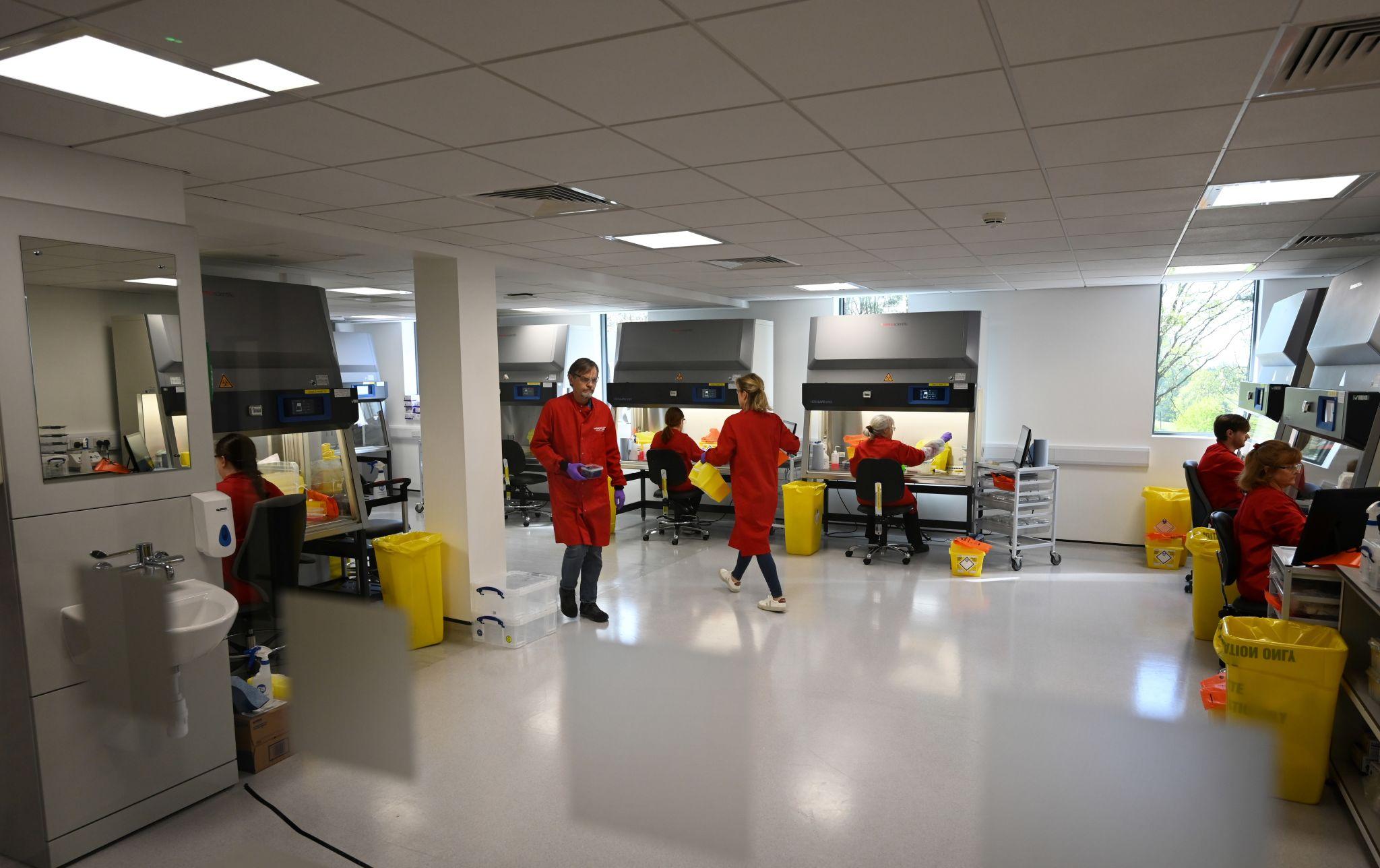
Japan Emerging as a Leader in Medical Innovation
Japan’s growing role in advanced pharmaceutical research has become a major topic in global UK public health news coverage surrounding the agreement.
Japanese medical institutions and biotechnology companies have invested heavily in antiviral therapies, vaccine development, and infectious disease preparedness programs during recent years.
The experimental treatment linked to Britain’s preparedness efforts reportedly emerged from broader scientific programs studying respiratory illnesses and high-risk viral infections.
Medical analysts believe Japan’s influence in pharmaceutical innovation could expand further through international partnerships aimed at improving global epidemic prevention.
A healthcare researcher familiar with infectious disease planning stated:
“International cooperation is now critical because health threats can spread rapidly across borders.”
The growing collaboration between Britain and Japan reflects the increasing importance of shared scientific resources in public health strategy.
Public Health Experts Support Preventive Measures
Many infectious disease specialists praised Britain’s proactive approach following the latest UK public health news announcement.
Experts argue that investing early in preparedness systems can significantly reduce healthcare disruptions, economic losses, and public panic during future outbreaks.
Some analysts believe prevention-focused planning also improves public trust in healthcare institutions and government emergency response capabilities.
Health organizations continue encouraging basic preventive measures, including:
- Maintaining proper sanitation
- Avoiding rodent exposure
- Reporting unusual illness clusters
- Supporting disease monitoring systems
Specialists stress that preparedness remains essential even when infection risks appear relatively low.
Scientists Continue Monitoring Emerging Diseases
Researchers worldwide are closely observing emerging infectious diseases that could potentially threaten global healthcare systems.
Climate changes, urban growth, wildlife interaction, and international travel patterns are increasingly being studied as factors that may influence virus transmission risks.
The enhanced preparedness measures highlighted in current UK public health news reports come during a period of expanding international concern regarding zoonotic diseases capable of spreading across regions quickly.
Global health experts repeatedly emphasize the importance of surveillance technology, rapid testing capabilities, and international medical coordination.
Economic Importance of Health Preparedness
Healthcare preparedness strategies often require significant financial investment, but many economists argue that prevention costs are far lower than responding to widespread health emergencies.
Strengthening the systems discussed in recent UK public health news updates may involve additional spending on hospitals, pharmaceutical research, laboratory infrastructure, and emergency planning programs.
Healthcare economists note that effective outbreak preparation can help reduce:
- Medical supply shortages
- Hospital overcrowding
- Workforce disruptions
- Economic instability
- Public fear during emergencies
Officials believe long-term preparedness investments may ultimately protect both healthcare systems and broader economic stability.
International Cooperation Becomes Central Strategy
The agreement between Britain and Japan highlights how international collaboration is becoming increasingly important in global healthcare planning.
Experts say future disease responses will likely depend on faster data sharing, coordinated research programs, and stronger pharmaceutical partnerships between nations.
The latest UK public health news developments may encourage additional health cooperation agreements involving antiviral medications, outbreak detection systems, and scientific innovation.
Medical analysts believe countries working together on preparedness strategies could improve response efficiency during future public health emergencies.
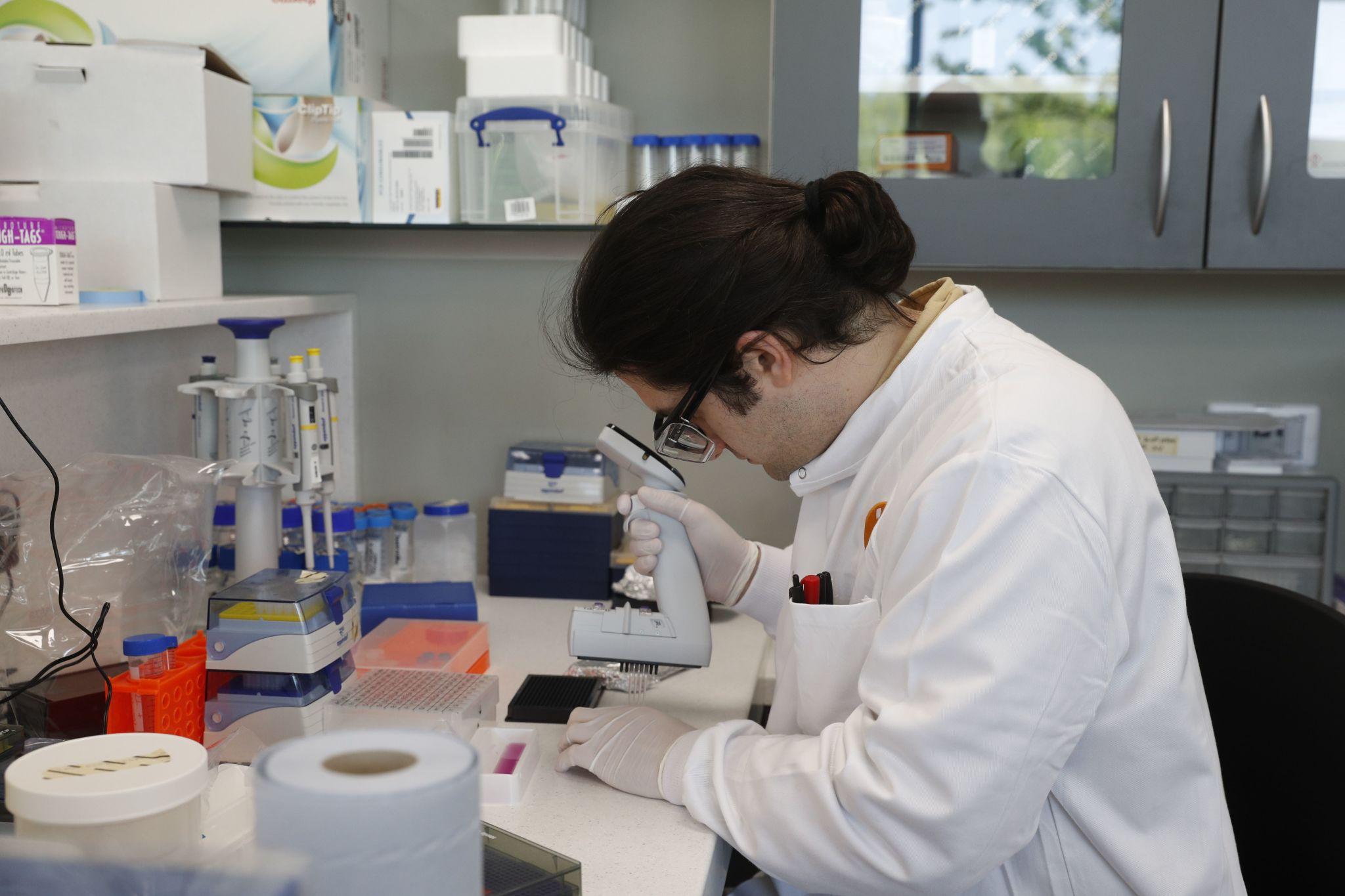
Public Reaction to the Announcement
Public reaction to the experimental drug announcement has been mixed across Britain.
Some citizens welcomed the decision as a responsible effort to strengthen preparedness, while others questioned how experimental treatments should be regulated and monitored before wider implementation.
Health authorities reassured the public that the medication continues undergoing strict scientific review and safety oversight procedures.
Officials also emphasized that current hantavirus risks in Britain remain relatively low.
Despite that reassurance, the announcement has increased public discussion surrounding healthcare readiness and emerging disease threats.