NEW DELHI, India – May 18, 2026 – Brussels Morning Newspaper — FIFA media rights negotiations have become a major topic inside the global sports broadcasting industry after reports indicated that FIFA officials recently visited India while no official World Cup television or streaming agreement has yet been finalized. The development has triggered growing speculation across media companies, digital platforms, advertisers, and football fans as competition for premium sports broadcasting continues expanding rapidly.
- India Becomes a Strategic Market for FIFA
- No Final Broadcast Agreement Raises Questions
- Streaming Platforms Continue Challenging Traditional Television
- Advertisers Closely Watch FIFA Negotiations
- Football’s Popularity Continues Growing in India
- Historical Cycles of FIFA Media Expansion
- Media Competition Intensifies Across India
- FIFA Expands Global Commercial Influence
- Economic Pressure Shapes Broadcasting Industry
- FIFA Media Rights India 2026
India’s massive population, rising internet usage, and growing sports streaming market have transformed the country into one of the most valuable international opportunities for sports organizations seeking long-term media growth.
Industry observers believe FIFA’s current discussions in India highlight the increasing commercial importance of football broadcasting rights in Asia’s expanding digital economy.
India Becomes a Strategic Market for FIFA
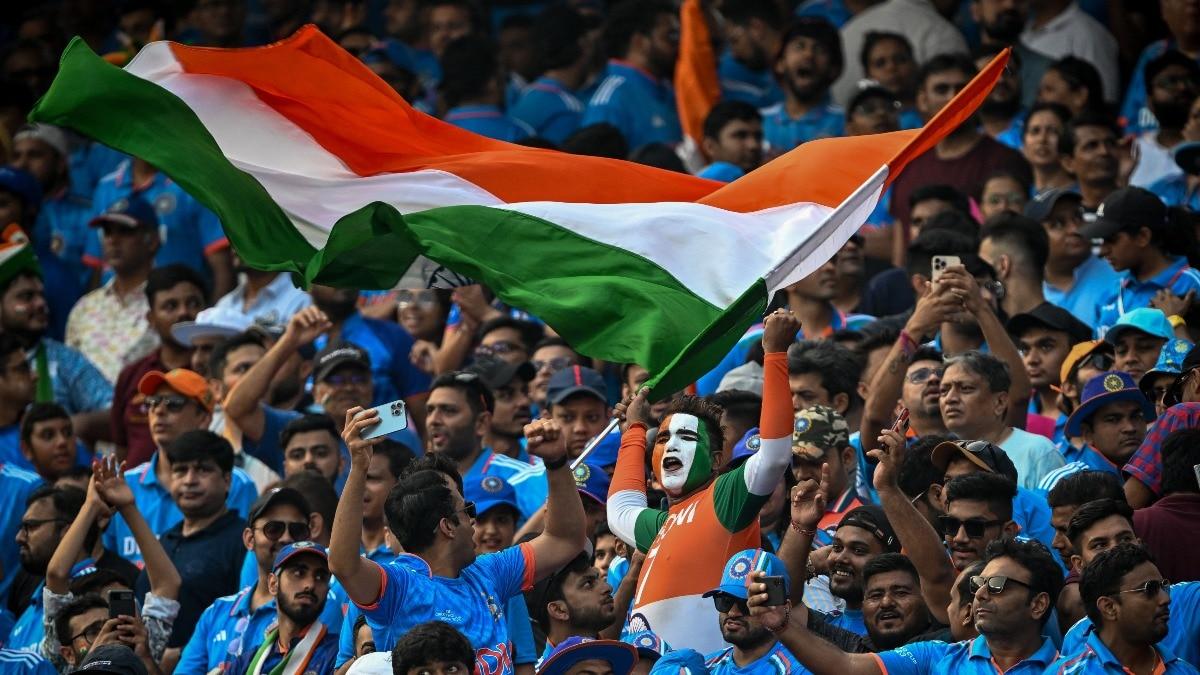
Over the past decade, India has evolved into one of the fastest-growing digital entertainment and sports consumption markets in the world. While cricket remains the country’s dominant sport, football audiences have steadily increased due to global league exposure, social media engagement, streaming accessibility, and mobile technology growth.
Major European football leagues and international tournaments now attract millions of Indian viewers through television broadcasts, streaming applications, and digital highlights platforms.
Analysts say FIFA media rights in India now represent more than just television access. The negotiations involve digital streaming, advertising opportunities, mobile engagement, subscription growth, and long-term commercial positioning.
One sports media analyst familiar with international rights negotiations stated:
“India is now considered one of the most important emerging football media markets globally.”
That growing importance explains why FIFA officials are reportedly focusing heavily on negotiations within the country.
No Final Broadcast Agreement Raises Questions
Despite the strategic importance of India, no official FIFA media rights agreement has yet been publicly finalized for upcoming tournament broadcasting cycles. The absence of a confirmed deal has created uncertainty among broadcasters, advertisers, and sports marketing agencies preparing future campaigns.
Industry sources suggest multiple television and streaming companies remain interested in securing rights due to football’s expanding popularity among younger audiences.
The delay has also increased speculation regarding pricing expectations, distribution models, and digital platform integration.
Sports broadcasting costs worldwide have risen sharply in recent years as companies compete aggressively for premium live content capable of attracting large audiences and subscription growth.
Streaming Platforms Continue Challenging Traditional Television
The FIFA media rights negotiations reflect larger changes occurring throughout the global entertainment industry. Streaming services are increasingly competing directly with traditional television networks for exclusive sports content.
Younger audiences now consume sports through mobile devices, connected televisions, streaming applications, and social media platforms rather than relying exclusively on cable television subscriptions.
India’s mobile-first internet environment makes streaming particularly important for future football broadcasting strategies.
Media companies now seek integrated sports ecosystems that include:
- Live match streaming
- Short-form highlights
- Interactive content
- Social media engagement
- Mobile notifications
- Fantasy sports integration
- Digital advertising partnerships
Analysts believe future FIFA broadcasting agreements in India will likely combine both television and digital streaming rights to maximize audience reach.

Advertisers Closely Watch FIFA Negotiations
The unresolved FIFA media rights discussions have become highly important for advertisers and major consumer brands preparing long-term sports marketing campaigns.
Global football tournaments generate enormous audience engagement, including live television viewership, streaming traffic, social media interaction, and online advertising exposure.
Marketing agencies say broadcasters holding FIFA rights often gain significant commercial advantages during tournament periods because sports audiences remain among the most engaged categories in media.
One advertising executive recently explained:
“FIFA tournaments remain one of the few global events capable of bringing massive audiences together simultaneously.”
That commercial power explains why media companies continue competing aggressively for rights despite rising costs.
Football’s Popularity Continues Growing in India
Football viewership in India has increased significantly over recent years due to expanded access to international leagues and tournaments. European clubs maintain large fan bases throughout the country, especially among younger demographics.
Social media platforms, gaming culture, and digital content creators have also contributed to football’s expanding popularity.
Several analysts believe upcoming FIFA tournaments could generate record viewership numbers in India if broadcasters successfully combine television access with strong streaming capabilities.
The growth of sports-focused digital platforms has further accelerated audience expansion across urban and semi-urban markets.
Historical Cycles of FIFA Media Expansion
History of FIFA Broadcasting Growth
| Year | Major FIFA Media Development | Industry Impact |
|---|---|---|
| 1998 | Expansion of satellite sports broadcasting | Increased global football reach |
| 2006 | HD sports broadcasting growth | Improved television experience |
| 2014 | Social media integration accelerated | Higher digital audience engagement |
| 2022 | Streaming platforms entered bidding wars | Sports rights competition intensified |
| 2026 | India emerges as major FIFA market | Media rights negotiations gain value |
The value of FIFA media rights has increased dramatically over the last two decades as live sports became one of the most profitable categories in entertainment media.
Media Competition Intensifies Across India
India’s sports broadcasting industry has become increasingly competitive due to rapid expansion in streaming subscriptions, mobile internet usage, and digital advertising revenue.
Several major companies continue investing heavily in sports rights because live events help attract long-term audiences and reduce subscription cancellations.
The competition extends beyond television broadcasters to include:
- Streaming platforms
- Telecommunications companies
- Digital media networks
- Mobile application providers
- International entertainment firms
Industry experts believe the eventual FIFA media rights agreement could significantly influence the future structure of sports broadcasting competition throughout India.
FIFA Expands Global Commercial Influence
FIFA remains one of the most commercially powerful organizations in international sports. World Cup tournaments generate billions of dollars through sponsorships, merchandising, broadcasting rights, and digital partnerships.
The organization continues targeting emerging digital markets capable of supporting future audience growth and long-term commercial expansion.
India’s expanding middle class, increasing smartphone penetration, and growing streaming culture make the country especially attractive for global sports organizations.
Some analysts believe FIFA’s negotiations may include broader commercial cooperation beyond standard broadcasting arrangements.
Economic Pressure Shapes Broadcasting Industry
Sports media companies worldwide are facing growing financial pressure due to rising rights costs and changing viewer habits. While live sports remain valuable, companies must carefully balance acquisition costs with advertising revenue and subscriber growth.
Some industry experts believe broadcasters are becoming more cautious when negotiating large sports rights agreements because competition has significantly increased overall spending.
At the same time, FIFA remains under pressure to maximize revenue from international broadcasting deals due to the enormous global audience associated with World Cup events.
That financial balancing act continues shaping negotiations across multiple countries, including India.
FIFA Media Rights India 2026
- India remains one of the world’s fastest-growing sports streaming markets
- Football audiences continue expanding among younger viewers
- Streaming companies increasingly compete with traditional broadcasters
- FIFA tournaments generate massive global advertising revenues
- No official India broadcasting agreement has yet been announced publicly