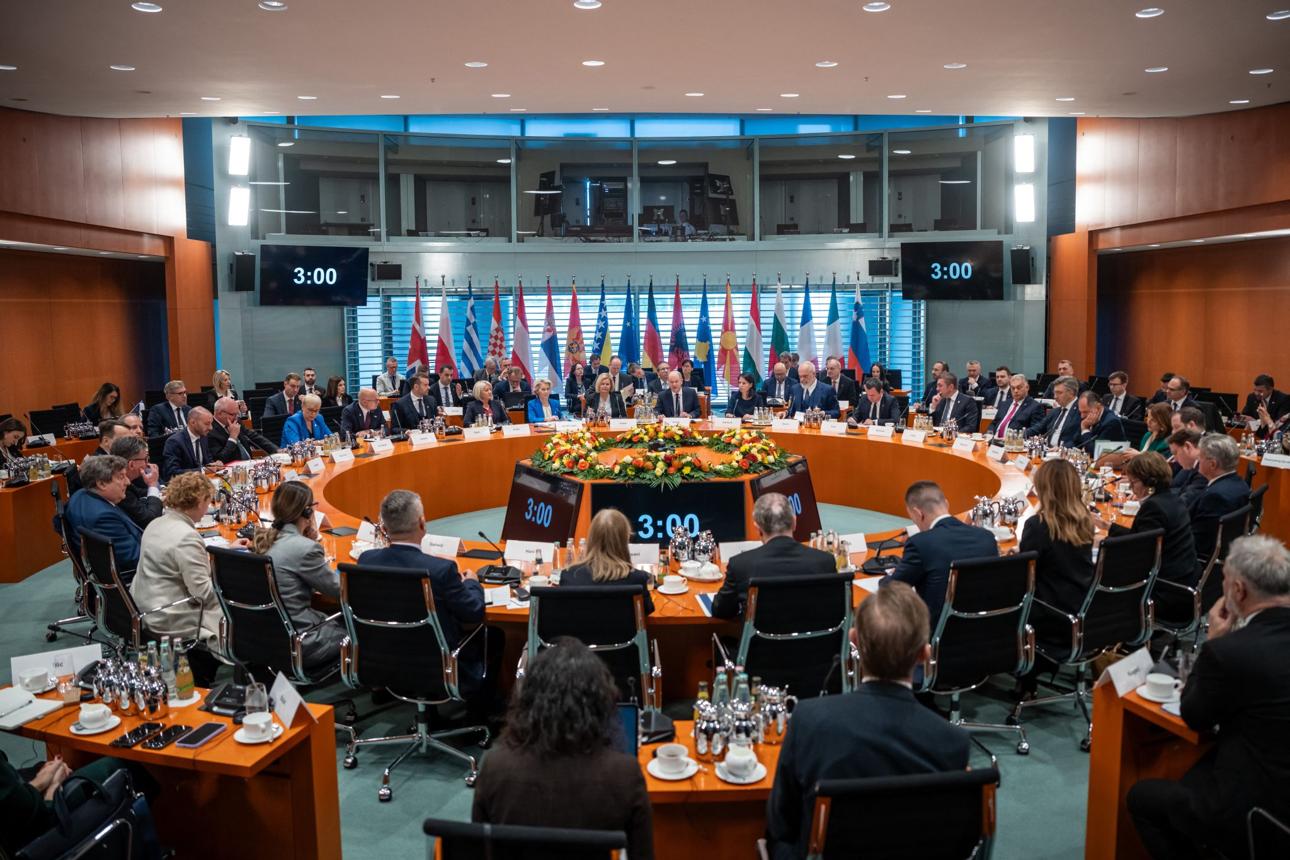
Western Balkan governments and Germany have committed to a work plan for those classed as “vulnerable” groups, such as Roma.
They formally named Roma as a target group for active labour market measures.
The Roma Foundation for Europe, whose close collaboration with the Montenegrin government secured the inclusion, welcomed the move and has now called on participating governments to “move from commitment to funded implementation.”
Monday’s Ministerial is the first time ministers of labour from the Western Balkans Six have gathered under the Berlin Process framework, a platform for high-level cooperation between the Western Balkan states and European partners to support the region’s EU integration path.
The Work Plan covers ten areas of cooperation and runs until May 2028.
Its adoption marks a shift in the Berlin Process from political declarations to sectoral commitments — with line ministries now taking direct ownership.
The Roma employment entry commits governments to exchanging good practices on employment programmes for vulnerable groups, with Roma as a national minority explicitly named alongside women, older workers and people with disabilities.
Commenting, Zeljko Jovanovic, president of the Roma Foundation for Europe, said, “The economic case is clear: closing the Roma employment gap in the Western Balkans would generate between €680 million and €2.08 billion in productivity gains per year across the six countries, with fiscal returns — taxes and reduced social assistance — of €139 million to €481 million annually.
“The region cannot afford to leave that on the table,” said Jovanovic.
Western Balkan economies, including Albania, a frontrunner to join the EU by 2030, face growing labour shortages and ageing workforces.
At the same time, 56 per cent of Roma aged 15–24 are not in education, employment or training.
Roma are already citizens, already speak local languages and are rooted in local communities.
Activating this workforce is not a question of charity — it is a condition for the region’s economic competitiveness and its EU integration path.
The Berlin Process Work Plan, for the first time, treats it as such.
Approximately 66,000 formal jobs need to be created across the Western Balkans to close the Roma employment gap — a figure governments acknowledged at the Tirana Ministerial last year. The Work Plan is the framework. Funded active labour market programmes are the next step.
The Ministerial falls less than a week before Roma Resistance Day on 16 May — the date Roma communities across Europe mark the armed uprising against deportation in Auschwitz-Birkenau in 1944. The timing is a reminder that Roma are not only a community shaped by historical persecution but an active force in Europe’s economic and political future.
Jovanovic added, “For the first time, ministers of labour in the Western Balkans have put Roma employment on the same table as skills, social dialogue and labour rights where they belong.
“This is not a symbolic gesture — it is a formal government commitment under a framework that feeds directly into EU accession. The region needs this workforce.
“Now governments must fund the programmes to reach it.”
The meeting’s outcomes reflects what the Work Plan already contains: Roma are named as a target group for active labour market measures. That is seen as a signal that political will is catching up with the economic evidence. The next step is funded implementation — beginning with programmes that go beyond temporary public works and reach Roma communities in sustainable employment.
Jovanovic: “Governments have made the technical commitment; the political conclusions should reflect it. We call on Berlin Process participants to close that gap.”
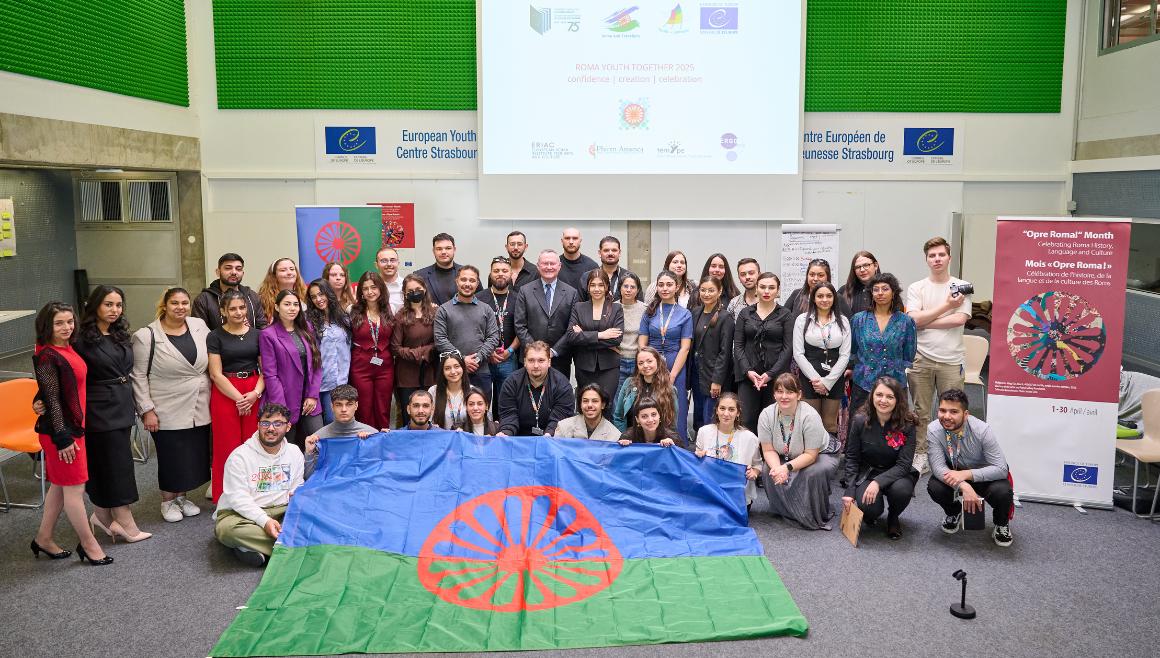
The Roma Foundation for Europe is a Brussels-based foundation working to “strengthen Roma agency and build a resilient Europe.”