BRUSSELS, Belgium – May 12, 2026 – Brussels Morning Newspaper — European healthcare crisis concerns escalated this week after the European Union reached a provisional agreement designed to reduce shortages of essential medicines across Europe. European officials described the agreement as a major step toward stabilizing healthcare systems facing growing pressure from supply chain disruptions, pharmaceutical shortages, and increasing patient demand.
The agreement focuses on strengthening medicine production inside Europe, improving emergency healthcare coordination, and reducing dependence on overseas pharmaceutical suppliers. EU policymakers believe the measures could help protect healthcare systems from future disruptions involving antibiotics, insulin, cancer treatments, and emergency medications.
Healthcare experts say the latest agreement reflects growing political concern that Europe’s medical infrastructure remains vulnerable to global instability, transportation disruptions, and manufacturing delays.
A senior European health official stated,
“Europe cannot continue depending on fragile international supply systems for life-saving medicines. Healthcare security must become a long-term strategic priority.”
Europe’s Healthcare Supply Situation 2026
Key Facts
- EU nations continue reporting shortages of essential medicines
- Antibiotics and respiratory drugs remain among the most affected
- Hospitals across Europe face rising operational pressure
- Pharmaceutical supply disruptions increased after the pandemic
- Europe remains heavily dependent on foreign drug ingredients
Medicines Most Impacted
- Antibiotics
- Insulin products
- Cancer treatments
- Pediatric medicines
- Emergency respiratory medications
Main Causes Behind the Crisis
- Global supply chain disruptions
- Manufacturing delays
- Rising healthcare demand
- Geopolitical instability
- Dependence on overseas pharmaceutical production
EU Response Measures
- Expanding local pharmaceutical production
- Strengthening emergency medicine reserves
- Improving shortage monitoring systems
- Increasing coordination between member states
- Enhancing healthcare preparedness plans
Long-Term Goals
- Reduce medicine shortages
- Improve healthcare resilience
- Increase supply chain transparency
- Protect hospitals during emergencies
- Strengthen European pharmaceutical independence
European Leaders Push for Pharmaceutical Independence
The European healthcare crisis has intensified debate regarding Europe’s dependence on pharmaceutical imports from Asia, particularly China and India. Many active pharmaceutical ingredients used in essential medications are manufactured outside Europe, creating vulnerabilities during international emergencies or trade disruptions.
European officials now view pharmaceutical security as part of broader economic and national security planning. The provisional agreement seeks to encourage investment in domestic manufacturing while improving coordination between healthcare agencies and governments.
Under the proposed system, pharmaceutical companies could face stricter reporting requirements when production delays or shortages occur. Regulators believe earlier warnings would allow hospitals and pharmacies to prepare before supply problems worsen.
The European healthcare crisis has become increasingly visible during seasonal illness surges, when healthcare systems face spikes in demand for antibiotics and respiratory treatments.
Healthcare analysts warn that aging populations and workforce shortages are placing additional pressure on hospitals already struggling with limited resources.
Hospitals and Pharmacies Continue Facing Operational Pressure
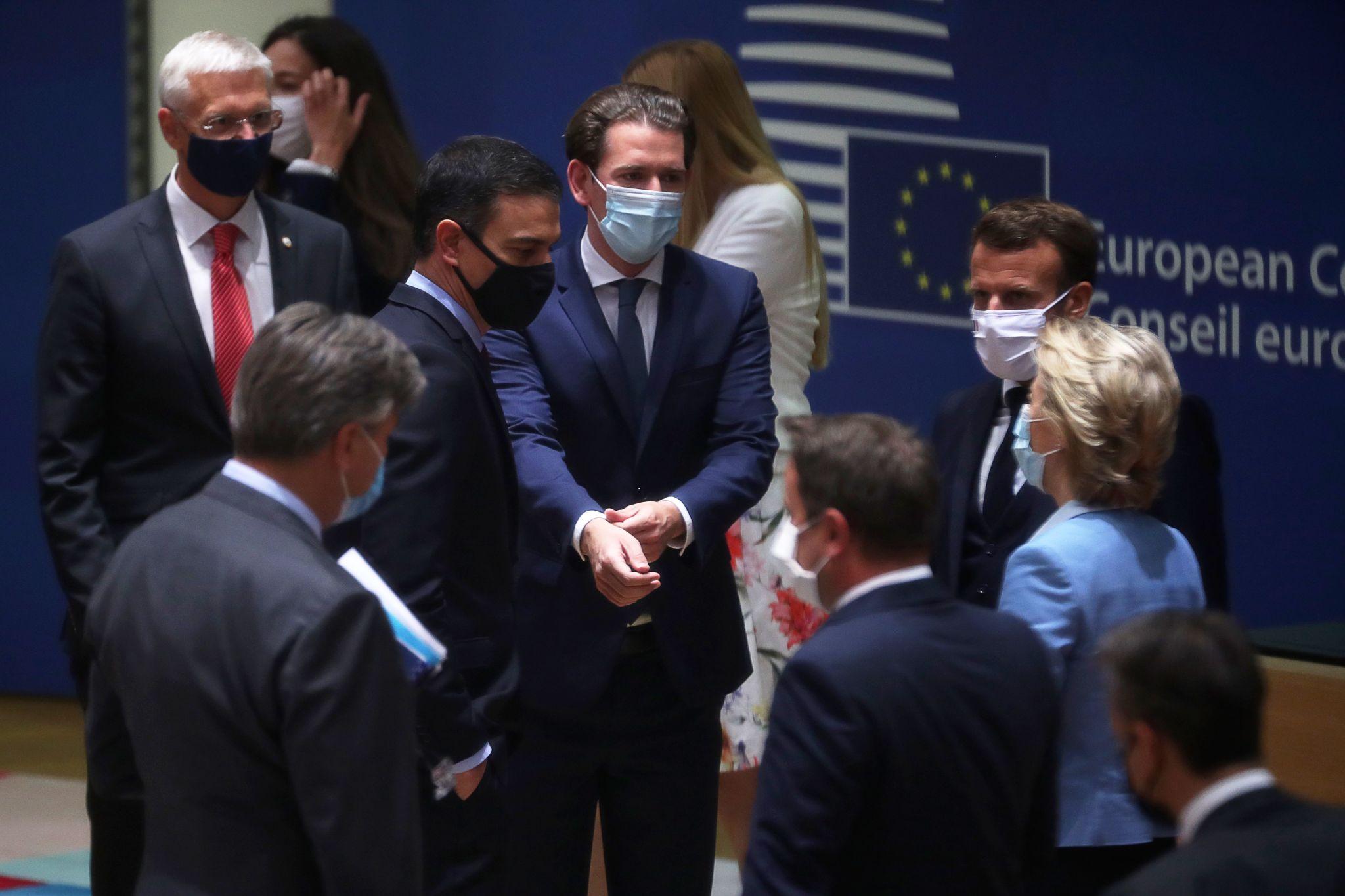
Across Europe, pharmacists and healthcare providers continue reporting shortages involving critical medications. In some regions, hospitals have been forced to delay treatments or switch patients to alternative medicines because of unavailable supplies.
The provisional agreement aims to improve emergency coordination between EU member states to prevent competition for limited medicine inventories during healthcare crises.
Medical experts argue that shortages create financial strain while also increasing risks for vulnerable patients requiring long-term treatment.
One healthcare policy specialist said, “Medicine shortages are becoming a structural problem instead of temporary disruptions.”
The European healthcare crisis has also increased concerns regarding patient confidence in healthcare systems and public institutions.
Healthcare organizations are urging European governments to move quickly from negotiations toward practical implementation of the proposed measures.
Pharmaceutical Industry Faces Growing Regulatory Pressure
The pharmaceutical industry may experience significant changes under the new European framework. EU leaders want manufacturers to diversify supply sources while improving contingency planning for emergencies.
Some policymakers support financial incentives designed to encourage local pharmaceutical production inside Europe. Others warn that excessive regulation could increase operational costs and slow investment.
Industry leaders acknowledge the importance of healthcare security but caution that rebuilding domestic production capacity requires major long-term funding commitments.
The European healthcare crisis continues influencing broader debates involving healthcare spending, inflation, and industrial policy throughout Europe.
A pharmaceutical analyst commented,
“Europe wants secure medicine supplies, but achieving that goal will require balancing affordability with long-term investment.”
Public Healthcare Systems Face Rising Expectations
The healthcare debate has expanded beyond medicine shortages into broader concerns involving hospital staffing, emergency preparedness, and healthcare funding.
European leaders believe stronger healthcare resilience is essential for maintaining public trust during periods of economic uncertainty and geopolitical instability.
The provisional agreement reflects lessons learned during the COVID-19 pandemic, when healthcare systems across Europe struggled to secure protective equipment and essential medicines.
The European healthcare crisis remains a major political issue as governments attempt to strengthen healthcare infrastructure while managing financial pressures.
Healthcare economists say medicine shortages can also increase treatment costs when hospitals are forced to purchase alternative medications at higher prices.
History of Europe’s Healthcare Supply Challenges
The roots of the current European healthcare crisis became highly visible during the pandemic, but concerns regarding pharmaceutical dependency existed long before COVID-19 disrupted global supply chains.
European regulators previously warned that excessive reliance on overseas manufacturing created strategic vulnerabilities for healthcare systems. Shipping disruptions, rising energy costs, and labor shortages later intensified those concerns.
Recent geopolitical tensions and transportation bottlenecks further exposed weaknesses in Europe’s healthcare supply infrastructure.
The provisional agreement represents part of a broader European effort to improve strategic autonomy in sectors considered essential for long-term stability.
EU Officials Focus on Future Healthcare Stability
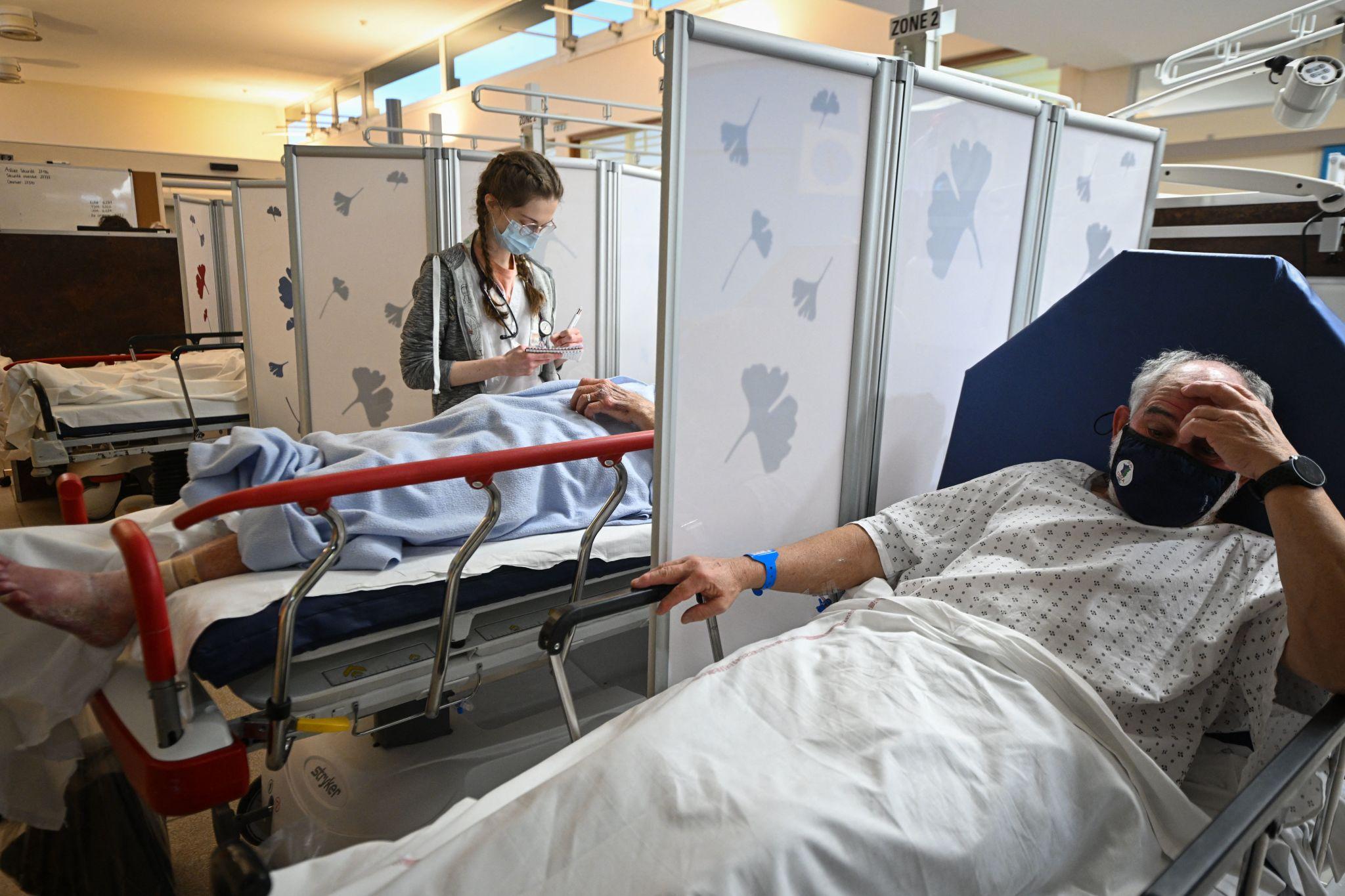
European officials say the latest agreement is only the beginning of a broader healthcare resilience strategy expected to evolve throughout 2026 and beyond.
Future proposals could include larger emergency medicine reserves, faster regulatory approvals during shortages, and increased pharmaceutical investment incentives.
The European healthcare crisis is expected to remain central to political and economic discussions across Europe as governments work to strengthen healthcare preparedness.
One EU official stated,
“Healthcare resilience is no longer optional. It has become a core strategic responsibility for Europe.”
EU Officials Push for Long-Term Healthcare Security
The European Union’s provisional medicines agreement marks a significant attempt to address rising healthcare concerns across Europe in 2026. Officials hope the measures will improve pharmaceutical supply stability, reduce medicine shortages, and strengthen healthcare resilience throughout member states.
While challenges involving implementation and funding remain, the agreement signals growing recognition that healthcare security is now deeply connected to economic stability and public confidence across Europe.