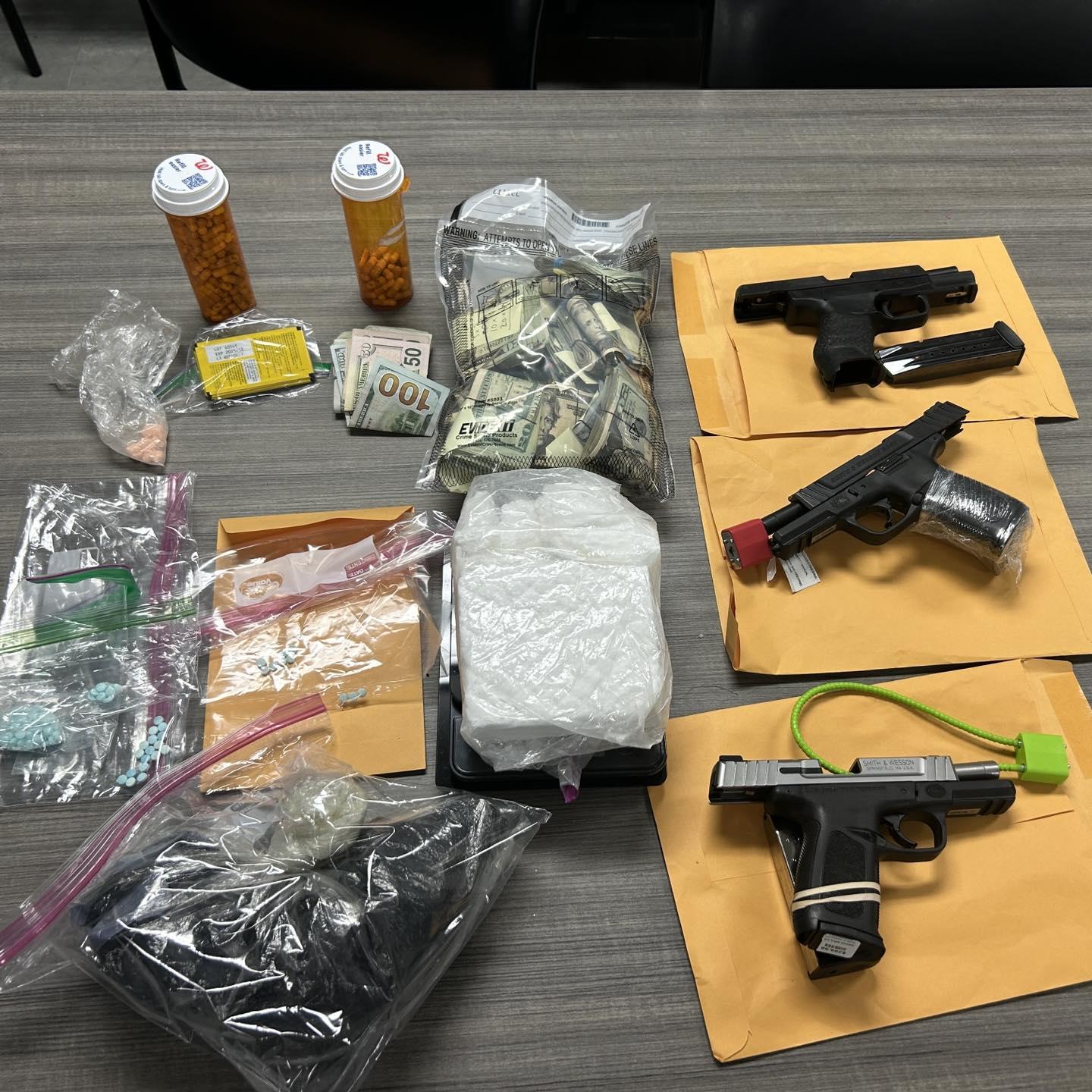
BEIJING, China — May 11, 2026 — Brussels Morning Newspaper highlights how China US cooperation moved into international focus after authorities from both countries reportedly coordinated during a large anti-drug investigation targeting an international narcotics smuggling network.
According to officials familiar with the investigation, law enforcement agencies exchanged intelligence, tracked financial activity, and monitored international communications connected to organized trafficking operations.
Analysts believe the China US cooperation case represents an important development because relations between Beijing and Washington have remained strained over trade disputes, military concerns, cybersecurity tensions, and technology restrictions.
Despite political disagreements, both governments continue viewing organized narcotics trafficking as a shared international security threat requiring multinational coordination.
One international security analyst stated:
“Criminal organizations operate globally, which forces governments to cooperate regardless of political disagreements.”
International Drug Trafficking Investigation Expands
Authorities reportedly arrested five individuals believed to be connected to a broader narcotics smuggling operation involving cross-border transportation systems and financial transactions.
The China US cooperation investigation allegedly focused on identifying trafficking routes, digital communication networks, and suspicious financial activity tied to organized criminal groups.
Investigators reportedly reviewed shipping records, online communication systems, and cross-border banking activity before moving forward with coordinated arrests.
Chinese officials described the operation as part of wider efforts to strengthen international anti-drug enforcement partnerships and improve cross-border intelligence sharing.
American authorities also emphasized the importance of global cooperation as criminal organizations increasingly operate across multiple jurisdictions.
Beijing and Washington Continue Security Coordination
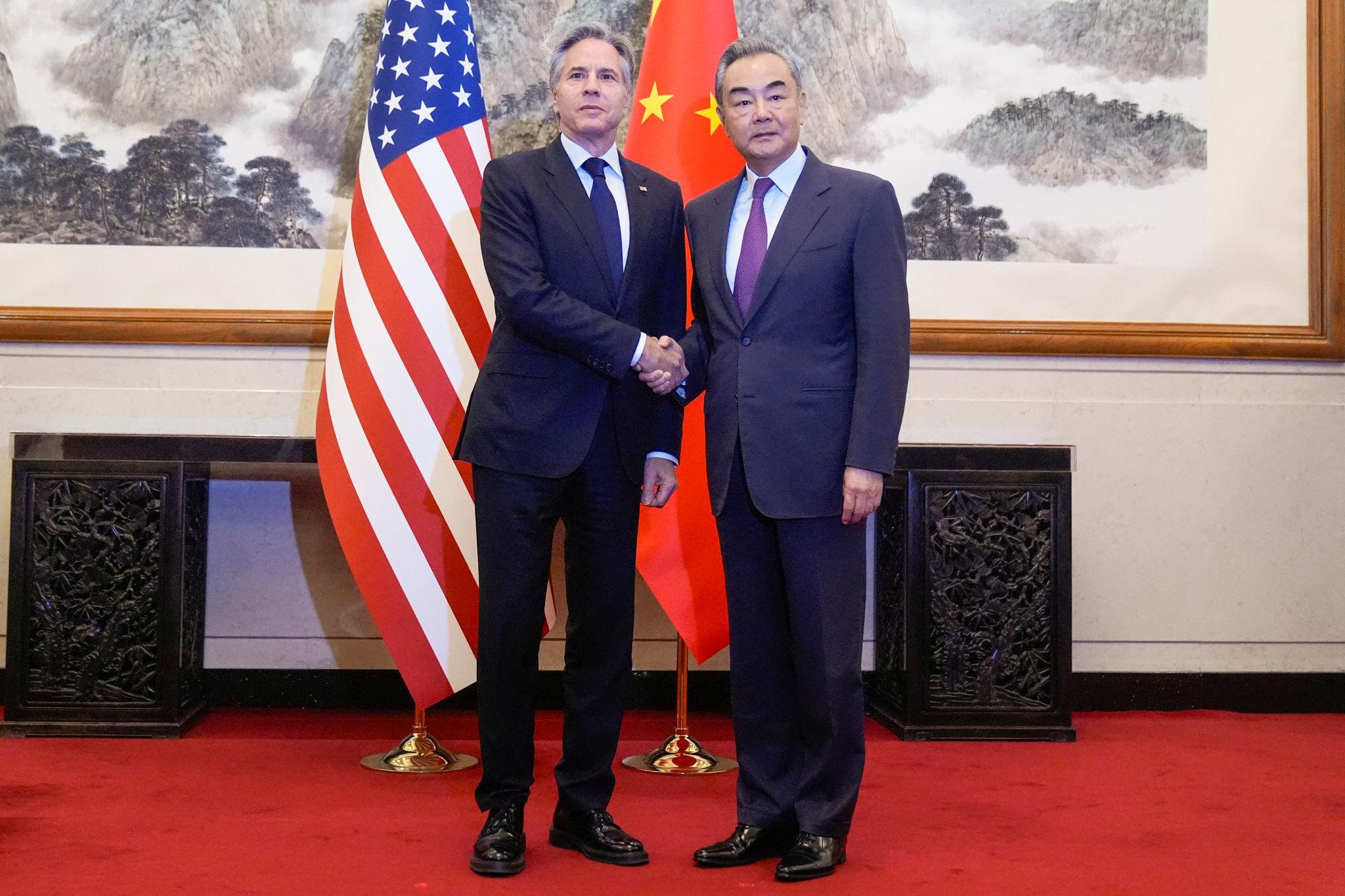
The latest China US cooperation operation has attracted attention because direct coordination between both governments on sensitive law enforcement issues remains relatively uncommon during periods of geopolitical tension.
Relations between the United States and China have faced increasing pressure in recent years involving military competition, trade policy disputes, artificial intelligence restrictions, and regional security concerns in Asia.
However, security analysts say both governments recognize that international narcotics trafficking remains a growing threat affecting public safety and financial stability worldwide.
A foreign policy expert commented:
“Shared security threats can create limited areas of cooperation even when broader diplomatic relations remain difficult.”
The investigation is now being viewed as an example of how practical security concerns may still encourage collaboration between major world powers.
Global Narcotics Networks Use Advanced Technology
Law enforcement agencies worldwide continue warning that organized trafficking groups are becoming increasingly sophisticated through the use of cryptocurrency systems, encrypted communications, and digital financial tools.
The China US cooperation investigation reportedly included cyber intelligence analysis, financial monitoring systems, and digital surveillance technologies designed to identify suspicious patterns connected to trafficking operations.
Experts believe criminal organizations increasingly rely on advanced technology to move illegal substances, launder money, and coordinate international logistics without detection.
Governments across Asia, Europe, and North America are responding by investing heavily in artificial intelligence systems, customs monitoring infrastructure, and multinational intelligence-sharing programs.
Security specialists believe future anti-drug operations will depend even more heavily on digital monitoring technologies and cross-border cooperation.
Historical Context Behind US-China Security Relations
Although diplomatic tensions often dominate headlines, China US cooperation has occurred periodically in areas involving public safety, anti-terrorism efforts, and international criminal investigations.
During previous decades, both countries occasionally collaborated on narcotics enforcement, financial crimes, and regional security concerns despite broader political disagreements.
However, increasing geopolitical competition during recent years reduced many areas of direct operational coordination between Beijing and Washington.
The latest anti-drug investigation is now being viewed by analysts as one of the more visible recent examples of practical cooperation between both governments.
Some experts believe security coordination may continue in limited areas where mutual interests align.

Public Reaction Spreads Across Global Media
News of the arrests quickly spread internationally, with many observers describing the operation as a rare example of successful multinational law enforcement cooperation involving two major global powers.
Supporters praised the China US cooperation effort as evidence that international coordination remains possible when confronting organized crime and narcotics trafficking.
Others argued that criminal organizations continue expanding globally despite aggressive enforcement strategies.
Public safety advocates also emphasized the importance of combining enforcement operations with addiction treatment programs, prevention initiatives, and financial investigations targeting organized criminal networks.
A narcotics policy specialist explained:
“Enforcement alone cannot solve global trafficking problems. Governments must also address demand, financial crimes, and prevention strategies.”
Future Investigations Could Expand Internationally
Authorities reportedly continue reviewing evidence connected to the China US cooperation investigation, raising the possibility of additional arrests or expanded international enforcement actions.
Investigators believe the five suspects may have links to wider trafficking systems operating across several regions worldwide.
Experts say multinational narcotics investigations frequently continue long after initial arrests because authorities must analyze financial records, communication systems, and business relationships tied to organized criminal operations.
Additional countries could eventually become involved if investigators uncover broader international connections linked to the smuggling network.