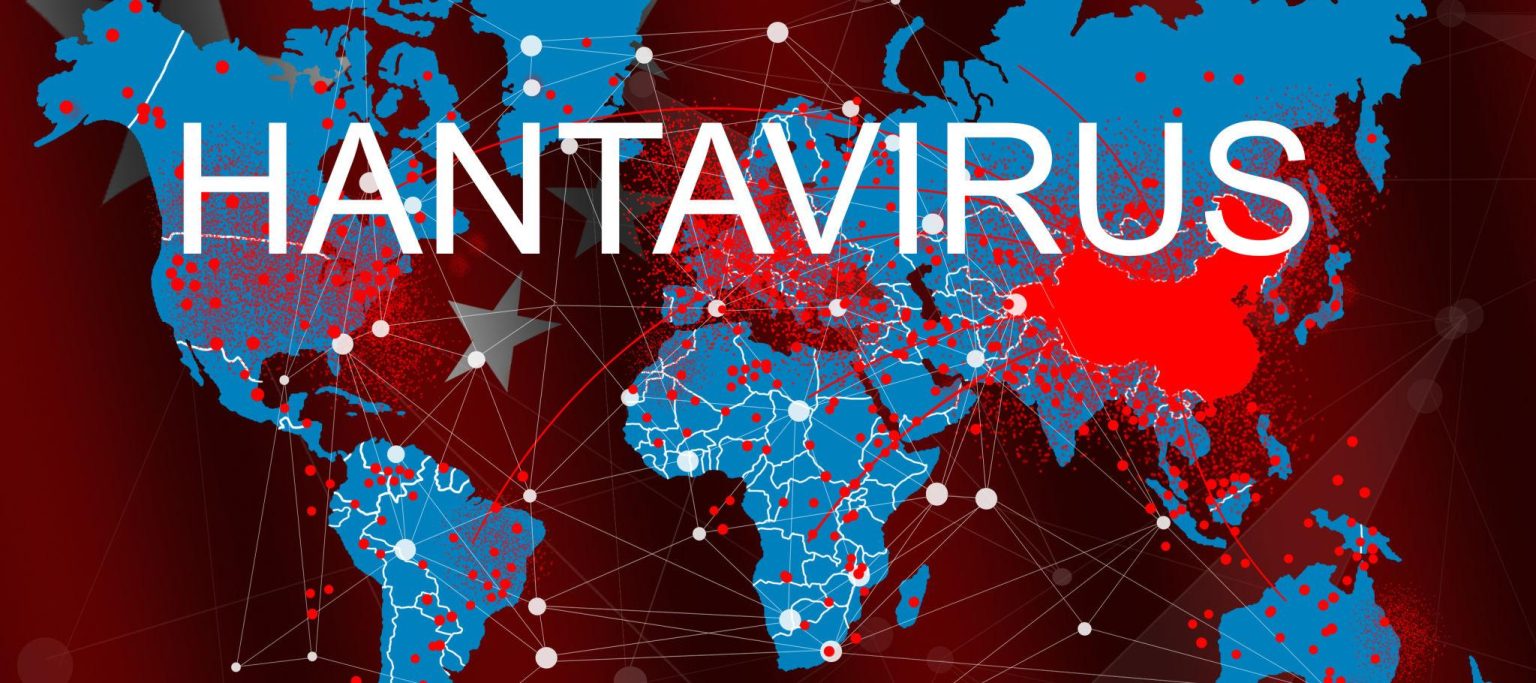
Remote Island — May 8, 2026 – Brussels Morning Newspaper — A New hantavirus case suspected in a remote island community has triggered an expanded public health response as authorities continue emergency monitoring and contact tracing operations linked to the possible infection.
- Contact tracing operations continue across affected areas
- Symptoms linked to the suspected hantavirus infection
- Public health teams focus on rodent exposure risks
- Healthcare preparedness reviewed amid island concerns
- History of hantavirus investigations and global monitoring
- Disease surveillance expands as investigation remains active
- Why infectious disease alerts receive international attention
- Investigation remains under active monitoring
Health officials confirmed that a patient showing symptoms associated with hantavirus was transferred for medical evaluation after developing respiratory complications. The incident immediately prompted investigators to examine possible exposure pathways connected to rodent contamination.
Authorities stated that laboratory confirmation remains pending, but precautionary measures were activated quickly due to the seriousness of hantavirus-related illnesses.
The island’s isolated location has increased concern among emergency planners because limited healthcare infrastructure may complicate rapid response efforts if additional infections are identified.
“Rapid identification and immediate medical attention are critical during any suspected hantavirus investigation,”
a regional health official stated during a briefing.
Officials emphasized that no widespread outbreak has been confirmed at this time.
Contact tracing operations continue across affected areas
The New hantavirus case suspected investigation expanded significantly after emergency teams began interviewing residents and reviewing locations connected to the patient’s recent movements.
Health workers are currently tracing interactions involving:
- Family members
- Transportation staff
- Medical personnel
- Local business workers
- Nearby residents
Officials said contact tracing remains essential for identifying individuals who may require monitoring for flu-like or respiratory symptoms.
Environmental inspection teams have also started evaluating storage buildings, cabins, utility structures, and enclosed facilities where rodent activity may have occurred.
Authorities urged residents to cooperate fully with investigators while avoiding panic or misinformation.
“Community cooperation is helping investigators move quickly and reduce uncertainty surrounding potential exposure risks,”
a public health spokesperson said.
Symptoms linked to the suspected hantavirus infection
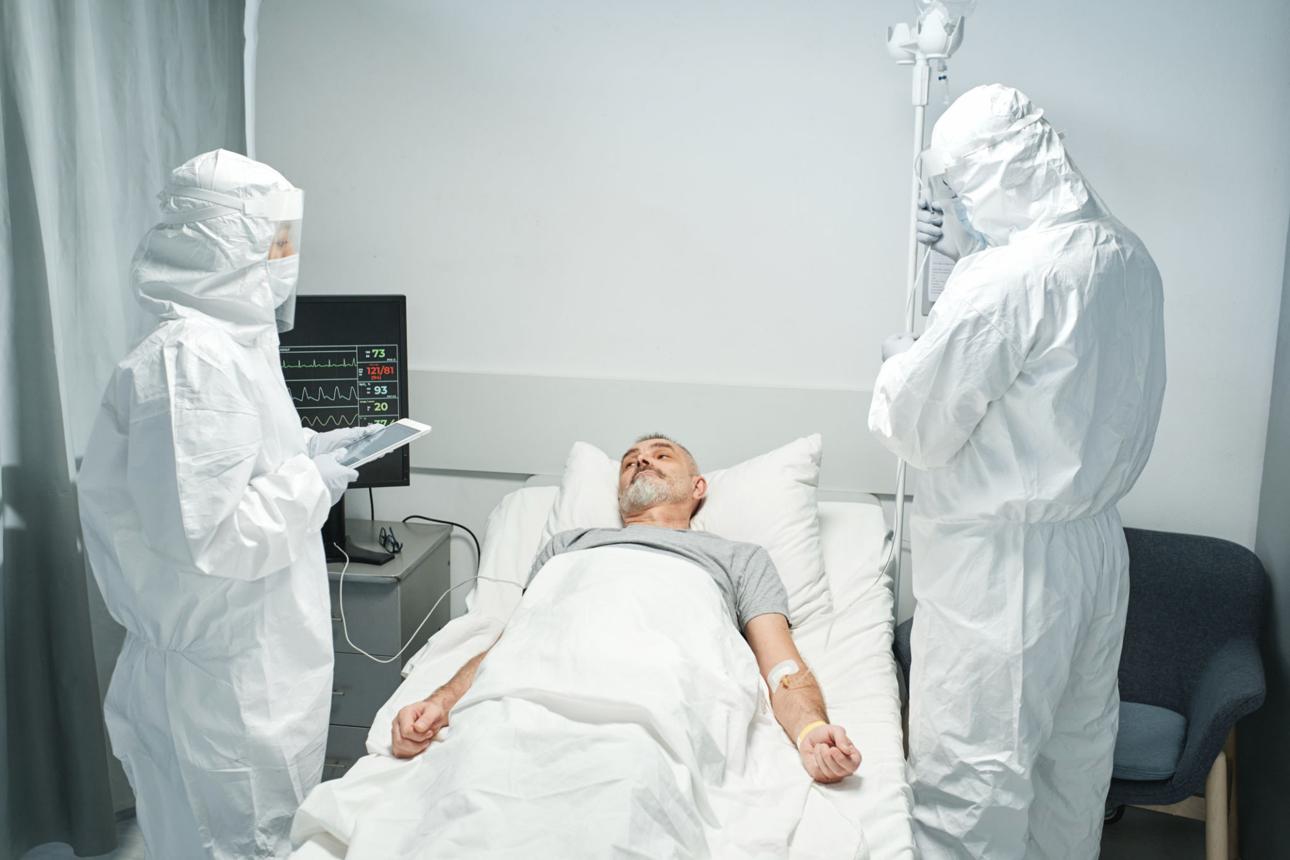
Medical professionals involved in the New hantavirus case suspected response stated that the patient initially displayed symptoms similar to influenza before respiratory complications reportedly worsened.
Common hantavirus symptoms may include:
- Fever
- Fatigue
- Muscle pain
- Chills
- Nausea
- Headaches
- Shortness of breath
- Chest tightness
Healthcare providers across the surrounding region have been instructed to remain alert for unusual respiratory illnesses that could match suspected hantavirus infections.
Experts warned that symptoms may escalate rapidly in severe cases, increasing the importance of early diagnosis and treatment.
Public health teams focus on rodent exposure risks
Authorities investigating the New hantavirus case suspected incident believe environmental exposure remains a primary concern.
Hantavirus infections are commonly associated with contact involving rodent urine, saliva, or droppings. Experts say enclosed spaces containing contaminated particles may increase infection risks when disturbed during cleaning activities.
Public health agencies have now distributed updated sanitation guidance encouraging residents to:
- Seal food containers
- Eliminate rodent access points
- Improve ventilation in enclosed spaces
- Wear protective equipment during cleanup activities
- Avoid disturbing contaminated materials without protection
Environmental specialists are also collecting samples from locations connected to the ongoing investigation.
“Preventive sanitation and rodent control remain the strongest defenses against hantavirus exposure,”
an infectious disease specialist stated.
Healthcare preparedness reviewed amid island concerns
The New hantavirus case suspected investigation has also highlighted healthcare preparedness challenges facing remote communities.
Emergency planners acknowledged that transportation delays and limited laboratory capabilities may affect response speed in isolated regions.
Authorities coordinated with mainland healthcare providers to prepare emergency evacuation and patient transfer procedures if conditions worsen or additional infections emerge.
Medical supply inventories, protective equipment reserves, and emergency communication systems are also being reviewed during the ongoing response effort.
Officials stressed that precautionary planning is standard during infectious disease investigations involving respiratory symptoms.
History of hantavirus investigations and global monitoring
The New hantavirus case suspected incident has renewed international attention on previous hantavirus investigations and the importance of modern disease surveillance systems.
Health experts often reference earlier outbreaks identified in rural and isolated regions where rodent populations increased due to environmental changes or abandoned infrastructure.
Public awareness of hantavirus expanded significantly during the 1990s after respiratory illness clusters were linked to rodent exposure in remote communities.
Since then, global health agencies have strengthened monitoring systems designed to detect unusual respiratory illnesses quickly and coordinate emergency responses more effectively.
Experts say isolated communities remain particularly vulnerable because geographic limitations can slow medical intervention and laboratory analysis during active investigations.
The 2026 island investigation is now being closely monitored by public health analysts worldwide.

Disease surveillance expands as investigation remains active
Regional health agencies confirmed that disease surveillance operations linked to the New hantavirus case suspected response have expanded throughout nearby communities.
Hospitals and clinics were instructed to immediately report patients experiencing unexplained respiratory symptoms or severe flu-like illness.
Environmental monitoring efforts are also increasing near:
- Transportation centers
- Storage facilities
- Utility structures
- Rural housing areas
- Abandoned buildings
Officials stated that the response remains precautionary while awaiting final laboratory confirmation.
Authorities continue encouraging residents to rely on official updates rather than social media rumors or speculation.
Why infectious disease alerts receive international attention
The New hantavirus case suspected investigation has attracted global attention because isolated infectious disease incidents often highlight vulnerabilities in emergency preparedness systems.
Health experts say remote communities can face unique challenges involving:
- Limited medical access
- Slower emergency transportation
- Reduced testing capabilities
- Geographic isolation
Public health analysts also note that zoonotic diseases — infections transmitted between animals and humans — remain an increasing area of global concern.
While officials continue emphasizing that no major outbreak has been declared, the investigation demonstrates how aggressively modern surveillance systems now respond to possible infectious disease threats.
Investigation remains under active monitoring
The New hantavirus case suspected investigation continues as health officials expand contact tracing, environmental inspections, and disease surveillance efforts across the remote island region.
Authorities remain focused on identifying possible exposure sources while awaiting laboratory confirmation connected to the suspected infection.
Public health agencies continue urging residents to remain informed, follow sanitation guidance, and seek medical attention if respiratory symptoms appear.
As emergency teams maintain monitoring operations, experts say the investigation underscores the importance of rapid disease surveillance, community cooperation, and preparedness during emerging public health incidents.