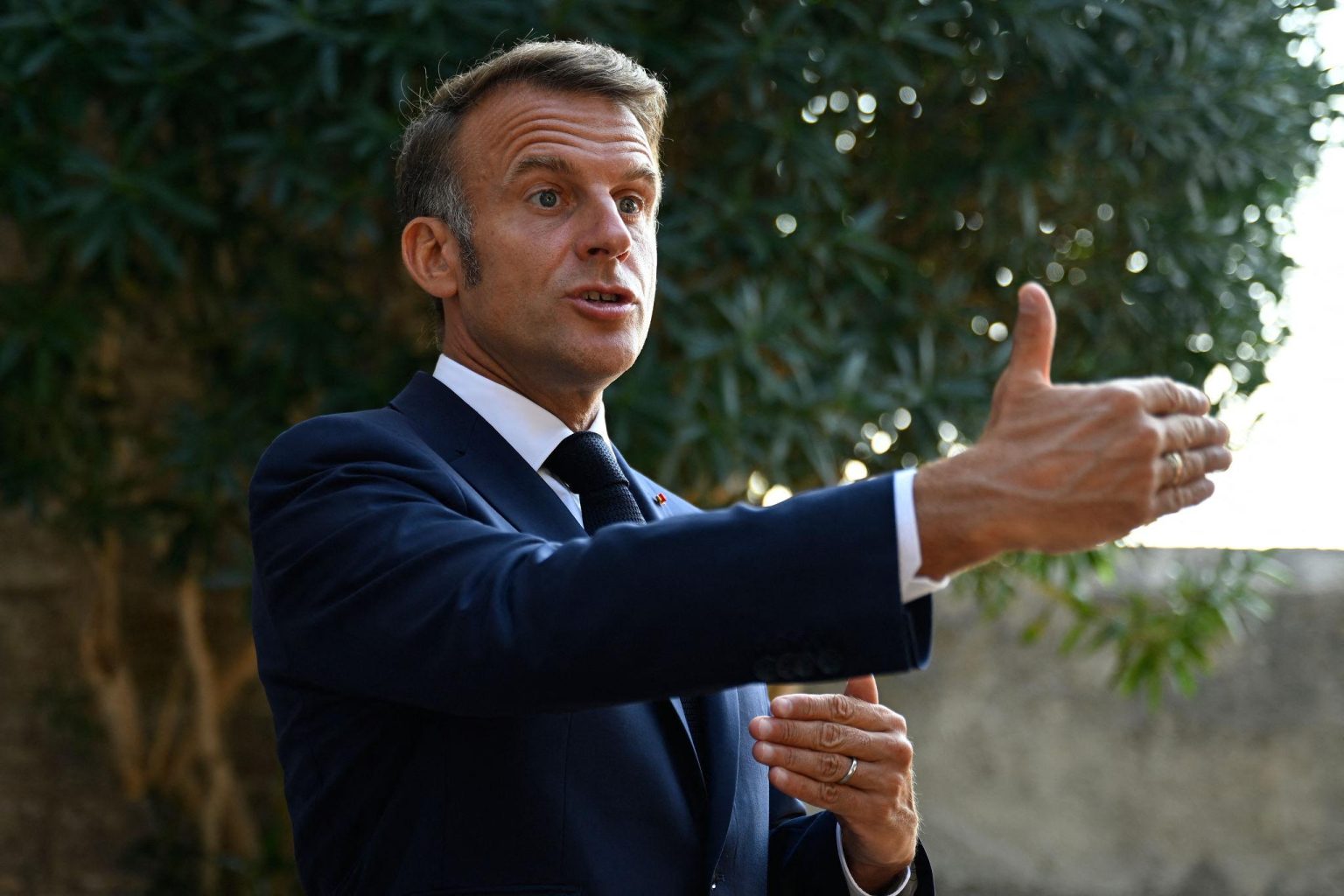
Paris, France – April 25, 2026 — Brussels Morning Newspaper – EU military cooperation has moved to the forefront of global security discussions after Emmanuel Macron declared that Europe’s mutual defense obligations are “unambiguous.” His remarks come at a time of heightened geopolitical tension, signaling a renewed push for unity and coordinated defense across the European Union.
The statement underscores the growing importance of EU military cooperation, as member states confront evolving security threats and shifting global alliances. Macron’s message is being interpreted as both reassurance for allies and a clear warning to potential adversaries.
Macron Reinforces Clarity of Collective Defense Obligations
President Emmanuel Macron emphasized that the framework underpinning EU military cooperation leaves no ambiguity regarding member states’ responsibilities. The commitment requires nations to assist one another in the event of armed aggression, reinforcing the principle of collective security.
His remarks reflect a strategic effort to strengthen trust within the European Union while sending a decisive signal externally. By highlighting the clarity of obligations, Macron aims to eliminate uncertainty and reinforce deterrence.
A senior EU official stated:
“Europe’s defense commitments are firm. There is no hesitation when it comes to supporting one another.”
Strategic Importance of EU Military Cooperation in Modern Security
The concept of EU military cooperation is central to the bloc’s defense strategy, particularly in an era marked by complex and unpredictable threats. From cyber warfare to traditional military conflicts, the need for coordinated action has never been greater.
This cooperation extends beyond military operations to include intelligence sharing, joint training exercises, and coordinated policy decisions. These efforts are designed to enhance readiness and ensure a unified response to any threat.
Macron’s statement reinforces the idea that cooperation is not optional but essential for maintaining stability.
Geopolitical Pressures Driving Unified Action
Recent geopolitical developments have intensified the focus on EU military cooperation. Conflicts in neighboring regions, shifting alliances, and global power dynamics have all contributed to a heightened sense of urgency.
European leaders are increasingly recognizing the need for a cohesive approach to defense. Macron’s remarks highlight this shift, emphasizing that unity is the EU’s strongest asset in addressing external threats.
A defense analyst commented:
“Fragmentation weakens security. Cooperation strengthens it. That is the core message being delivered.”
EU and NATO: Complementary Defense Frameworks
While EU military cooperation is gaining prominence, it operates alongside established alliances such as NATO. The relationship between these frameworks is both complementary and complex.
The EU focuses on regional coordination and policy alignment, while NATO provides broader transatlantic security. Macron’s emphasis on EU capabilities reflects a desire to enhance strategic autonomy while maintaining strong partnerships.
Balancing these roles will be critical as Europe navigates an evolving security landscape.
Policy Implications for Member States
The renewed focus on EU military cooperation carries significant implications for member states. Governments are expected to increase defense spending, enhance military capabilities, and deepen collaboration with partners.
This shift may also lead to greater integration of defense policies and joint initiatives. Macron’s statement serves as a catalyst for these changes, encouraging nations to align their strategies with collective goals.
The emphasis on cooperation is likely to shape defense policies across Europe in the coming years.
Economic and Defense Investment Impact
Strengthening EU military cooperation requires substantial investment in defense infrastructure, technology, and personnel. This has economic implications, as governments allocate resources to meet their commitments.
At the same time, increased defense spending can stimulate economic activity in sectors such as manufacturing and technology. The challenge lies in balancing security needs with fiscal responsibility.
Experts suggest that strategic investment will be key to sustaining both economic stability and defense readiness.
Public and Political Response Across Europe
Macron’s statement has generated a range of reactions across Europe. Many political leaders have welcomed the emphasis on EU military cooperation, viewing it as a necessary step in addressing current challenges.
However, some have raised questions about implementation and the extent of commitments required. These discussions highlight the complexity of achieving consensus among diverse member states.
Public opinion also plays a role, as citizens weigh the benefits of security against the costs of increased defense spending.
Challenges and Risks in Defense Coordination
Despite its importance, EU military cooperation faces several challenges. Differences in national priorities, resource constraints, and political considerations can complicate efforts to achieve full alignment.
Additionally, the evolving nature of threats requires constant adaptation. Ensuring that cooperation remains effective and relevant is an ongoing challenge for policymakers.
Addressing these issues will be essential for maintaining the credibility and effectiveness of the EU’s defense strategy.
History of EU Military Cooperation
The evolution of EU military cooperation can be traced back to efforts to strengthen integration and ensure collective security among European nations. From early defense agreements to the establishment of structured cooperation frameworks, the EU has gradually expanded its capabilities.
The introduction of mutual defense provisions marked a significant milestone, reflecting a commitment to shared responsibility. Macron’s recent remarks reaffirm the importance of this legacy in addressing contemporary challenges.
Understanding this history provides context for the current emphasis on unity and coordination.
Future Outlook for European Defense Strategy
Looking ahead, EU military cooperation is expected to play an increasingly central role in shaping Europe’s defense strategy. Continued investment, policy alignment, and strategic planning will be necessary to address emerging threats.
Macron’s statement may accelerate efforts to strengthen capabilities and enhance coordination among member states. The goal is to ensure that Europe remains prepared for any scenario.
A security expert noted:
“The future of European defense lies in unity. Cooperation is the foundation of resilience.”
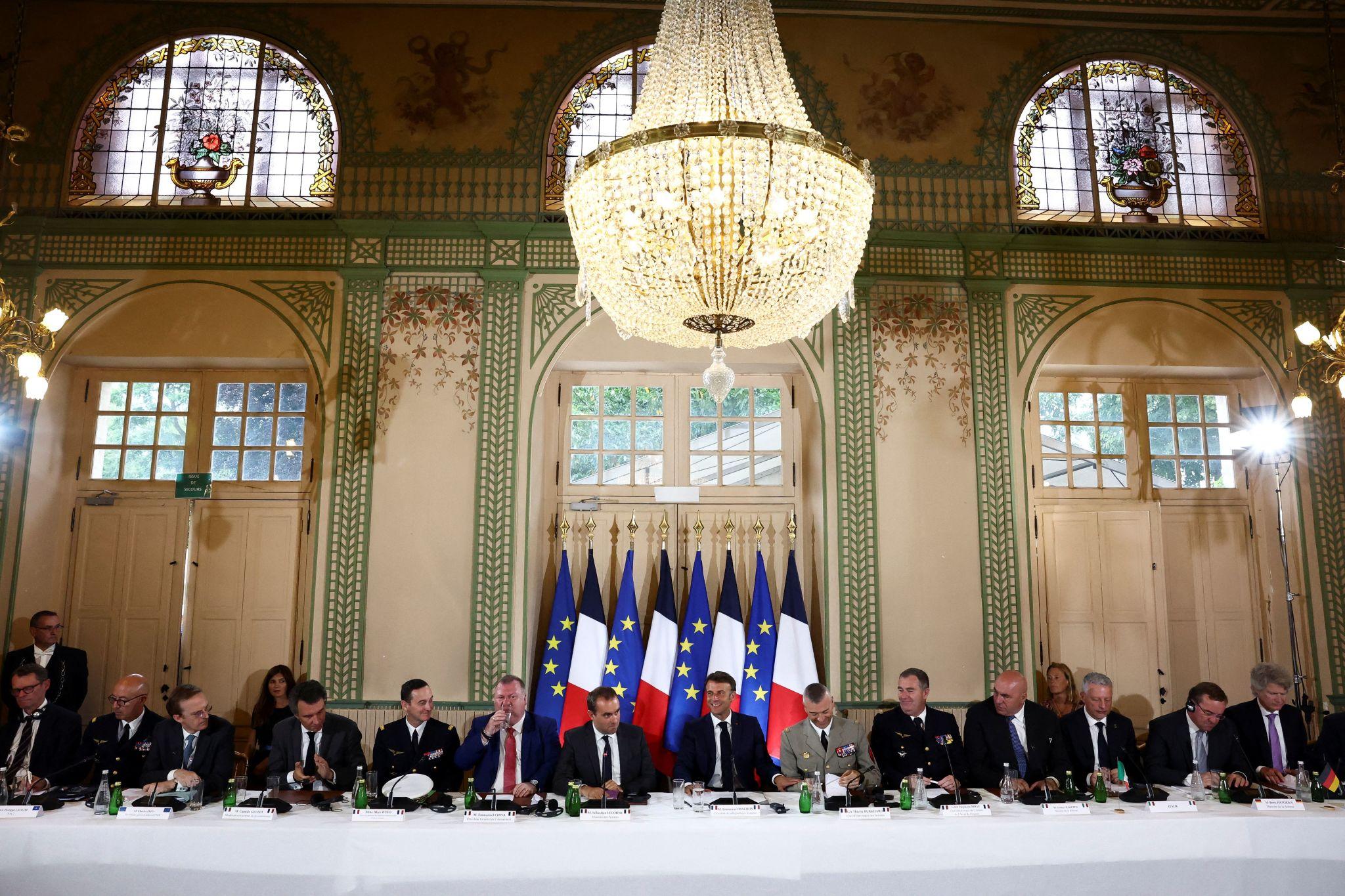
EU military cooperation is gaining urgency as President Emmanuel Macron declares Europe’s defense commitments unambiguous. The statement highlights the importance of unity, strategic alignment, and preparedness in addressing modern security challenges. As geopolitical pressures intensify, the EU is strengthening its collective defense framework to ensure stability and resilience.