
Amsterdam, Netherlands – April 20, 2026 — Brussels Morning Newspaper –Tesla autonomous system trial news is drawing significant interest as Tesla begins supervised testing of its self-driving vehicles on public streets in Amsterdam. The development, reported just 17 minutes ago, marks a key milestone in the evolution of autonomous driving technology.
- Supervised Testing Begins in Urban Environment
- How Tesla’s Autonomous System Operates
- Why Amsterdam Was Selected
- Safety Protocols and Oversight
- Public Reaction to the Trials
- Potential Impact on Transportation
- Regulatory Considerations and Challenges
- Technical Challenges Remain
- What Happens Next?
- A Key Step Toward Autonomous Mobility
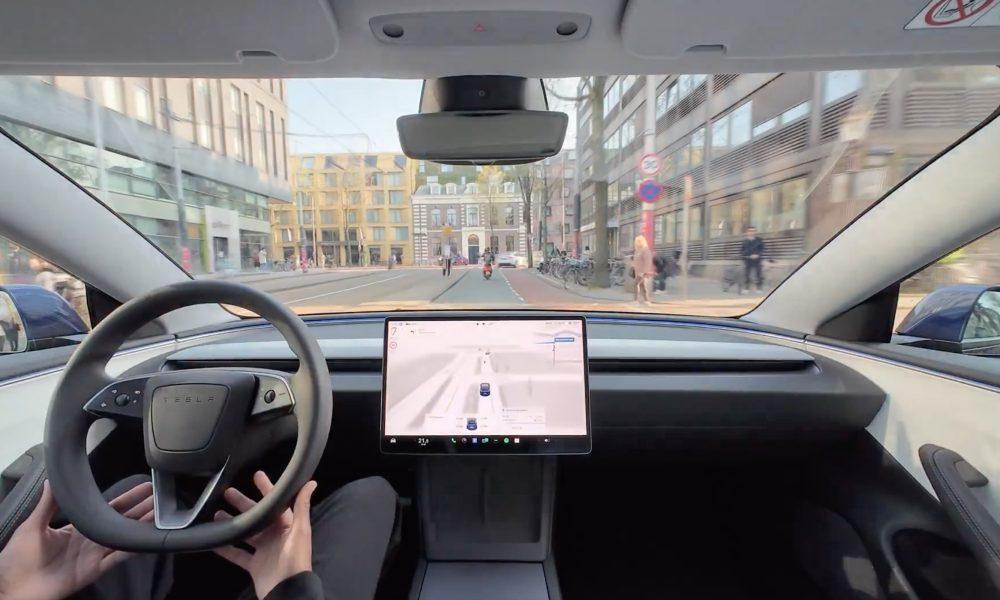
The initiative places trained supervisors inside each vehicle to ensure safety while evaluating real-world performance.
Supervised Testing Begins in Urban Environment
Tesla autonomous system trial news highlights the importance of controlled testing in complex city environments. Amsterdam’s dense traffic, cyclists, and pedestrians make it an ideal location for evaluating system performance.
A project official involved in the trial stated:
“Real-world testing is essential to understanding how autonomous systems behave under unpredictable conditions.”
The supervised approach ensures immediate human intervention if needed.
How Tesla’s Autonomous System Operates
Tesla autonomous system trial news focuses on the advanced technology powering these vehicles. The system relies on a combination of sensors, cameras, and artificial intelligence to interpret surroundings and make driving decisions.
Key capabilities include:
- Real-time object detection
- Navigation through traffic signals
- Adaptive speed control
- Continuous environmental analysis
Despite these advancements, human oversight remains critical during testing.
Why Amsterdam Was Selected
Tesla autonomous system trial news reflects Amsterdam’s role as a leader in smart mobility initiatives. The city offers a challenging environment for autonomous vehicles due to its unique infrastructure.
Key factors include:
- High pedestrian and cyclist activity
- Narrow streets and complex intersections
- Advanced urban planning systems
These conditions provide valuable data for improving system reliability.
Safety Protocols and Oversight
Tesla autonomous system trial news emphasizes the strict safety measures in place during testing. Each vehicle is equipped with systems that allow supervisors to take control instantly.
Safety measures include:
- Designated testing routes
- Real-time monitoring systems
- Emergency override capabilities
These protocols aim to minimize risks while allowing meaningful evaluation.
Public Reaction to the Trials
Tesla autonomous system trial news has generated a range of reactions among Amsterdam residents. Some view the technology as a step toward innovation, while others express concerns about safety.
A local observer commented:
“It’s exciting, but people need to trust that the system can handle real-world situations.”
Public acceptance will play a key role in the future of autonomous vehicles.
Potential Impact on Transportation
Tesla autonomous system trial news suggests that autonomous vehicles could transform urban transportation. If successful, the technology may improve efficiency and reduce accidents caused by human error.
Potential benefits include:
- Improved traffic flow
- Reduced congestion
- Lower emissions through optimized driving
However, these outcomes depend on continued testing and regulatory approval.
Regulatory Considerations and Challenges
Tesla autonomous system trial news also highlights the need for clear legal frameworks. Governments must address issues related to liability and safety standards.
Key challenges include:
- Defining responsibility in accidents
- Establishing performance benchmarks
- Integrating autonomous systems into existing laws
Policymakers are closely monitoring the trials to guide future regulations.
Technical Challenges Remain
Despite progress, Tesla autonomous system trial news reveals ongoing challenges in autonomous driving technology. Urban environments present unpredictable scenarios that can test system capabilities.
Challenges include:
- Interpreting complex human behavior
- Handling unexpected obstacles
- Maintaining consistent performance in varying conditions
Overcoming these issues is essential for widespread adoption.
What Happens Next?
Tesla autonomous system trial news will continue to evolve as testing progresses. Data collected during the trials will inform improvements and future deployment strategies.
Key developments to watch:
- Expansion of testing areas
- Updates to system capabilities
- Regulatory responses
The next phase could determine how quickly autonomous vehicles become mainstream.
A Key Step Toward Autonomous Mobility
Tesla autonomous system trial news marks an important moment in the development of self-driving technology. The supervised trials in Amsterdam provide valuable insights into how these systems perform in real-world conditions.
In summary:
- Tesla autonomous system trial news highlights supervised testing in Amsterdam
- Safety remains a top priority during trials
- Public and regulatory responses will shape future adoption
- The technology has potential to transform transportation
As innovation continues, autonomous systems could redefine how cities approach mobility and infrastructure.