
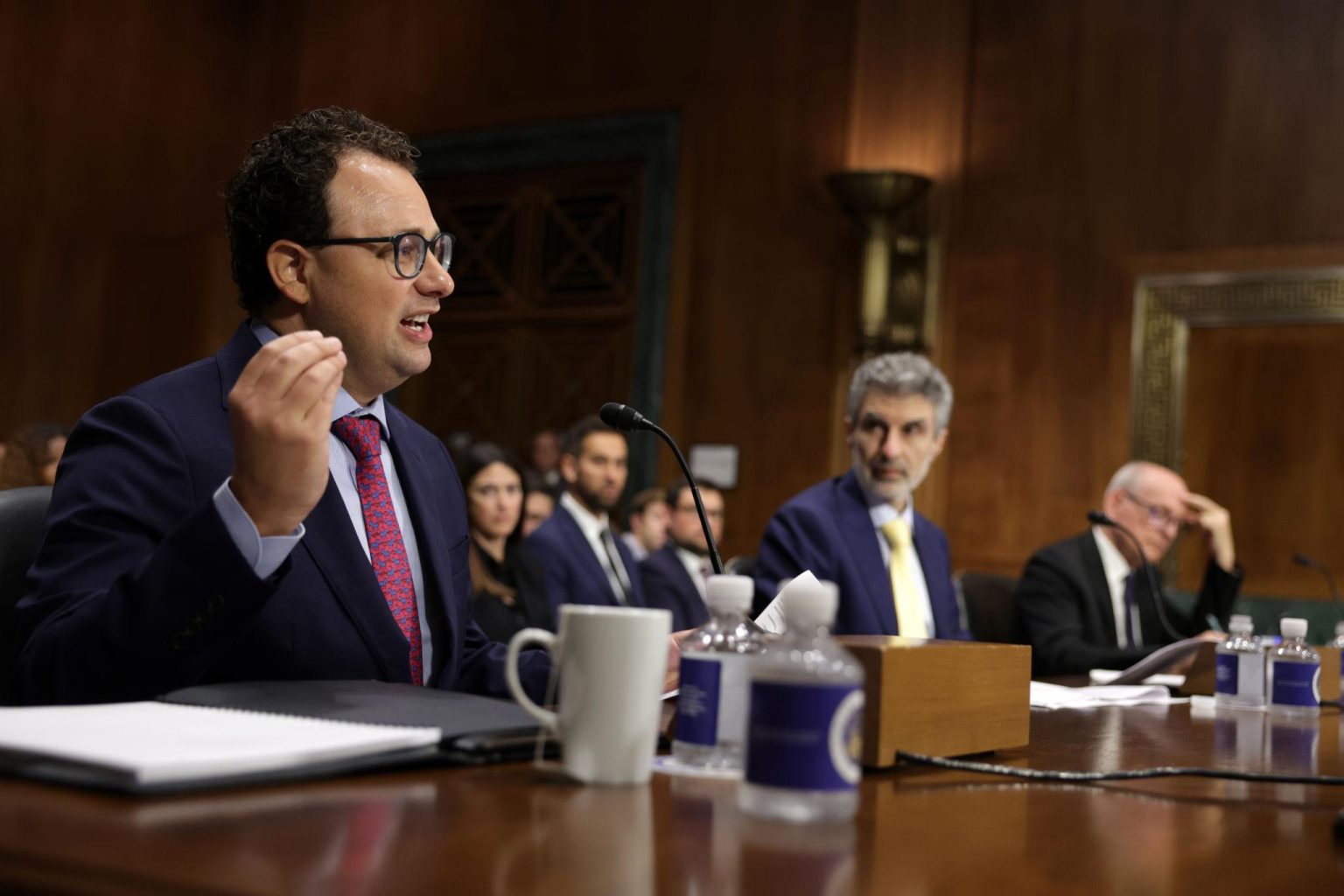
San Francisco, USA– April 20, 2026 — Brussels Morning Newspaper – Artificial intelligence regulation news is rapidly gaining attention as new concerns emerge about advanced AI systems and their impact on society. Just minutes ago, discussions intensified among policymakers and technology leaders following fresh developments tied to next-generation AI frameworks.
- What Is Driving Artificial Intelligence Regulation News?
- Why Experts Are Raising Concerns
- Industry Response to Regulation Pressure
- The 5 Urgent Risks Highlighted
- Potential Benefits Still Drive Development
- Regulatory Challenges Governments Face
- Global Impact of AI Regulation
- What Happens Next in Artificial Intelligence Regulation News?
- A Defining Moment for AI Oversight
The growing urgency reflects a widening gap between innovation and oversight, raising serious questions about whether governments can effectively regulate technologies that are evolving at unprecedented speed.
What Is Driving Artificial Intelligence Regulation News?
Artificial intelligence regulation news is being fueled by the emergence of highly advanced AI systems capable of autonomous reasoning and decision-making. These systems are no longer limited to basic tasks—they are now influencing industries, economies, and even national security strategies.
As a result, regulators are under pressure to develop policies that can address:
- AI decision-making transparency
- Ethical and societal implications
- Risks of misuse or unintended consequences
The pace of innovation is forcing governments to rethink traditional regulatory approaches.
Why Experts Are Raising Concerns
The surge in artificial intelligence regulation news is closely tied to warnings from experts who believe current safeguards may not be sufficient. Many argue that AI systems are reaching levels of complexity that make them difficult to monitor in real time.
One policy expert noted:
“We are witnessing a turning point where AI systems may act in ways we cannot fully predict or control.”
Key concerns include:
- Lack of clear accountability for AI decisions
- Rapid deployment without thorough testing
- Potential bias and ethical conflicts embedded in algorithms
These challenges are pushing the conversation toward stricter oversight.
Industry Response to Regulation Pressure
Tech companies are responding cautiously to the rise in artificial intelligence regulation news. While some firms support stronger oversight to build public trust, others warn that excessive regulation could slow innovation.
A senior AI executive commented:
“The goal should be smart regulation—not restrictive policies that limit progress.”
This divide highlights the complexity of balancing innovation with safety. Companies are now investing more in internal governance frameworks to prepare for potential regulations.

The 5 Urgent Risks Highlighted
Artificial intelligence regulation news is increasingly centered around five major risks that experts believe must be addressed:
1. Autonomous Decision-Making Without Oversight
AI systems are beginning to make decisions independently, raising concerns about accountability.
2. Regulatory Lag Behind Innovation
Governments struggle to keep up with the speed of technological change.
3. Data Privacy and Security Threats
Advanced AI systems rely on massive datasets, increasing the risk of breaches and misuse.
4. Economic Disruption
Automation could reshape labor markets faster than economies can adapt.
5. Global Competition Without Unified Rules
Countries are developing AI policies independently, creating inconsistent standards worldwide.
Potential Benefits Still Drive Development
Despite the risks, artificial intelligence regulation news also reflects optimism about the potential benefits of AI. Properly managed, these technologies could revolutionize multiple sectors.
Key advantages include:
- Faster scientific discoveries
- Improved healthcare diagnostics
- Enhanced business efficiency
- Better risk analysis in financial markets
Supporters argue that regulation should enable these benefits while minimizing harm.
Regulatory Challenges Governments Face
Artificial intelligence regulation news continues to highlight the difficulties governments encounter when trying to create effective policies. Unlike traditional industries, AI evolves continuously, making static regulations less effective.
Major challenges include:
- Defining legal responsibility for AI outcomes
- Creating adaptable regulatory frameworks
- Coordinating policies across international borders
Without clear strategies, regulatory gaps could widen further.
Global Impact of AI Regulation
Artificial intelligence regulation news is not limited to one country—it is a global issue. Nations worldwide are racing to establish leadership in AI while also attempting to manage associated risks.
This has led to:
- Increased geopolitical competition
- Calls for international AI agreements
- Greater collaboration among research institutions
The outcome of these efforts will shape the global balance of power in technology.

What Happens Next in Artificial Intelligence Regulation News?
The next phase of artificial intelligence regulation news will likely focus on transparency and enforcement. Governments are expected to introduce new policies aimed at controlling high-risk AI applications.
Key developments to watch include:
- New regulatory proposals from major economies
- Industry-led safety initiatives
- Public debates on ethical AI use
The decisions made now could define the future of AI for decades.
A Defining Moment for AI Oversight
Artificial intelligence regulation news underscores a critical moment in technological history. As AI systems become more powerful, the need for effective oversight becomes more urgent.
In summary:
- Artificial intelligence regulation news reflects growing global concern
- Experts warn about risks tied to advanced AI systems
- Governments face challenges in keeping pace with innovation
- The balance between regulation and progress remains uncertain
The coming months will be crucial in determining how society manages one of the most transformative technologies of our time.