
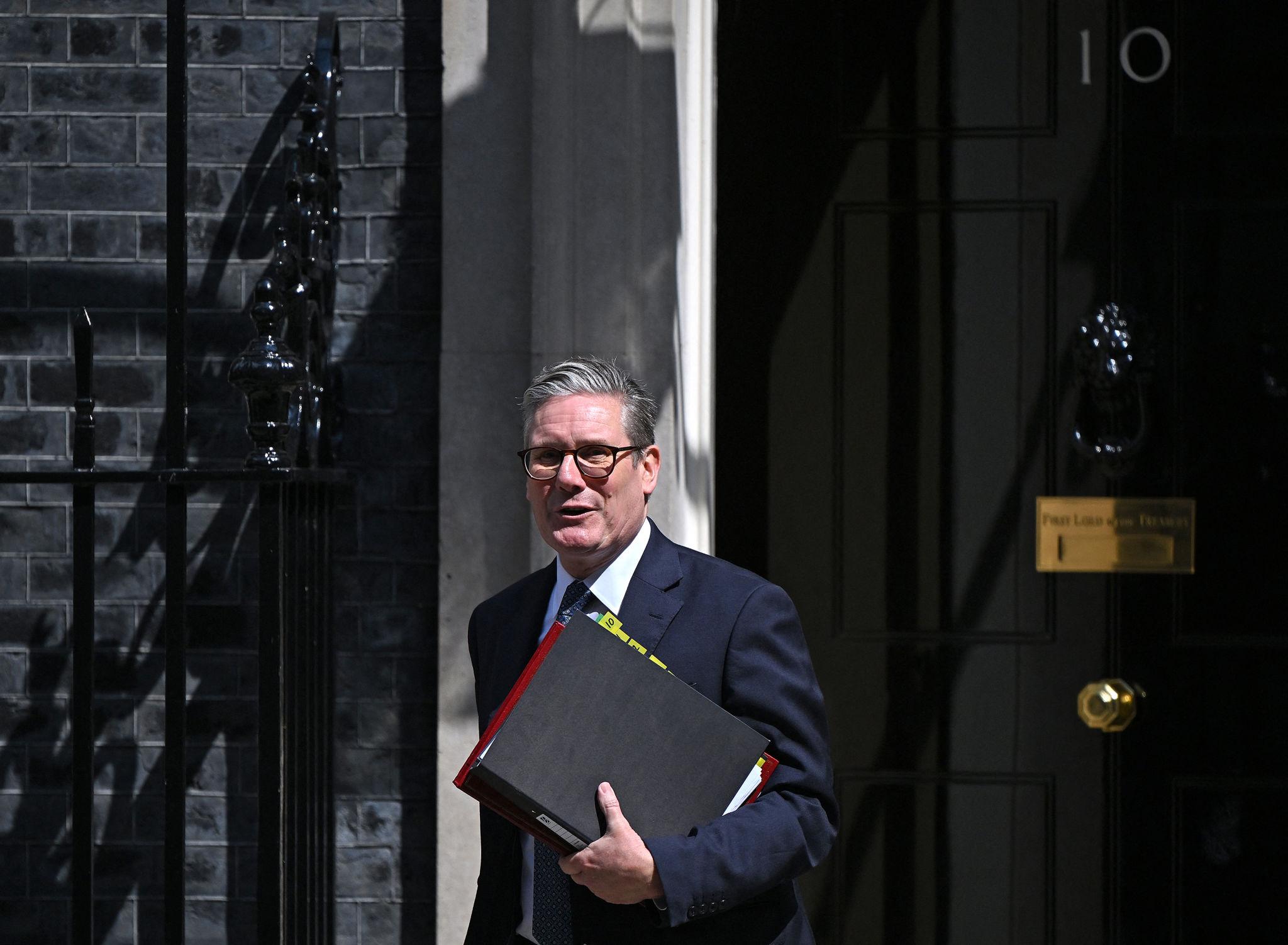
London, United Kingdom, April 20, 2026 | Brussels Morning Newspaper, UK parliament debate has emerged as the defining political development in London on April 20, 2026, as reported by Brussels Morning Newspaper. Lawmakers inside Westminster are confronting escalating tensions that have rapidly evolved into a high-stakes political situation. The debate has intensified scrutiny on Prime Minister Keir Starmer, drawing attention from across the United Kingdom and beyond.
The current UK parliament debate reflects deeper concerns about governance, transparency, and leadership integrity. With public trust already under strain, the unfolding developments represent a crucial moment for the country’s political landscape. Observers say the tone and scale of the discussions indicate that this is not a routine political disagreement but a defining challenge for the government.
Westminster Sessions Turn Increasingly Heated
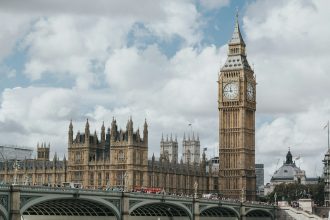
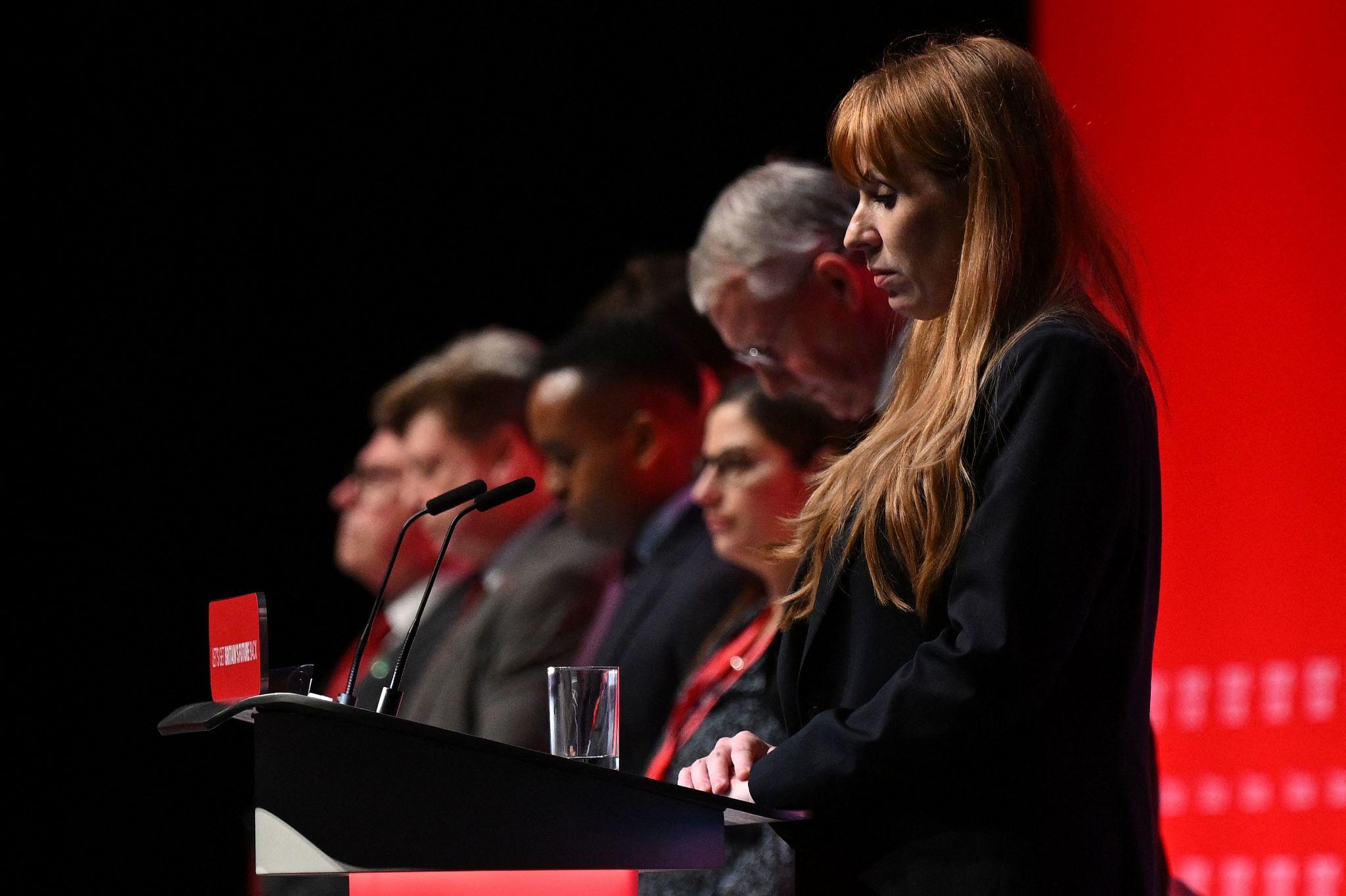
Inside the UK Parliament, the atmosphere has grown more intense with each passing session. Lawmakers are engaging in extended debates, reflecting the seriousness of the issues being discussed. The UK parliament debate has shifted from procedural questioning to broader concerns about accountability and leadership decisions.
Members from opposition parties have taken a firm stance, demanding clear answers and detailed explanations. Government representatives, meanwhile, have emphasized adherence to established procedures, arguing that the situation is being politicized.
Parliamentary observers note that the length and tone of these sessions are unusual, suggesting that the stakes are particularly high. The debate has also captured public attention, reinforcing its significance in the national conversation.
Core Issue Driving Political Confrontation
At the center of the UK parliament debate lies a dispute over governance practices and decision-making processes. While details continue to emerge, the controversy has sparked widespread concern about whether transparency standards have been upheld.
Critics argue that the administration has not provided sufficient clarity, raising questions about accountability. Supporters counter that procedures were followed and that the situation is being exaggerated for political purposes.
This divide has made the debate more complex, with no immediate resolution in sight. Analysts suggest that such disagreements often reflect deeper systemic challenges within political institutions.
Opposition Leaders Increase Pressure
Opposition figures have used the UK parliament debate to intensify criticism of the government. Several prominent leaders have called for greater transparency and stronger accountability measures, framing the issue as a test of democratic principles.
“This is about trust, responsibility, and the expectations citizens place on their leaders,”
one opposition figure stated during a session.
These remarks highlight the broader implications of the debate, extending beyond the immediate issue to questions about governance standards. The growing pressure has forced government officials to respond more directly, adding to the intensity of the discussions.
Political analysts suggest that opposition strategies during such debates are often aimed at shaping public perception while holding leadership accountable.
Internal Party Tensions Add Complexity
The UK parliament debate has also revealed internal dynamics within the ruling party. While public statements remain largely unified, reports suggest that differing opinions exist behind closed doors.
Some members are advocating for a more transparent approach, emphasizing the need to address concerns proactively. Others believe the controversy is being amplified unnecessarily and caution against overreacting.
These internal differences add another layer of complexity to the situation. Maintaining unity while addressing external criticism is a challenge that leadership must navigate carefully.
Experts note that internal cohesion often plays a crucial role in determining how effectively governments manage political crises.
Public Response Reflects Divided Opinion
The UK parliament debate has captured widespread public attention, with citizens closely following developments through news coverage and online discussions. The level of engagement indicates that the issue resonates beyond political circles.
Public opinion appears divided. Some view the debate as a necessary process for ensuring accountability, while others see it as part of the normal functioning of democratic systems.
Media coverage has amplified the situation, providing continuous updates and analysis. This sustained attention has increased pressure on political leaders to deliver clear and consistent messaging.
The role of public perception cannot be underestimated, as it often influences the trajectory of political developments.
Leadership Faces Critical Test of Credibility
The UK parliament debate has placed leadership credibility under intense scrutiny. For Keir Starmer, this moment represents a significant test of political resilience and decision-making.
“Moments like this define leadership and shape public trust for years to come,”
a political analyst observed.
The ability to address concerns effectively while maintaining stability will be crucial. Leadership strategies, including communication and transparency, will likely determine how the situation evolves.
Observers suggest that outcomes from such debates often have long-term implications for political careers and public confidence.
Economic and Policy Implications Begin to Emerge
While the immediate focus remains on political developments, the UK parliament debate may also influence broader economic and policy considerations. Political uncertainty can affect investor confidence and decision-making across various sectors.
Analysts warn that prolonged debates without resolution could create uncertainty in financial markets. Although the full impact remains unclear, the situation is being closely monitored by policymakers and economic experts.
The connection between political stability and economic performance highlights the importance of resolving the issue in a timely and transparent manner.
Historical Perspective on Parliamentary Debates in Britain
The UK parliament debate can be better understood within the historical context of British politics. Throughout history, parliamentary debates have played a central role in shaping policy decisions and leadership outcomes.
From major reforms to leadership changes, past debates have often marked turning points in the nation’s political trajectory. These moments demonstrate the importance of parliamentary scrutiny in maintaining democratic accountability.
Understanding this historical perspective provides valuable insight into the potential significance of the current situation.
What Developments Are Expected Next
As the UK parliament debate continues, several key developments are anticipated in the coming days. Lawmakers are expected to pursue further discussions, seeking clarity and resolution.
Potential next steps include:
- Additional parliamentary sessions
- Possible release of further details
- Continued public and media engagement
The trajectory of the debate will depend on how effectively leadership responds to ongoing concerns. Observers suggest that transparency and decisive action will be critical factors.
Why This UK Parliament Debate Could Reshape Political Expectations
The UK parliament debate is more than a short-term political controversy. It represents a broader test of governance, accountability, and public trust in democratic institutions.
The outcome could influence future expectations for political leadership, setting new standards for transparency and responsibility. As discussions continue, the focus remains on whether leaders can navigate the situation effectively.
This moment underscores the enduring importance of parliamentary processes in shaping national policy and maintaining democratic integrity.