WASHINGTON, April 1, 2026 (Brussels Morning Newspaper) — Iran rejects Trump ceasefire claims in a firm and immediate response that has intensified geopolitical tensions and drawn worldwide attention. Officials from Iran categorically denied assertions made by Donald Trump that Tehran had approached Washington seeking a ceasefire. The contradiction between both sides has added a new layer of uncertainty to an already fragile international environment.
The development comes at a time when diplomatic relations between the United States and Iran remain deeply strained, with economic pressures, military positioning, and political rhetoric contributing to instability. Global leaders and financial markets are closely watching how this situation evolves.
Tehran Issues Strong Denial
Iranian officials responded swiftly, rejecting any suggestion that they had initiated ceasefire discussions. According to government representatives, the claims were “baseless” and did not reflect any official communication or policy direction.
The strong language used by Tehran signals a refusal to accept narratives that could imply weakness or concession. Officials emphasized that Iran’s position remains rooted in sovereignty and strategic independence.
As tensions continue to build, Iran rejects Trump ceasefire claims highlights the widening communication gap between both nations and reinforces Tehran’s commitment to maintaining control over its diplomatic messaging.
Washington Statement Raises Questions
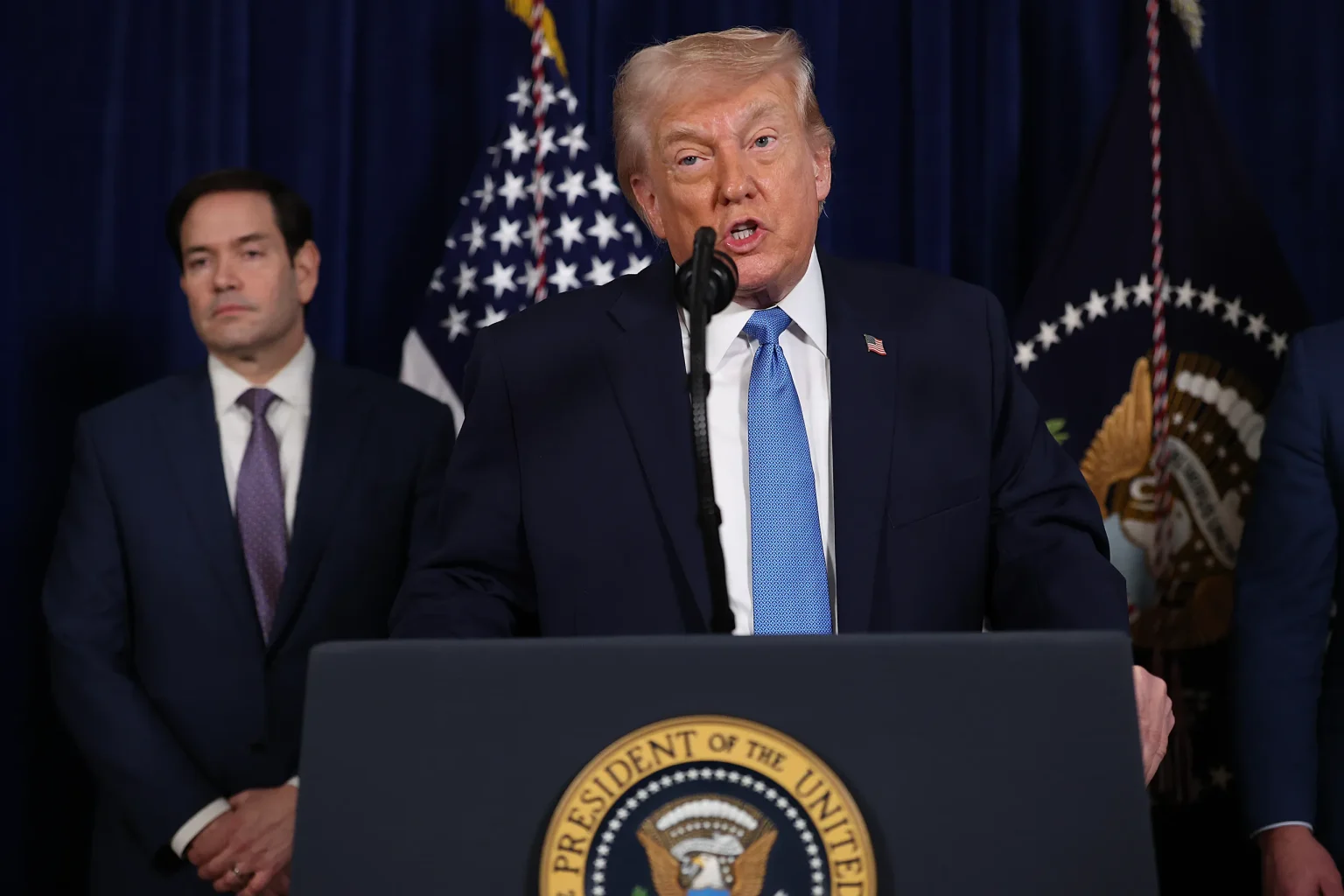
Statements from Donald Trump suggesting that Iran sought a ceasefire quickly spread across global media platforms. The remarks were interpreted by some as an indication of behind-the-scenes diplomatic movement.
However, Iran’s immediate rejection has cast doubt on the accuracy of those claims. Analysts warn that conflicting narratives at such a sensitive time can lead to misunderstandings and increased tension.
The situation demonstrates how Iran rejects Trump ceasefire claims has become a central issue influencing international discourse and shaping perceptions of both governments.
Escalating Tensions in 2026
Relations between the United States and Iran have entered a renewed phase of tension in 2026. Economic sanctions, regional conflicts, and military readiness continue to define the relationship.
Recent developments suggest that both nations are positioning themselves strategically, with public statements playing a key role in shaping global narratives.
Observers note that when Iran rejects Trump ceasefire claims, it reflects deeper structural tensions that extend beyond a single statement or event.
History of US Iran Diplomatic Struggles
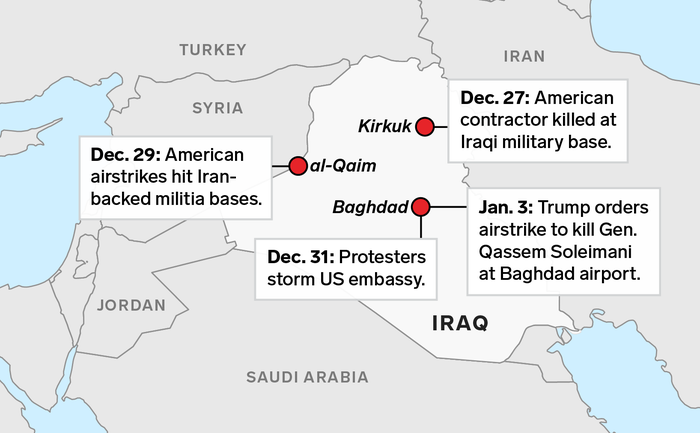
The history of relations between Washington and Tehran is marked by cycles of conflict and negotiation. Over the decades, attempts at diplomacy have often been undermined by mistrust and shifting political priorities.
From nuclear agreements to sanctions disputes, both nations have struggled to establish consistent and productive dialogue. This historical context provides important insight into the current situation.
Understanding why Iran rejects Trump ceasefire claims requires recognizing the long-standing challenges that have defined US Iran relations.
Global Market Reactions and Economic Impact
The geopolitical uncertainty surrounding this situation has already influenced global markets. Oil prices have shown signs of volatility, reflecting concerns about potential disruptions in supply.
Investors remain cautious, as instability in the Middle East often triggers broader economic consequences. The interconnected nature of global markets means that political developments can have immediate financial implications.
The phrase Iran rejects Trump ceasefire claims has become closely associated with market sentiment, underscoring how political events can influence economic trends.
International Diplomatic Response
World leaders have called for restraint and clarity in communication. European diplomats and international organizations have emphasized the importance of avoiding statements that could escalate tensions.
Efforts to encourage dialogue continue, with calls for both sides to engage through established diplomatic channels. The goal remains to prevent misunderstandings from evolving into larger conflicts.
As Iran rejects Trump ceasefire claims, the situation highlights the need for responsible communication in maintaining global stability.
Media Influence and Information Dynamics
The rapid spread of information in today’s digital landscape amplifies the impact of political statements. Conflicting narratives can shape public opinion and influence decision-making at the highest levels.
Media coverage plays a critical role in framing events, often determining how they are perceived by global audiences. The differing accounts from Washington and Tehran demonstrate the importance of accuracy and context.
In this environment, Iran rejects Trump ceasefire claims serves as a reminder of how powerful messaging can be in shaping international relations.
Expert Perspectives on Strategic Messaging
Political analysts suggest that both sides are engaging in strategic communication. Public statements may be designed to influence negotiations, signal strength, or manage domestic expectations.
Experts argue that such tactics are common in high-stakes diplomacy, where perception can be as important as policy.
The ongoing narrative surrounding Iran rejects Trump ceasefire claims illustrates the complexity of international strategy and the importance of understanding underlying motivations.
Potential Outcomes and Future Developments
Several scenarios could unfold in the coming weeks:
- Continued diplomatic tension without direct conflict
- Renewed negotiations through intermediaries
- Escalation leading to broader regional instability
Each possibility carries significant implications for global security and economic stability.
The persistence of Iran rejects Trump ceasefire claims in global headlines suggests that the situation remains fluid and unpredictable.
Global Voices Warn of Rising Diplomatic Risk
A senior international relations expert stated:
“Conflicting narratives between global powers can quickly escalate tensions, especially when trust is already fragile.”
Another analyst added:
“This moment underscores the importance of accurate communication in diplomacy, where even small misstatements can have global consequences.”
Why This Crisis Matters Worldwide
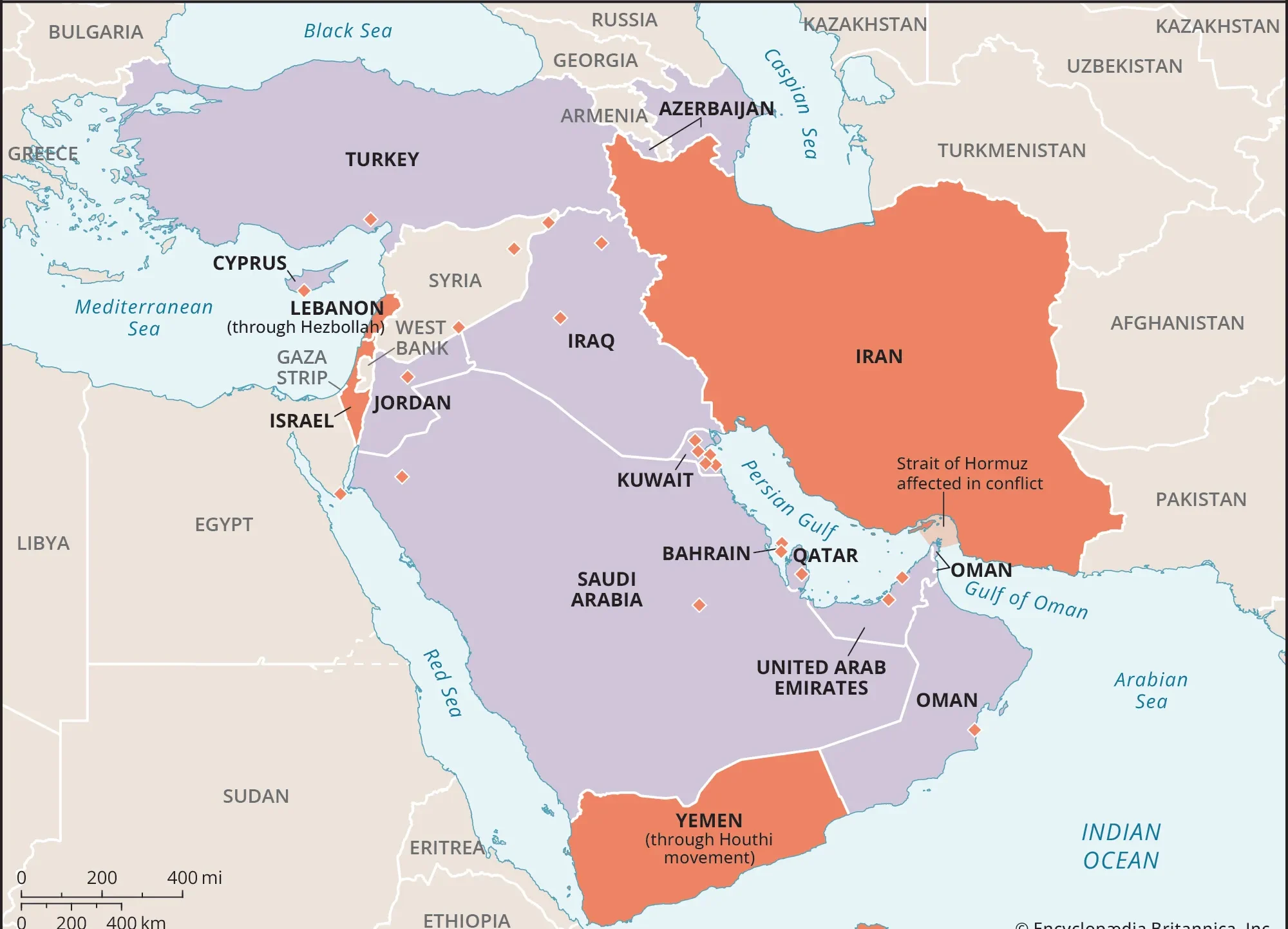
The implications of this situation extend beyond the United States and Iran. The Middle East remains central to global energy supply and geopolitical strategy.
Any escalation could affect international trade, security alliances, and economic stability. Governments and organizations around the world are closely monitoring developments.
As Iran rejects Trump ceasefire claims, it highlights how interconnected global systems are and how quickly tensions can influence multiple sectors.
A Defining Diplomatic Moment in Modern Geopolitics
The unfolding situation in April 2026 represents a critical moment in international relations. Whether it leads to further escalation or renewed dialogue remains uncertain.
What is clear is that communication, perception, and strategy are playing pivotal roles in shaping outcomes. The world is watching closely as events continue to develop.
Ultimately, the fact that Iran rejects Trump ceasefire claims underscores the fragile balance of modern diplomacy and the importance of clarity, trust, and responsible leadership in maintaining global stability.