
Beirut, Lebanon — March 11, 2026 — Brussels Morning Newspaper coverage highlights growing tensions as the Israel Lebanon conflict enters another dangerous phase along the volatile border region between the two nations.
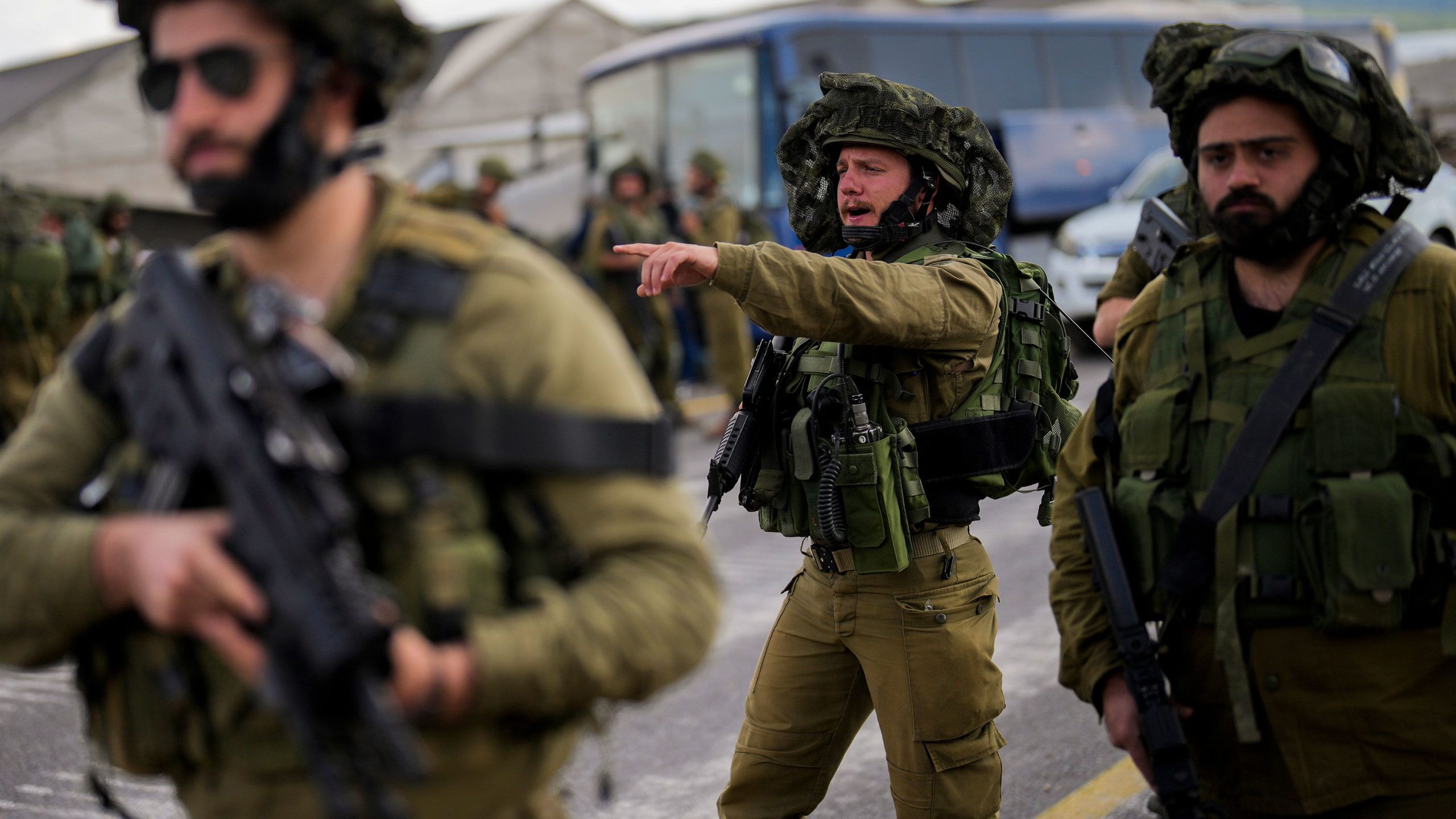
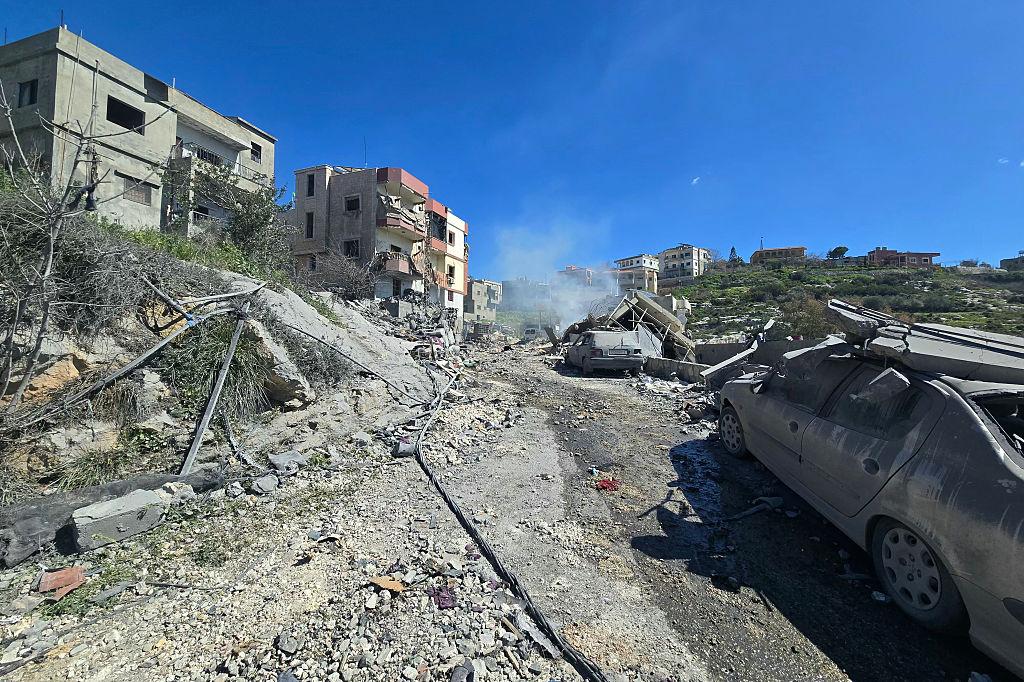
Military operations and cross border exchanges have increased in recent days, raising concerns among international diplomats and security analysts. Israeli defense forces carried out targeted strikes that officials say were intended to disrupt militant infrastructure near the border.
The situation has quickly captured global attention because even localized clashes have the potential to expand into broader regional confrontations. Governments across Europe, North America, and the Middle East are closely watching developments while urging restraint.
For many observers, the renewed violence represents one of the most serious escalations in the Israel Lebanon conflict in recent years.
Border Communities Face Rising Tension
Residents living near the frontier between Israel and Lebanon have once again found themselves at the center of geopolitical tensions. Several communities reported hearing aircraft overhead and explosions during overnight operations.
Local authorities confirmed that emergency services were placed on alert as precautionary measures. Although large scale displacement has not occurred, the uncertainty surrounding the Israel Lebanon conflict has created anxiety among civilians living near the border.
Schools and public institutions in some areas have adjusted schedules while security conditions are evaluated. Civil defense teams remain prepared to respond to emergencies if the situation intensifies.
The fragile environment underscores how quickly military incidents can disrupt daily life in border communities.
International Diplomacy Moves Quickly
Global diplomatic efforts accelerated as the latest developments in the Israel Lebanon conflict began dominating international headlines. Governments from multiple regions have issued statements urging calm and encouraging dialogue.
European officials emphasized the need for restraint while warning that further escalation could destabilize the wider Middle East. The United Nations and several international organizations have also increased monitoring activities in the region.
Diplomatic channels remain active behind the scenes as leaders attempt to prevent the situation from deteriorating further. Negotiations and mediation efforts are seen as essential tools for maintaining stability.
A senior European diplomat described the urgency of the situation.
“Every escalation along this border increases the risk of a wider regional crisis, and diplomacy must remain the priority.”
Military Readiness on Both Sides
Defense officials in both Israel and Lebanon have increased readiness levels as tensions rise. Military planners remain cautious because even limited incidents can quickly trigger retaliatory responses.
The geography of the border region makes it particularly sensitive. Narrow terrain and densely populated communities increase the risk that confrontations could expand unexpectedly.
Strategists observing the Israel Lebanon conflict note that technological advances such as drones and precision missiles have changed the nature of modern warfare. These developments make it even more important for leaders to avoid decisions that could escalate tensions further.
Military experts emphasize that communication between defense forces is crucial for preventing accidental escalation.
Global Markets React to Regional Instability
Financial markets responded cautiously as news about the Israel Lebanon conflict spread across international media platforms. Investors closely monitor geopolitical developments in the Middle East because the region remains a central hub for global energy supply.
Energy analysts say that even the perception of risk can influence oil prices. Although no major energy infrastructure has been directly affected, instability in the region often leads traders to anticipate potential disruptions.
Shipping companies and insurance providers are also paying close attention. Increased geopolitical tension can raise insurance premiums for vessels operating in nearby waters.
Economic observers note that geopolitical crises frequently create ripple effects across global markets.
Strategic Importance of the Border Area
The border between Israel and Lebanon has long been one of the most strategically sensitive locations in the Middle East. The terrain includes mountainous landscapes, villages, and infrastructure that influence military operations.
Because of the narrow distance between major population centers, incidents can escalate rapidly. This geographic reality has shaped the dynamics of the Israel Lebanon conflict for decades.
International peacekeeping forces stationed in southern Lebanon continue to monitor the situation closely. Their presence is intended to help maintain stability and prevent unintended clashes.
The strategic importance of this region explains why international attention quickly focuses on developments there.
Humanitarian Concerns for Civilians
Whenever tensions increase along the border, civilians often face the greatest uncertainty. Communities affected by the Israel Lebanon conflict have experienced cycles of instability for many years.
Humanitarian organizations have begun assessing potential needs should the crisis intensify. Aid groups stress that preventing escalation is essential to protecting civilian populations.
Local governments have encouraged residents to remain vigilant while emergency response teams remain prepared.
A regional humanitarian coordinator explained the importance of stability.
“Protecting civilians must remain the top priority whenever tensions rise in this region.”
Historical Background of the Conflict
The origins of the Israel Lebanon conflict stretch back several decades and reflect the broader geopolitical dynamics of the Middle East. Political disputes, territorial concerns, and regional alliances have all contributed to tensions between the two countries.
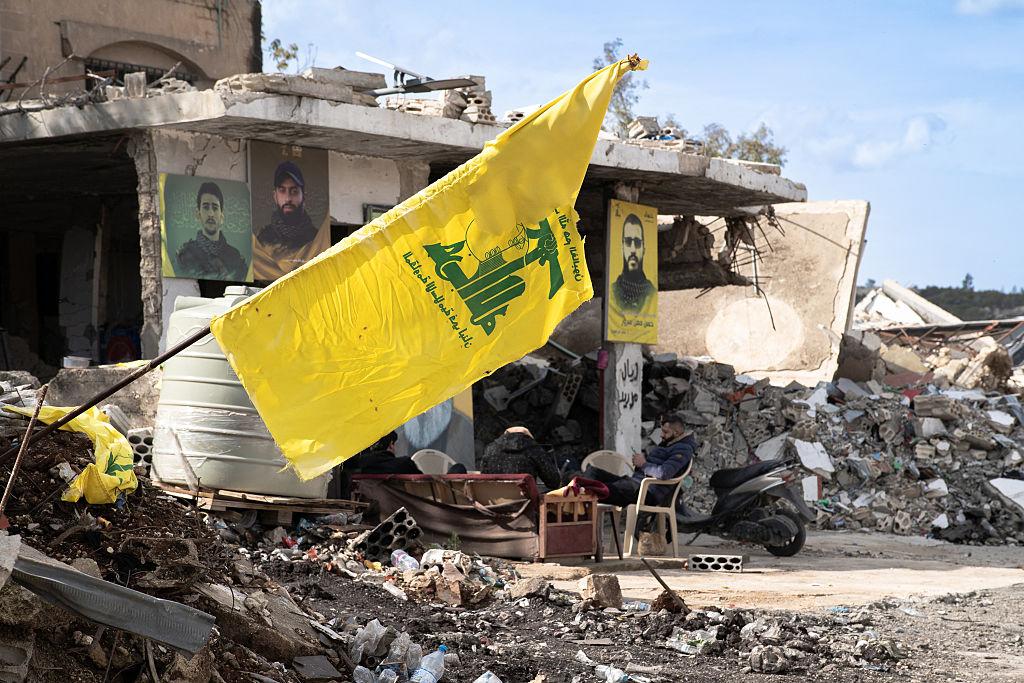
The most significant confrontation occurred in 2006 when a major war erupted between Israel and Hezbollah forces operating in Lebanon. That conflict resulted in widespread destruction, displacement of civilians, and lasting political consequences across the region.
Since then, periods of relative calm have alternated with occasional clashes and security incidents. Although international diplomacy helped reduce large scale hostilities, the underlying issues driving the conflict remain unresolved.
Understanding this historical context is essential for interpreting current developments and assessing future risks.
Regional Security Calculations
Middle Eastern security analysts note that the Israel Lebanon conflict does not exist in isolation. The region’s complex network of alliances and rivalries means that developments along this border can influence broader geopolitical dynamics.
Several neighboring countries have increased monitoring of the situation as tensions rise. Regional leaders understand that even localized confrontations could trigger wider political reactions.
Strategic experts emphasize the importance of diplomatic coordination among regional governments. Cooperation and communication can help reduce the likelihood of unintended escalation.
A Middle East security analyst summarized the situation.
“Conflicts in this region rarely remain contained, which is why diplomatic engagement is essential.”
Information Environment and Media Attention
The modern information landscape has transformed how global audiences follow conflicts. News coverage, digital platforms, and social media allow developments in the Israel Lebanon conflict to spread rapidly across the world.
While this rapid flow of information allows for immediate updates, it also increases the risk of misinformation. Journalists and analysts emphasize the importance of verified reporting during periods of heightened tension.
International media organizations continue to provide ongoing coverage as the situation evolves.
Strategic Military Considerations
Modern warfare technologies have added new dimensions to regional conflicts. Drones, surveillance systems, and precision guided weapons influence how military operations unfold.
These developments affect the Israel Lebanon conflict by increasing both the effectiveness and the risks associated with military actions. Leaders must carefully evaluate strategic decisions that could have wider consequences.
Security experts stress that restraint and diplomacy remain the most effective ways to prevent escalation.
Diplomatic Pathways Toward Stability
Despite the current tensions, diplomatic efforts continue to focus on preventing further escalation. International mediators are encouraging dialogue and renewed communication between leaders.
The Israel Lebanon conflict has historically demonstrated that diplomacy can reduce violence even when political disagreements remain unresolved.
Negotiations aimed at strengthening ceasefire arrangements and improving security coordination remain important steps toward stability.
Outlook for Regional Stability
The coming weeks will likely determine whether tensions ease or intensify. Governments across the world are watching developments carefully.
Security experts believe that several factors will shape the outcome, including diplomatic engagement, military restraint, and international mediation.
Although uncertainty remains high, many observers hope that responsible leadership will prevent the current crisis from escalating into a broader regional war.
Understanding the Bigger Picture of the Escalation
The recent escalation surrounding the Israel Lebanon conflict highlights how fragile stability can be in one of the world’s most geopolitically complex regions. Military activity along the border has triggered international concern while diplomatic efforts continue to prevent wider confrontation.
Global markets, humanitarian organizations, and political leaders are closely monitoring developments. While the immediate priority remains preventing further escalation, long term stability will depend on sustained diplomatic engagement and cooperation.
For now the international community continues to watch the situation carefully, hoping that diplomacy and responsible leadership will guide the region away from deeper conflict.