

Washington, United States, March 2, 2026 — Brussels Morning NewsPaper — Defense leaders across major world powers are accelerating investment in military space strategy as orbit becomes increasingly central to national security planning. Officials in Washington confirm that satellite protection, launch readiness, and space domain awareness now rank among the highest strategic priorities for 2026.
The transformation reflects a broader recalibration of defense doctrine. Military space strategy is no longer viewed as a supplementary capability supporting terrestrial forces. Instead, it is treated as an independent and essential operational environment that shapes intelligence gathering, communications security, navigation accuracy, and strategic deterrence.
As geopolitical tensions evolve and technology advances, policymakers argue that resilience in orbit determines stability on Earth.
The Strategic Shift Toward Orbit
For decades, satellites quietly supported military operations by enabling communications and surveillance. Today, the dependency has deepened. Precision weapons rely on satellite navigation, commanders depend on encrypted space based communications, and missile warning systems monitor global activity from orbit.
The formal expansion of military space strategy recognizes that disruption of orbital infrastructure could cripple operational readiness. Analysts describe space as the invisible backbone of modern warfare.
Governments increasingly allocate defense budgets to ensure uninterrupted access to space based assets. The rationale is straightforward: maintaining operational superiority requires dominance not only on the ground but also above it.
Technological Innovation Driving Expansion
Rapid advancements in aerospace engineering have transformed the feasibility of sustained orbital presence. Reusable launch systems reduce costs, while small satellite constellations provide redundancy and adaptability.
Military space strategy now emphasizes distributed architectures. Instead of relying on a handful of high value satellites, defense agencies deploy networks designed to absorb disruption. If one unit fails, others maintain functionality.
Artificial intelligence enhances tracking and response capabilities. Automated systems can identify potential threats in orbit and initiate protective measures within seconds.
The pace of innovation ensures that space operations evolve as quickly as terrestrial technologies.
Budget Growth and Institutional Commitment
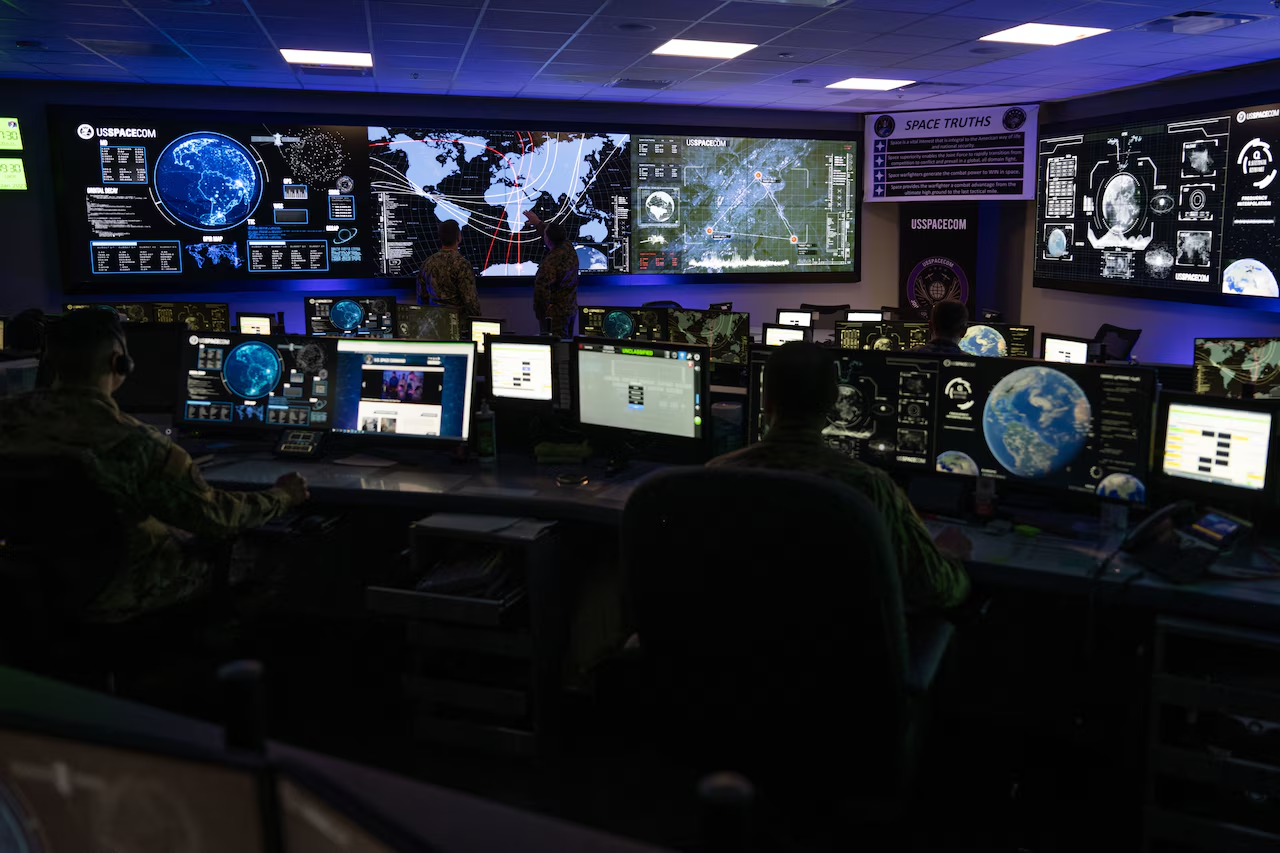
Defense appropriations across multiple nations show consistent growth in orbital programs. Dedicated commands oversee launch coordination, asset protection, and intelligence analysis.
The formalization of military space strategy within institutional frameworks demonstrates long term commitment. Space commands operate with specialized leadership, engineering teams, and operational doctrines.
Officials argue that clear organizational structure reduces confusion and strengthens accountability in managing complex space systems.
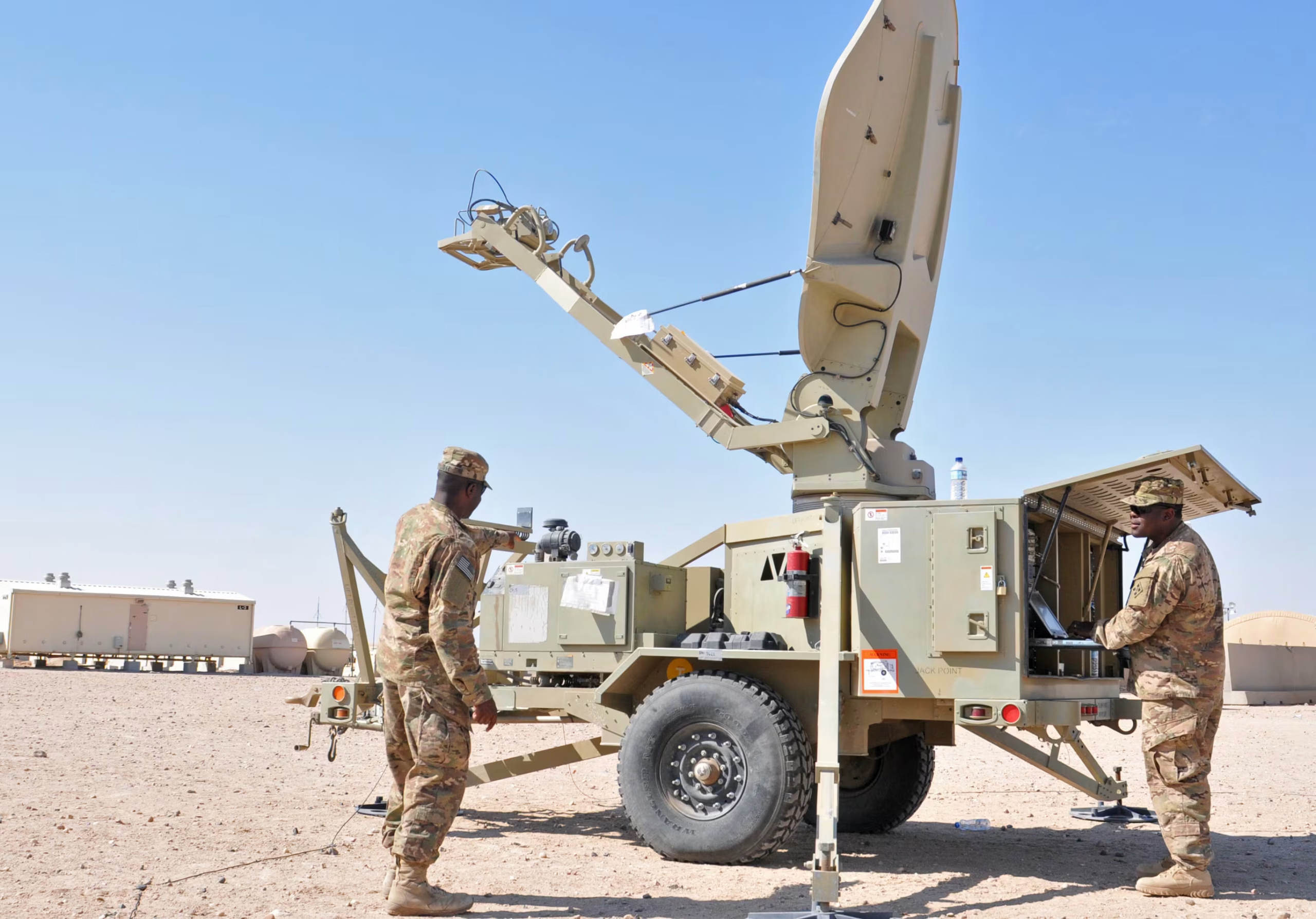
Global Competition and Strategic Signaling
Major powers are not alone in expanding orbital capabilities. Emerging economies with technological expertise are also entering the field.
Military space strategy has become a visible component of international signaling. Launch announcements, satellite deployments, and public demonstrations of space capability serve as indicators of national strength.
While governments publicly emphasize defensive intentions, the competitive environment introduces strategic tension. The ability to disrupt or defend space assets carries significant leverage.
Diplomats continue to advocate for transparency measures to prevent miscalculation.
Civilian Infrastructure at Stake
Modern societies rely on satellites for navigation, financial transactions, weather forecasting, and emergency response coordination.
The growth of military space strategy intersects with civilian dependency. Disruption in orbit could impact airlines, shipping lanes, and telecommunications networks.
Policymakers therefore approach orbital defense with caution. Protecting military assets must align with safeguarding commercial systems that underpin economic stability.
This interdependence adds complexity to strategic planning.
Legal Frameworks and Governance Challenges
Existing international agreements governing outer space were crafted during a period dominated by scientific exploration. The rapid expansion of military space strategy tests the limits of those frameworks.
Legal experts argue that updated agreements may be necessary to address anti satellite testing, debris mitigation, and proportional response standards.
However, achieving global consensus remains challenging amid geopolitical rivalry.
The tension between deterrence and sustainability shapes ongoing diplomatic dialogue.
Risk of Escalation and Orbital Debris
One of the primary concerns surrounding military space strategy is the risk of escalation. Destructive testing of satellites can create debris fields that persist for decades, endangering both military and civilian spacecraft.
Even non destructive interference, such as signal jamming or cyber intrusion, can trigger misunderstandings.
Experts stress the importance of communication channels and confidence building measures to reduce the likelihood of unintended conflict.
Maintaining a sustainable orbital environment is widely viewed as a shared responsibility.
Private Sector Collaboration
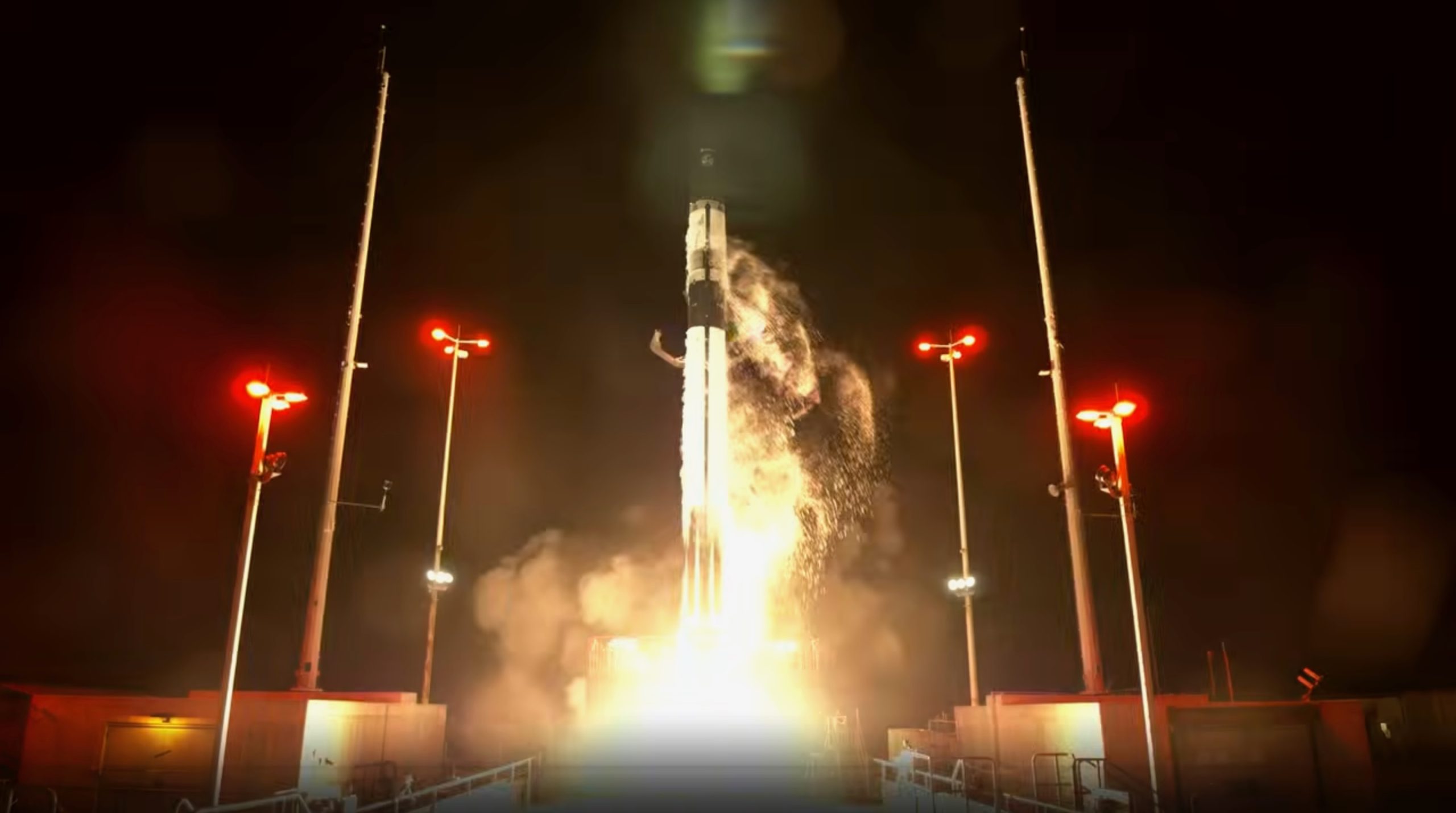
Commercial aerospace companies increasingly collaborate with defense agencies. Private launch providers and satellite manufacturers contribute to national resilience strategies.
The integration of commercial innovation into military space strategy accelerates development cycles and reduces costs.
However, the dual use nature of many systems complicates regulatory oversight. Civilian satellites may serve defense purposes during crises.
Balancing transparency with security remains a delicate task.
Historical Comparison in Defense Evolution
The evolution of military space strategy mirrors earlier transformative periods in defense history. When air power first emerged during the early twentieth century, governments debated its role before integrating it into comprehensive doctrine. Similarly, the rise of cyber operations shifted security paradigms, redefining how nations perceive digital threats. In each case, technological breakthroughs expanded the boundaries of conflict and required new institutional responses.
The ascent of military space strategy follows this historical trajectory, marking another chapter in the ongoing adaptation of national defense to technological change.
Strategic Deterrence Beyond Earth
Deterrence remains a cornerstone of modern defense planning. Military space strategy incorporates layered resilience designed to discourage hostile action.
Redundant satellite networks, rapid launch capability, and improved tracking systems ensure that adversaries cannot easily neutralize orbital assets.
Officials argue that credible defensive posture reduces incentives for aggression.
Clear policy communication further supports deterrence by outlining proportional response frameworks.
Economic Dimensions of Orbital Security
Investment in orbital infrastructure stimulates aerospace industries and technological research.
Military space strategy contributes to economic development by supporting advanced manufacturing and engineering sectors.
However, policymakers must manage expenditures responsibly to avoid unsustainable budgetary burdens.
Balancing fiscal discipline with strategic necessity remains central to long term planning.
Public Perception and Ethical Considerations
The expansion of military space strategy raises philosophical questions about humanity’s future beyond Earth.
Space once symbolized peaceful exploration and scientific discovery. The shift toward security centric doctrine alters public narratives.
Citizens increasingly recognize that daily conveniences depend on satellites protected by defense systems.
Transparency and accountability in policy development help maintain public trust.
The Quote That Defines the Moment
A senior defense analyst in Washington summarized the transition succinctly:
“Space is no longer a distant frontier but a living operational domain that shapes every modern security decision.”
This observation reflects the broader consensus among policymakers and industry leaders that orbital governance now influences terrestrial stability.
Implementation Roadmap
Defense planners outline phased implementation schedules extending through the decade.
Upgrades to satellite resilience, enhanced launch capacity, and integrated tracking networks form the backbone of military space strategy.
Training programs for specialized personnel ensure readiness in evolving operational environments.
Cooperation with allied nations further strengthens collective resilience.
International Dialogue and Cooperative Security
Despite competitive dynamics, diplomatic engagement continues.
Multilateral forums discuss debris mitigation, data sharing protocols, and transparency standards.
Military space strategy does not preclude cooperation. In fact, stability often depends on shared norms and communication frameworks.
Balancing rivalry with dialogue represents one of the defining challenges of the era.
The Emerging Frontier of National Defense
As 2026 progresses, orbit stands firmly embedded within global defense calculations. Military space strategy has matured from conceptual planning to structured doctrine supported by institutional investment and technological innovation.
The trajectory ahead will depend on disciplined governance, international collaboration, and strategic restraint.
Nations recognize that control of space assets influences not only military outcomes but also economic resilience and societal stability.
In Washington and beyond, leaders acknowledge that the future of defense extends far above Earth’s surface, where satellites silently enable the systems that sustain modern civilization.
Military space strategy now defines the frontier where technology, policy, and security converge, shaping a new era in global defense architecture.