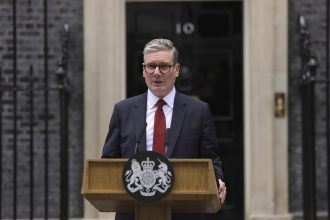

Dhaka, Bangladesh — February 17, 2026 — Brussels Morning Newspaper — Bangladesh Prime Minister Tarique Rahman officially assumed office today after securing a decisive landslide victory in the 2026 general election. The oath ceremony at Bangabhaban Presidential Palace marked a pivotal moment in the country’s political timeline, drawing senior officials, members of parliament, foreign diplomats, and civil society representatives to the capital.
The inauguration reflects a significant democratic transition as Bangladesh navigates economic pressures, regional diplomacy challenges, and rising public expectations for institutional reform. Across Dhaka and other major cities, citizens followed the ceremony through national broadcasts while supporters gathered peacefully to mark the beginning of a new administration.
With a commanding majority in parliament, the Bangladesh Prime Minister enters office positioned to advance legislative initiatives with strengthened political leverage. Attention now shifts from electoral campaigning to measurable governance delivery in 2026.
Electoral Mandate Delivers Clear Parliamentary Authority
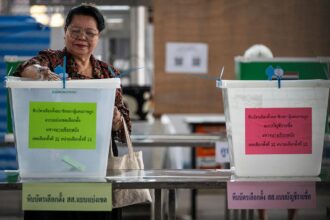
The 2026 national election produced one of the most decisive outcomes in recent political history. High voter turnout across both urban centers and rural districts underscored broad civic participation. Political analysts describe the result as a transformative shift in parliamentary balance.
The Bangladesh Prime Minister secured support from diverse demographic groups, including younger voters concerned about employment prospects and middle income households focused on inflation management. The substantial majority reduces legislative uncertainty and provides executive flexibility to introduce structural reforms.
Opposition leaders acknowledged the results and emphasized the importance of democratic accountability. International observers highlighted the competitive nature of the campaign and the orderly conduct of the voting process.
A Dhaka based political scientist commented,
“Strong mandates create momentum, but sustained legitimacy depends on transparent governance.”
Constitutional Ceremony at Bangabhaban Signals Stability
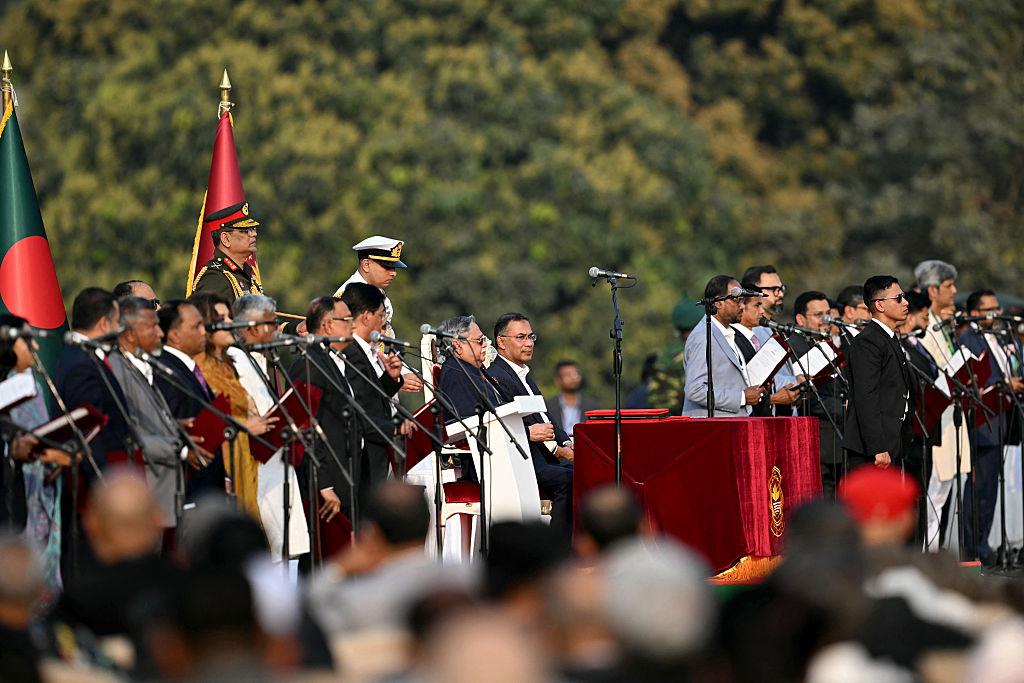
The oath ceremony at Bangabhaban emphasized constitutional continuity and institutional order. Senior judicial authorities administered the pledge as the Bangladesh Prime Minister affirmed commitment to the constitution and national unity.
Diplomatic delegations from regional and global partners attended the event, reflecting Bangladesh’s strategic importance in South Asia. Congratulatory messages underscored expectations of economic cooperation, trade expansion, and regional stability.
The ceremony concluded with immediate consultations between senior cabinet officials to coordinate early policy priorities.
Economic Reform Agenda Moves to the Forefront
Economic stabilization remains central to the new administration’s objectives. Inflation control, currency stability, and export diversification are pressing concerns in 2026. The Bangladesh Prime Minister has indicated that fiscal discipline combined with targeted investment incentives will guide early policymaking.
Regulatory simplification for businesses, modernization of tax systems, and expansion of export sectors form part of the proposed economic framework. Bangladesh’s garment industry continues to anchor export earnings and may receive enhanced technological integration support.
Energy infrastructure development is another priority. Policymakers are evaluating diversified sourcing strategies to strengthen industrial reliability and reduce supply vulnerabilities.
An industry leader observed,
“Predictability in fiscal policy is essential for sustaining investor confidence during transitional periods.”
Youth Employment and Workforce Development Strategy
Bangladesh’s demographic expansion presents both opportunity and challenge. The Bangladesh Prime Minister has emphasized employment generation through digital industries, technology driven entrepreneurship, and skills training initiatives.
Education policy discussions focus on bridging skill gaps between academic institutions and labor market requirements. Expanding broadband access and digital governance platforms may improve administrative efficiency and transparency.
A labor economist noted,
“Harnessing demographic strength requires sustained investment in education and innovation.”
Public expectations surrounding youth employment remain high, making workforce development a cornerstone of the administration’s first year agenda.
Regional Diplomacy and Global Engagement Framework
Bangladesh’s geographic location positions it strategically within South and Southeast Asian trade networks. The Bangladesh Prime Minister is expected to pursue balanced diplomatic engagement while expanding partnerships with key economic actors.
Trade facilitation agreements, infrastructure financing, and climate resilience cooperation are anticipated focal points of early foreign policy outreach. International leaders extended congratulations following the inauguration, signaling readiness for continued collaboration.
Regional analysts suggest that economic diplomacy may define the country’s international posture throughout 2026.
Public Sentiment Reflects Optimism and Accountability
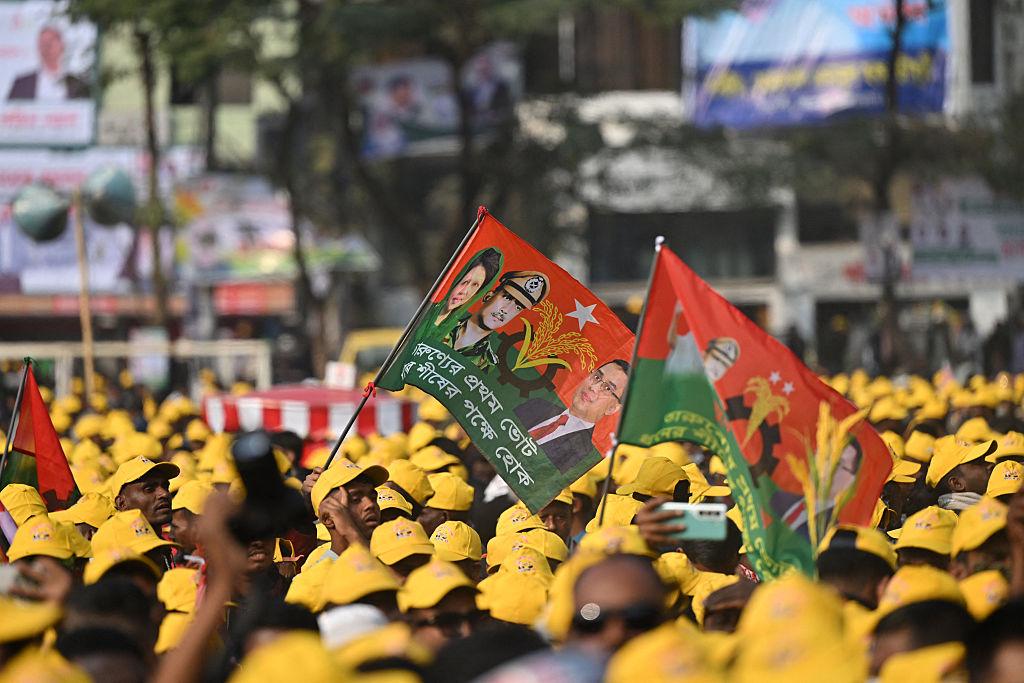
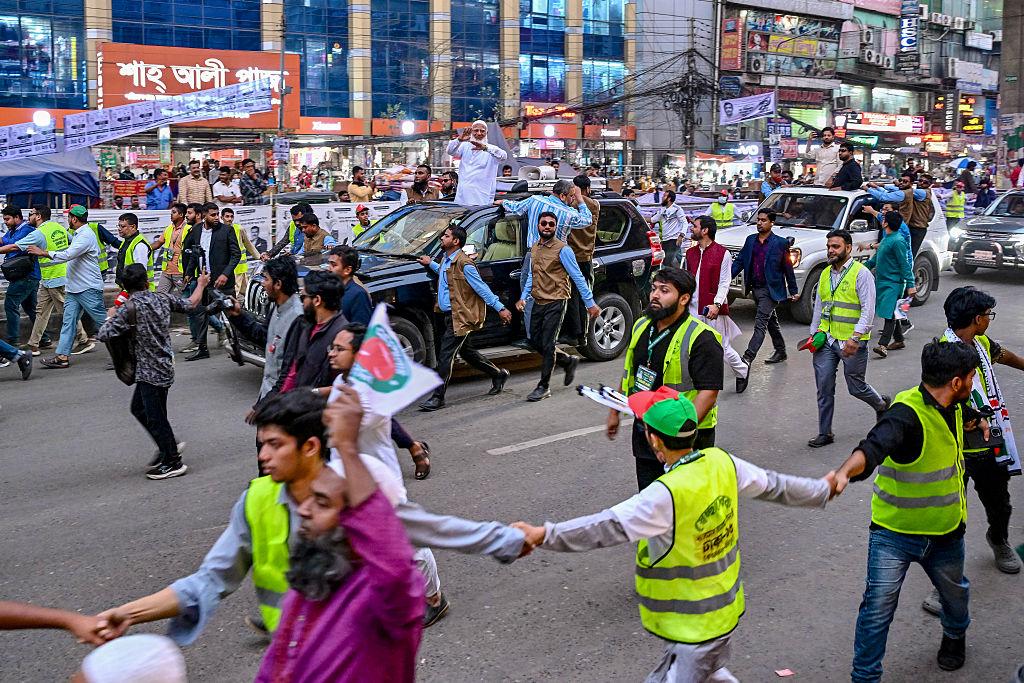
Celebrations in Dhaka, Chattogram, and Rajshahi remained peaceful following the inauguration. Citizens expressed optimism about economic revitalization and governance reform.
Civil society organizations emphasized inclusive policymaking and institutional transparency. The Bangladesh Prime Minister now faces the challenge of translating electoral strength into sustainable policy implementation.
A university professor stated,
“The ballot delivers authority, but accountable leadership sustains public trust.”
Authorities confirmed that public gatherings concluded without incident.
Immediate Legislative Priorities and First 100 Days
The initial months of governance are widely considered critical for establishing reform momentum. Cabinet appointments will indicate policy orientation and administrative balance.
The Bangladesh Prime Minister has identified inflation management, fiscal stabilization, and infrastructure investment as early priorities. Parliamentary sessions scheduled in the coming weeks are expected to introduce economic proposals aimed at strengthening resilience.
Financial analysts emphasize that clarity in early fiscal planning will influence investor sentiment and currency stability.
Institutional Integrity and Governance Reform
Strengthening institutional accountability remains central to sustainable governance. Judicial independence, procurement transparency, and anti corruption enforcement will test administrative capacity.
The Bangladesh Prime Minister must balance decisive executive authority with active parliamentary oversight to maintain democratic equilibrium. International partners are likely to monitor governance reforms as part of broader economic engagement strategies.
Political observers stress that institutional modernization enhances both domestic stability and global credibility.
Historical Evolution of Leadership Transitions in Bangladesh
Since independence in 1971, Bangladesh has undergone multiple democratic transitions that reshaped economic priorities and diplomatic orientation. Each leadership change reflected shifting voter expectations and institutional adaptation.
The 2026 transition represents a significant milestone within this historical continuum. Past mandates of similar scale accelerated reform initiatives when institutional safeguards remained intact. Historical precedents suggest that durable progress requires a balance between executive decisiveness and institutional accountability.
This context frames the current leadership shift as both a continuation of democratic practice and a new chapter in national governance.
Economic Outlook for 2026 and Beyond
Economic projections indicate moderate growth potential contingent on effective reform implementation. Export diversification, infrastructure modernization, and workforce development remain central pillars of strategy.
Financial markets responded cautiously to the inauguration, focusing on fiscal discipline and macroeconomic stability. Development economists emphasize balancing public investment with sustainable debt management to protect long term growth.
The Bangladesh Prime Minister assumes office amid global economic uncertainty, requiring prudent fiscal planning alongside targeted growth initiatives.
From Electoral Mandate to National Delivery
The inauguration in Dhaka marks the transition from campaign promises to governance execution. The Bangladesh Prime Minister now carries expectations centered on economic resilience, institutional modernization, and regional stability.
Political victories provide clarity of direction, yet measurable outcomes define leadership legacy. The coming months will test administrative coordination, fiscal discipline, and legislative efficiency.
As 2026 progresses, citizens, investors, and international partners will evaluate performance through economic indicators, policy transparency, and institutional effectiveness. The mandate has been secured through democratic participation. The responsibility now rests on translating authority into sustainable national progress.