

Washington, United States — February 15, 2026 — Brussels Morning Newspaper — Senior American officials confirmed in Washington that the United States does not dispute European conclusions regarding the poisoning of Russian opposition figure Alexei Navalny. The statement clarifies the current direction of US foreign policy and signals continuity in transatlantic coordination at a critical moment in global diplomacy.
The announcement was delivered amid ongoing consultations between Washington and European capitals. Officials emphasized that the United States sees no credible evidence contradicting the scientific findings presented by European investigative bodies.
Diplomatic Clarification in the Nation’s Capital
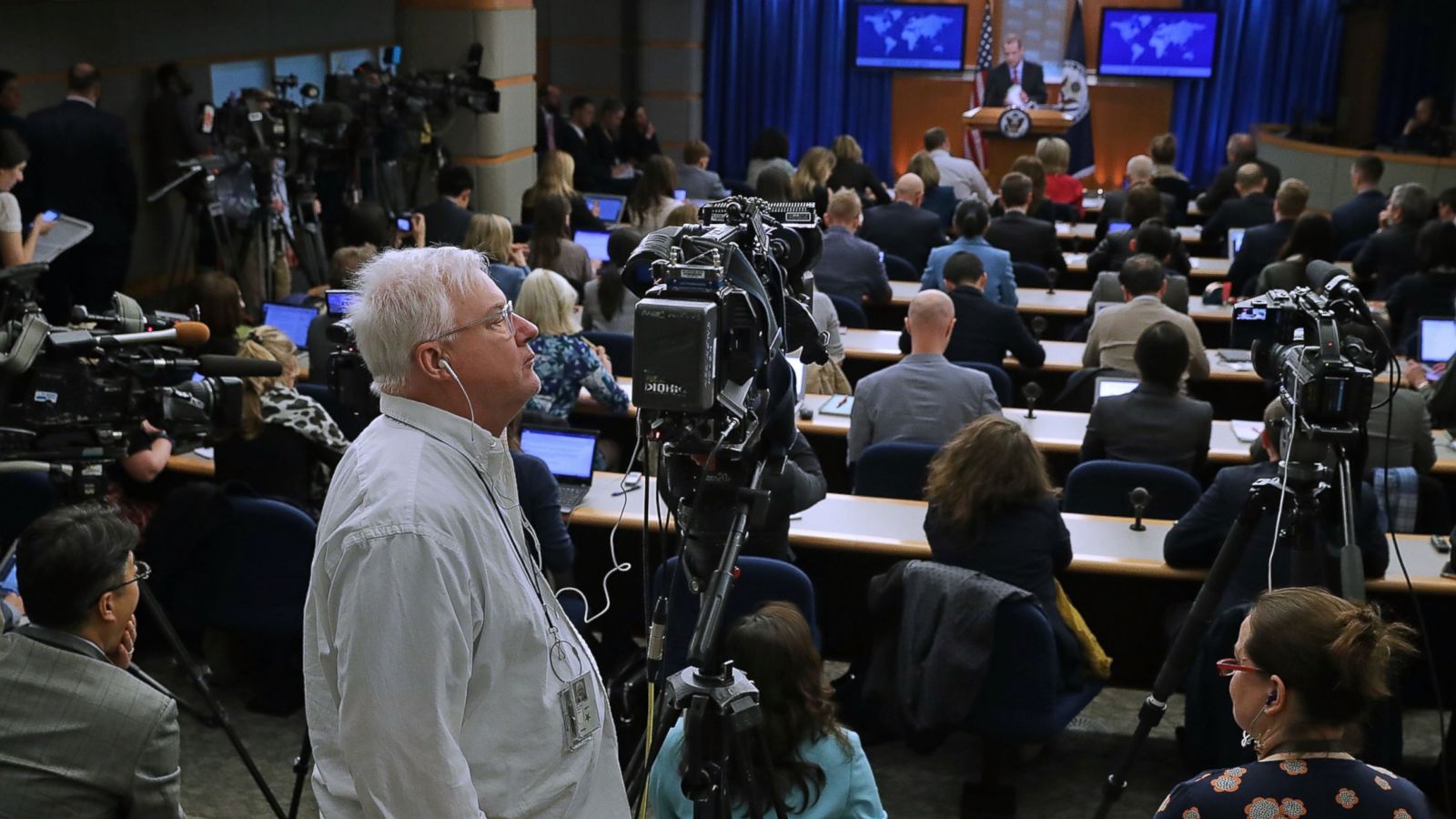
The remarks were made during a press availability in Washington, where policymakers underscored alliance unity. The position strengthens cooperation with European partners and reflects broader strategic priorities within US foreign policy.
A senior official stated,
“We stand firmly behind verified assessments shared by our European allies.”
The comment underscores the administration’s decision to avoid divergence from established investigative conclusions. Analysts say such alignment reduces uncertainty within NATO and preserves diplomatic leverage.
The Navalny Case and International Reaction
European governments previously concluded that Navalny was poisoned with a banned nerve agent. The findings prompted coordinated sanctions, diplomatic expulsions, and renewed scrutiny of Moscow’s compliance with international norms.
By reaffirming acceptance of those conclusions, US foreign policy maintains consistency with earlier positions and reinforces solidarity across Western alliances.
Global reaction has been measured. Governments across Europe expressed quiet approval of Washington’s reaffirmation, noting that clarity prevents speculation about shifting strategic priorities.
Alliance Unity and Multilateral Coordination
Transatlantic unity remains central to diplomatic strategy. Washington’s acknowledgment of European investigative work highlights the importance of collaboration in enforcing chemical weapons prohibitions.
A European diplomat noted,
“Our strength lies in shared facts and collective resolve.”
Such statements reflect the importance of synchronized messaging in preserving alliance credibility. Observers argue that divergence could weaken enforcement mechanisms and embolden adversaries.
The reaffirmation demonstrates how US foreign policy integrates legal principles, intelligence cooperation, and diplomatic strategy into a cohesive approach.
Legal Frameworks and Chemical Weapons Norms
International conventions prohibit the use of chemical agents against individuals. Enforcement relies on credible investigations and coordinated diplomatic consequences.
Legal scholars emphasize that supporting allied conclusions reinforces treaty integrity. By standing behind European findings, US foreign policy underscores commitment to global nonproliferation standards.
The Navalny case has become a contemporary reference point in discussions about accountability and international law. Upholding investigative findings sends a broader message about the consequences of violating established norms.
Security Calculations and NATO Strategy
The reaffirmation was delivered as NATO continues consultations on security challenges in Europe and beyond. Consistency in messaging supports deterrence strategies.
A defense analyst based in Washington commented,
“Alliance cohesion is a strategic asset that cannot be compromised.”
Such perspectives highlight the intersection between diplomacy and defense planning. Within US foreign policy, clarity regarding investigative conclusions strengthens collective security postures.
NATO officials stress that unity on legal and factual matters enhances credibility when addressing other security threats.
Economic Implications and Sanctions Policy
Sanctions imposed after the poisoning targeted individuals and entities believed to be linked to the incident. Coordinated measures aimed to impose consequences without escalating military tensions.
Market observers note that reaffirmation of established positions provides predictability. Stability in US foreign policy reduces speculation about sudden policy reversals that could unsettle financial markets.
Energy markets, trade flows, and investment patterns often react to diplomatic signals. Clear communication from Washington minimizes uncertainty.
Domestic Political Landscape
In Washington, bipartisan consensus has largely supported accountability measures tied to the poisoning case. Lawmakers across parties previously urged coordinated action with European allies.
Reiterating alignment reinforces that consensus. Analysts note that consistent messaging within US foreign policy helps project institutional stability, particularly during election cycles.
Public opinion surveys indicate that American voters generally support defending international norms against chemical weapons use. Policymakers are mindful of those expectations.
Global Diplomatic Messaging
Statements delivered in Washington resonate worldwide. Even subtle shifts in tone can influence diplomatic calculations in Asia, the Middle East, and Latin America.
By confirming there is no dispute with European findings, US foreign policy communicates steadiness rather than recalibration.
International relations experts argue that predictable behavior strengthens diplomatic credibility. In complex geopolitical environments, consistency can deter escalation.
Strategic Continuity in 2026
The 2026 geopolitical environment is marked by overlapping crises, including regional conflicts and technological competition. Against that backdrop, alliance unity becomes even more significant.
The Navalny case continues to influence perceptions of governance and accountability. Supporting investigative conclusions ensures the issue remains part of broader diplomatic considerations.
Within US foreign policy, maintaining continuity enhances leverage in negotiations on unrelated issues such as arms control and cyber security.
Energy Security and Geopolitical Stability
Energy markets remain sensitive to diplomatic tensions involving Russia and Western nations. Coordinated sanctions and policy alignment help manage volatility.
Experts suggest that reaffirmation of established findings signals that no abrupt change is forthcoming. Stability within US foreign policy contributes to overall geopolitical predictability.
Such predictability benefits global markets and reduces the likelihood of abrupt economic disruptions.
Media Influence and Public Communication
Media coverage initially shaped public understanding of the poisoning case. Investigative updates and diplomatic reactions formed a narrative centered on accountability.
Reaffirming alignment reinforces that narrative. Communication professionals say that repetition of consistent positions enhances trust.
In Washington, officials continue to emphasize transparency. Within US foreign policy, clarity is seen as a cornerstone of credibility.
History of Chemical Weapons Enforcement
Throughout modern history, the international community has sought to prevent chemical weapons use through treaties and verification regimes. The Chemical Weapons Convention represents a milestone in that effort.
The Navalny case stands as a contemporary example of coordinated investigative response. By supporting European findings, US foreign policy aligns current decisions with decades of treaty development aimed at preventing chemical warfare.
Historical precedents demonstrate that collective enforcement mechanisms deter future violations more effectively than unilateral action.
Diplomatic Signals to Moscow
Relations between Washington and Moscow remain complex. While tensions persist, dialogue continues on issues such as arms control and regional stability.
Reaffirming acceptance of investigative findings does not preclude engagement. Instead, it establishes a clear baseline for discussions.
Analysts describe the current posture within US foreign policy as firm yet calibrated, combining accountability with openness to diplomatic channels.
Looking Ahead to Future Negotiations
Future diplomatic talks may revisit sanctions or confidence-building measures. The Navalny case will likely remain a reference point in broader negotiations.
For now, Washington’s message is consistent: there is no dispute with European conclusions. That clarity strengthens alliance cohesion.
Observers expect continued coordination through NATO and bilateral consultations. Within US foreign policy, sustained alignment reinforces strategic objectives beyond a single case.
A Defining Moment in Alliance Diplomacy
The clarification delivered in Washington in 2026 reflects a broader commitment to unity, credibility, and international law. By standing behind European findings, US foreign policy underscores its reliance on verified assessments and collective action.
As geopolitical competition intensifies, consistency becomes a strategic advantage. Washington’s reaffirmation strengthens alliances and clarifies its diplomatic trajectory for the year ahead.
The events unfolding in Washington illustrate how coordinated messaging shapes global perceptions. In reaffirming alignment, policymakers reinforce stability and underscore the enduring importance of alliance solidarity in 2026.