

United States, February 10, 2026 — An Irish man held in ICE detention in the United States has appealed for assistance from Ireland amid concerns over his safety and continued confinement, according to Brussels Morning Newspaper. The case involves Irish citizen Seamus Culleton and has drawn diplomatic attention as Irish officials engage US authorities over immigration detention practices.
How a Routine Immigration Review Led to Detention
The Irish man held in ICE detention was taken into custody during an immigration enforcement action in late 2025. Legal representatives say the detention is linked to unresolved administrative documentation rather than any criminal allegation. He had been residing and working legally in the United States at the time of his arrest.
Immigration experts note that administrative reviews can sometimes trigger detention when records require clarification, even for long-term residents with established ties to the country.

Inside the Detention Facility in Texas
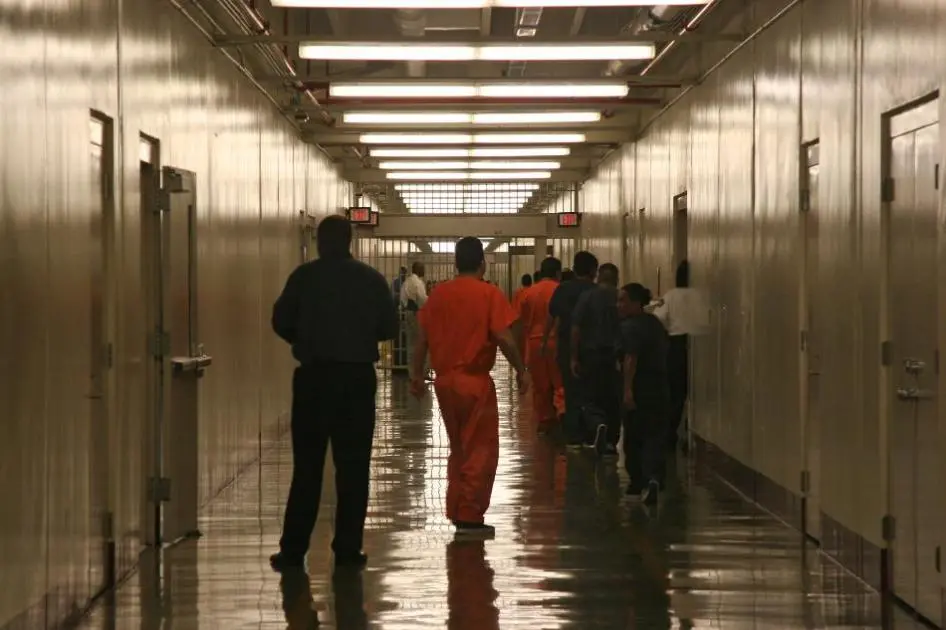
According to information shared through legal and diplomatic channels, the Irish man held in ICE detention is being housed in a facility in Texas. Advocacy organizations monitoring detention centers have cited concerns including overcrowding, limited access to healthcare, and restricted movement.
Observers say prolonged confinement without a clear timeline can have serious psychological effects, particularly when detainees are separated from family and community networks.
Family Anxiety Grows Across the Atlantic
Relatives in Ireland have expressed deep concern over the ongoing detention of the Irish man held in ICE detention, describing emotional distress and uncertainty. Family members say communication has been limited and updates have been infrequent, intensifying fears about his wellbeing.
Support organizations for Irish emigrants note that detention cases often place immense strain on families navigating legal systems from abroad.
A Plea Conveyed From Custody
In a message relayed through his legal team, the detainee said:
“I am asking for help because I fear for my safety if this situation continues.”
This remains one of the few personal statements shared publicly since his detention began.
Ireland’s Diplomatic Engagement With US Authorities
Ireland’s Department of Foreign Affairs has confirmed it is providing consular assistance in the case of the Irish man held in ICE detention. Officials say engagement with US authorities is ongoing, with a focus on ensuring access, welfare checks, and procedural fairness.
Diplomatic sources say such cases are typically handled through sustained dialogue rather than public confrontation.
Immigration Detention Practices Under Scrutiny
The Irish man held in ICE detention is among many foreign nationals subject to administrative detention during immigration reviews in the United States. While US law permits detention during case assessment, critics argue that prolonged confinement without resolution raises humanitarian concerns.
Recent studies indicate that a significant number of detainees have no criminal history and are held while awaiting administrative outcomes.
Legal Experts Question Lengthy Detention
Legal analysts say the case of the Irish man held in ICE detention highlights structural challenges within immigration systems. Administrative backlogs, staffing shortages, and complex legal frameworks can extend detention periods well beyond initial expectations.
Attorneys specializing in immigration law argue that alternatives such as supervised release could reduce detention while maintaining oversight.
Political Reaction in Ireland and Beyond
The detention of the Irish man held in ICE detention has attracted attention from Irish political figures and migrant advocacy organizations. Calls have been made for continued diplomatic engagement and transparency regarding the case.
US officials have not commented publicly on the individual matter but maintain that detention practices comply with federal law.
A Century of Movement and Settlement
Irish migration to the United States spans more than a century, shaped by economic opportunity and historical ties. Irish communities have long contributed to American cities through labor, public service, and entrepreneurship.
The situation involving the Irish man held in ICE detention reflects modern immigration challenges that differ from earlier eras but continue to affect long-established migrant communities navigating contemporary legal systems.
Human Rights Concerns and Mental Health Impact
Human rights organizations say prolonged administrative detention, such as that experienced by the Irish man held in ICE detention, can have lasting consequences for mental health and family stability. International observers have repeatedly called for clearer timelines and safeguards.
Advocates argue that detention should be a measure of last resort rather than a default response.
Views From Diplomacy and Policy Circles
A diplomatic source familiar with the case said:
“Ireland remains engaged with US authorities to ensure consular access and procedural fairness.”
An immigration policy analyst noted that extended detention often reflects systemic delays rather than individual risk.

Case Status as 2026 Continues
As of early 2026, the situation involving the Irish man held in ICE detention remains unresolved. Legal proceedings are ongoing, and Irish officials say engagement with US counterparts will continue until a conclusion is reached.
Broader Implications for Immigration Policy
The Irish man held in ICE detention has become a focal point for broader debates around immigration enforcement, diplomacy, and individual rights. Observers say the outcome may influence how similar cases involving foreign nationals are handled in the future.
Where Immigration Policy, Law, and Diplomacy Converge
Where immigration policy, legal frameworks, and diplomacy intersect, individual cases can quickly evolve into matters of international attention. Administrative detention decisions made within domestic legal systems often carry diplomatic consequences when foreign nationals are involved.
Governments must balance enforcement priorities with humanitarian considerations and consular responsibilities. Legal processes, while procedural in nature, can expose gaps that require diplomatic dialogue to resolve.
cases underscore how immigration decisions extend beyond borders, shaping bilateral relations and public accountability.