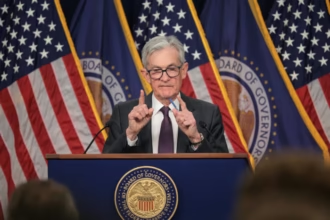

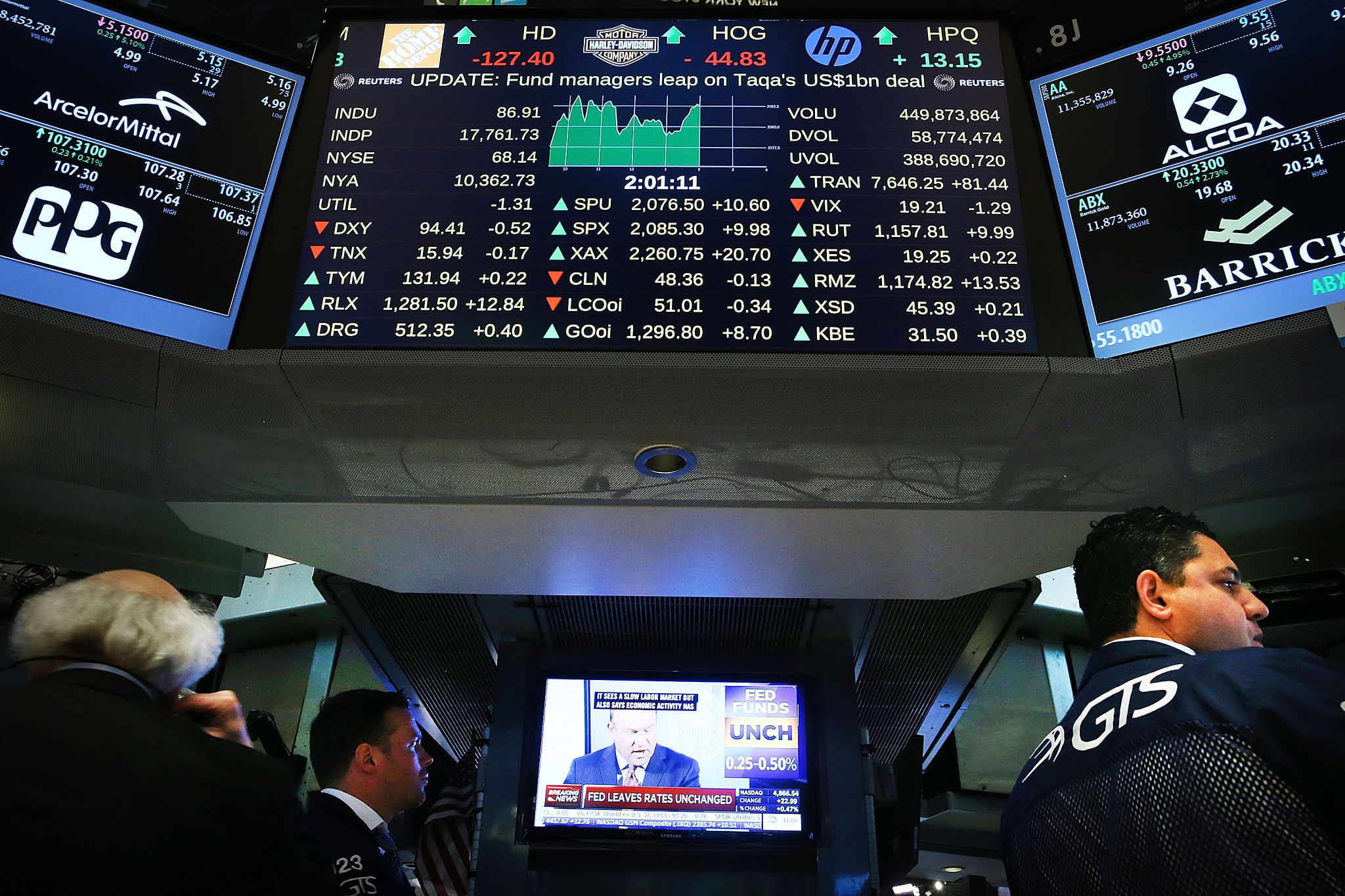
Washington, January, 2026 — The Federal Reserve kept borrowing costs unchanged on Wednesday, opting for caution as policymakers weigh moderating inflation against signs of resilience in the labor market. The decision places US interest rates at the center of economic debate as markets, households, and governments look for clarity on the future path of monetary policy.
The announcement followed a two-day meeting of the Federal Open Market Committee, with officials emphasizing the need for sustained progress on price stability before considering any policy adjustment.
Federal Reserve Chooses Continuity Over Sudden Shifts
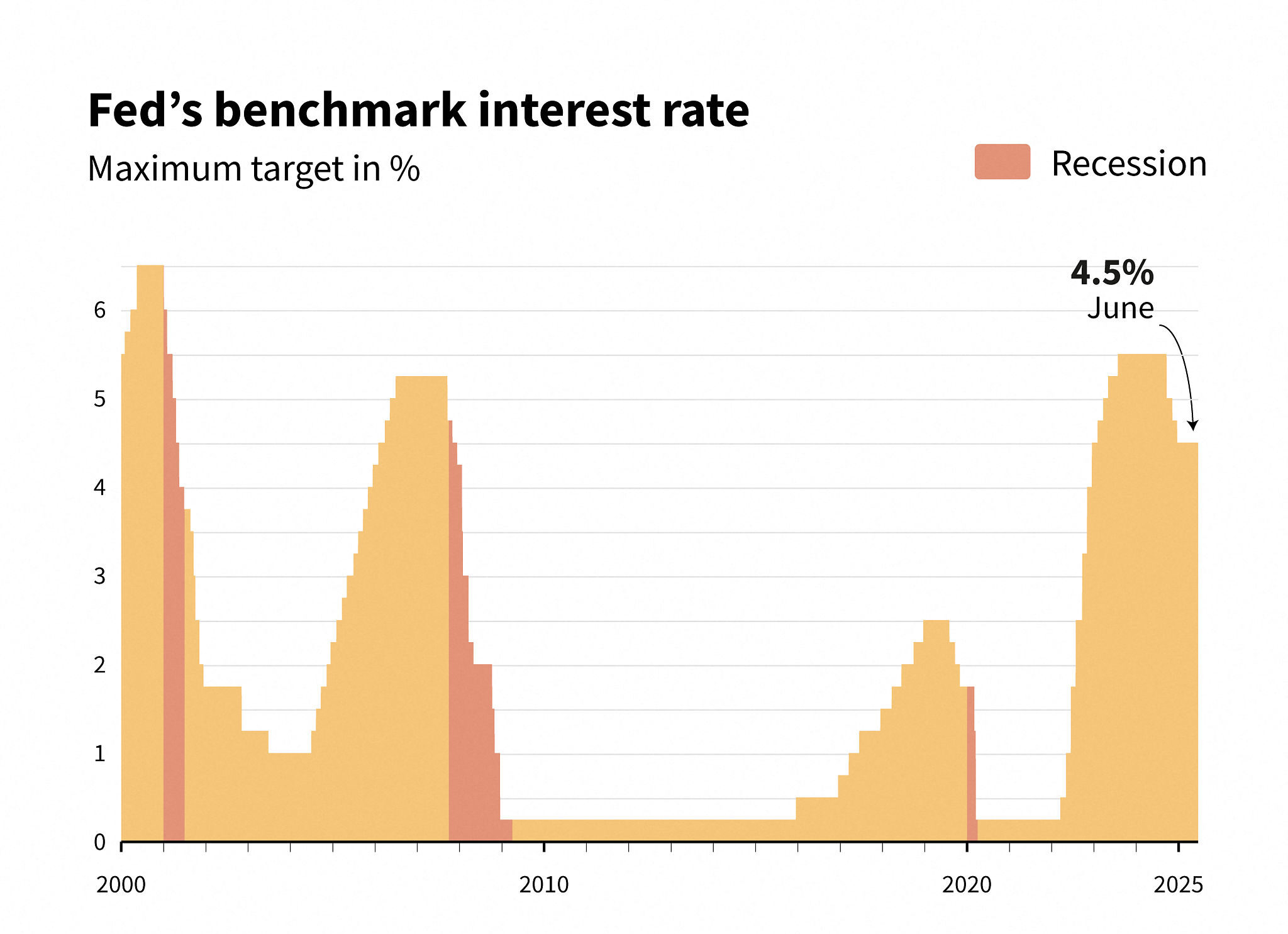
The central bank’s decision reflects a strategy of continuity rather than reaction. After an aggressive tightening cycle in previous years, policymakers now believe monetary conditions are sufficiently restrictive to guide inflation lower without stalling growth.
Holding US interest rates steady allows officials to assess the delayed impact of earlier measures, particularly on consumer demand, credit availability, and business investment. Central bank leaders stressed that policy decisions would remain data-driven, avoiding commitments tied to market expectations.
Inflation Moderates but Pressures Persist
Recent inflation data show a gradual easing in price pressures, supported by improved supply chains and softer demand. However, services inflation and housing costs remain stubborn, complicating the outlook.
Officials noted that while progress is evident, inflation has not yet returned to levels consistent with long-term stability. This assessment reinforced the decision to maintain US interest rates at current levels until policymakers gain greater confidence that price trends are firmly under control.
Labor Market Stability Shapes the Fed’s Calculus
Employment conditions continue to play a decisive role in policy discussions. Job creation has slowed from post-pandemic highs but remains steady, while unemployment levels suggest ongoing labor market resilience.
The Fed acknowledged that a stable employment backdrop reduces pressure for immediate policy easing. Wage growth has moderated, helping to cool inflation without triggering widespread job losses. This balance supports the case for holding US interest rates unchanged while monitoring future labor data.
Market Response Signals Acceptance of Fed Strategy
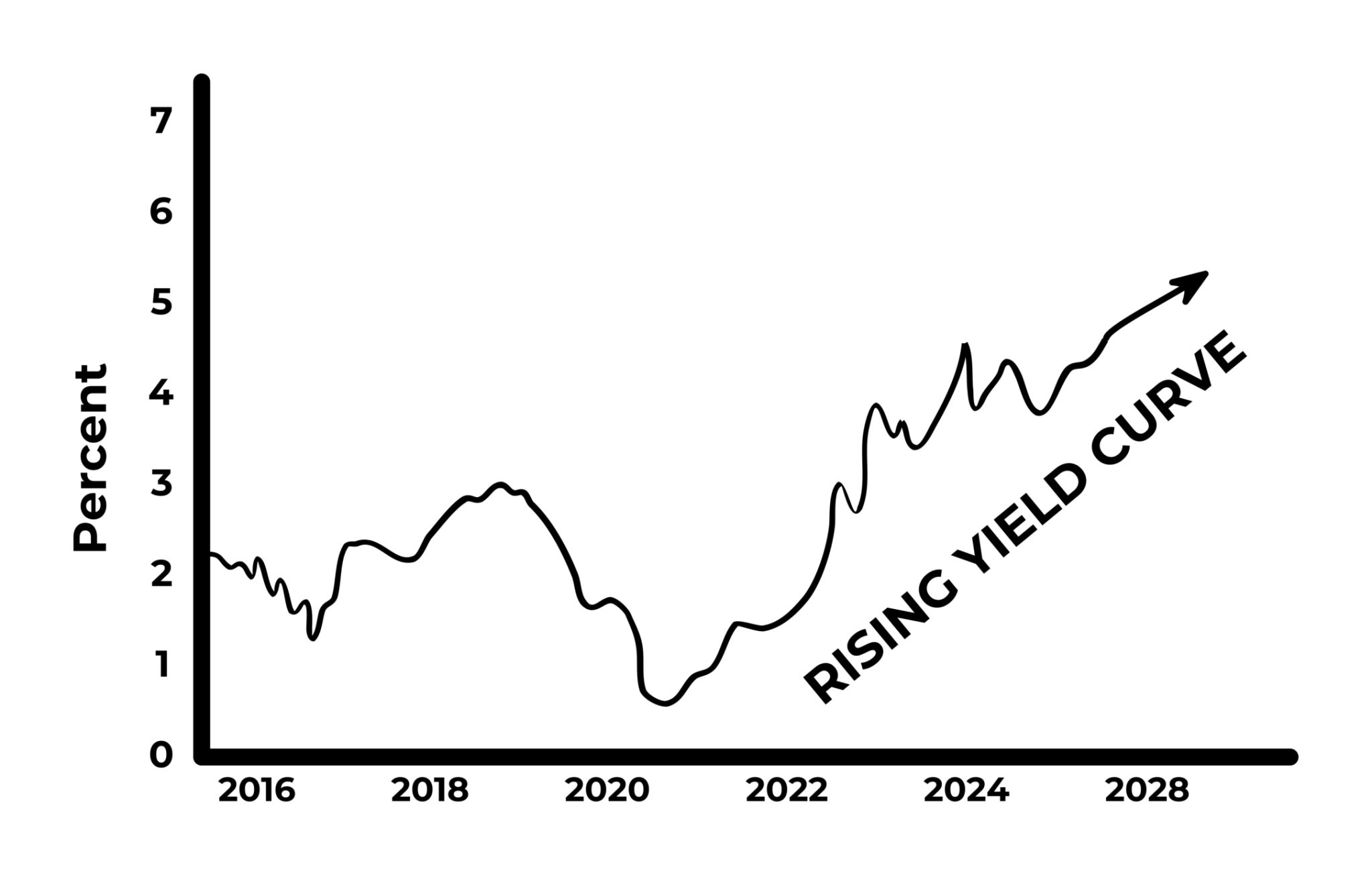
Financial markets reacted calmly to the announcement, suggesting that investors had largely anticipated the outcome. Equity markets recorded modest moves, while bond yields reflected expectations that policy will remain restrictive in the near term.
Analysts observed that predictability surrounding US interest rates helped contain volatility, particularly in interest-sensitive sectors such as housing, banking, and technology. Currency markets also showed limited reaction, underscoring confidence in the Fed’s measured approach.
Global Implications of the Fed’s Decision
The Federal Reserve’s actions continue to influence global financial conditions. Higher borrowing costs in the United States affect capital flows, emerging market currencies, and sovereign debt dynamics worldwide.
By keeping US interest rates steady, the Fed provided temporary stability for international markets facing economic uncertainty. Central banks abroad are closely monitoring US policy signals as they navigate their own inflation and growth challenges.
Consumer Borrowing Remains Under Pressure
For American households, elevated borrowing costs continue to shape financial decisions. Mortgage rates remain high, affecting home affordability, while credit card and auto loan rates add pressure to household budgets.
Holding US interest rates at current levels prolongs these conditions, encouraging cautious spending and higher savings rates. Economists note that while this dampens short-term consumption, it supports longer-term financial stability.
Business Investment Adjusts to Higher Financing Costs
Businesses are adapting to tighter financial conditions by prioritizing efficiency and delaying expansion plans. Higher borrowing costs have influenced corporate decision-making, particularly in capital-intensive industries.
Despite these challenges, many firms have adjusted successfully, aided by strong balance sheets and moderated wage pressures. The Fed views this adjustment as evidence that maintaining US interest rates at current levels has not derailed economic activity.
Fiscal Policy Intersects With Monetary Decisions
The policy decision also carries implications for federal finances. Elevated borrowing costs increase debt servicing expenses, adding pressure to government budgets amid ongoing fiscal debates in Washington.
Lawmakers are closely watching how US interest rates affect long-term debt sustainability, particularly as spending priorities evolve. The interaction between fiscal and monetary policy remains a key factor shaping the broader economic outlook.
Fed Reiterates Data-Dependent Strategy
Federal Reserve officials emphasized that future policy decisions will depend on economic data rather than predetermined timelines. Inflation trends, employment figures, and financial conditions will guide the next steps.
One senior economist said, “The central bank is focused on ensuring inflation is sustainably under control before adjusting US interest rates in any direction.”
Housing Market Continues to Feel Policy Impact
The housing sector remains one of the most affected by elevated borrowing costs. Higher mortgage rates have slowed home sales and dampened construction activity in several regions.
While demand has softened, supply constraints continue to support home prices in many markets. The Fed views these developments as part of the broader transmission of US interest rates through the economy.
Credit Conditions Tighten Across the Economy
Banks have tightened lending standards in response to higher funding costs and regulatory pressures. Small businesses, in particular, face challenges accessing affordable credit.
Maintaining US interest rates at current levels reinforces cautious lending behavior, contributing to slower but more sustainable economic growth. Policymakers are closely monitoring credit markets for signs of excessive stress.
Long-Term Outlook Remains Uncertain
Despite improving inflation trends, uncertainty continues to shape the economic outlook. Geopolitical risks, energy price fluctuations, and global growth dynamics all influence future policy decisions.
The Fed believes that holding US interest rates steady provides flexibility, allowing policymakers to respond effectively to emerging risks without undermining credibility.
Central Bank Credibility and Market Confidence
Credibility remains a cornerstone of the Fed’s strategy. Officials are keenly aware that premature policy easing could reignite inflation, damaging public trust.
By maintaining US interest rates at restrictive levels, the central bank aims to reinforce confidence in its commitment to long-term price stability and economic resilience.
A Defining Policy Moment in 2026
The Federal Reserve’s latest decision highlights the complexity of navigating a post-inflation environment. Economic growth remains steady, inflation is easing gradually, and employment conditions are stabilizing.
Keeping US interest rates unchanged signals a preference for patience over urgency, marking a defining moment in the central bank’s approach to monetary policy in 2026.
Stability Over Speed
As policymakers look ahead, the message from Washington is clear. The Federal Reserve is prepared to wait, observe, and respond based on evidence rather than expectations.
With US interest rates holding firm, the focus remains on achieving durable price stability while preserving economic momentum in an uncertain global landscape.