
London, January, 2026 — Gold investment 2026 has moved firmly into the global financial spotlight as investors navigate a complex mix of slowing growth currency instability and geopolitical uncertainty. Trading activity across London’s bullion markets intensified this week reflecting a broader shift toward defensive assets as confidence in traditional risk instruments weakened.
Market participants described a steady rise in demand from institutional funds private wealth managers and sovereign entities seeking long term stability rather than short term speculation.
Global Markets Enter a Defensive Phase
The global financial system in 2026 is marked by uneven recovery patterns and persistent structural stress. Equity markets have shown increased volatility while bond yields remain compressed by cautious central bank policies. Within this environment gold investment 2026 has emerged as a preferred strategy for preserving value during periods of economic re-calibration.
Analysts note that gold’s performance is less about sudden shocks and more about a slow recognition that the global economy is adjusting to a new balance of power debt and growth.
London’s Role as a Strategic Gold Hub
London continues to function as a cornerstone of the international gold trade. Clearing volumes storage activity and price discovery mechanisms operating through the city have positioned it at the center of current market developments. According to bullion desks operating in the capital gold investment 2026 reflects London’s enduring relevance as a gateway between Eastern demand and Western financial infrastructure.
The city’s regulatory framework transparency and liquidity have reinforced investor confidence during uncertain times.
Currency Pressure Shapes Asset Allocation
Currency markets have played a decisive role in reshaping investor priorities this year. Persistent weakness across several major currencies has raised concerns about long term purchasing power and fiscal sustainability. Against this backdrop gold investment 2026 has gained momentum as a neutral asset free from sovereign risk.
Market strategists emphasize that gold’s appeal lies in its independence from policy driven currency valuation making it an effective hedge against prolonged monetary stress.
Central Banks Influence the Long Term Trend
Official sector activity remains a powerful force within the gold market. Central banks in emerging and developed economies alike continue to adjust reserve strategies to reduce over-reliance on fiat holdings. This trend has quietly reinforced gold investment 2026 by creating a consistent base of demand that is largely insensitive to short term price fluctuations.
Reserve diversification has become a long range policy objective rather than a tactical adjustment.
Inflation Expectations Remain Embedded
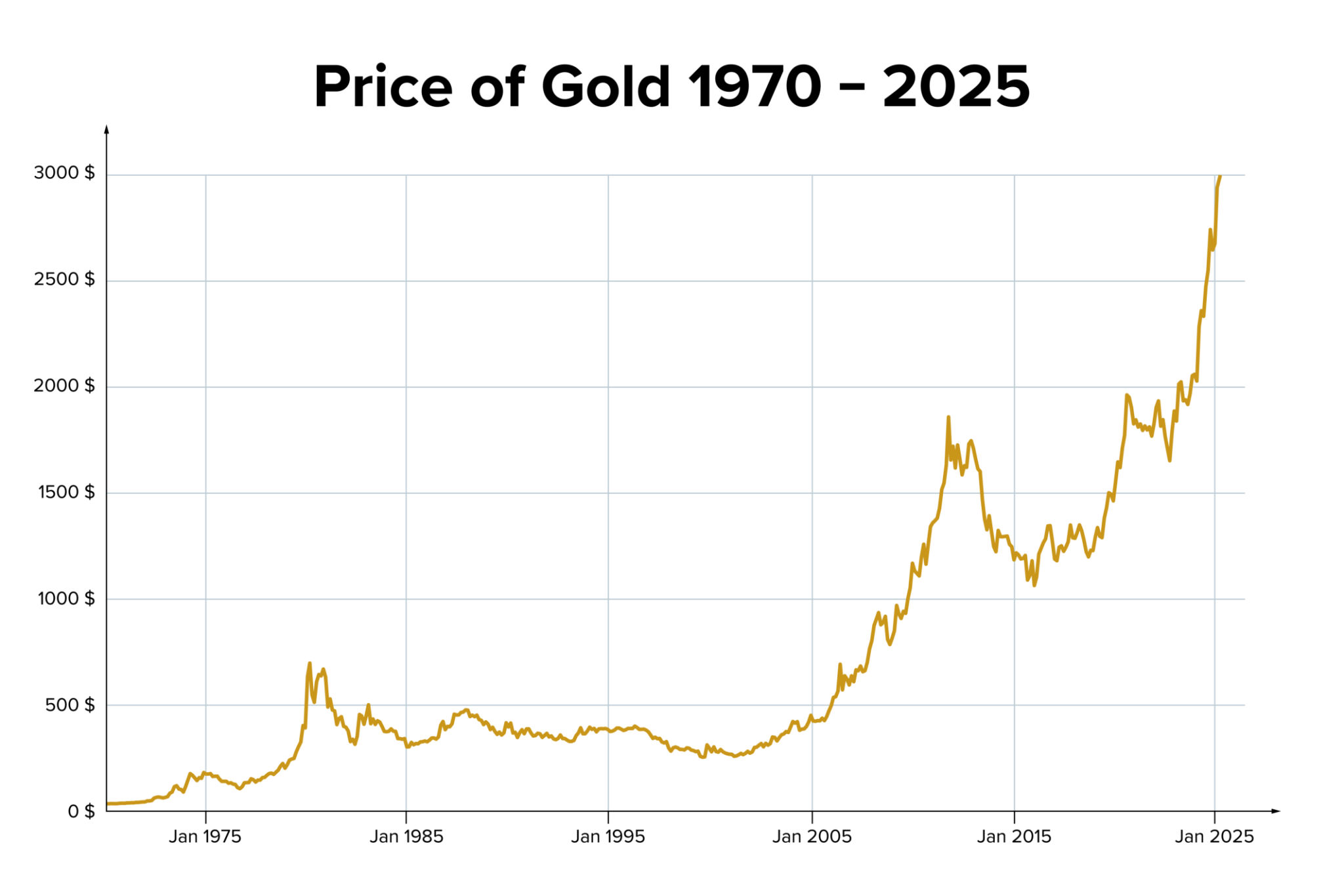
While headline inflation has cooled in select regions underlying price pressures persist across energy housing and services. These dynamics have sustained interest in assets that historically preserve real value. Within this context gold investment 2026 is increasingly viewed as a response to structural inflation rather than cyclical price spikes.
Economists caution that inflation risks may resurface quickly should supply chains or energy markets experience renewed disruption.
Institutional Investors Adjust Portfolio Strategy
Large asset managers pension funds and insurance groups have gradually re-balanced portfolios to reflect elevated global risk. Rather than aggressive repositioning many institutions are pursuing incremental shifts. Industry data indicates that gold investment 2026 is being integrated as a stabilizing allocation designed to smooth returns across market cycles.
This approach aligns with broader risk management practices emphasizing resilience over yield maximization.
Physical Demand Adds Market Depth
Beyond financial instruments demand for physical bullion has increased steadily across Europe the Middle East and Asia. Dealers report higher interest in allocated storage and long term holding programs. This physical dimension supports gold investment 2026 by anchoring prices to tangible demand rather than purely speculative flows.
Retail participation remains disciplined suggesting a focus on preservation rather than short term trading.
Technology Improves Market Transparency
Advances in settlement systems custody reporting and real time pricing have improved access to gold markets. Enhanced transparency has reduced operational risk and increased participation from institutional investors previously constrained by infrastructure limitations. These improvements indirectly support gold investment 2026 by strengthening confidence in market integrity.
Digital reporting and compliance tools have also streamlined cross border transactions.
Geopolitical Risk Continues to Reshape Demand
Ongoing geopolitical tensions trade realignments and regional conflicts continue to influence investor psychology. In times of heightened uncertainty capital often seeks assets with historical credibility. Analysts observe that gold investment 2026 reflects this instinctive shift toward instruments perceived as politically neutral and globally accepted.
Risk assessments increasingly incorporate geopolitical scenarios alongside economic forecasts.
Market Insight
One senior market analyst said,
“Gold is being treated less as a reactionary hedge and more as a strategic anchor within long term portfolios reflecting deeper uncertainty about the global financial order.”
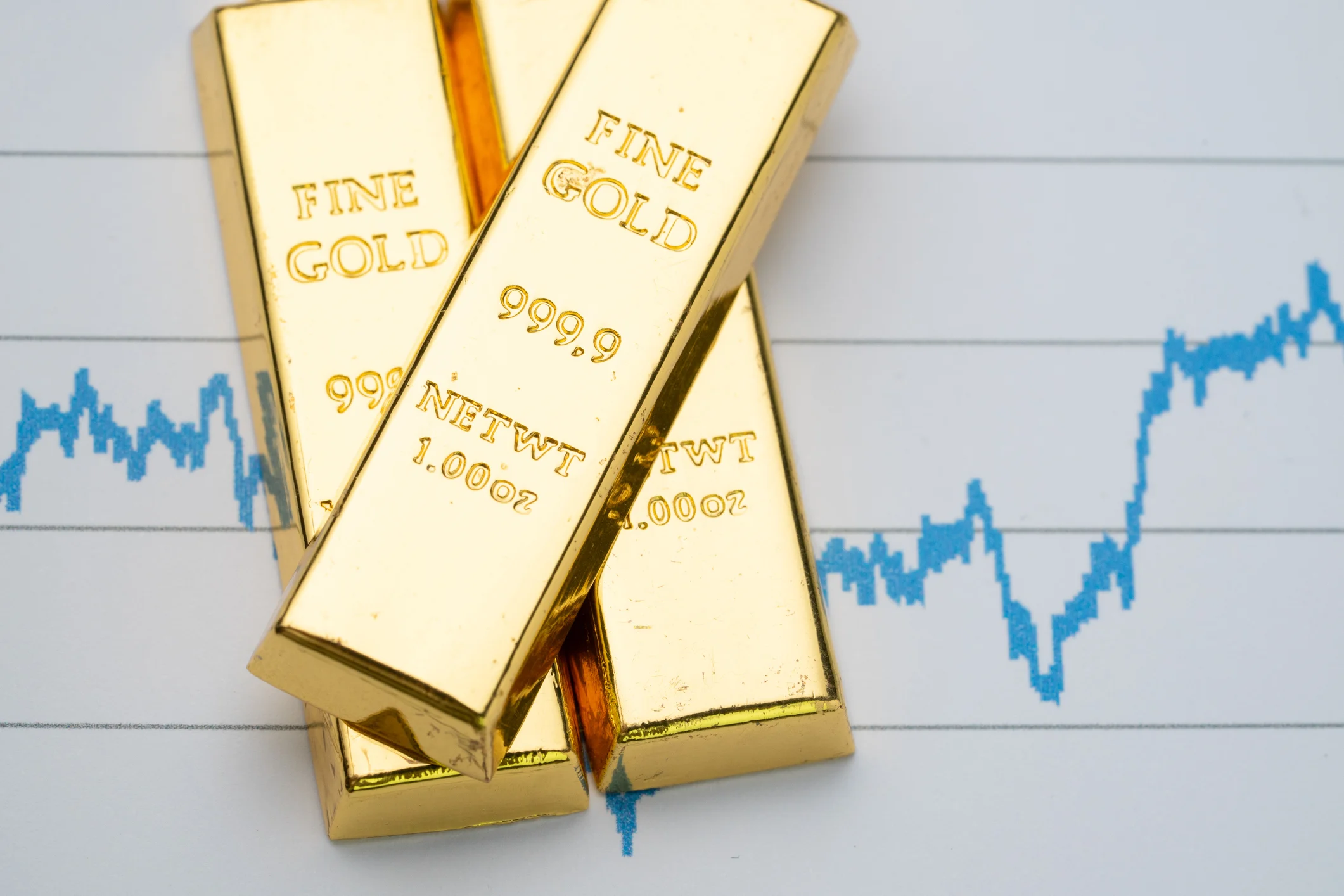
Comparative Performance Against Other Assets
When measured against equities bonds and alternative assets gold has delivered comparatively stable performance in 2026. While not immune to volatility its draw-downs have been shallower and recoveries more consistent. This relative stability has strengthened the case for gold investment 2026 among investors seeking balance rather than out sized returns.
Diversification benefits remain a central argument in portfolio construction discussions.
Regional Demand Patterns Show Consistency
Demand patterns across regions reveal consistent themes despite local variations. Asian markets emphasize physical accumulation while European investors favor regulated financial products. In both cases gold investment 2026 serves as a hedge against macroeconomic uncertainty rather than a speculative bet.
Cross regional alignment underscores gold’s universal financial role.
Regulatory Environment Remains Supportive
Regulators have largely maintained stable frameworks governing precious metals trading storage and reporting. This predictability has reduced compliance risk and encouraged institutional engagement. Market participants suggest that regulatory clarity has quietly supported gold investment 2026 by minimizing operational uncertainty.
Policy continuity is viewed as a stabilizing factor amid broader financial reform.
Outlook for the Remainder of the Year
Looking ahead analysts expect continued interest in gold provided current economic conditions persist. While short term corrections are possible structural drivers remain intact. The outlook for gold investment 2026 is therefore shaped less by price targets and more by its role within diversified strategies.
Market participants remain attentive to central bank signals currency trends and geopolitical developments.
Why 2026 Is Becoming a Turning Point for Gold
As financial systems adapt to shifting economic realities 2026 is increasingly seen as a year that redefined strategic asset allocation. Gold’s renewed prominence reflects a broader reassessment of risk stability and value in a changing world.