
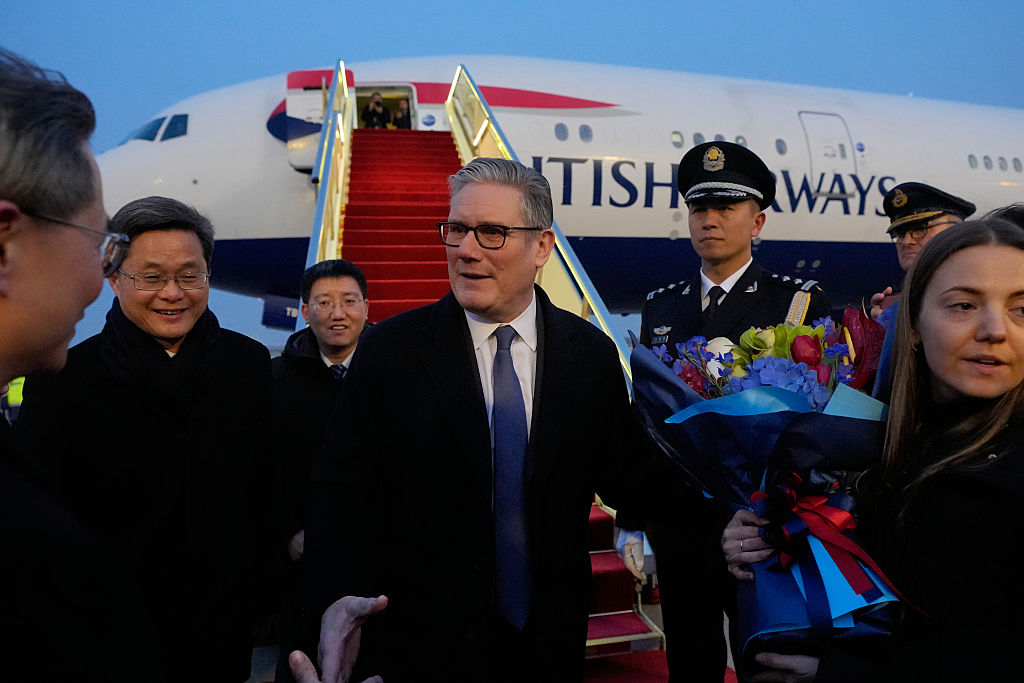
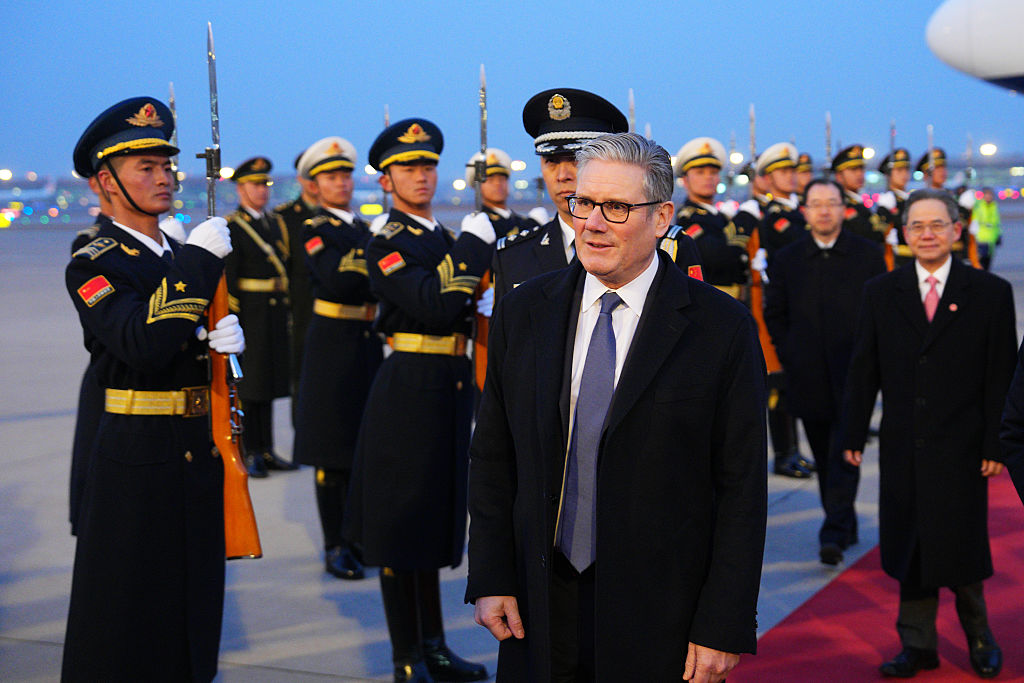
Beijing, January, 2026 — Global diplomatic attention sharpened as the Starmer China visit placed Britain’s foreign policy approach under renewed scrutiny. Arriving in the Chinese capital, Keir Starmer opened a high level diplomatic engagement with China, signaling a carefully calibrated effort to rebuild dialogue while keeping British national priorities firmly in view. The visit unfolds against a backdrop of economic uncertainty, strategic competition, and shifting global alliances, giving it significance far beyond bilateral ties.
Officials accompanying the prime minister described the timing as deliberate, noting that Britain is seeking stable international relationships as it navigates a complex global environment in the mid 2020s.
A Diplomatic Moment Shaped by Global Change
The context surrounding the Starmer China visit is defined by rapid geopolitical transformation. Power balances are evolving, economic systems are adjusting to post pandemic realities, and middle powers are reassessing how they engage with major global actors.
For Britain, the visit represents an effort to reassert relevance through diplomacy rather than rhetoric. Analysts say London’s goal is to demonstrate that engagement with Beijing can be conducted on clear terms, avoiding both isolation and over dependence.
Why Beijing Matters to London
China remains central to global trade, manufacturing, and climate policy. British officials acknowledge that disengagement would carry economic and strategic costs. The Starmer China visit reflects recognition that dialogue with Beijing remains unavoidable for any country seeking global influence.
At the same time, UK policymakers stress that engagement must be selective. Market access, intellectual property protection, and strategic resilience are key themes shaping Britain’s approach.
Setting Expectations From the Outset
From the first meetings, British officials sought to frame the Starmer China visit as pragmatic rather than symbolic. The emphasis has been on structured dialogue, predictable engagement, and mutual clarity.
Starmer has avoided sweeping declarations, instead focusing on consistency and long term objectives. This tone is designed to manage expectations while signaling seriousness to both domestic and international audiences.
Historical Context of UK China Relations
Relations between London and Beijing have shifted repeatedly over the past two decades. Periods of optimism around trade and investment were followed by phases of caution driven by political and security concerns.
The Starmer China visit follows several years of restrained engagement, during which Britain reviewed its exposure to strategic dependencies and re-calibrated policy frameworks. Observers say the current approach reflects lessons learned from earlier cycles of engagement.
Trade at the Center of Discussions
Economic diplomacy is a central pillar of the visit. British officials are seeking to maintain market access for exporters while encouraging reciprocal openness from China.
Key sectors under discussion include financial services, green energy, advanced manufacturing, and higher education. The government has emphasized that economic cooperation must translate into tangible benefits for British workers and businesses.
Managing Strategic Risk
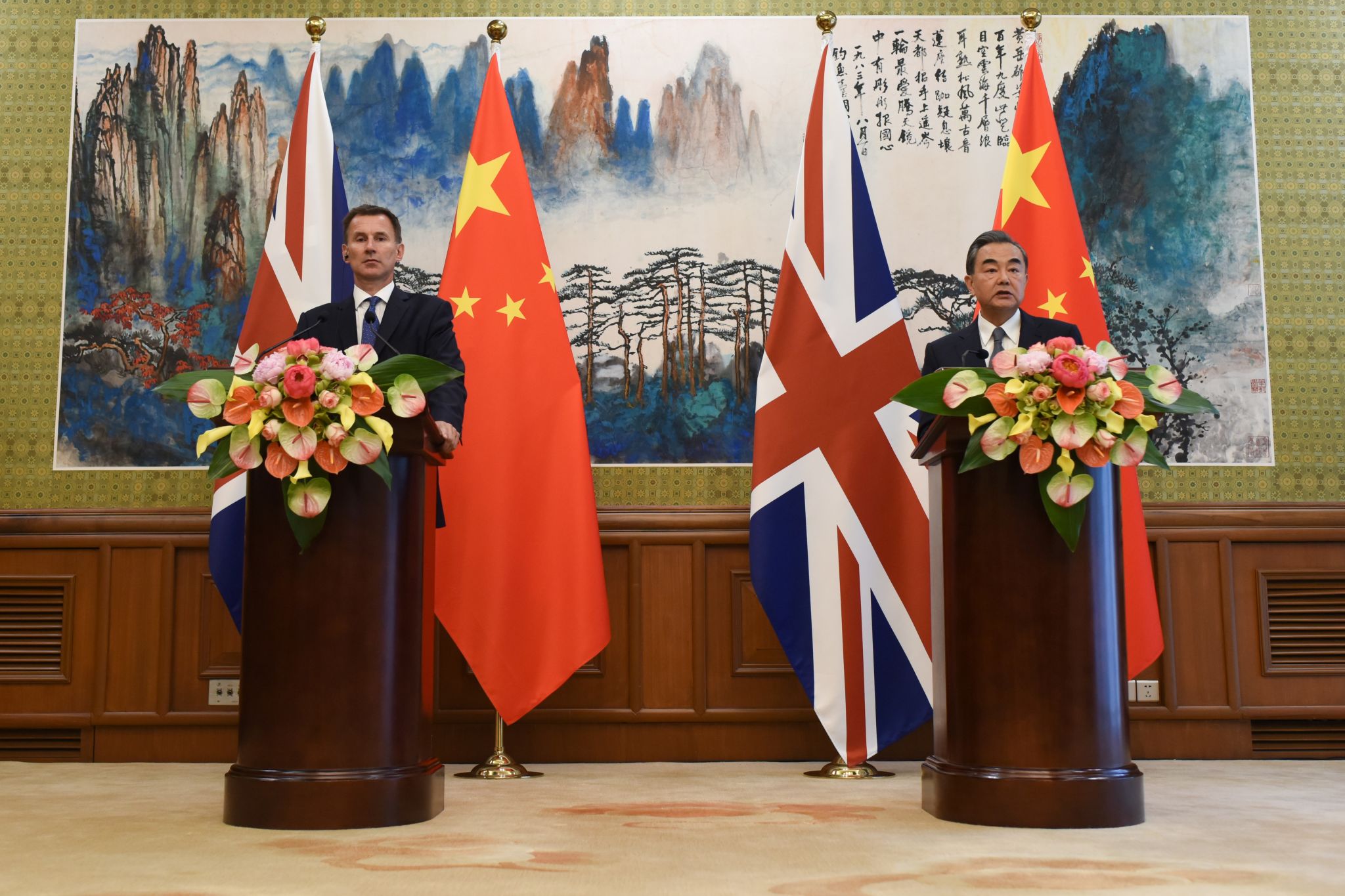
Security considerations remain inseparable from economic engagement. Issues such as cyber security, data protection, and emerging technologies are being addressed alongside trade discussions.
The Starmer China visit underscores London’s effort to manage strategic risk through oversight and regulation rather than disengagement. Officials argue that this approach strengthens resilience without closing doors.
Allied Coordination and Global Signaling
Britain’s allies are watching the visit closely. European partners and the United States are keen to understand how London positions itself within broader Western strategies toward China.
Diplomats say the Starmer China visit sends a signal that Britain intends to pursue its own diplomatic path while remaining aligned with core allies on security and values.
Domestic Political Backdrop
At home, the visit has generated debate across political lines. Supporters argue that constructive engagement is essential for economic competitiveness, while critics caution against strategic naivety.
The government has sought to reassure voters that national interest remains the guiding principle behind every aspect of the visit, framing diplomacy as a tool of protection rather than concession.
Media Attention and Public Debate
Media coverage of the visit has been extensive, reflecting its political and symbolic weight. Commentators have focused on whether Britain can balance openness with caution in its approach to Beijing.
Public debate mirrors broader questions about how democracies should engage with major powers in an era of competition rather than cooperation.
Climate Cooperation as Common Ground
Climate policy has emerged as a potential area of convergence. Both countries recognize the importance of collaboration on emissions reduction, renewable energy, and environmental protection.
Officials suggest that climate cooperation offers an opportunity to demonstrate practical benefits of engagement without compromising strategic interests.
Global Governance and Multilateral Issues
Beyond bilateral matters, discussions include global health, development finance, and reform of international institutions. The Starmer China visit is being used to explore whether cooperation is possible on shared global challenges.
British officials argue that selective multilateral engagement strengthens global stability while reinforcing Britain’s diplomatic reach.
A Single Quote on Strategy
One senior UK official involved in the visit said,
“The purpose of this engagement is clarity not concession and dialogue works best when national interest is clearly defined.”
Economic Signals to Global Markets
Financial markets have responded cautiously to the visit, viewing renewed dialogue as a potential stabilizing factor. Investors are assessing whether improved communication could reduce uncertainty in trade relations.
Economists note that predictability often matters more than dramatic policy shifts when it comes to market confidence.
Institutional Changes Behind the Scenes
The visit also reflects changes in how Britain manages foreign policy internally. Coordination between trade, security, and diplomatic departments has been strengthened to ensure consistent messaging.
Officials say these institutional adjustments were critical in preparing for the Starmer China visit.
Technology and Future Cooperation
Technology policy remains one of the most sensitive areas of engagement. Britain has emphasized safeguards around critical infrastructure while remaining open to cooperation in research and innovation.
The challenge lies in encouraging innovation without creating vulnerabilities, a balance central to discussions in Beijing.
Regional Implications Across Asia
Countries across Asia are closely observing Britain’s approach. The visit signals continued UK interest in the region beyond traditional alliances and security frameworks.
Analysts say balanced engagement could enhance Britain’s credibility as a constructive partner in Asia.
Lessons From Past Engagement
Past experiences have shaped current strategy. Officials stress that transparency, enforcement mechanisms, and regular review are essential to sustaining engagement over time.
The Starmer China visit reflects a more cautious and structured approach compared to earlier phases of UK China relations.
Long Term Diplomatic Impact
While immediate outcomes may be limited, the long term significance of the visit lies in tone and process. Establishing predictable channels of dialogue could reduce miscalculation and build confidence incrementally.
Analysts believe the visit will influence UK China relations well beyond 2026.
Balancing Values and Interests
A recurring theme throughout the visit has been the balance between economic interests and political values. British officials insist that engagement does not imply silence on areas of disagreement.
This balancing act is central to Britain’s broader foreign policy identity in the current decade.
Public Expectations and Accountability
The government has emphasized transparency, pledging to keep Parliament informed about outcomes and follow up actions. Accountability, officials argue, is essential to maintaining public trust.
This commitment has been highlighted as part of the broader rationale behind the Starmer China visit.
Where Diplomacy Meets Reality
Much of the substance behind the Starmer China visit is unfolding away from public view, through working level negotiations and institutional cooperation rather than headline announcements. Officials say success will be measured by sustained follow through, not short term statements, with expectations managed carefully as discussions progress.
Senior figures caution that outcomes linked to the visit are likely to emerge gradually and unevenly, reflecting the complexity of the relationship.
A Defining Test for UK Foreign Policy
As Britain navigates an increasingly crowded and competitive global stage, the Starmer China visit has become a test of the country’s ability to engage major powers on its own terms. The strategy combines openness with restraint, and dialogue with clear oversight mechanisms designed to protect national interests.
Observers argue that this calibrated balance will shape Britain’s diplomatic posture well beyond the current political cycle.
Beyond the Immediate Visit
While attention is currently focused on meetings in Beijing, officials stress that the real impact of the Starmer China visit will be determined after the delegation returns home. Policy reviews, technical working groups, and follow up exchanges are expected to guide the next phase of engagement.
These behind the scenes processes are seen as essential to translating diplomatic dialogue into practical outcomes.
Strategy in an Uncertain World
Ultimately, the significance of the Starmer China visit lies in whether carefully managed engagement can deliver stability, opportunity, and security in a world increasingly shaped by strategic competition rather than consensus. Policymakers say the challenge will be maintaining clarity of purpose while adapting to a rapidly changing international environment.