
Minnesota, January, 2026: A scheduled community meeting intended to promote civic dialogue instead drew national attention after a town hall incident disrupted proceedings and raised renewed concerns about the safety of elected officials. The event unfolded during a public forum attended by residents, community leaders, and a sitting member of Congress, underscoring how rapidly routine democratic engagement can become a matter of national discussion.
Town Halls as a Pillar of Civic Life
Public town halls have long been a defining feature of American democracy. These forums allow constituents to engage directly with their representatives, ask questions, and express concerns in an open environment. Historically, town halls have symbolized accessibility and accountability, reinforcing the connection between voters and the people elected to serve them.
In recent years, however, the tone of political discourse has shifted. Rising polarization has transformed some public meetings into emotionally charged environments, making security planning a growing concern for organizers nationwide.

Setting and Atmosphere Before the Disruption
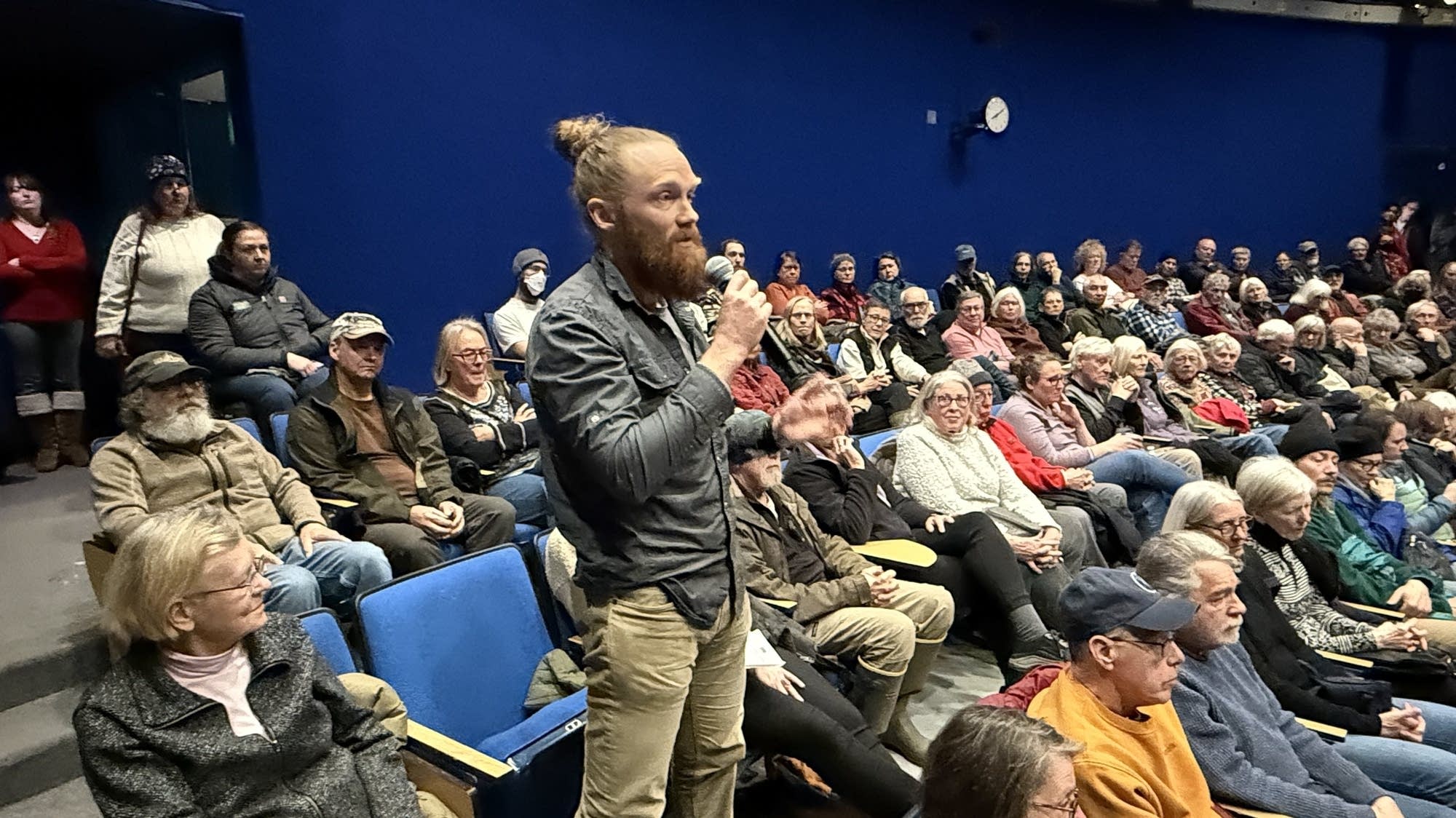
Attendees at the Minnesota meeting described a calm and orderly atmosphere at the outset. Residents arrived early, signed in, and took seats as the lawmaker addressed issues ranging from healthcare access to international affairs. Questions from the audience were respectful, reflecting the intended purpose of the forum.
This sense of normalcy made the sudden disruption particularly jarring for those present.
What Authorities Confirmed
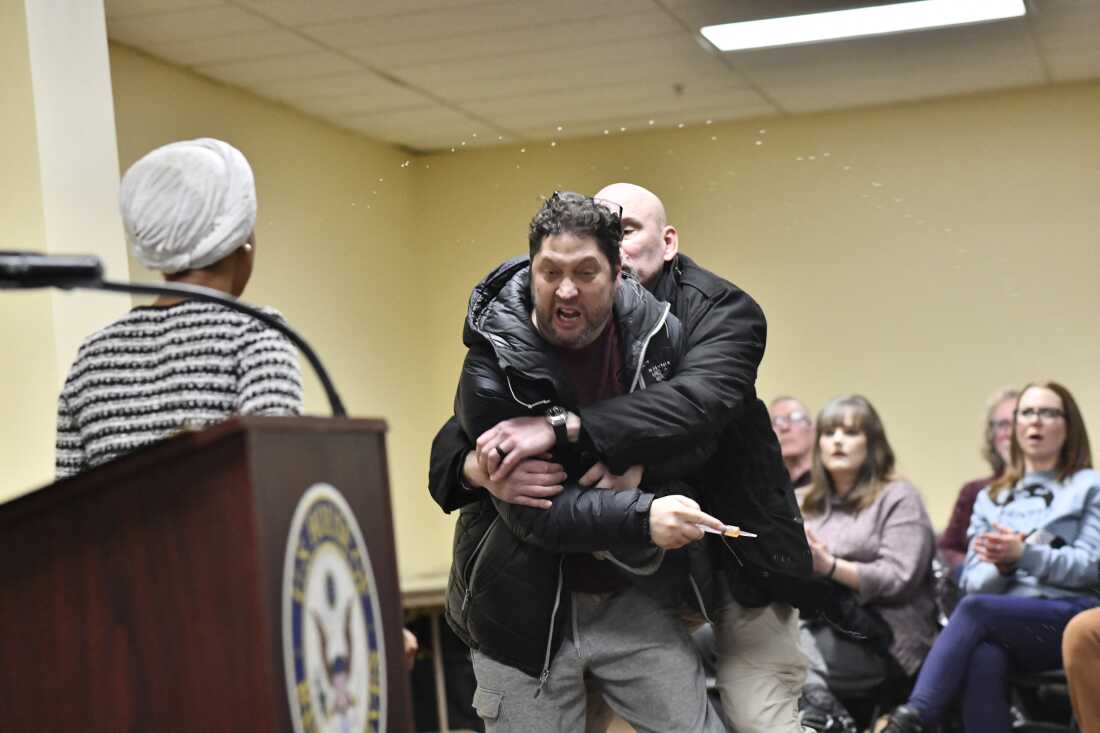
Midway through the session, an unexpected disturbance caused security personnel to intervene. Officials later confirmed that the disruption met the criteria of a town hall incident, prompting immediate safety measures. The meeting was halted, and attendees were escorted out of the venue as a precaution.
Law enforcement emphasized that early classification allows authorities to respond quickly and transparently while preserving evidence.
Security Response and Crowd Management
Security teams acted swiftly to secure the venue and ensure that no further escalation occurred. Officers coordinated with event staff to guide attendees safely outside, while emergency services remained on standby.
According to officials, the response followed established protocols designed for public political events, limiting confusion and maintaining order despite the unexpected turn of events.
The Lawmaker and Public Engagement
The event featured Ilhan Omar, who has consistently emphasized the importance of face-to-face engagement with constituents. Her office later reaffirmed a commitment to public accessibility, noting that town halls remain an essential tool for democratic participation.
The occurrence of a town hall incident during such an event has nonetheless intensified debate over whether enhanced security measures may affect openness.
Investigation and Evidence Review
Following the meeting, local authorities launched a formal investigation. This included reviewing video footage, collecting witness statements, and assessing how the disruption unfolded. Officials stressed that any town hall incident involving an elected official is subject to careful examination due to its broader public implications.
As of publication, investigators had not disclosed whether charges would be filed.
Political Climate in 2026
The incident occurred against a backdrop of heightened political tension nationwide. Analysts note that public meetings increasingly reflect the polarized environment seen across digital and traditional media. While the majority of civic gatherings remain peaceful, disruptions have become more visible in recent election cycles.
The Minnesota town hall incident has therefore been cited as part of a broader pattern rather than an isolated occurrence.
Reactions Across the Political Spectrum
Leaders from multiple parties condemned the disruption and emphasized the need for calm discourse. Statements released in the aftermath stressed that public disagreement must not compromise safety or silence discussion.
One senior official remarked,
“Democracy only works when people can gather and speak without fear.”
Community Response and Local Reflection
Residents who attended the meeting expressed disappointment that a forum intended for dialogue was cut short. Many voiced concern that similar events could be canceled or moved online in the future, limiting opportunities for personal interaction.
Local civic organizations responded by encouraging respectful participation and reaffirming the value of in-person engagement despite the town hall incident.
Security Challenges at Open Forums
Experts note that town halls present unique security challenges. Unlike large rallies or ticketed events, these meetings prioritize accessibility, often limiting screening procedures. This openness, while democratic, requires careful planning to manage risks.
The recent town hall incident has prompted renewed discussion about balancing openness with safety.
National Media Coverage
The disruption quickly moved beyond local headlines, appearing in national news outlets within hours. Coverage focused on both the immediate facts and the broader implications for public engagement in American politics.
As attention grew, the town hall incident became a reference point in discussions about civic safety in 2026.
Historical Perspective on Public Disruptions
Public meetings have occasionally faced disruptions throughout American history, particularly during periods of social change. However, historians note that incidents raising safety concerns have traditionally been rare.
Comparisons suggest that modern disruptions reflect changes in political communication and public expectations rather than a decline in civic values alone.
Policy Discussions and Preventive Ideas
In the aftermath, policymakers began discussing measures to reduce risks at public meetings. Suggestions include clearer codes of conduct, improved coordination with law enforcement, and better communication with attendees ahead of events.
Supporters argue that learning from the town hall incident could strengthen, rather than weaken, democratic engagement.
Impact on Civic Participation
Town halls remain one of the most direct links between voters and representatives. Critics warn that repeated disruptions could discourage lawmakers from holding open meetings, reducing transparency.
The Minnesota town hall incident has therefore become part of a broader conversation about preserving civic participation in a polarized era.
Balancing Safety and Accessibility
Security specialists emphasize that safety measures must be implemented carefully to avoid discouraging attendance. Overly restrictive protocols could undermine the very purpose of town halls.
The challenge lies in adapting formats without losing the openness that defines them.
Looking Ahead
As investigations continue, attention has turned to how future public meetings will be structured. Organizers across Minnesota and beyond are reviewing protocols, while lawmakers reassess scheduling and venue choices.
The lessons drawn from this town hall incident may influence civic engagement strategies well beyond the state.
Democracy in Practice
At its core, the disruption raises fundamental questions about how democracy functions in real-world settings. Town halls rely on shared norms, mutual respect, and collective responsibility.
How communities respond after this town hall incident will help determine whether public forums remain vibrant spaces for dialogue or become casualties of political division in the years ahead.