
Middle East | January, 2026 — The US Iran rhetoric intensified sharply as officials in Washington and Tehran exchanged pointed statements following the deployment of a United States aircraft carrier to the region. The escalation comes at a moment of heightened sensitivity across the Middle East, where unresolved conflicts, fragile ceasefires, and energy security concerns have magnified the impact of political language and military signaling between United States and Iran.
The latest developments have drawn close scrutiny from allies and adversaries alike, with diplomats emphasizing the need for restraint as both sides assert defensive intentions while projecting strength.
Carrier Presence Elevates Strategic Visibility
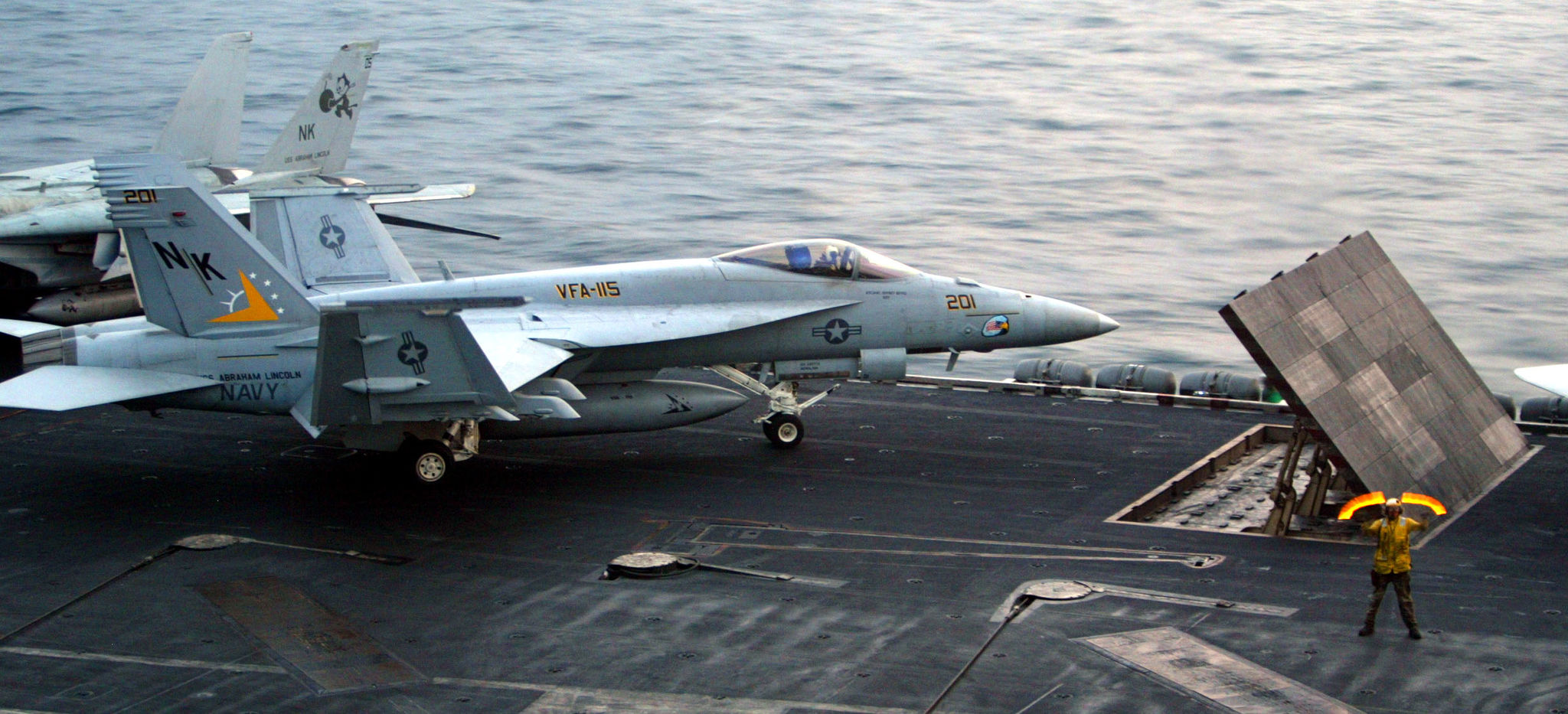
The arrival of the aircraft carrier USS Abraham Lincoln has given tangible form to the current phase of US Iran rhetoric. Pentagon officials described the deployment as a precautionary measure aligned with longstanding commitments to maritime security and freedom of navigation.
Military analysts note that carrier deployments carry symbolic weight well beyond their operational role. In periods of heightened tension, they serve as visible demonstrations of capability and resolve, often amplifying the political messages that accompany them.
Washington Frames Deterrence as Stability
US officials have emphasized that the carrier movement reflects a defensive posture intended to deter potential threats and reassure regional partners. Statements from Washington highlighted concerns about safeguarding international shipping lanes and preventing disruptions to global trade.
This framing has shaped the evolving US Iran rhetoric, with American policymakers arguing that visible readiness reduces the risk of miscalculation rather than increasing it. Critics, however, warn that such deployments can be interpreted differently by rivals.
Tehran’s Narrative of Resistance and Sovereignty
Iranian leaders responded by condemning the carrier’s presence as destabilizing, asserting that foreign military forces exacerbate regional insecurity. State media coverage stressed national sovereignty and defensive preparedness, portraying Iran as resolute yet measured.
These responses added further momentum to US Iran rhetoric, reinforcing a narrative of resistance that has long characterized Tehran’s approach to external pressure.
Regional Allies Assess Reassurance and Risk
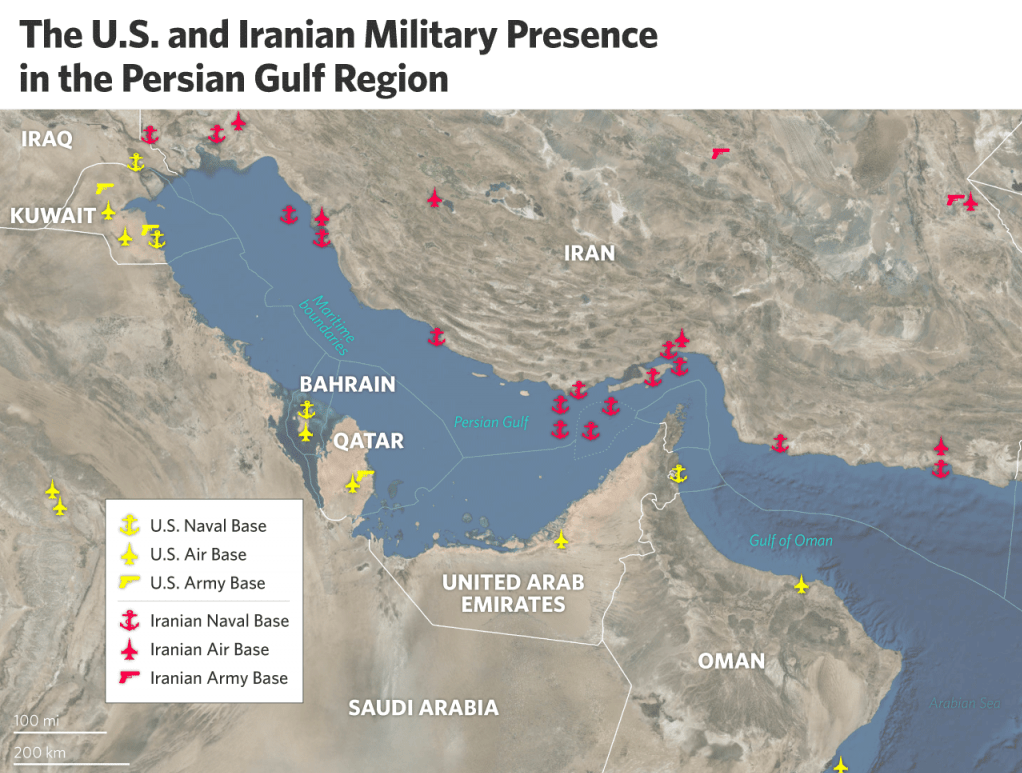
Across the Middle East, governments are carefully weighing the implications of intensified US Iran rhetoric. For some Gulf states, the carrier presence offers reassurance amid persistent security challenges. For others, it raises concerns about escalation in already crowded maritime and airspace environments.
Regional diplomats stress that even symbolic actions can have disproportionate effects when mistrust runs deep and communication channels are strained.
A Familiar Pattern in Historical Context
The current escalation of US Iran rhetoric follows a pattern seen repeatedly over recent decades. Periods of diplomatic engagement have often alternated with phases of sharp language and military signaling, driven by sanctions disputes, regional proxy conflicts, and nuclear-related tensions.
This historical backdrop shapes how both sides interpret present events, influencing not only policy decisions but also public messaging strategies.
Energy Markets Watch Closely
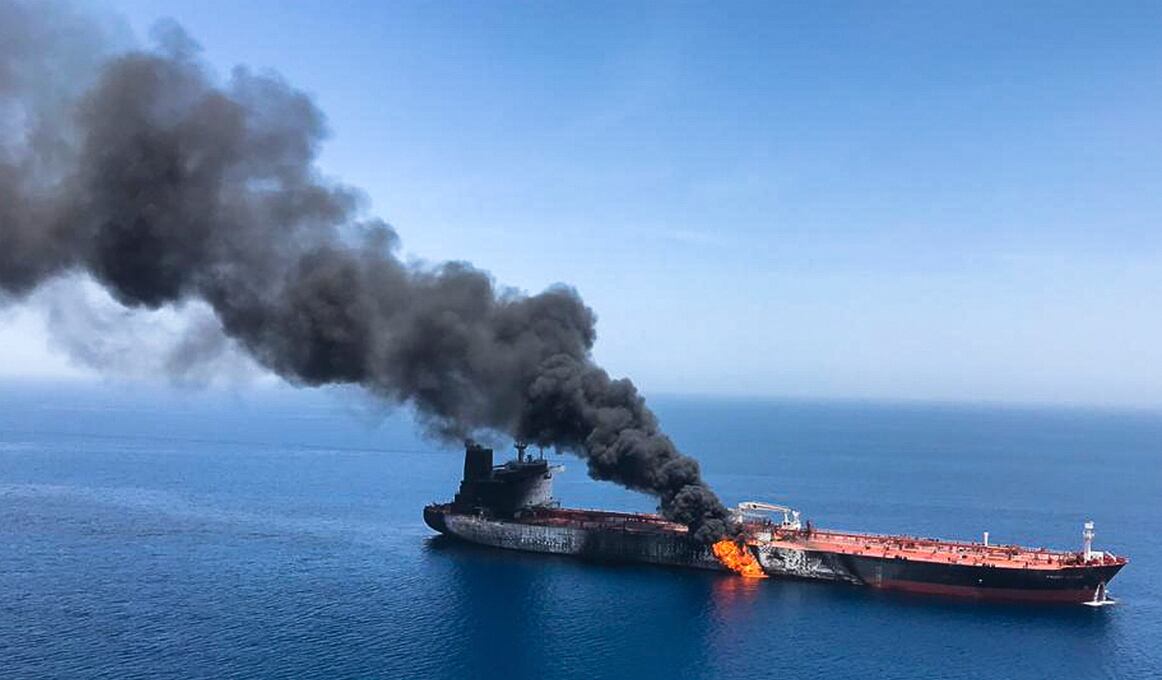
Beyond geopolitics, US Iran rhetoric has implications for global energy markets. The Middle East remains a critical hub for oil and gas supply, and any perception of instability can influence prices and investor sentiment.
Market analysts caution that sustained rhetorical escalation, even without physical disruption, can inject volatility by heightening uncertainty about future supply conditions.
Diplomatic Channels Remain in Use
Despite the sharper tone of US Iran rhetoric, diplomatic back-channels have not been fully severed. Officials familiar with regional diplomacy say indirect communication mechanisms continue to function, providing avenues to clarify intent and manage incidents.
Such channels are often crucial during periods when military assets operate in close proximity, reducing the risk of unintended escalation.
International Appeals for De-escalation
Global powers have urged restraint as US Iran rhetoric intensifies. European and Asian governments emphasized the importance of de-escalation and adherence to international norms, warning that missteps could have consequences extending well beyond the region.
These calls reflect broader concerns about preserving stability in an international system already facing multiple overlapping crises.
Domestic Audiences and Political Messaging
Both governments also direct US Iran rhetoric toward domestic audiences. Strong language can reinforce political narratives at home, projecting resolve and leadership during periods of economic or political pressure.
This dual audience complicates diplomacy, as statements calibrated for internal consumption may be interpreted externally as signals of intent.
Expert View on the Current Phase
Security analysts describe the present situation as one of managed tension rather than imminent conflict. One regional expert said,
“The language is sharp, but both sides appear focused on deterrence rather than direct confrontation.”
Such assessments suggest that rhetoric remains a tool of signaling within a broader strategic framework.
Deterrence, Posture, and Perception
The convergence of military movements and US Iran rhetoric highlights the delicate balance inherent in deterrence. Visible force deployments are paired with verbal signaling to shape expectations and influence behavior without crossing into open conflict.
Maintaining this balance requires careful calibration, particularly in congested operational theaters where misinterpretation can escalate rapidly.
Media Narratives Shape Global Perception
International media coverage has amplified the latest US Iran rhetoric, influencing public perception and diplomatic reactions. Headlines emphasizing escalation can create momentum that pressures policymakers to maintain hard-line positions.
As a result, managing narratives has become an integral component of modern crisis management.
Paths Toward Reducing Tension
Observers suggest that confidence-building measures could help moderate US Iran rhetoric. These may include clearer communication regarding military exercises, reaffirmation of maritime norms, or discreet diplomatic engagement through intermediaries.
While such steps may not resolve underlying disputes, they can reduce the risk of unintended escalation.
Strategic Stakes Beyond the Region
The implications of US Iran rhetoric extend beyond the Middle East. Global supply chains, energy markets, and international security frameworks all stand to be affected by prolonged tension between Washington and Tehran.
As a result, external stakeholders continue to monitor developments closely, urging restraint and dialogue.
When Language Becomes Leverage
In an era of instant communication and heightened scrutiny, words carry strategic weight. The current phase of US Iran rhetoric demonstrates how language itself has become a form of leverage, capable of reassuring allies, warning rivals, or inflaming tensions. As military assets remain deployed and diplomacy continues behind the scenes, how leaders choose their words may prove as consequential as any movement of ships or aircraft in shaping the region’s future.