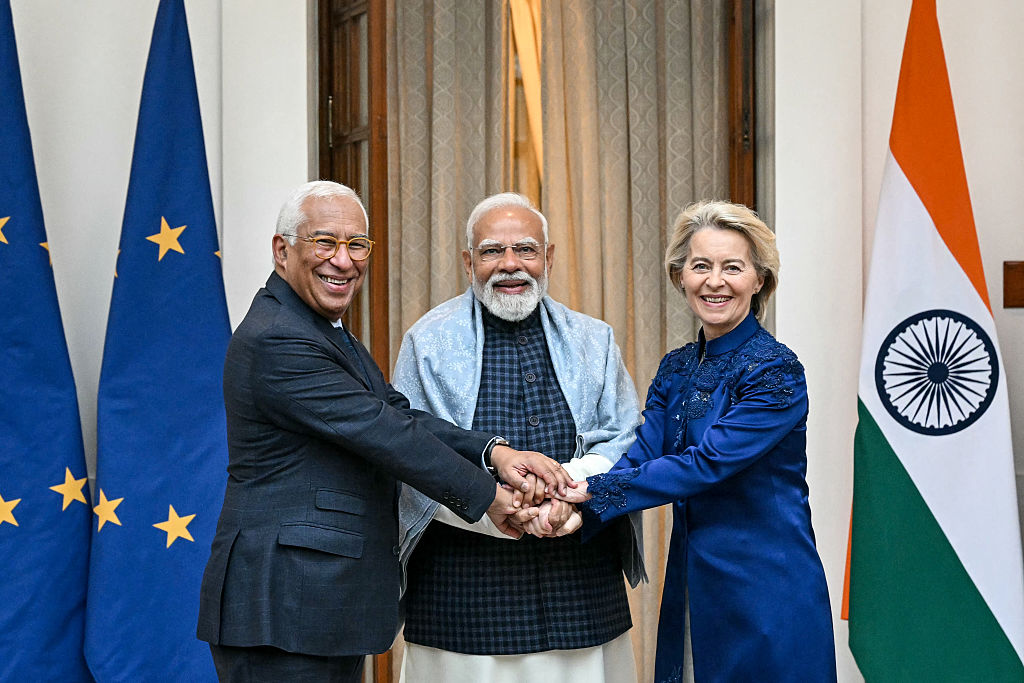
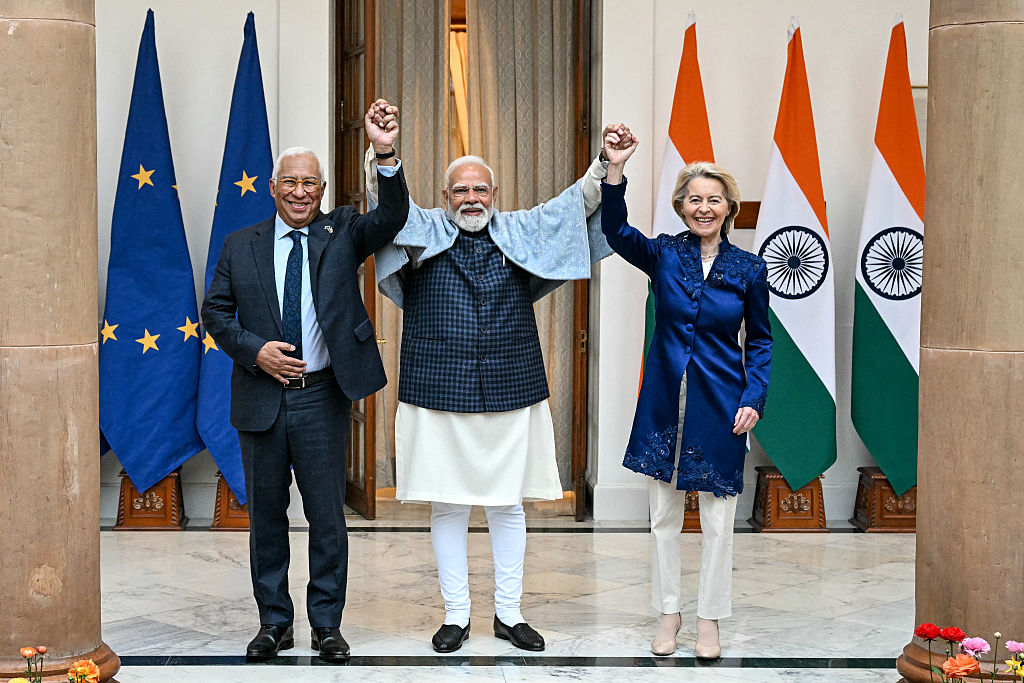
Brussels, Belgium | January, 2026 — The India EU trade agreement was formally concluded today in Brussels, marking a decisive moment in international economic relations. Senior officials from India and the European Union confirmed that years of negotiations have resulted in a comprehensive framework designed to reduce tariffs on most traded goods while strengthening long-term strategic cooperation.
The announcement comes as global trade faces renewed pressure from geopolitical uncertainty, supply chain realignments, and slowing growth in several major economies. Against this backdrop, the accord signals a clear commitment by both sides to open markets, predictable rules, and sustained engagement between two of the world’s largest economic partners.
How Years of Negotiations Reached a Breakthrough
Talks leading to the India EU trade agreement began with cautious optimism but soon encountered complex hurdles. Differences over market access, regulatory standards, and environmental commitments slowed progress in the early stages. Negotiators described the process as deliberate, technical, and often politically sensitive.
By late 2025, momentum returned as both sides recognized the strategic value of closer ties. Multiple negotiation rounds in Brussels and New Delhi narrowed outstanding gaps, eventually producing a balanced framework that reflected economic realities on both sides.
Core Economic Architecture of the Deal
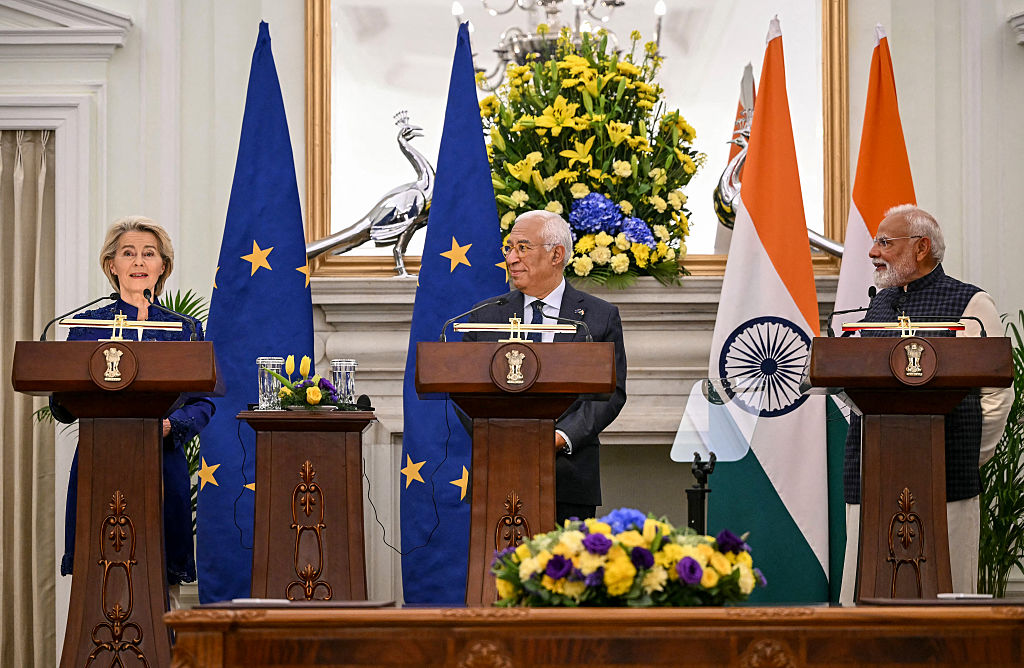
At the heart of the India EU trade agreement is a broad schedule of tariff reductions covering industrial goods, consumer products, and select agricultural items. Sectors such as machinery, pharmaceuticals, automotive components, textiles, and chemicals are expected to see the most immediate impact.
In addition to tariffs, the agreement introduces measures aimed at easing customs procedures and improving regulatory transparency. These provisions are intended to lower transaction costs and provide businesses with greater certainty when trading across borders.
Why Timing Matters in 2026
The India EU trade agreement arrives at a moment when global trade patterns are being redefined. Companies worldwide are diversifying supply chains to reduce risk, while governments seek trusted partners to ensure economic resilience.
For India, deeper access to European markets supports export-led growth and industrial upgrading. For the EU, closer engagement with India offers opportunities in one of the fastest-growing major economies, reinforcing long-term competitiveness.
Expected Gains for Indian Industry
Indian manufacturers and exporters are poised to benefit significantly from the India EU trade agreement. Reduced tariffs enhance competitiveness in European markets, particularly for labor-intensive and technology-driven sectors.
Small and medium-sized enterprises may find new opportunities as simplified procedures lower barriers to entry. Analysts suggest the agreement could also stimulate foreign investment, supporting job creation and skills development across India.
European Business Perspectives
From the European side, the India EU trade agreement opens pathways into a vast and expanding consumer market. Companies producing advanced machinery, renewable energy equipment, and high-end consumer goods are expected to see improved market access.
The deal aligns with broader European strategies focused on sustainable growth, diversification of trade partners, and reduced dependence on limited supply sources.
Strategic and Geopolitical Implications
Beyond economics, the India EU trade agreement carries strategic significance. It reflects shared interests in maintaining a rules-based international order and countering fragmentation in global trade.
Strengthened economic ties also support cooperation in areas such as climate policy, digital governance, and infrastructure development, reinforcing a multidimensional partnership.
Sustainability and Labor Considerations
Negotiators emphasized that the India EU trade agreement integrates sustainability and labor-related principles without imposing abrupt structural shocks. Provisions encourage cooperation on environmental standards, clean technology, and responsible sourcing.
While implementation details will evolve, both sides have signaled a commitment to aligning economic growth with long-term environmental and social objectives.
Official Reactions and Market Signals
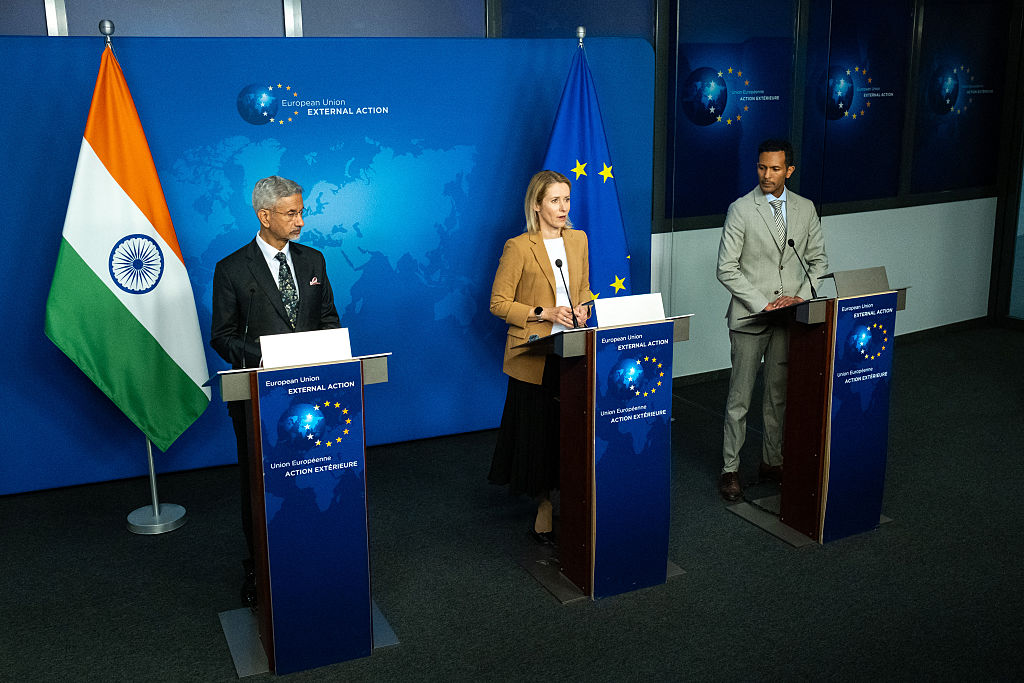
Initial market reaction to the India EU trade agreement was broadly positive, with investors viewing the accord as a stabilizing force amid global uncertainty. Trade associations welcomed the clarity provided by defined timelines and transparent mechanisms.
One senior European official remarked,
“This agreement demonstrates that cooperation between diverse economies remains possible when dialogue and long-term vision prevail.”
Implementation Road-map and Oversight
The India EU trade agreement will undergo ratification within EU member states and relevant Indian institutions. Tariff reductions are scheduled to be implemented in phases, allowing industries time to adjust.
Joint committees and monitoring bodies will oversee implementation, address disputes, and explore future areas of cooperation, including services and digital trade.
How This Deal Differs from Past Frameworks
Unlike earlier arrangements, the India EU trade agreement combines immediate market access with structural cooperation. Its design emphasizes durability, aiming to withstand political cycles and economic fluctuations.
Economists note that the agreement’s breadth positions it as a reference point for future trade initiatives involving emerging and advanced economies.
Implications for Global Supply Chains
The India EU trade agreement is expected to influence supply chain decisions well beyond bilateral trade flows. By reducing costs and improving predictability, it encourages firms to integrate India and Europe more deeply into production networks.
This shift could gradually reshape sourcing patterns, benefiting logistics hubs, ports, and manufacturing clusters across both regions.
Long-Term Outlook for Bilateral Relations
Over time, the India EU trade agreement may serve as a foundation for expanded cooperation in services, technology, and innovation. Policymakers on both sides have highlighted digital trade and research collaboration as future priorities.
Sustained political commitment will be essential to realizing the agreement’s full potential and ensuring that benefits are widely shared.
Economic Analysts Weigh the Risks
While optimism dominates, analysts caution that effective implementation will determine success. Regulatory coordination, dispute resolution, and consistent enforcement remain critical challenges.
Nevertheless, many view the India EU trade agreement as a constructive response to global economic fragmentation.
Global Context and Comparative Perspective
In a world where protectionism has gained traction, the India EU trade agreement stands out for its emphasis on openness and cooperation. It contrasts with narrower bilateral deals by addressing a wide spectrum of economic issues.
This comprehensive approach enhances its credibility and potential influence on future trade negotiations worldwide.
Political Significance Within Both Regions
Domestically, the agreement carries political weight. In India, it supports ambitions to expand exports and attract investment. In Europe, it reinforces the EU’s role as a global trade actor capable of forging complex partnerships.
The India EU trade agreement thus resonates beyond economics, shaping political narratives around growth and globalization.
A Benchmark for Future Trade Partnerships
Observers suggest the India EU trade agreement may become a benchmark for future accords between advanced and emerging economies. Its balance of flexibility and commitment offers lessons for negotiators elsewhere.
As global trade rules evolve, such frameworks could play a central role in sustaining cooperation.
Trade as Strategic Trust
Ultimately, the significance of the India EU trade agreement lies not only in tariff schedules or market access. It represents a strategic choice to prioritize trust, dialogue, and long-term partnership at a time when global cooperation is under strain.
By anchoring economic ties in shared principles, India and the European Union have set a precedent that may shape international trade for years to come.