
WASHINGTON, United States, January, 2026 — Senior officials, lawmakers, and military planners meeting in Washington this week acknowledged that the US missile defense system remains a cornerstone of national security planning, even as its modernization effort continues to advance at a deliberate pace. One year after renewed political focus, tangible progress has been steady but limited, reflecting the technical complexity and fiscal pressure shaping America’s approach to homeland defense.
Strategic Foundations of Missile Defense Policy
Missile defense has long occupied a sensitive space in U.S. security doctrine, balancing deterrence with protection. Early systems were designed to counter limited ballistic threats, relying on warning radars and interceptors positioned at strategic locations. Over time, that architecture expanded as missile technology evolved globally.
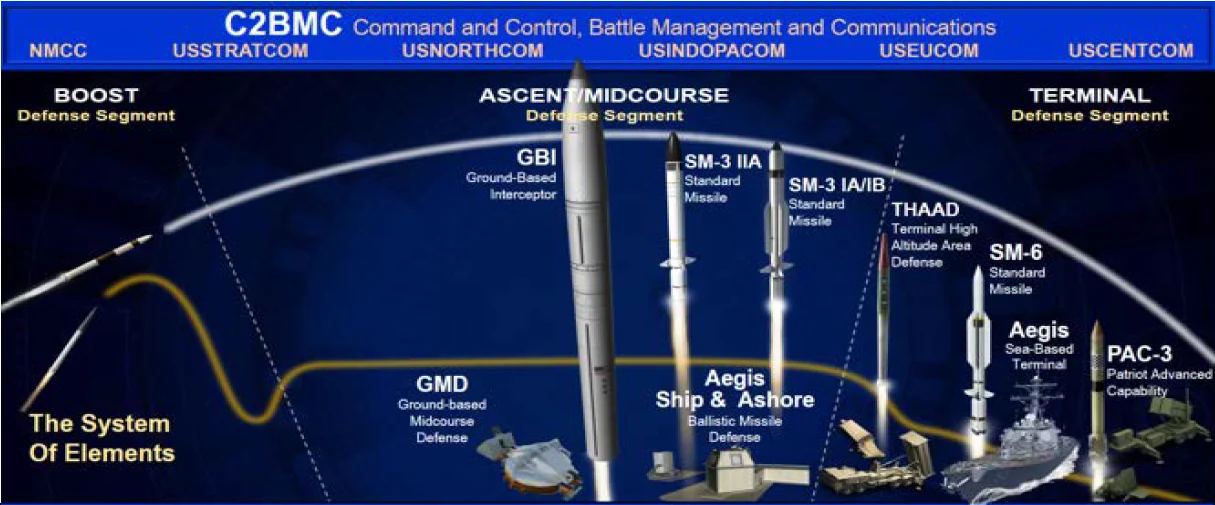
Today’s US missile defense system reflects decades of layered planning, integrating land-based interceptors, sea-based assets, and early-warning networks. Defense officials emphasize that the objective is not absolute invulnerability but credible protection against emerging threats that could undermine deterrence stability.
Political Momentum and Leadership Influence
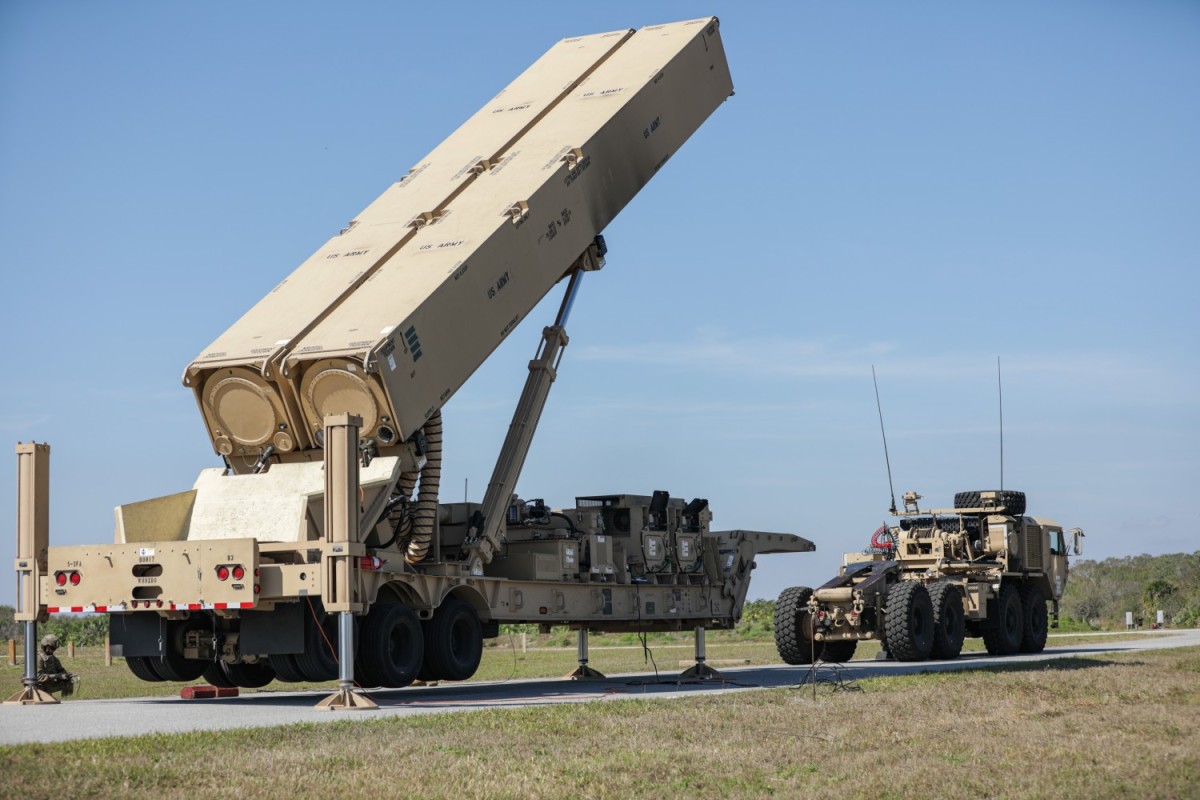
Renewed emphasis on missile defense gained momentum during the administration of Donald Trump, when senior officials promoted ambitious concepts aimed at expanding coverage and incorporating advanced technologies. While subsequent leadership retained key priorities, internal debate intensified over scope, cost, and feasibility.
In Congress, bipartisan agreement exists on the need for protection, yet disagreements persist regarding how aggressively the US missile defense system should expand. Lawmakers continue to weigh long-term strategic benefits against immediate budget realities.
Budget Pressures and Congressional Oversight
Funding constraints remain a defining challenge. Missile defense programs already require billions of dollars annually to sustain existing infrastructure, conduct testing, and support research.
Congressional oversight committees have demanded clearer performance benchmarks before approving major expansion initiatives. As a result, investment linked to the US missile defense system has largely followed incremental pathways rather than sweeping deployment plans, slowing visible progress.
Technological Complexity and Capability Gaps
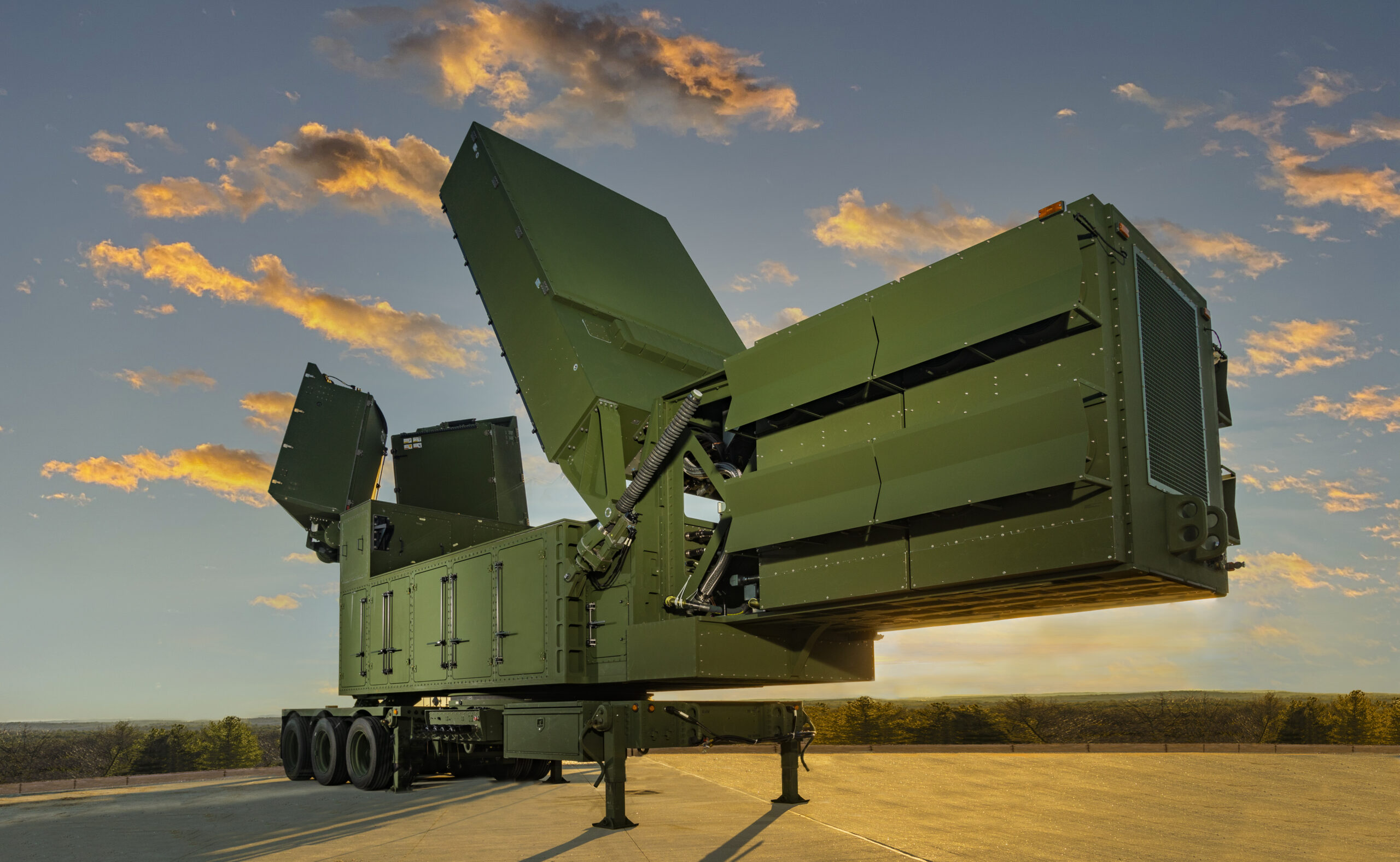
Intercepting modern missiles, particularly hypersonic weapons capable of maneuvering at extreme speeds, represents one of the most demanding engineering challenges facing defense planners. Sensors must detect, track, and classify threats within seconds, while interceptors must respond with extraordinary precision.
Engineers involved in classified research acknowledge that key technologies remain under development. Artificial intelligence, advanced materials, and space-based sensors are expected to play vital roles, yet integrating these components into a reliable operational framework continues to test the limits of the US missile defense system.
Research, Industry, and Innovation Ecosystem
Defense contractors and national laboratories form the backbone of missile defense innovation. Partnerships with private industry have accelerated research in areas such as sensor fusion, data processing, and interceptor propulsion.
However, officials caution that innovation alone does not guarantee rapid deployment. Testing cycles, safety requirements, and operational validation can extend timelines by years, shaping realistic expectations for advancements within the US missile defense system.
Global Security Environment and Threat Assessment
The international security environment has reinforced Washington’s focus on missile defense. Missile tests conducted abroad, along with rapid advances in delivery systems, have heightened concern among U.S. planners.
At the same time, analysts warn that expanding the US missile defense system could influence adversary behavior, encouraging the development of more sophisticated offensive capabilities. Balancing defensive necessity with strategic stability remains a central challenge.
Allied Coordination and Diplomatic Implications
Allied governments generally support enhanced U.S. defensive capabilities, viewing them as reinforcing collective security. Cooperation has focused on information sharing, early warning, and regional coordination rather than full integration into homeland defense architecture.
Diplomats acknowledge that perceptions of the US missile defense system affect arms control discussions and alliance dynamics, particularly as space-based technologies enter the conversation.
Operational Readiness and Testing Record
Testing remains a critical measure of progress. Recent interceptor trials demonstrated improvements in tracking and engagement, while also exposing reliability issues under complex conditions.
Pentagon officials stress that setbacks are part of system maturation, emphasizing that iterative testing strengthens the credibility of the US missile defense system over time.
Public Awareness and Transparency Challenges
Public visibility into missile defense development remains limited due to classification and technical complexity. Periodic announcements and test results provide snapshots rather than comprehensive assessments.
Media coverage tends to surge around major events, then recede, reflecting the long-term nature of advancing the US missile defense system and the difficulty of sustaining public attention.
Strategic Debate Over Deterrence
Critics argue that missile defense risks undermining traditional deterrence by encouraging arms competition. Supporters counter that defensive measures are essential in a world where missile technology is increasingly accessible.
This debate continues to shape policy discussions, influencing how decision-makers envision the future role of the US missile defense system within broader security strategy.
Economic Impact and Workforce Considerations
Missile defense programs support a significant industrial base, employing engineers, scientists, and skilled workers across multiple states. Investment decisions therefore carry economic as well as strategic implications.
Supporters note that sustained funding for the US missile defense system contributes to technological leadership and workforce development, while critics question opportunity costs.
Legal and Treaty Considerations
International agreements and norms continue to influence missile defense planning. While the United States has greater flexibility following past treaty changes, concerns remain regarding the weaponization of space and escalation risks.
Legal experts emphasize that future expansion of the US missile defense system must account for international perceptions and long-term diplomatic consequences.
Expert Perspective
One senior defense analyst said,
“Missile defense is a generational endeavor, requiring patience, realism, and constant adaptation to evolving threats.”
The Road Ahead for Homeland Defense
As 2026 progresses, policymakers face critical choices about the scale and pace of future investments. Incremental modernization offers predictability, while more ambitious approaches promise greater capability but higher risk.
The direction chosen will shape the evolution of the US missile defense system and influence U.S. security posture for decades.
A Defining Moment in Washington
Washington’s deliberations this year reflect a broader reality: defending a nation against advanced missile threats is among the most complex challenges of modern warfare. Progress may appear slow, but officials argue that careful, methodical development is essential.
Whether through cautious upgrades or renewed ambition, the future of the US missile defense system will ultimately be defined by strategic clarity, sustained commitment, and technological maturity.