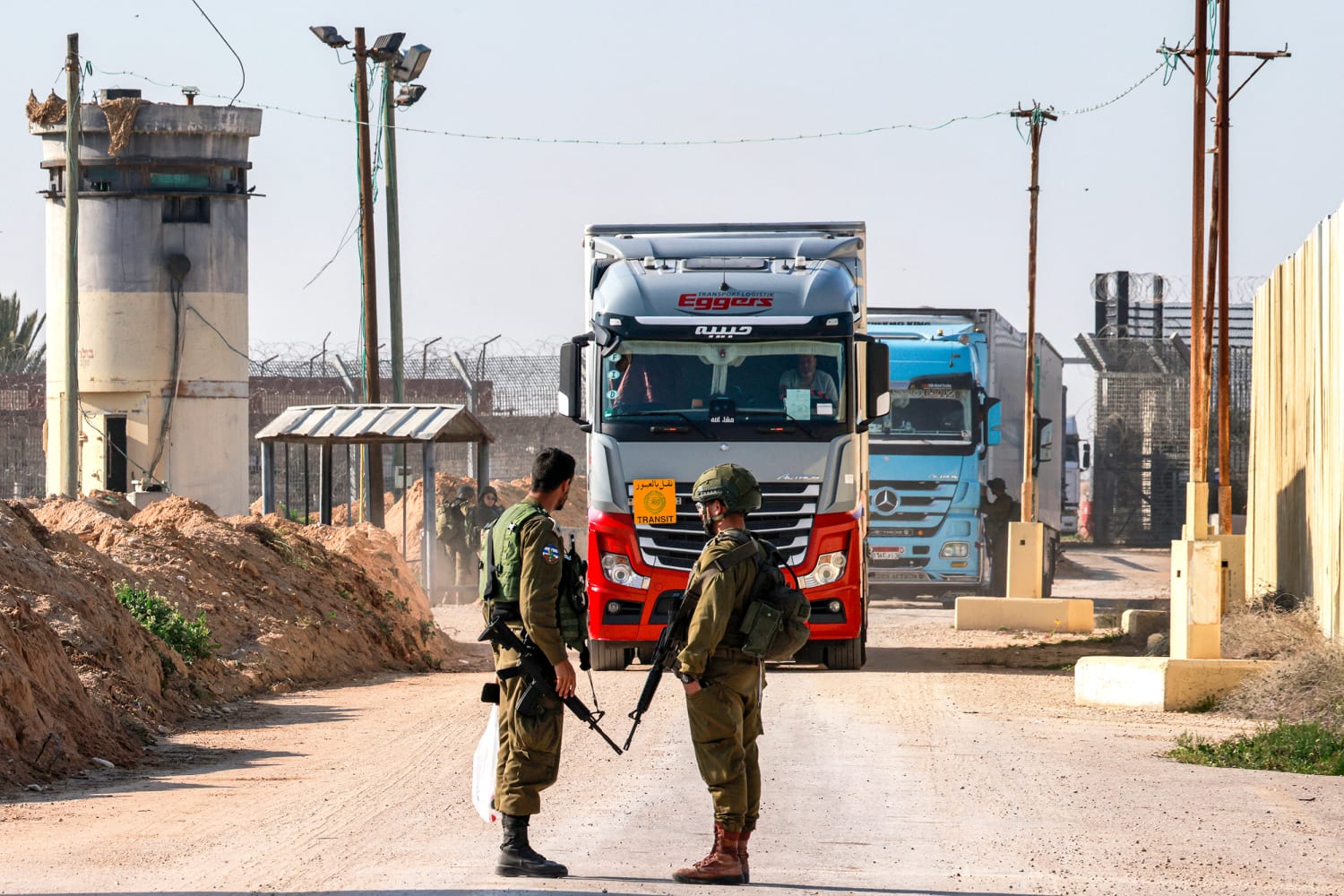
Gaza City, January, 2026 — At the start of the year, authorities on both sides of the frontier confirmed that limited operations had resumed at the Gaza border crossing following the conclusion of a sensitive Israeli security operation. The development came after weeks of restricted access that affected humanitarian deliveries, disrupted supply chains, and intensified diplomatic engagement across the Middle East and Europe. In early 2026, the status of access points between Israel and the Gaza Strip once again demonstrated how borders influence daily life, regional politics, and international response.
Why Border Access Remains Central to the Conflict
Border infrastructure between Israel and Gaza has long carried significance far beyond its physical layout. These gateways operate simultaneously as humanitarian lifelines, security buffers, and political signals. When access is restricted, civilian systems dependent on external supplies experience immediate strain.
The reopening decision in January reflected a calculated assessment by Israeli authorities that security conditions had shifted. For policymakers, the operational status of the Gaza border crossing was not simply a logistical question but a strategic one tied to international expectations and internal stability.
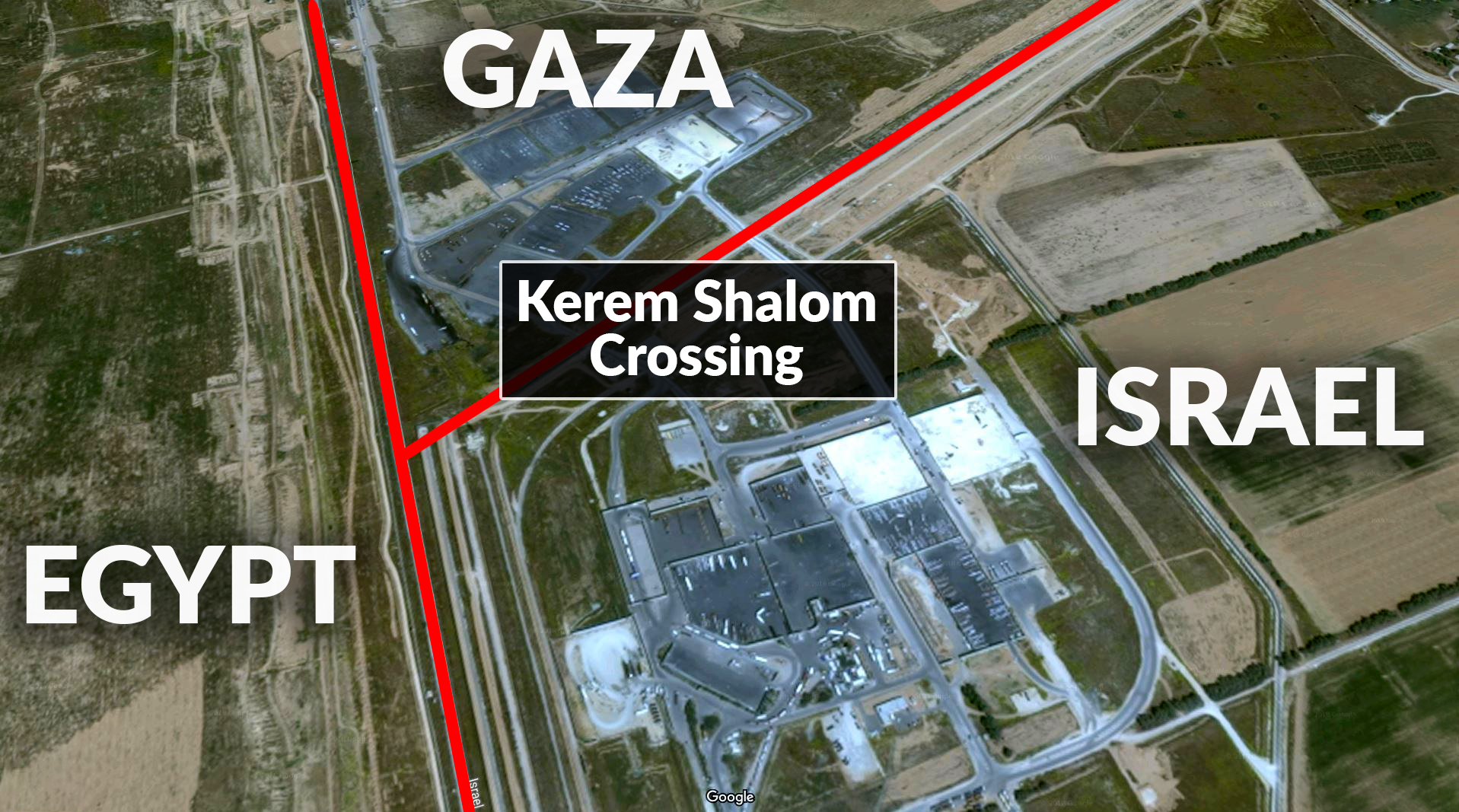
Security Operations and Temporary Closures
The closure that preceded the reopening followed heightened military activity near the frontier. Israeli officials explained that strict control of movement was required to protect personnel and maintain operational integrity during a complex recovery mission.
Throughout this period, the Gaza border crossing featured prominently in international discussions on proportionality and civilian protection. While Israeli leaders emphasized security imperatives, humanitarian organizations warned that prolonged restrictions would deepen existing vulnerabilities among Gaza’s population.
Humanitarian Impact of Restricted Movement
Inside Gaza, the effects of limited access were quickly visible. Hospitals reported fuel shortages that threatened the operation of generators, while medical supply inventories fell to critical levels. Aid agencies adjusted food distribution schedules, prioritizing the most vulnerable communities.
Humanitarian coordinators consistently emphasized that reopening the Gaza border crossing was essential to preventing a wider crisis. Even short disruptions, they noted, can have long-lasting consequences for healthcare delivery, water treatment, and food security.
Decision Process Behind the Reopening
The decision to resume operations followed consultations between Israeli defense bodies and civilian authorities. Officials described the move as a controlled adjustment rather than a political shift, stressing that security considerations remained paramount.
Under the revised framework, the Gaza border crossing resumed activity gradually. Humanitarian shipments were prioritized, while inspection protocols were strengthened to address ongoing security concerns.
First Days of Renewed Operations
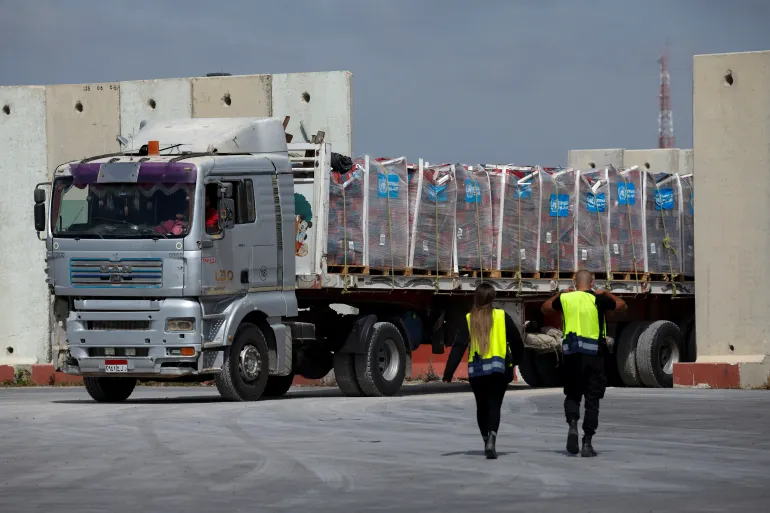
On the initial day of resumed activity, aid convoys moved under tightly regulated schedules. Multiple inspection layers were applied, and crossing windows were limited to specific hours.
For residents and aid workers alike, the reopening of the Gaza border crossing brought cautious relief. Experience has shown that access conditions can change rapidly in response to security developments, tempering expectations of long-term stability.
International Diplomatic Response
Reaction from the international community was swift but measured. United Nations agencies welcomed the restoration of access, highlighting the humanitarian necessity of predictable border operations. European officials echoed these sentiments, urging all parties to maintain civilian protections.
Regional mediators characterized the reopening of the Gaza border crossing as a pragmatic step rather than a breakthrough, noting that broader political dynamics would continue to shape access decisions.
Economic Effects on Gaza’s Civilian Population
Beyond humanitarian aid, border access plays a crucial role in Gaza’s constrained economy. When crossings function, limited commercial activity resumes, supporting small traders, transport workers, and local markets.
The reopening of the Gaza border crossing allowed certain goods to move again, easing shortages of basic items. Economists cautioned, however, that such improvements remain fragile without long-term frameworks for trade and reconstruction.
Domestic Political Context in Israel
Within Israel, the reopening occurred amid continued public attention surrounding the circumstances that led to the closure. Political leaders faced pressure from security advocates calling for caution and humanitarian voices urging predictability.
Officials argued that allowing the Gaza border crossing to resume aligned with international obligations while preserving robust security oversight. The issue continues to feature prominently in domestic debate.
Media Coverage and Narrative Framing
International media outlets closely followed developments at the frontier, often framing access as a test of balancing humanitarian needs with security imperatives. Analysts observed that the status of the Gaza border crossing frequently serves as a barometer of broader Israel Gaza relations.
Coverage varied by region, reflecting differing editorial priorities and political perspectives.
Historical Pattern of Openings and Closures
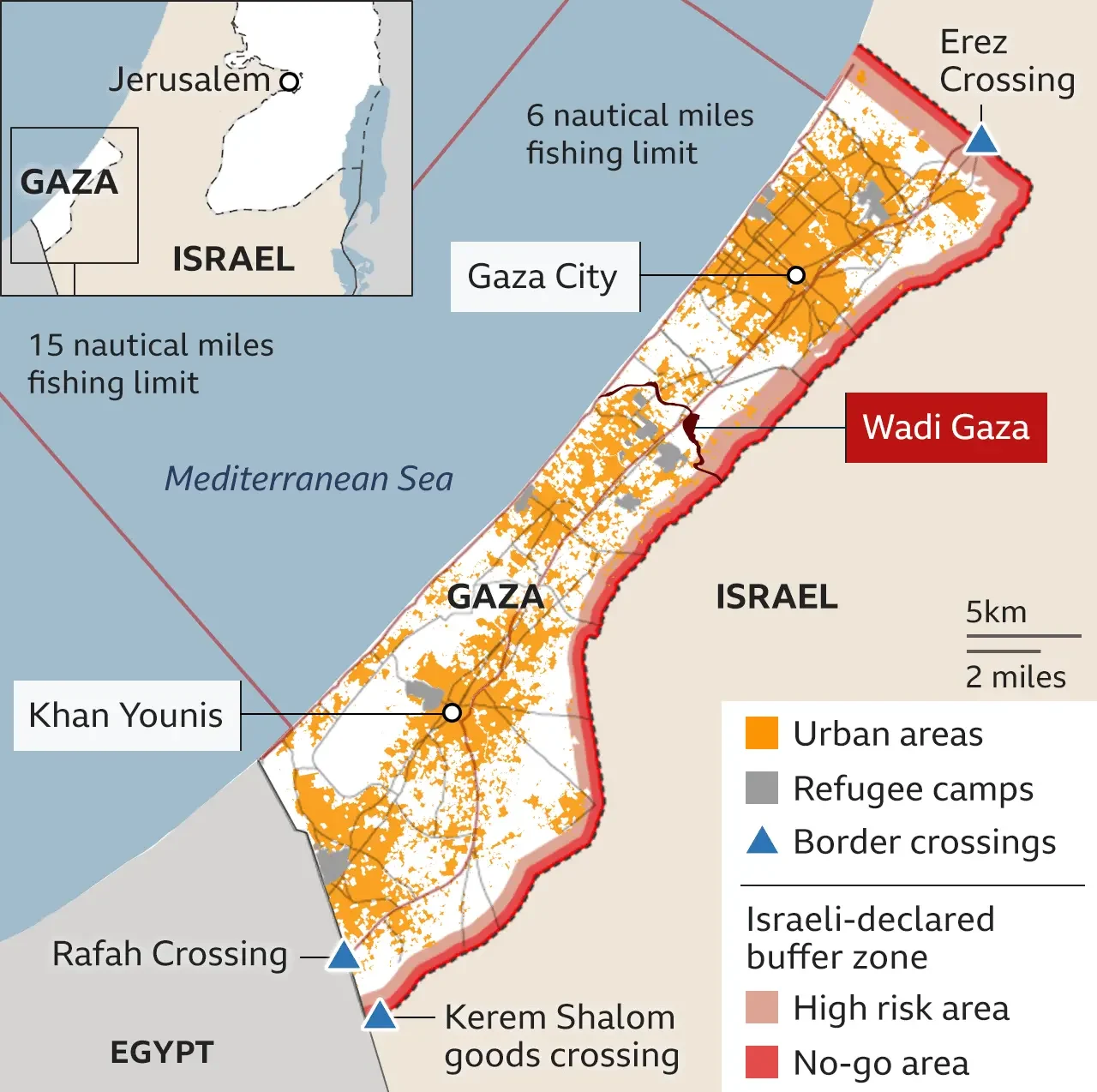
Historically, access points between Israel and Gaza have opened and closed in response to security developments. Each cycle leaves lasting effects on civilian life and diplomatic engagement.
The events of 2026 add another chapter to this pattern, reinforcing how central the Gaza border crossing remains to the human dimension of the conflict.
Technological Oversight and Inspection Systems
Israeli authorities highlighted the expanded use of advanced scanning technologies designed to manage inspections efficiently. These systems aim to facilitate humanitarian shipments while intercepting prohibited materials.
Such measures are now integral to daily operations at the Gaza border crossing, shaping how access is managed in practice.
Challenges Facing Aid Organizations
Aid groups operating through the crossing face complex logistical requirements, including coordination with multiple authorities and compliance with evolving protocols.
Despite these challenges, organizations emphasize that keeping the Gaza border crossing operational is critical to preventing humanitarian collapse and maintaining basic services.
Perspective from the Humanitarian Field
One senior humanitarian coordinator involved in cross-border operations said,
“For civilians here, access is not a political symbol but the difference between functioning hospitals and empty shelves.”
Regional Stability Implications
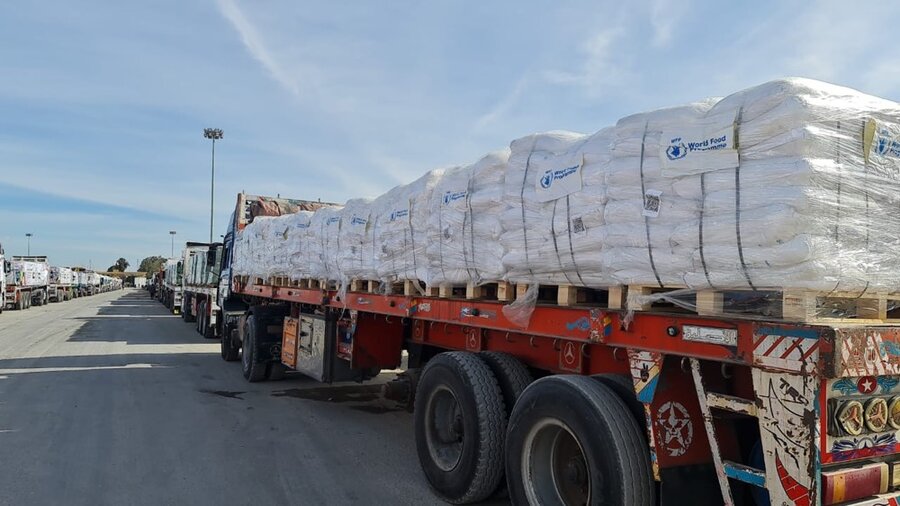
Beyond Gaza, developments at the frontier carry broader implications for regional stability. Neighboring states and global powers monitor access closely, aware that disruptions can trigger wider diplomatic consequences.
The functioning of the Gaza border crossing therefore resonates far beyond its immediate surroundings.
Legal and Policy Considerations
Legal experts note that border access during conflict engages complex questions of responsibility and proportionality. States retain the right to secure borders while bearing obligations toward civilian populations.
The reopening of the Gaza border crossing has been cited by some observers as evidence of adherence to humanitarian principles, though predictability remains a concern.
Public Sentiment Inside Gaza
Among Gaza residents, reactions to renewed access have been mixed. Relief at the movement of supplies is tempered by skepticism shaped by years of instability.
Many residents view the Gaza border crossing less as a symbol of progress and more as a reminder of dependence on decisions beyond local control.
Infrastructure Strain and Environmental Factors
Repeated closures and re-openings place strain on infrastructure at the crossing itself. Roads, inspection facilities, and storage areas experience accelerated wear.
Improving resilience at the Gaza border crossing would require sustained investment and long-term planning.
Risk Management and Contingency Planning
Security planners acknowledge that risks persist. Contingency plans remain in place to suspend operations if threats emerge, underscoring the fragility of access arrangements.
As a result, the future of the Gaza border crossing continues to depend on developments well beyond its gates.
Looking Ahead Through 2026
As the year progresses, attention will remain focused on whether access can be maintained. Analysts caution against interpreting the reopening as a turning point, emphasizing the unresolved nature of the conflict.
The evolving status of the Gaza border crossing reflects a fluid environment shaped by security considerations, political decisions, and humanitarian need.
Final Perspective on a Defining Phase
The developments of January 2026 illustrate the limits of tactical measures in addressing deep-rooted conflict. While renewed access eases immediate pressure, it cannot replace comprehensive political solutions.
The reopening of the Gaza border crossing stands as a defining phase in the current chapter of the Israel Gaza conflict, highlighting both the necessity of humanitarian access and the fragility of the arrangements that sustain it.