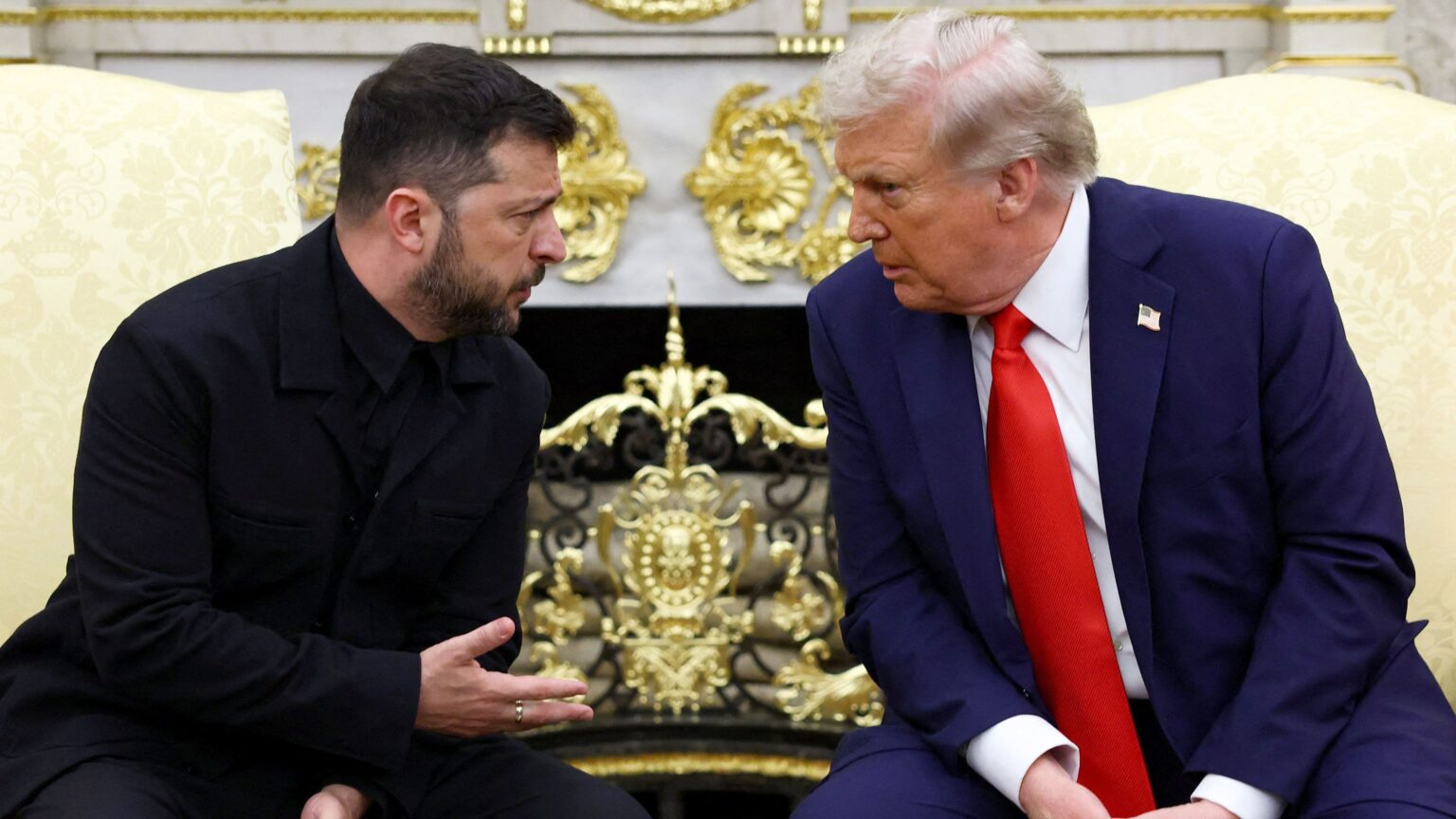
Kyiv, Ukraine — January, 2026 — Writing for Brussels Morning Newspaper, Ukrainian President Volodymyr Zelenskiy confirmed that high level coordination with the United States has entered a decisive phase, with the Ukraine US agreement emerging as a central pillar of Kyiv’s long term security and diplomatic strategy. The announcement, delivered in the Ukrainian capital, comes as both countries seek to formalize cooperation amid continued regional uncertainty.
Zelenskiy’s remarks were carefully framed, emphasizing continuity, predictability, and institutional depth rather than short term political messaging.
Background to a Deepening Partnership
The path toward closer bilateral coordination has been shaped by years of evolving geopolitical pressures. Ukraine’s leadership has repeatedly argued that sustainable security depends on structured partnerships rather than ad hoc arrangements. Within this context, the Ukraine US agreement has gradually taken shape as a framework designed to move cooperation into a more stable and forward looking phase.
Diplomatic engagement intensified throughout 2025, with technical teams from both sides working behind the scenes to align expectations, legal principles, and strategic objectives.
Security Architecture at the Forefront
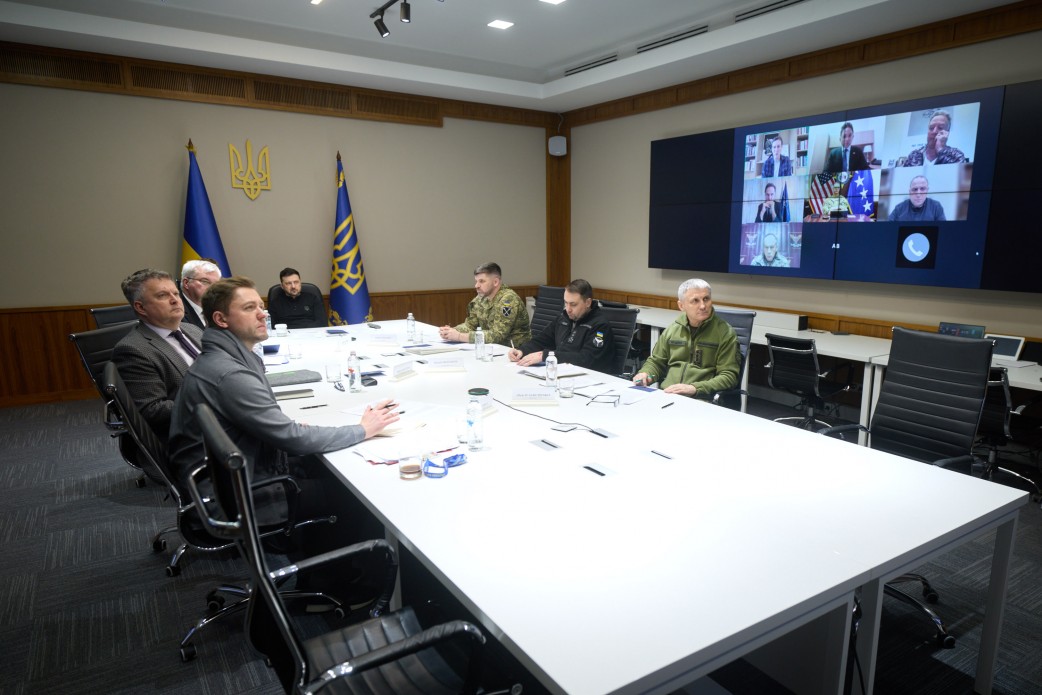
At its core, the Ukraine US agreement is intended to support a comprehensive security architecture that allows Kyiv to plan beyond immediate contingencies. Officials familiar with the discussions say the framework prioritizes coordination mechanisms, long term defense planning, and interoperability between institutions.
Zelenskiy has consistently highlighted that predictability itself acts as a deterrent, reducing the risk of miscalculation and reinforcing regional stability.
Kyiv’s Strategic Calculations
For Ukraine, the agreement reflects a broader reassessment of national security priorities. Policymakers in Kyiv view formalized cooperation as essential for strengthening state institutions, modernizing defense capabilities, and maintaining public confidence during a prolonged period of uncertainty.
The Ukraine US agreement is also seen domestically as a signal that Ukraine’s security concerns are embedded within long term international commitments rather than temporary political alignments.
Washington’s Perspective
From Washington’s standpoint, engagement with Kyiv is framed within a wider commitment to transatlantic stability. US officials have repeatedly underscored that sustained coordination with Ukraine aligns with broader efforts to uphold international norms.
By advancing the Ukraine US agreement, Washington aims to demonstrate consistency and reliability, ensuring that cooperation remains resilient across political cycles.
European Diplomatic Signals
European partners have followed developments closely, interpreting the progress as a reaffirmation of US engagement in the region. Diplomats in Brussels suggest that the framework complements existing multilateral efforts while reinforcing bilateral responsibility.
Although the agreement is primarily bilateral, its implications extend across the European security landscape, influencing allied planning and coordination.
Economic and Institutional Dimensions
Security considerations are only one aspect of the evolving relationship. Ukrainian officials emphasize that long term stability creates the foundation for economic recovery, institutional reform, and foreign investment.
The Ukraine US agreement is therefore linked to broader objectives, including infrastructure rebuilding, governance reforms, and integration with Western economic systems.
Public Communication and Political Messaging
Zelenskiy has placed notable emphasis on transparency when addressing domestic audiences. By publicly confirming progress, he aims to reinforce trust and demonstrate that negotiations serve national interests.
“Predictable partnerships give our country the confidence to plan for the future,” Zelenskiy said.
This statement marked the sole direct quotation during the briefing, underscoring the importance of restraint and clarity in public messaging.
Legal and Structural Considerations
Legal experts note that the durability of any bilateral framework depends on clearly defined obligations and implementation pathways. Ukrainian and US legal teams have reportedly focused on ensuring that commitments are precise and enforceable within existing legal systems.
Such attention to detail is seen as essential for the long term credibility of the Ukraine US agreement.
Challenges on the Road to Implementation
Despite visible progress, challenges remain. Translating diplomatic understanding into operational mechanisms requires sustained political will, budgetary planning, and interagency coordination.
Analysts caution that expectations must be carefully managed to ensure that the framework delivers tangible outcomes rather than symbolic reassurance.
Regional Implications
Beyond Ukraine, the agreement carries implications for neighboring states and regional security dynamics. Observers argue that structured bilateral cooperation can contribute to broader stability by reducing uncertainty and signaling long term commitment.
The Ukraine US agreement is therefore viewed not only as a national instrument but also as part of a wider regional equation.
Institutional Continuity and Political Cycles
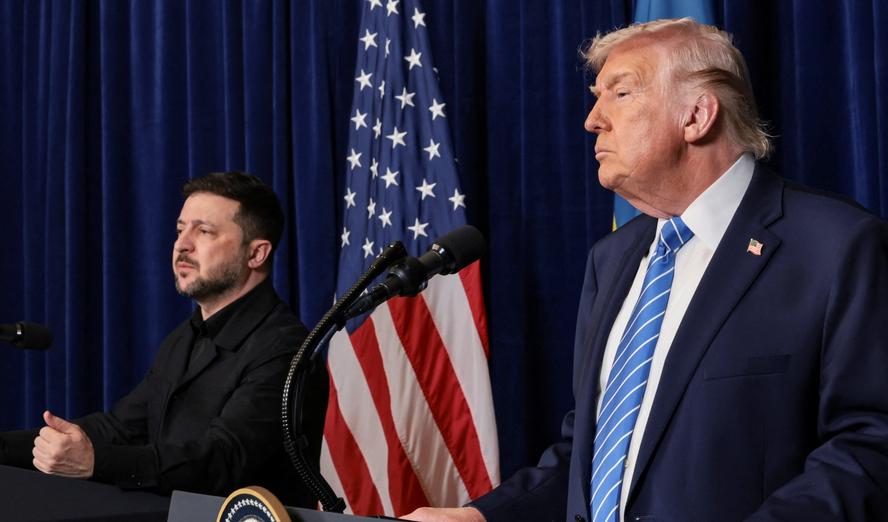
One of the defining features of the current framework is its emphasis on continuity. Both sides have sought to design mechanisms that endure beyond individual administrations, insulating cooperation from political fluctuations.
This focus reflects lessons learned from past arrangements that proved vulnerable to shifting political priorities.
Strategic Communication Abroad
Internationally, Ukraine’s diplomatic missions have highlighted the progress as evidence of sustained engagement with key partners. Messaging has focused on reassurance rather than escalation, emphasizing defensive objectives and stability.
Such communication aims to balance transparency with strategic restraint.
Long Term Defense Planning
Defense planners in Kyiv argue that the agreement allows for more coherent long term planning. By aligning expectations with Washington, Ukrainian institutions can prioritize modernization and training programs more effectively.
The Ukraine US agreement is thus positioned as a planning tool as much as a political statement.
Societal Impact and Public Confidence
Public confidence remains a critical factor. Surveys indicate that Ukrainians place high value on predictable international partnerships, particularly those grounded in formal commitments.
By advancing the framework, the government seeks to reinforce societal resilience during an extended period of uncertainty.
International Law and Normative Signals
From an international law perspective, structured bilateral commitments signal adherence to established norms. Experts suggest that clarity and transparency enhance credibility while reducing the risk of misinterpretation.
These normative signals form an important backdrop to the evolving relationship.
Future Diplomatic Engagement
Officials in Kyiv indicate that further diplomatic engagement will focus on aligning operational details and timelines. While much work remains technical, political momentum appears strong.
The Ukraine US agreement is expected to remain a focal point of bilateral dialogue throughout 2026.
A Moment of Strategic Transition
Many analysts describe the current phase as a transition from crisis management to institutionalized partnership. This shift reflects a maturing relationship shaped by shared experiences and evolving strategic priorities.
The agreement encapsulates this transition, signaling readiness to plan for the long term.
Beyond Immediate Headlines
As Kyiv and Washington continue their engagement in 2026, the Ukraine US agreement stands as a defining element of Ukraine’s security and diplomatic posture. Its significance lies not only in its content but in its emphasis on predictability, continuity, and shared responsibility.
While implementation will determine its ultimate impact, the framework already represents a meaningful step toward structured cooperation in an increasingly complex security environment.