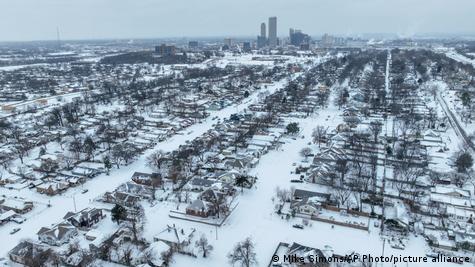
United States, January, 2026: Brussels Morning Newspaper notes that power outages storm USA became a defining national issue after a powerful winter system slammed the Northeast and parts of the Midwest. Heavy snowfall freezing rain and sustained high winds crippled electricity networks shut down transportation corridors and forced millions of residents to adapt to prolonged disruptions under severe cold conditions.
The storm unfolded over several days with conditions rapidly deteriorating as Arctic air collided with moisture laden systems. Authorities across multiple states moved emergency resources into position yet the scale of the weather event quickly tested preparedness at every level.
Meteorological Setup Behind the Extreme Event
Forecasters identified a rare alignment of atmospheric pressure systems that intensified snowfall and ice accumulation. As temperatures fluctuated around the freezing mark precipitation alternated between snow sleet and freezing rain creating hazardous conditions for infrastructure.
When power outages storm USA emerge from such complex systems the impact is often amplified because ice adds weight to trees and power lines while wind increases structural stress. Meteorologists stressed that this storm represented a high impact low probability scenario now occurring more frequently due to shifting climate dynamics.
Widespread Electricity Disruptions Across States
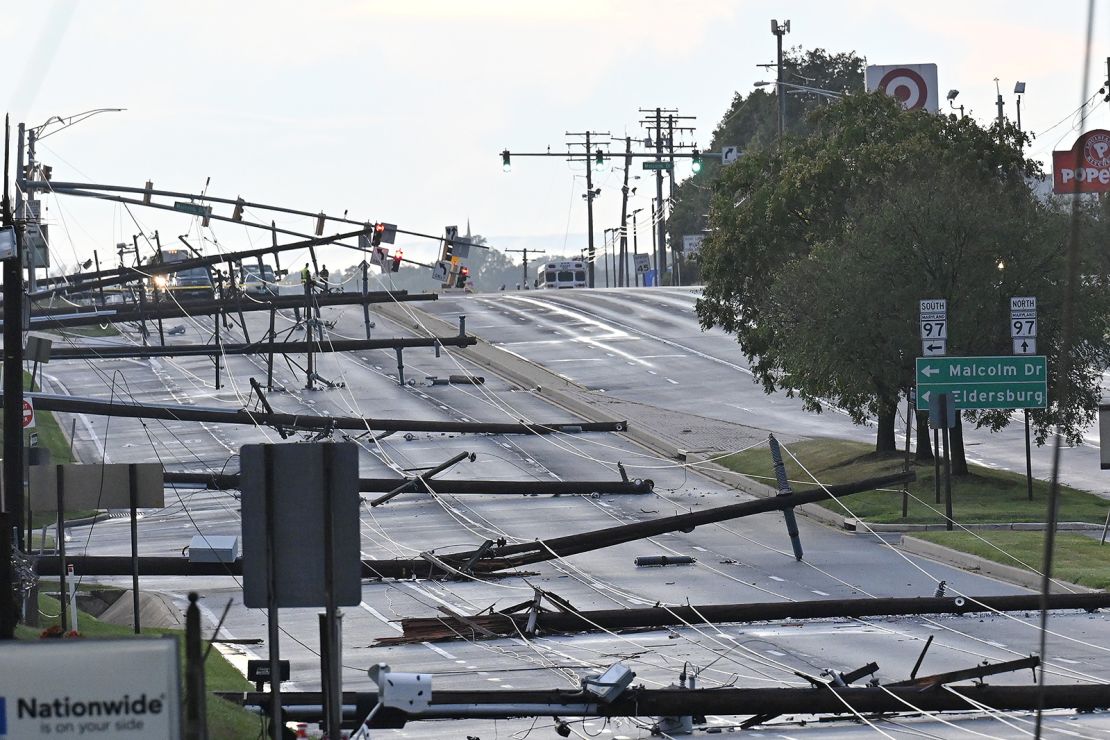
Electricity providers confirmed that power outages storm USA affected urban centers suburban neighborhoods and rural communities alike. Downed transmission lines damaged substations and inaccessible terrain slowed repair efforts. In some regions electricity restoration timelines stretched beyond 72 hours leaving households without heating during subzero nights.
Utilities activated mutual aid agreements bringing crews from unaffected states. Despite round the clock operations officials cautioned that safety considerations including live wires and unstable structures limited how quickly work could proceed.
Urban Centers Face Compounded Challenges
Major cities encountered layered disruptions as power outages storm USA intersected with dense populations and aging infrastructure. High rise buildings lost elevator access traffic signals failed and public transit systems reduced services. Emergency shelters filled rapidly as residents sought warmth and reliable power sources.
Municipal leaders emphasized coordination between energy providers emergency responders and public health agencies. Communication remained critical as authorities issued regular updates to prevent panic and misinformation.
Transportation Networks Brought to a Standstill
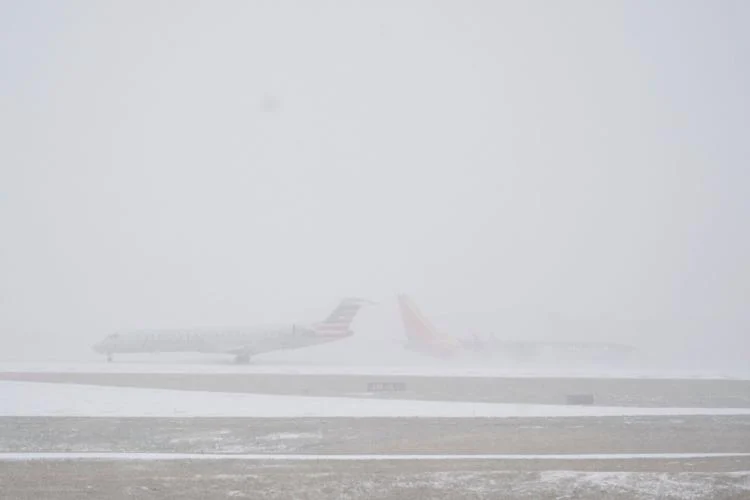
Airports across the Northeast canceled thousands of flights as power outages storm USA combined with snow covered runways and de icing delays. Airline operations were disrupted not only locally but nationwide due to aircraft displacement and crew scheduling issues.
Road travel also proved dangerous. State police reported hundreds of accidents while rail operators slowed or suspended services on key corridors. Logistics companies warned of supply chain delays affecting food fuel and medical deliveries.
Economic Consequences for Local and National Markets
The financial toll of power outages storm USA extended beyond immediate repair costs. Manufacturing output declined retail activity stalled and remote work became impossible for many households without connectivity. Insurance firms anticipated a surge in claims related to property damage and business interruption.
Economists noted that while short term losses were significant the broader concern centered on infrastructure resilience. Repeated weather related disruptions pose long term risks to economic stability particularly in energy dependent industries.
Emergency Management and Public Safety Measures
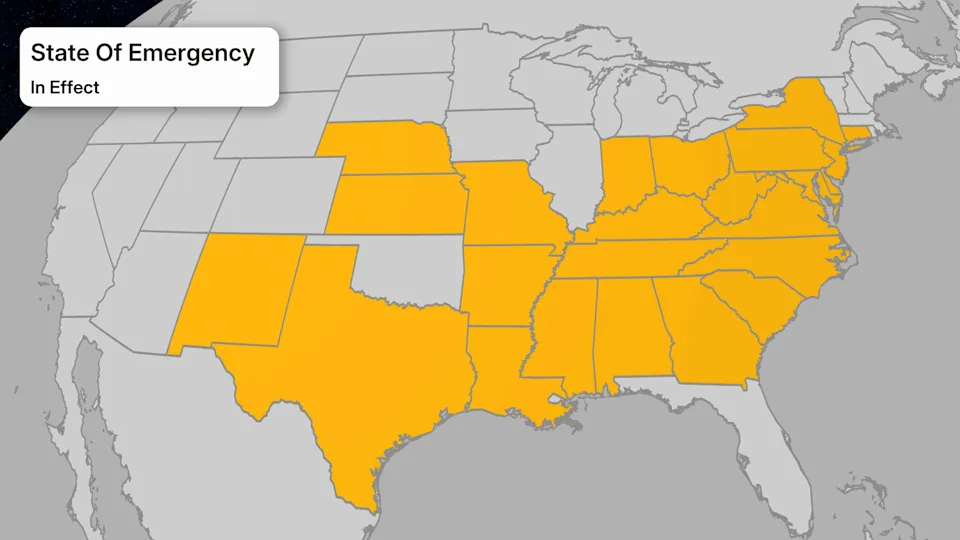
As power outages storm USA intensified emergency management agencies escalated response levels. National Guard units assisted with welfare checks debris removal and transport of essential supplies. Hospitals operated on backup generators while prioritizing critical care.
One senior emergency coordinator stated,
“We are focused on protecting lives ensuring access to warmth and restoring essential services as conditions allow.”
This single statement reflected the guiding principle behind response efforts across affected states.
Community Response and Grassroots Support
Local communities demonstrated resilience amid power outages storm USA by organizing volunteer networks to support vulnerable residents. Schools churches and community centers opened as warming shelters while residents shared generators and supplies.
Social media played a role in connecting those in need with assistance though officials urged reliance on verified sources for safety information. Grassroots coordination helped bridge gaps until formal services could be restored.
Infrastructure Vulnerabilities Exposed by the Storm
Energy experts analyzing power outages storm USA pointed to aging grids limited redundancy and exposure to extreme weather as key factors. Overhead lines in forested areas proved particularly vulnerable while substations in flood prone zones faced operational risks.
Calls for modernization grew louder as policymakers debated investments in underground cabling smart grids and decentralized energy systems. Advocates argued that upfront costs would be offset by reduced disruption over time.
Climate Trends and Future Storm Risk
Scientists caution that power outages storm USA may become more common as climate variability increases. Warmer oceans contribute to moisture rich storms while polar air intrusions create volatile winter conditions.
Adaptation strategies include improved forecasting targeted infrastructure upgrades and updated building codes. Experts emphasize that understanding regional risk profiles is essential for effective long term planning.
Restoration Progress and Public Guidance
Utilities reported steady progress restoring service after power outages storm USA with priority given to critical facilities. Drone inspections and advanced diagnostics helped identify damage more quickly than traditional methods.
Authorities reminded residents to avoid downed lines ventilate generator use properly and check on neighbors. Public safety messaging remained a cornerstone of recovery efforts.
Policy Debate and National Energy Strategy
The scale of power outages storm USA reignited national debate over energy policy and disaster preparedness. Lawmakers discussed funding mechanisms resilience standards and public private partnerships to strengthen grids.
Analysts highlighted the importance of integrating renewable energy storage and micro-grids to maintain localized power during widespread failures.
Long Term Lessons for Households and Institutions
For households power outages storm USA underscored the value of preparedness including emergency kits backup heating options and clear communication plans. Institutions reviewed continuity strategies to ensure operations during extended disruptions.
Education campaigns emphasized practical steps individuals can take to reduce risk and respond effectively when severe weather strikes.
A Winter Storm That Redefined Preparedness
By late January analysts concluded that power outages storm USA would shape emergency planning discussions throughout 2026. The storm revealed both vulnerabilities and strengths within national systems highlighting the role of coordination technology and community resilience.
Recovery continues as infrastructure is rebuilt and policies reassessed. The legacy of this event may ultimately be measured by how effectively lessons learned translate into stronger defenses against future extremes.