Toulouse, France — january, 2026, Brussels Morning Newspaper — The global aviation industry is confronting a pivotal moment after Airbus trade risks emerged as a central concern during a senior leadership briefing at the European aircraft manufacturer’s headquarters. The warning reflects a growing consensus that accumulated trade damage is no longer temporary but structural, reshaping how aircraft are designed, built, financed, and delivered across international markets.
Airbus operates at the core of the global aviation ecosystem, supplying aircraft to airlines across every major region. Its production model relies on cross-border cooperation, synchronized regulations, and stable trade rules. As those foundations weaken, manufacturers, airlines, suppliers, and governments are reassessing long-held assumptions about efficiency, resilience, and long-term growth.
A Global Industry Built on Interdependence
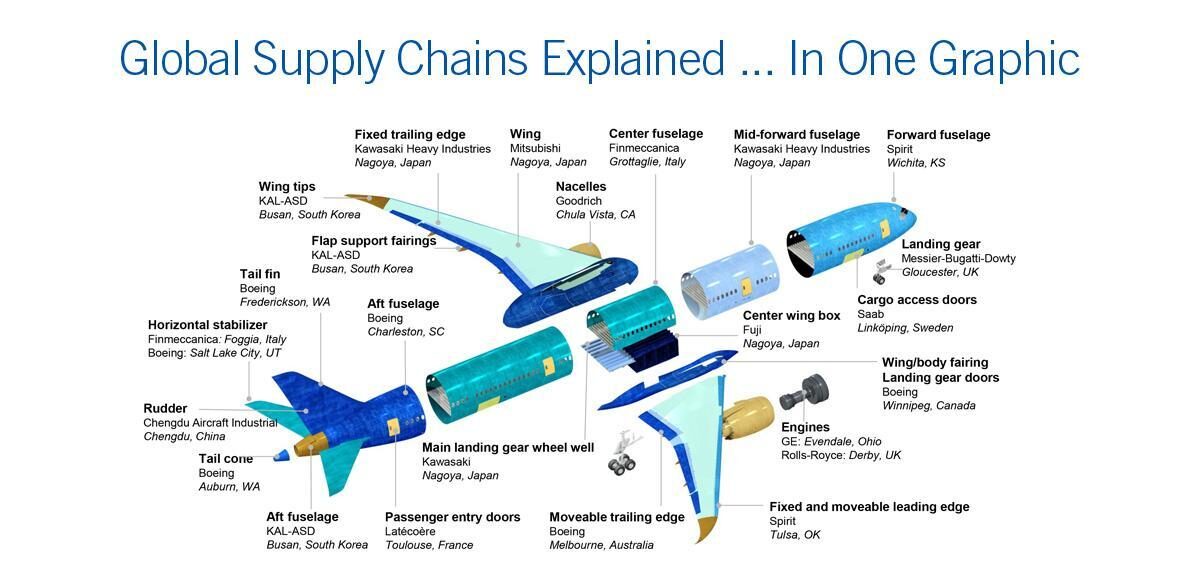
Commercial aviation has long symbolized globalization. Aircraft programs span continents, combining engineering expertise, industrial capacity, and regulatory oversight from multiple regions. Analysts say Airbus trade risks highlight how vulnerable this interconnected model has become amid geopolitical tension and shifting trade priorities.
A single aircraft contains millions of individual parts sourced from thousands of suppliers worldwide. Smooth production depends on predictable customs processes, harmonized certification standards, and diplomatic stability. When disruption occurs at any point, delays cascade across the manufacturing system, affecting airlines, leasing firms, and maintenance providers.
Supply Chains Absorb Structural Pressure
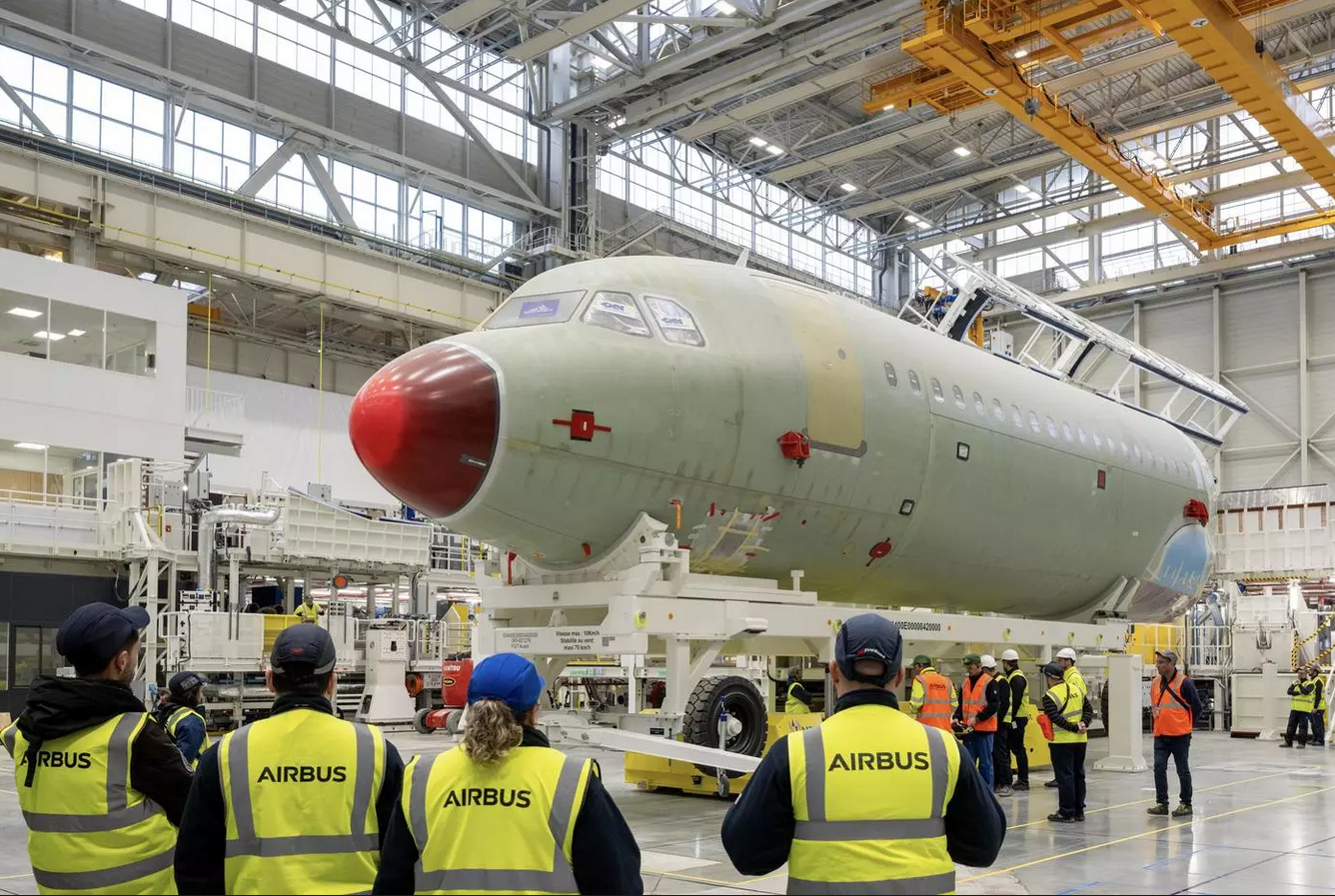
The aerospace supply chain is uniquely complex, operating with little tolerance for disruption. As Airbus trade risks increase, manufacturers face rising costs linked to customs delays, export controls, and regulatory divergence that were previously manageable.
Smaller suppliers are particularly exposed. Many operate on narrow margins and rely on just-in-time delivery schedules. Prolonged disruption could lead to consolidation across the supply base, reducing competition, weakening innovation, and increasing long-term costs for manufacturers and airline customers.
Executive Warning Signals Strategic Reset
From a leadership perspective, Airbus trade risks now shape strategic planning rather than remaining a background concern. Aircraft development programs require decades of commitment and billions in investment, making stability essential for decision-makers.
One senior aerospace strategist said,
“Trade damage has reached a point where it is influencing decisions that once seemed immune to political and regulatory change.”
This single observation captures the seriousness of the challenge now facing global aviation.
Airlines Re-calibrate Fleet and Growth Plans
Airlines worldwide are reassessing long-term strategies as Airbus trade risks ripple through production schedules and pricing models. Aircraft delivery delays disrupt route planning, while higher acquisition costs affect financing structures and profitability.
For carriers in emerging markets, the challenge is particularly acute. Rising uncertainty increases borrowing costs and limits access to modern aircraft, potentially slowing growth in regions where air travel demand is expanding fastest.
European Policy Debate Gains Urgency
Within Europe, Airbus trade risks have intensified debate over industrial resilience and strategic autonomy. Policymakers face the challenge of protecting key industries while preserving the openness that enabled aerospace success for decades.
Officials emphasize coordination with international partners to avoid regulatory fragmentation that could undermine safety standards, slow certification processes, and weaken Europe’s competitive position in global aviation.
Global Competition Enters a New Phase
The competitive landscape is evolving as Airbus trade risks intersect with national efforts to localize production. Governments across regions are encouraging domestic manufacturing to reduce exposure to external shocks.
While these policies aim to enhance resilience, industry leaders caution that excessive localization could reduce efficiency, raise costs, and fragment global standards that aviation depends upon for safety and scale.
Investor Confidence Reflects Heightened Caution
Financial markets increasingly price Airbus trade risks into aerospace valuations. While long-term passenger demand remains robust, uncertainty surrounding trade frameworks introduces volatility into earnings forecasts and capital planning.
Historically, aerospace investment benefited from predictable trade rules that supported long development cycles. Today’s environment represents a notable departure from that stability.
Innovation Pathways Face New Headwinds
The future of aviation depends on sustained innovation. As Airbus trade risks persist, industry leaders worry uncertainty could delay development of next-generation aircraft.
Research into lighter materials, alternative fuels, and new propulsion systems requires long-term collaboration and stable funding. Any slowdown risks delaying environmental and efficiency gains critical to the industry’s future.
Sustainability Goals Linked to Trade Stability
Environmental commitments in aviation require global cooperation. Airbus trade risks complicate joint research initiatives, shared certification processes, and coordinated deployment of cleaner technologies.
Fragmented trade rules could slow progress at a time when pressure to decarbonize aviation is intensifying worldwide.
Workforce and Skills Ecosystem Under Pressure
Beyond factories and finances, Airbus trade risks affect people. Aerospace employs hundreds of thousands of engineers, technicians, and researchers whose expertise depends on stable production pipelines.
Prolonged uncertainty may discourage investment in training and education, weakening the talent base essential for long-term competitiveness.
Industrial Geography Begins to Shift
As Airbus trade risks reshape strategic thinking, manufacturers are reassessing where future aircraft programs should be developed and assembled. Production may gradually move closer to end markets.
Such shifts could redefine established aerospace hubs and alter employment patterns across Europe, North America, and Asia.
Regulatory Alignment Becomes Critical
Aviation safety relies on harmonized global standards. Airbus trade risks raise concerns that regulatory divergence could delay certification and aircraft entry into service.
Industry leaders stress that safety cooperation must remain insulated from broader trade disputes to protect passengers and operators.
Calls for Renewed Multilateral Cooperation
Addressing Airbus trade risks will require renewed cooperation among major trading partners. Aviation’s inherently global nature leaves little room for unilateral solutions.
Shared standards, transparent enforcement, and mutual trust remain essential to sustaining efficiency and safety.
Long-Term Outlook Hinges on Policy Choices
The trajectory of global aviation will depend on how governments respond to Airbus trade risks in the coming years. Trade policy decisions will shape investment flows, production strategies, and competitive dynamics.
Restoring confidence in international trade systems could unlock renewed growth and innovation.
A Defining Moment for Global Aviation
As Airbus trade risks continue to influence strategic decision-making, the aviation sector stands at a defining crossroads. Choices made today will determine whether the industry remains globally integrated or becomes increasingly fragmented.
From Trade Shock to Strategic Realignment
The aviation industry is transitioning from an era defined by seamless globalization toward strategic re-calibration. How manufacturers, airlines, and governments respond will shape the structure of global aviation for decades to come.