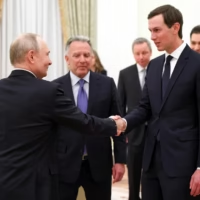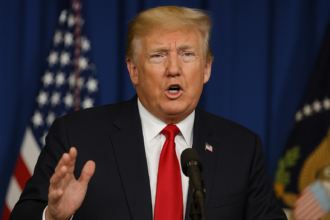

Kharkiv , Ukraine, January 2026, Brussels Morning Newspaper highlights renewed attention on the northeastern front as official statements from Moscow dominate headlines. At the center of the latest developments are Russia military claims describing advances and control over contested settlements, assertions that Ukrainian authorities have not independently confirmed. The announcements come amid continued fighting and restricted access to front line areas, complicating efforts to verify the situation on the ground.
The timing of the statements has added urgency to international monitoring, with analysts cautioning that battlefield narratives often evolve as rapidly as the conflict itself.
The Role of Official Statements in Modern Conflict
Military statements have long been part of warfare, but their role has expanded significantly in the digital age. In the current conflict, Russia military claims are disseminated rapidly through official briefings, state media, and online platforms, reaching global audiences within minutes. These statements often focus on tactical gains, destroyed equipment, or changes in territorial control, shaping early perceptions before independent verification is possible.
This immediacy gives official narratives significant influence. Even when later challenged or revised, initial claims can frame public understanding and influence diplomatic responses. As a result, military communication has become a strategic tool alongside conventional operations.
Kharkiv and Other Frontline Regions in Focus
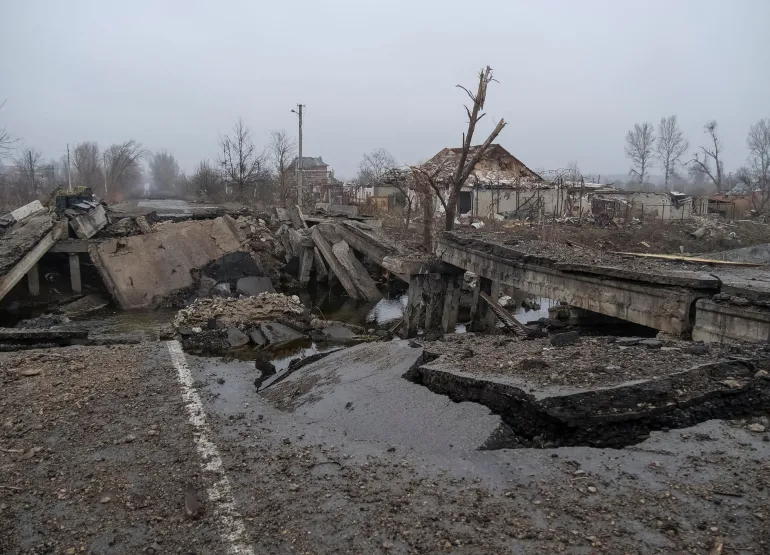
Among the areas most frequently mentioned in recent announcements is Ukraine’s northeastern Kharkiv region. Its strategic location and history of intense fighting have made it a focal point for Russia military claims. Statements describing the capture of villages or advances along specific axes are often linked to broader narratives about operational success.
However, analysts caution that frontline conditions in regions like Kharkiv are highly dynamic. Control can change hands multiple times, and the status of small settlements may shift rapidly. This volatility complicates efforts to assess the accuracy of claims and underscores the importance of independent confirmation.
Verification Challenges in Active War Zones
Independent verification of battlefield developments remains one of the greatest challenges in covering the conflict. Journalists and observers face restricted access, security risks, and information blackouts. In this environment, Russia military claims often stand in contrast to Ukrainian accounts, with each side presenting its own version of events.
Satellite imagery, geolocation analysis, and open-source intelligence have become critical tools for assessing these statements. Even so, such methods take time, meaning that official claims often circulate widely before they can be evaluated. This delay allows narratives to take hold, influencing public and political discourse.
Information Strategy and Military Messaging
Beyond reporting battlefield events, military statements serve broader strategic purposes. Russia military claims are frequently framed to emphasize strength, resilience, and progress, reinforcing domestic support and signaling resolve to international audiences. This messaging is carefully constructed, often highlighting successes while omitting setbacks.
Information strategy plays a crucial role in sustaining public morale and shaping external perceptions. In prolonged conflicts, where decisive victories are rare, maintaining the appearance of momentum can be as important as achieving tangible gains.
Ukrainian Responses and Counter-Narratives
Ukrainian authorities have consistently urged caution in interpreting Russian statements. Officials emphasize that Russia military claims should not be taken at face value and often point to ongoing fighting or counteroffensives as evidence that control remains contested. Kyiv’s approach focuses on highlighting resilience and the temporary nature of claimed advances.
This exchange of narratives illustrates how both sides seek to manage perceptions. The resulting information environment is one of constant contestation, where truth is often obscured by the fog of war.
Civilian Impact Behind the Headlines
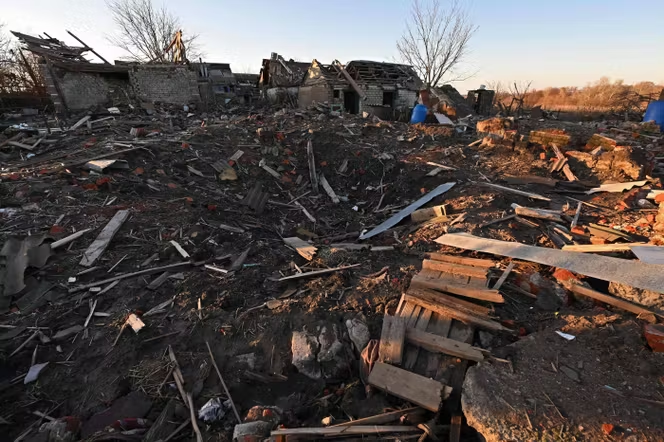
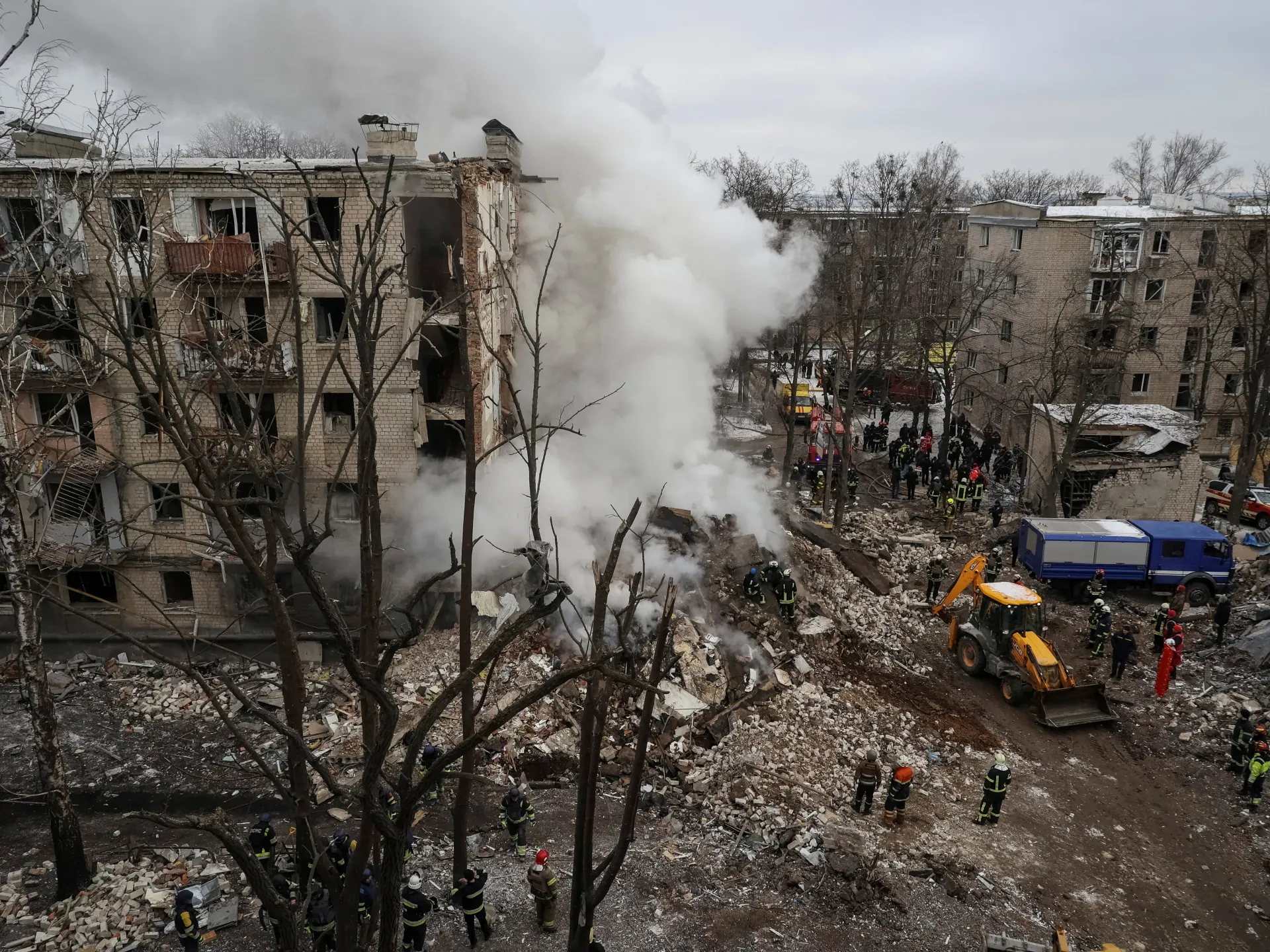
While military statements dominate headlines, their real-world implications are felt most acutely by civilians living near contested areas. Announcements of territorial control can prompt displacement, disrupt humanitarian access, and heighten fear among residents. Even unverified Russia military claims can influence civilian behavior, leading people to flee or seek shelter.
Humanitarian organizations warn that fluctuating control complicates aid delivery and evacuation planning. Civilians often bear the consequences of uncertainty, regardless of which narrative ultimately proves accurate.
International Reactions and Diplomatic Sensitivities
Russia military claims are closely monitored by foreign governments, international organizations, and security analysts. Statements about territorial changes can trigger diplomatic responses, influence policy debates, and shape discussions around sanctions or military assistance. As a result, accuracy and verification are critical, even as real-time confirmation remains difficult.
Many international actors stress the need for restraint in public messaging, warning that exaggerated or misleading claims can escalate tensions or undermine diplomatic efforts.
A Cautious Voice From Analysts
One regional security analyst observed,
“In a conflict where access is restricted and conditions change rapidly, official military statements should always be treated as provisional until corroborated by independent evidence.”
This perspective reflects a broader consensus among experts who track the war closely. Caution, they argue, is essential to avoid misinterpretation and overreaction.
The Broader Military Context
Individual claims must be understood within the wider military context. Russia military claims often highlight localized gains, but these do not necessarily translate into strategic breakthroughs. Fighting continues across multiple fronts, with both sides reporting advances and losses.
Analysts emphasize that modern conflicts are characterized by attrition and incremental change rather than rapid territorial shifts. As such, isolated announcements may have limited impact on the overall trajectory of the war.
The Psychological Dimension of Warfare
Military claims also serve a psychological function. By projecting confidence and control, Russia military claims aim to influence morale on both sides of the conflict. Such messaging can affect troop confidence, civilian sentiment, and international perceptions of strength and resolve.
Psychological operations are not new, but their reach has expanded dramatically through digital communication. In this environment, statements themselves become instruments of influence.
Media Responsibility and the Risk of Amplification
Media outlets face difficult choices when covering military announcements. Reporting claims without verification risks amplifying potentially misleading information, while delaying coverage can leave audiences uninformed. Many organizations now emphasize careful attribution and contextualization when covering Russia military claims.
This approach reflects growing awareness of the media’s role in shaping perceptions during conflict. Responsible reporting seeks to inform without inflaming or misleading.
Long-Term Implications for the Conflict Narrative
Over time, the accumulation of claims and counterclaims shapes the historical narrative of the war. Russia military cims, whether confirmed or disputed, contribute to how the conflict is remembered and interpreted. They influence domestic narratives, international analysis, and future diplomatic engagement.
Understanding this long-term impact highlights why accuracy and verification matter, even amid the urgency of real-time reporting.
As the war in Ukraine continues, military statements remain a powerful element of the conflict. Russia military claims illustrate how information, perception, and warfare are deeply intertwined in the modern era. While such claims provide insight into official positions and intentions, they must be approached with caution and contextual understanding.
In a conflict defined by uncertainty and rapid change, clarity depends on corroborated reporting, sustained analysis, and recognition of the limits of any single narrative.