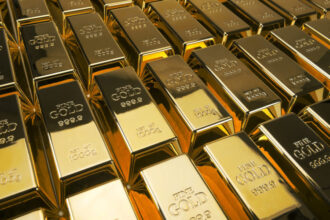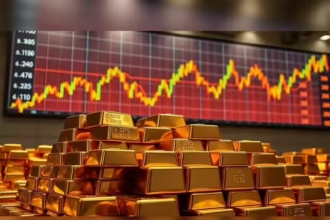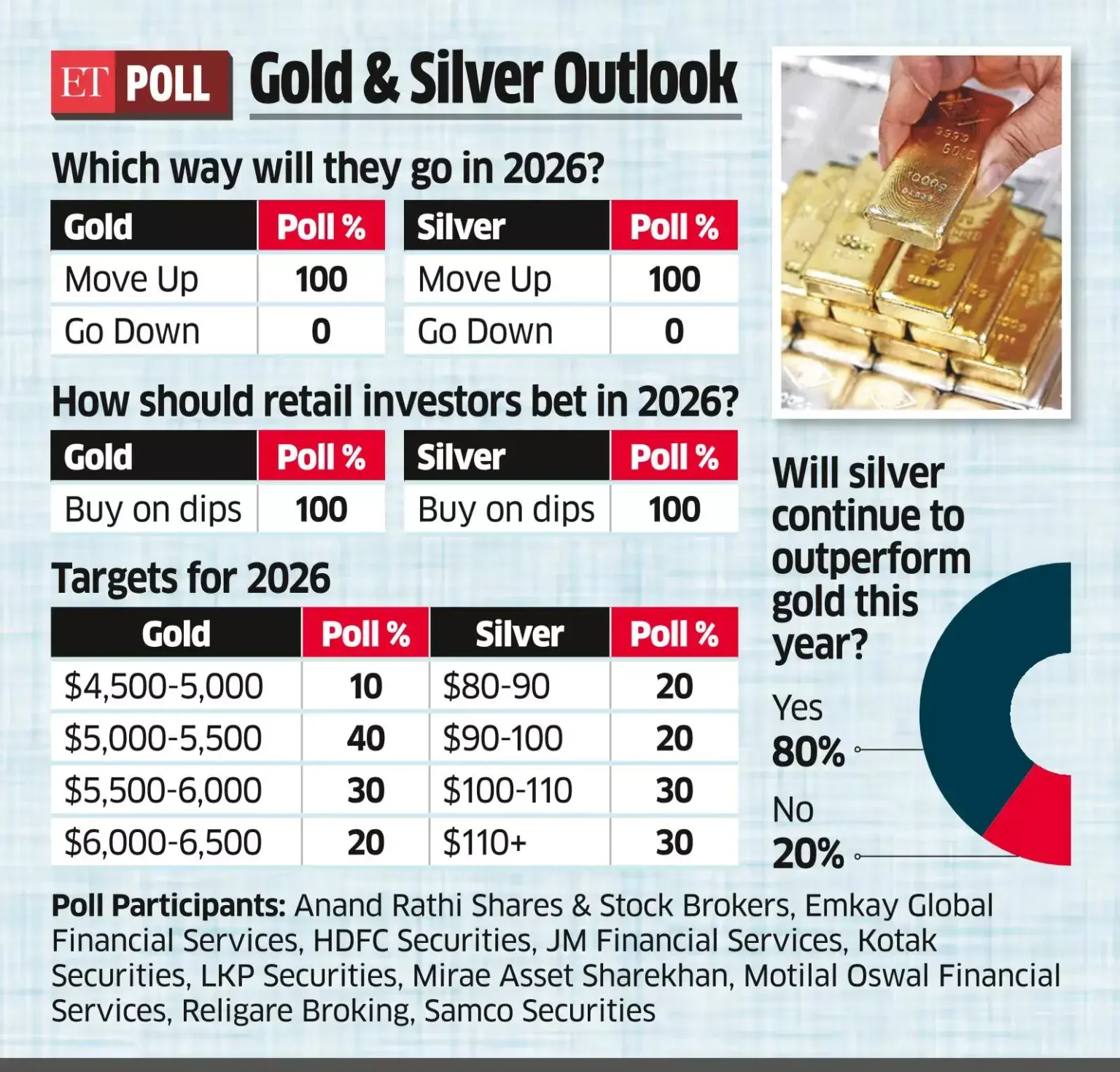
Brussels, January, 2026 — In a landmark moment highlighted by Brussels Morning Newspaper, global commodity markets reached a defining milestone as Gold tops 4900 oz, reshaping investor sentiment and redefining the role of precious metals in an increasingly uncertain financial landscape. The surge comes amid persistent inflation pressures, geopolitical instability, and a re-calibration of global monetary priorities.
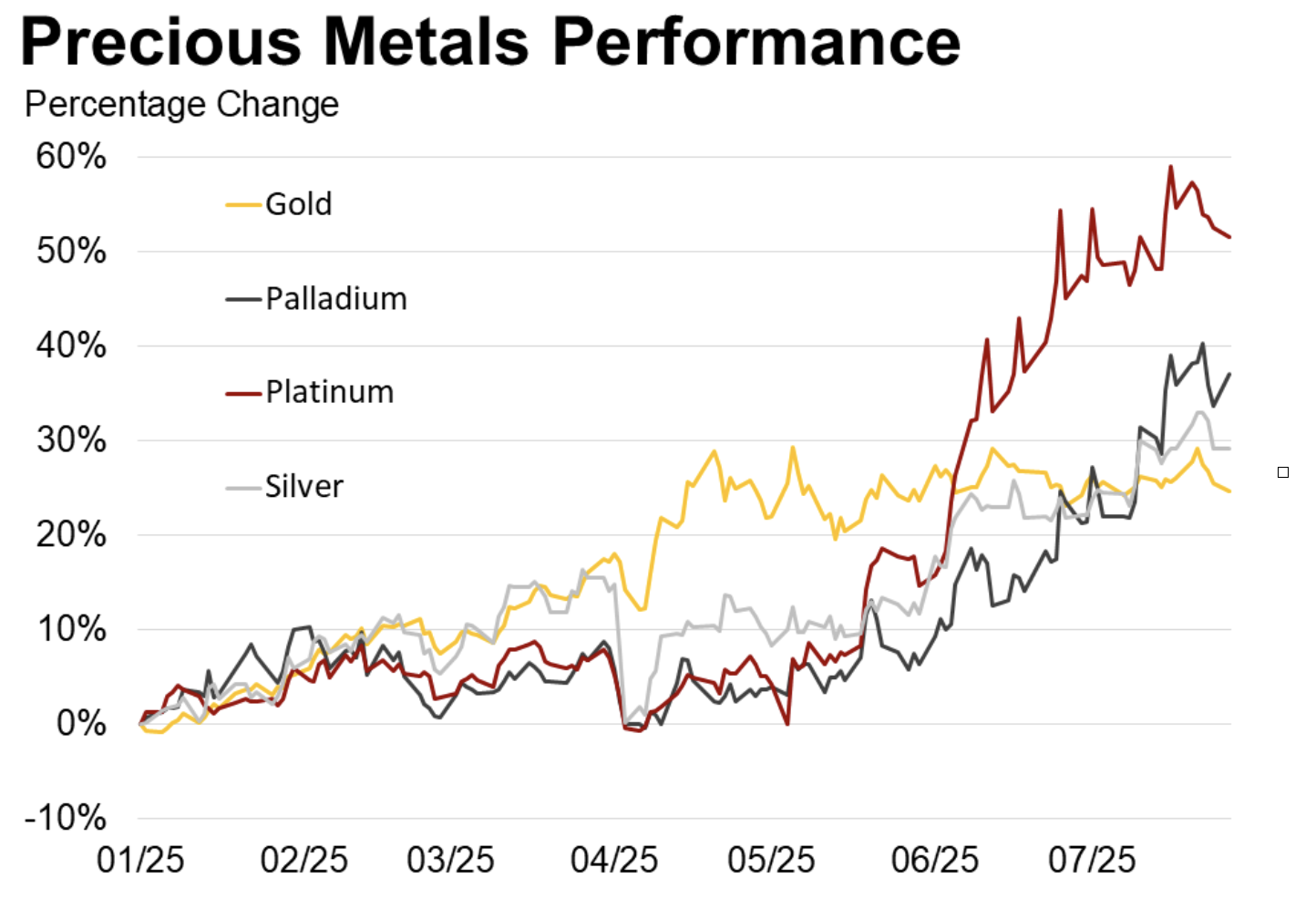
The rally has not been confined to gold alone. Silver and platinum prices have also surged, extending gains that signal a broader transformation underway across the metals sector.
A Price Level That Redefines Market Psychology
When Gold tops 4900 oz, it crosses more than a numerical threshold. It enters a psychological zone that alters how investors, policymakers, and institutions assess risk. Analysts note that price levels of this magnitude influence behavior far beyond the commodities market, affecting currencies, equities, and sovereign strategies.
This milestone reflects years of compounding pressures rather than a sudden spike. Inflation persistence, rising debt burdens, and declining confidence in traditional policy tools have steadily reinforced gold’s appeal.
Inflation Pressures Continue to Shape Investment Choices
Despite policy tightening efforts across major economies, inflation has remained stubbornly elevated into 2026. Consumers and investors alike face higher costs, eroding purchasing power and fueling demand for assets that historically preserve value.
As Gold tops 4900 oz, it underscores the perception that inflation risks are structural rather than temporary. This belief has driven capital flows into tangible assets, particularly precious metals, as investors seek insulation from long-term currency depreciation.
Central Bank Strategies Drive Structural Demand
Central banks have played a decisive role in sustaining high price levels. Over recent years, official sector purchases have accelerated as nations diversify reserves and reduce exposure to currency volatility.
The moment when Gold tops 4900 oz validates these strategies, reinforcing gold’s role as a neutral reserve asset free from counter party risk. Emerging and developed economies alike have contributed to sustained institutional demand.
Silver Market Gains Momentum Through Industry and Investment
Silver has advanced alongside gold, supported by strong industrial consumption and renewed investor interest. Its essential role in renewable energy systems, electronics, and electric vehicles has tightened supply at a time when demand continues to expand.
As Gold tops 4900 oz, silver benefits from both safe-haven flows and its dual identity as an industrial metal, creating a powerful combination that supports elevated pricing.
Platinum’s Resurgence Signals Broader Metals Strength
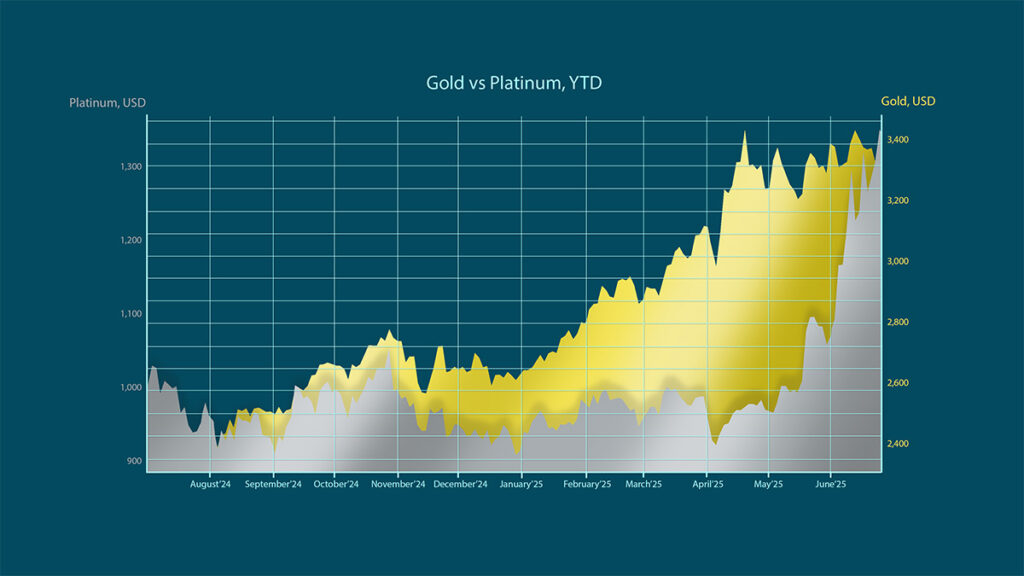
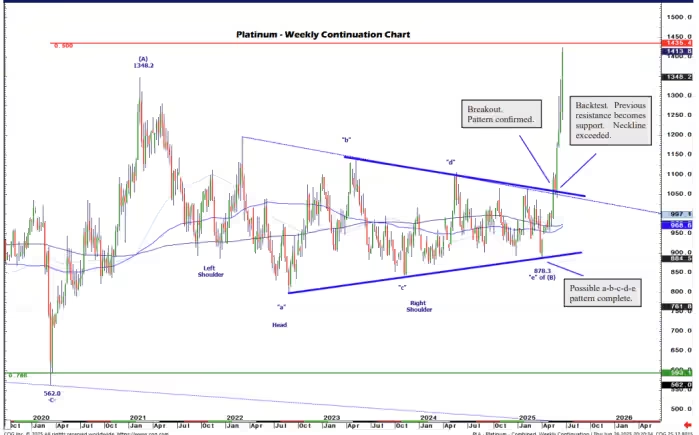
Platinum has recorded one of its strongest periods in decades. Supply constraints in major producing regions, combined with growing demand from automotive catalysts and hydrogen technologies, have driven prices sharply higher.
The rally intensified as Gold tops 4900 oz, boosting confidence across the precious metals complex and encouraging broader portfolio diversification among institutional investors.
Global Economic Uncertainty Fuels Safe Haven Demand
Economic growth forecasts remain uneven across regions in 2026. Trade fragmentation, geopolitical tensions, and fiscal stress continue to challenge stability. In this environment, investors increasingly prioritize capital preservation.
When Gold tops 4900 oz, it reflects deep-rooted uncertainty rather than speculative enthusiasm. Gold’s ability to retain value during periods of disruption remains central to its enduring appeal.
Investor Behavior Shifts Toward Long-Term Allocation
The current rally has prompted a strategic reassessment among asset managers. Rather than treating gold as a short-term hedge, many portfolios now position it as a core holding.
As Gold tops 4900 oz, exchange-traded products backed by physical bullion have seen sustained inflows, while demand for bars and coins has strengthened across global markets.
Currency Volatility Reinforces Precious Metal Appeal
Fluctuations in major currencies have further supported metals demand. Concerns over fiscal sustainability and monetary credibility have increased sensitivity to exchange rate movements.
The fact that Gold tops 4900 oz amid such volatility highlights its role as an alternative monetary anchor when confidence in fiat systems weakens.
Market Infrastructure Adapts to Elevated Price Levels
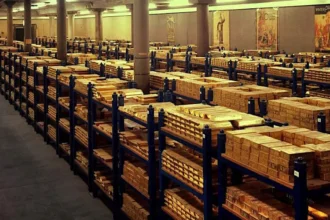
Higher prices have prompted adjustments across the supply chain. Refiners, vault operators, and exchanges have adapted to increased trading volumes and higher asset valuations.
As Gold tops 4900 oz, infrastructure resilience becomes increasingly important, ensuring liquidity and transparency in a rapidly evolving market environment.
A Singular Market Perspective
One veteran market analyst said,
“This cycle reflects a deep shift in how value is perceived, with precious metals reclaiming relevance as trust in traditional systems erodes.”
This perspective captures the broader narrative shaping markets in 2026.
Long-Term Outlook for Precious Metals
While short-term volatility remains possible, underlying fundamentals suggest sustained support. Supply limitations, strategic demand, and macroeconomic uncertainty continue to favor precious metals.
Even after Gold tops 4900 oz, analysts expect gold, silver, and platinum to retain strategic importance within diversified portfolios.
Why This Moment Matters for Global Finance
The point at which Gold tops 4900 oz may be remembered as a turning point. It reflects a re-calibration of trust, value, and risk in global finance, driven by structural rather than cyclical forces.
This moment underscores the enduring relevance of tangible assets in a digital and debt-laden world.
A Defining Chapter for Modern Markets
As markets move deeper into 2026, the precious metals rally continues to influence financial thinking worldwide. With Gold tops 4900 oz, investors and institutions alike are adapting to a new benchmark that reshapes expectations for stability, security, and long-term value.