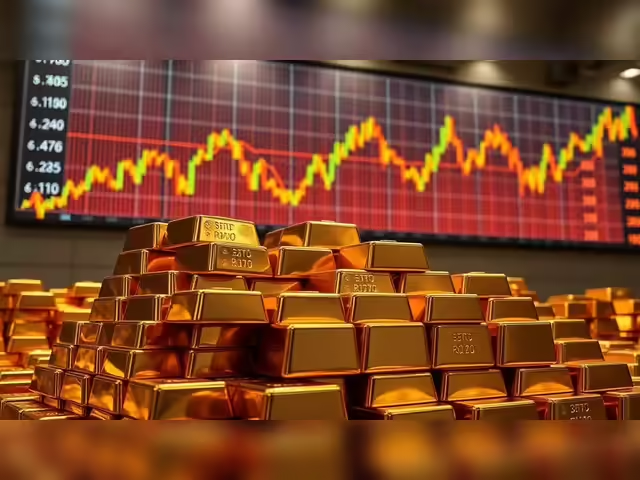
London, United Kingdom, January, 2026 — Brussels Morning Newspaper, Global financial markets marked a historic moment as the gold price hits record high, confirmed during early trading in London, the world’s most influential bullion hub. The milestone came amid escalating geopolitical strain between major Western powers, renewed uncertainty surrounding Greenland’s strategic future, and a decisive shift by investors toward assets perceived as neutral and resilient. The price movement has reverberated across currencies, equities, and commodities, underscoring how deeply political dynamics now shape market behavior..
A Milestone That Redefined Market Expectations
The surge beyond previous peaks has forced traders and analysts to reconsider long-held assumptions about valuation ceilings. When the gold price hits record high, it does more than redraw charts; it challenges narratives that once framed gold as a cyclical hedge rather than a strategic cornerstone.
Psychological price barriers often act as anchors in financial markets. Once breached, they can trigger a reassessment of risk models, portfolio construction, and long-term asset allocation. This latest move has done exactly that.
London’s Central Role in Price Discovery
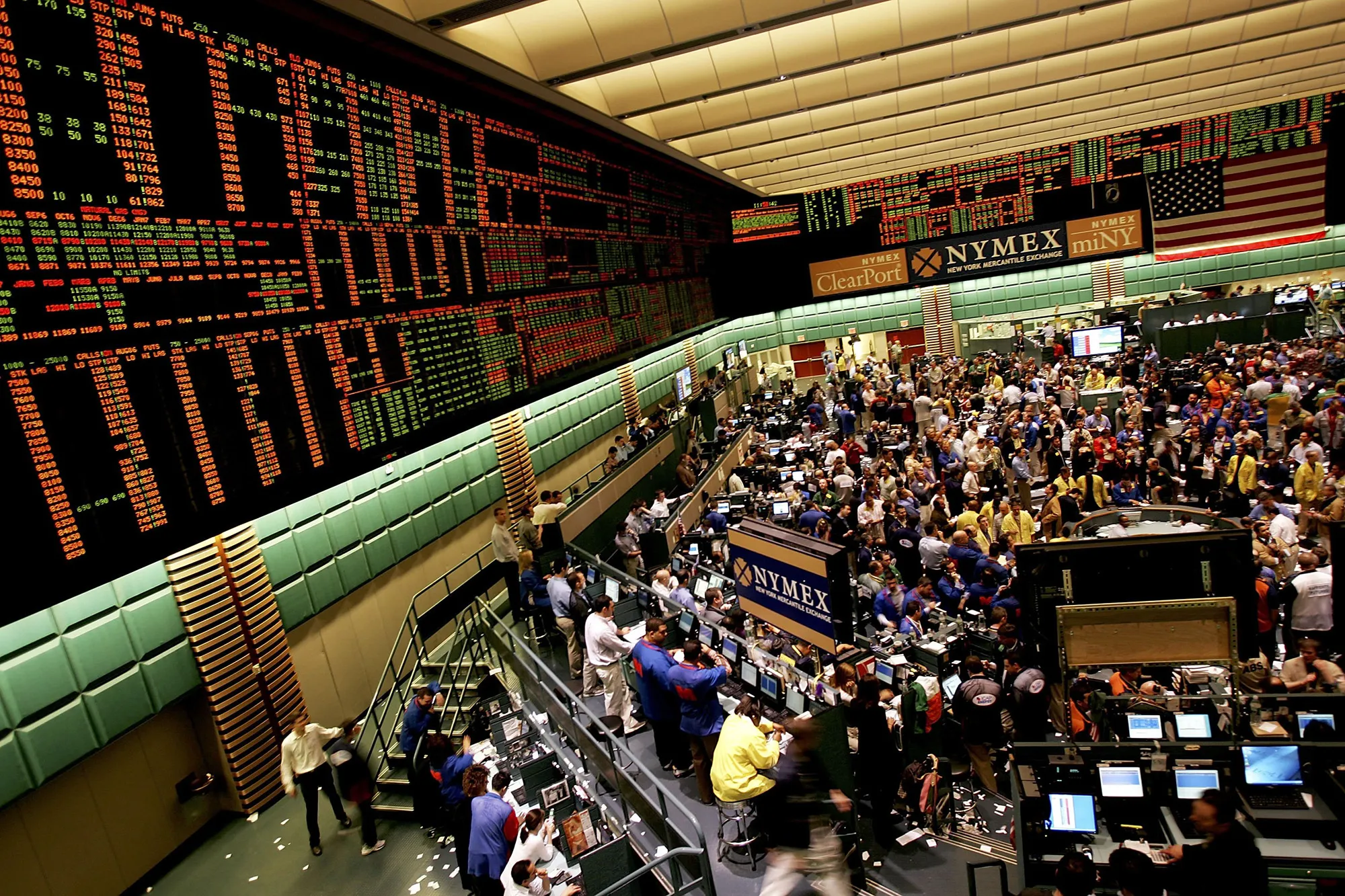
London’s bullion market remains the epicenter of global gold trading, setting benchmarks that influence Asia, the Middle East, and North America. Clearing houses, vault operators, and institutional desks across the city watched closely as prices surged.
The moment the gold price hits record high in London trading carries particular authority because the city’s price discovery mechanisms often dictate global sentiment for precious metals.
Greenland Tensions Add Strategic Context
The rally unfolded against a backdrop of rising diplomatic friction between the United States and the European Union over Greenland. Competition over Arctic security, shipping routes, and access to rare earth minerals has sharpened rhetoric and unsettled markets.
In this context, the gold price hits record high not merely as a reaction to inflation or monetary policy, but as a response to perceived fractures in long-standing alliances and the re-emergence of strategic rivalry.
Why Gold Benefits From Geopolitical Uncertainty
Gold’s enduring appeal lies in its independence from political systems. Unlike currencies or sovereign debt, it carries no default risk and no national allegiance.
Analysts say that when the gold price hits record high, it reflects a collective investor judgment that geopolitical uncertainty has reached a level where neutrality commands a premium.
Currency Volatility Amplifies Demand
The rally has been reinforced by sharp movements in major currencies. Both the dollar and the euro have shown heightened volatility as markets weigh diplomatic strain against shifting interest-rate expectations.
Historically, when the gold price hits record high, it often coincides with currency instability, as investors seek a benchmark that sits outside central bank influence.

Central Banks Strengthen Structural Support
Beyond private investors, central banks have played a critical role in underpinning demand. Over recent years, reserve managers have steadily increased gold holdings as part of diversification strategies.
This steady accumulation means that when the gold price hits record high, it is supported by long-term institutional demand rather than speculative excess alone.
One Voice From the Market
One senior precious-metals strategist said,
“This moment signals a structural repricing of gold, driven by geopolitics and long-term confidence shifts rather than short-term fear.”
Investor Behavior Adjusts Across Asset Classes
The price surge triggered immediate responses across financial markets. Exchange-traded products backed by bullion saw fresh inflows, while futures volumes climbed as traders re-positioned.
As the gold price hits record high, momentum-driven strategies often converge with defensive allocations, creating layered demand that can sustain elevated levels.
Supply Constraints Limit Market Balance
Unlike energy or agricultural commodities, gold supply cannot respond quickly to higher prices. New mining projects face long development timelines, environmental scrutiny, and rising costs.
With supply growth constrained, the moment the gold price hits record high highlights a structural imbalance that reinforces long-term price support.
Ripple Effects Through Global Markets
Equity markets reacted unevenly. Mining shares benefited from the surge, while sectors sensitive to geopolitical risk showed caution. Bond yields softened as capital rotated toward defensive assets.
In this broader environment, the gold price hits record high stands out as a signal that investors are prioritizing capital preservation over aggressive growth.
Inflation Expectations and Fiscal Pressures
Gold’s rise has also been linked to concerns about long-term inflation. Expanding defense budgets, infrastructure investment, and supply-chain realignment have kept inflation expectations elevated.
When the gold price hits record high, it reinforces perceptions that traditional monetary tools may struggle to contain structural price pressures over the coming decade.

Greenland and the Value of Physical Resources
Greenland’s strategic importance underscores a wider competition for tangible resources. Control over minerals, energy routes, and logistics corridors has become central to national security planning.
This backdrop helps explain why the gold price hits record high resonates so strongly, as investors increasingly favor assets grounded in physical scarcity.
Safe Haven Preferences Are Evolving
For decades, government bonds dominated safe-haven flows. Rising debt levels and political polarization have weakened that dominance.
As a result, when the gold price hits record high, it signals a broader redefinition of safety in global finance, with tangible stores of value regaining prominence.
Market Outlook After the Breakthrough
Analysts remain divided on near-term direction. Some expect consolidation after such a rapid move, while others believe further gains are possible if geopolitical tension persists.
What is widely agreed is that once the gold price hits record high, former resistance levels often become psychological support zones.
Long-Term Repricing Underway
Beyond day-to-day volatility, the milestone suggests gold may be undergoing a long-term repricing. Deglobalization, strategic rivalry, and fiscal expansion show little sign of reversal.
In this context, the gold price hits record high may later be viewed as a transition rather than an endpoint.
Portfolio Strategy Shifts
Wealth managers and institutional investors are reassessing diversification strategies. Portfolios increasingly emphasize resilience and real assets.
The fact that the gold price hits record high has accelerated discussions about strategic allocation in an era of persistent uncertainty.
London’s Enduring Influence
London’s infrastructure for bullion trading, clearing, and vaulting ensures its continued role at the center of precious-metals markets.
As the gold price hits record high, the city’s influence in shaping global narratives around gold remains decisive.
Broader Implications for Global Confidence
The rally carries implications beyond finance. Governments, corporations, and households are reassessing risk in a world marked by strategic competition.
Seen through this lens, the gold price hits record high reflects deeper shifts in confidence, trust, and global coordination.
Final Outlook for 2026
As 2026 progresses, gold’s trajectory will likely track geopolitical developments closely. Any easing or escalation of tensions could influence momentum.
Regardless of short-term moves, the moment the gold price hits record high has already reshaped expectations and market psychology.
A Defining Moment for Gold Markets
The historic surge in bullion prices underscores how profoundly geopolitics now influences financial markets. As alliances strain and competition deepens, gold has reasserted itself as a cornerstone of stability.
That the gold price hits record high in London in 2026 will likely be remembered as a defining chapter in how markets value security, sovereignty, and long-term resilience.