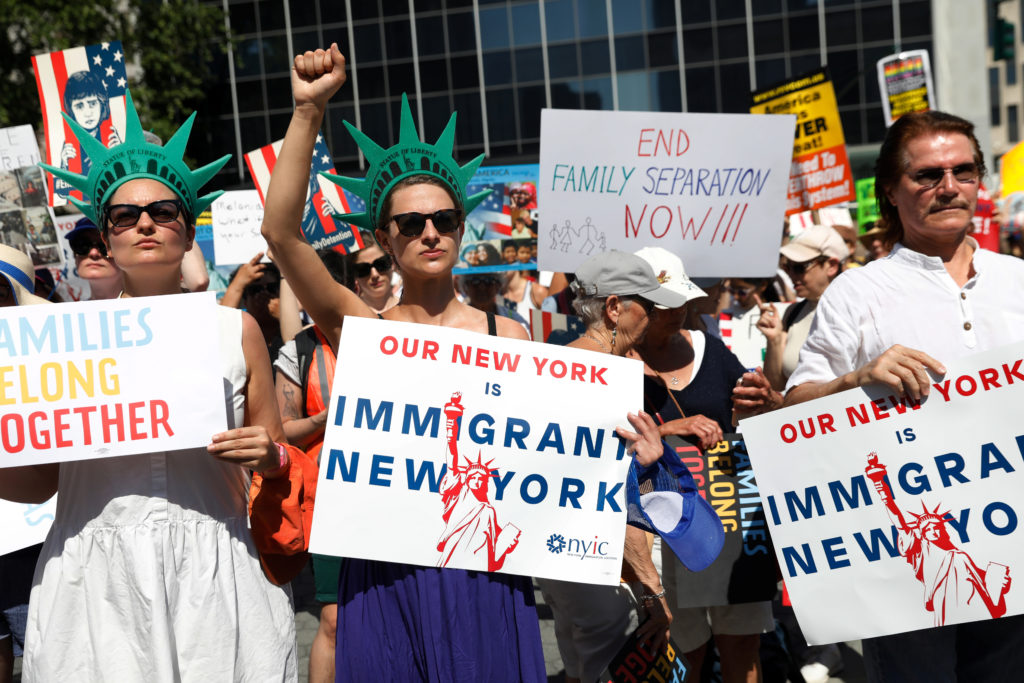
Washington, United States, January, 2026 — Brussels Morning Newspaper, In the nation’s capital and across dozens of major cities, thousands of demonstrators gathered in coordinated rallies to oppose immigration policies associated with former president Donald Trump, marking one of the largest waves of civic action in recent years. The demonstrations, peaceful yet forceful in tone, elevated the Trump immigration protests into a defining national moment, reflecting deep public concern over enforcement practices, humanitarian consequences, and the future direction of U.S. immigration policy.
Organizers said the scale of participation underscored how immigration remains a central issue shaping political identity, social cohesion, and democratic debate in the United States.
A Coordinated National Mobilization
The protests were not isolated events but part of a coordinated national mobilization spanning Washington, New York, Los Angeles, Chicago, Houston, and several state capitals. Organizers used digital platforms to synchronize start times, messaging, and safety guidelines, allowing rallies to unfold simultaneously across time zones.
Participants described the gatherings as inclusive and deliberately peaceful, emphasizing that the Trump immigration protests were designed to amplify voices rather than provoke confrontation. In Washington, crowds assembled near federal buildings, while in other cities, marches moved through downtown corridors and public squares.
Who Filled the Streets
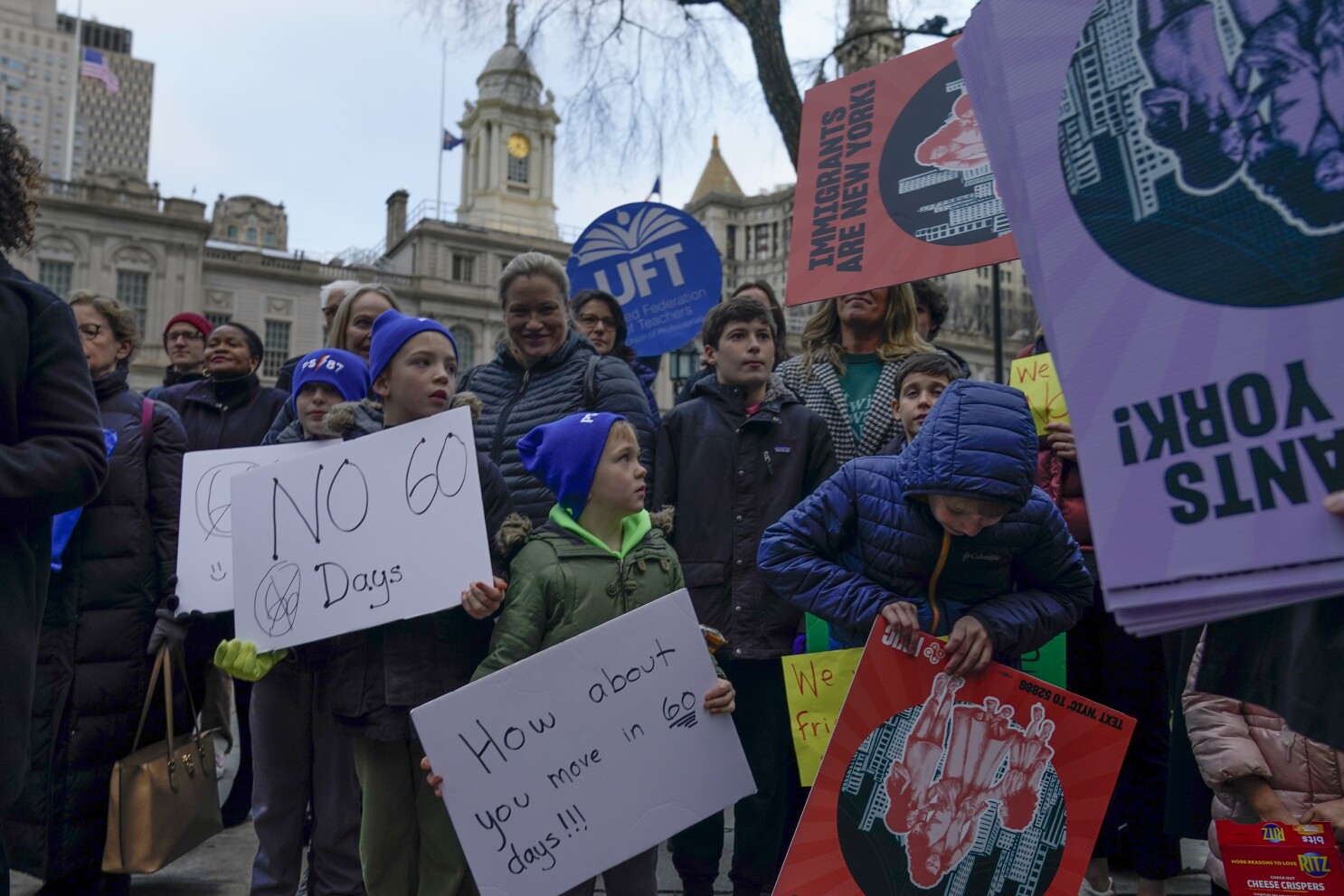
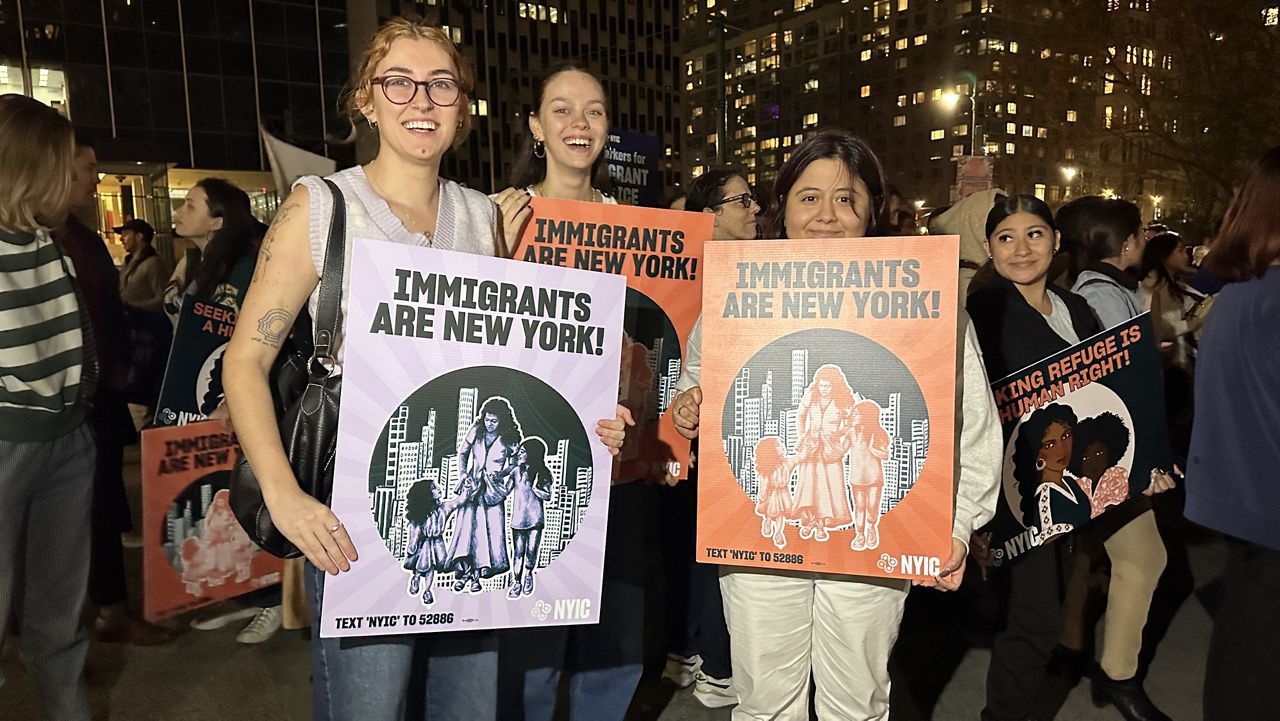
The crowds reflected a broad cross-section of American society. Students marched alongside clergy, labor organizers, educators, healthcare workers, and families with children. Many participants carried handmade signs advocating dignity, fairness, and compassion in immigration law.
For immigrant families, the Trump immigration protests offered a rare public space to express fears often confined to private conversations. Community leaders noted that visibility itself carried meaning, signaling solidarity at a time of uncertainty.
Roots of the Discontent
At the heart of the demonstrations were objections to strict border enforcement, expanded deportation measures, and limits on asylum access introduced during Trump’s presidency and echoed in later policy debates. Critics argue that these approaches prioritized deterrence over humanitarian considerations, leaving families divided and communities anxious.
Supporters of the policies maintain that strong enforcement is essential to national security and legal integrity. The Trump immigration protests unfolded at the intersection of these competing philosophies, transforming policy disagreement into visible civic action.
A Single Voice From the Crowd
One organizer addressing demonstrators from a temporary stage near the National Mall said,
“This movement is about reminding our leaders that immigration policy shapes real lives, not just political talking points.”
Managing Public Safety and Order
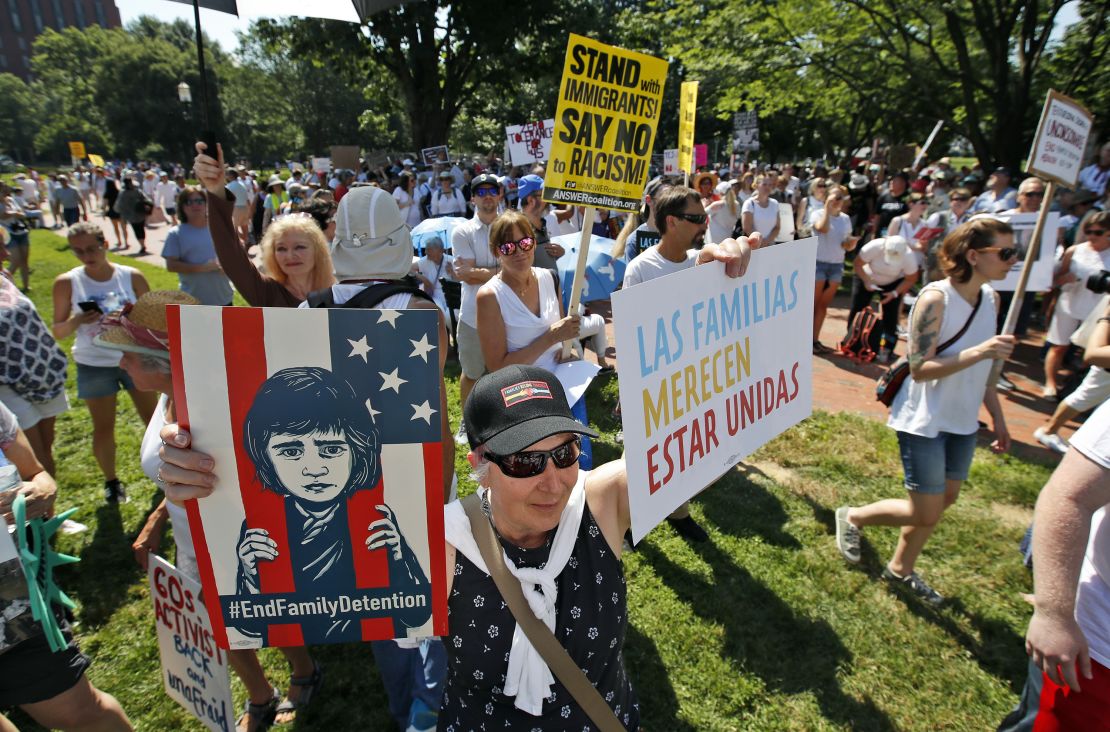
City authorities prepared extensively for the demonstrations, coordinating with protest organizers to manage traffic, crowd flow, and emergency access. In most locations, the events remained calm, with participants following agreed routes and schedules.
Officials credited cooperation between organizers and law enforcement for the orderly nature of the Trump immigration protests, noting that clear communication reduced the risk of misunderstandings or escalation.
Political Reactions Take Shape
Political responses followed predictable lines. Progressive lawmakers praised demonstrators for exercising democratic rights and urged renewed legislative debate. Conservative voices criticized the rallies as partisan activism and defended the immigration policies under scrutiny.
The visibility of the Trump immigration protests intensified political messaging ahead of upcoming electoral contests, with immigration once again positioned as a defining campaign issue.
Impact on Immigrant Communities
For many immigrants, the protests carried emotional weight. Community advocates said the gatherings helped counter fear by demonstrating that large segments of the public support reform and humane treatment.
In cities with significant immigrant populations, the Trump immigration protests became moments of collective reassurance, reinforcing the idea that affected communities are not isolated.
Grassroots Networks at Work
Grassroots organizations played a central role in mobilization. Digital tools allowed rapid coordination of logistics, legal observers, volunteer marshals, and medical support teams.
Activists said the Trump immigration protests illustrate how decentralized networks can generate large-scale action without a single central authority, reflecting a shift in how modern movements operate.
Media Attention and Narrative Framing
National and international media outlets covered the demonstrations extensively, broadcasting images of dense crowds and multilingual banners. Livestreams and short video clips circulated widely online, extending the reach beyond physical locations.
Analysts suggest sustained coverage of the Trump immigration protests could influence public perception, particularly among voters who have not firmly aligned with either side of the debate.
Historical Parallels in American Protest
Immigration-related protests have punctuated U.S. history, often emerging during periods of policy tightening or social anxiety. Past movements have ranged from labor marches in the early twentieth century to mass rallies for reform in the early 2000s.
Within this lineage, the Trump immigration protests represent a contemporary chapter, shaped by digital communication and heightened political polarization.
Economic Arguments Raised by Protesters
Speakers at rallies highlighted immigrants’ economic contributions, citing roles in healthcare, agriculture, construction, technology, and education. Many argued that restrictive policies risk long-term economic consequences by limiting labor supply and innovation.
These economic narratives featured prominently in the Trump immigration protests, broadening the discussion beyond humanitarian concerns to include national prosperity.
Cultural Expression as Protest
Music, art, and cultural performances were woven into the demonstrations. Multilingual chants and songs reflected the diversity protesters sought to defend.
Such expressions reinforced the message that the Trump immigration protests were not solely oppositional but also celebratory of pluralism and shared civic identity.
Digital Amplification and Online Reach
Hashtags associated with the rallies trended across major social platforms, while images and videos circulated throughout the day. Online engagement allowed supporters unable to attend in person to participate virtually.
Digital amplification ensured the Trump immigration protests remained visible long after crowds dispersed, sustaining momentum into subsequent news cycles.
Divergent Public Opinion
Public reaction remains divided. Supporters view the demonstrations as a moral imperative, while critics argue that enforcement policies are necessary for sovereignty and order.
The Trump immigration protests thus mirror broader societal divisions, reflecting how immigration touches questions of identity, security, and values.
Legislative Implications
While protests alone do not change laws, they can influence legislative priorities. Some lawmakers cited the rallies as evidence of public demand for reform, while others dismissed them as symbolic.
Whether the Trump immigration protests translate into concrete policy proposals remains uncertain, but they have undeniably returned immigration to the center of legislative debate.
Looking Toward the Months Ahead
Organizers stressed that the rallies mark the beginning, not the end, of sustained advocacy. Planned actions include voter education campaigns, community forums, and continued coordination among advocacy groups.
They argue that the energy generated by the Trump immigration protests must be channeled into long-term engagement to produce lasting change.
Broader Global Context
Immigration debates are not unique to the United States. Around the world, governments grapple with balancing border control, humanitarian obligations, and economic needs.
In this context, the Trump immigration protests resonate internationally, illustrating how domestic policy disputes can reflect global migration pressures.
The Role of Civil Society
Civil society organizations emphasized that protest is one element of democratic participation. Legal advocacy, policy research, and community support remain equally important.
The scale of the Trump immigration protests highlighted the capacity of civil society to mobilize quickly when policy decisions are perceived as unjust.
Assessing the Long-Term Significance
Historians caution that the significance of protests often becomes clear only in hindsight. Some movements fade, while others leave enduring marks on policy and culture.
Whether the Trump immigration protests will be remembered as a turning point or a moment within a longer struggle will depend on subsequent political developments.
A Moment of Collective Expression
The nationwide demonstrations opposing Trump-era immigration policies represent a powerful expression of civic engagement in 2026. By gathering peacefully and visibly, participants sought to influence national conversation and reaffirm democratic values.
Regardless of immediate outcomes, the Trump immigration protests have already reshaped public discourse, reminding observers that immigration remains a defining issue in American life.