Brussels, January 2026 —According to Brussels Morning Newspaper, that international observers say West Bank security raids have become a defining feature of the current security environment, drawing renewed attention from European policymakers and regional analysts. As developments unfold across the West Bank, officials in Brussels are closely monitoring how repeated operations are affecting stability, civilian life, and the broader political climate.
The timing is significant. With diplomatic momentum fragile and regional tensions persistent, events on the ground are increasingly shaping international discussions rather than reacting to them. The pattern emerging in recent months has elevated security activity from a local concern to a topic of sustained international scrutiny.
How the Current Pattern Has Taken Shape
The latest phase of activity follows months of intermittent unrest and heightened alert levels. Security operations have intensified in frequency and scope, often taking place during overnight hours and targeting specific neighborhoods.
Analysts note that West Bank security raids are typically described by authorities as preventive measures aimed at disrupting potential threats. However, the cumulative effect of repeated operations has sparked debate over their long-term impact on stability and public confidence.
Operational Tactics and Timing
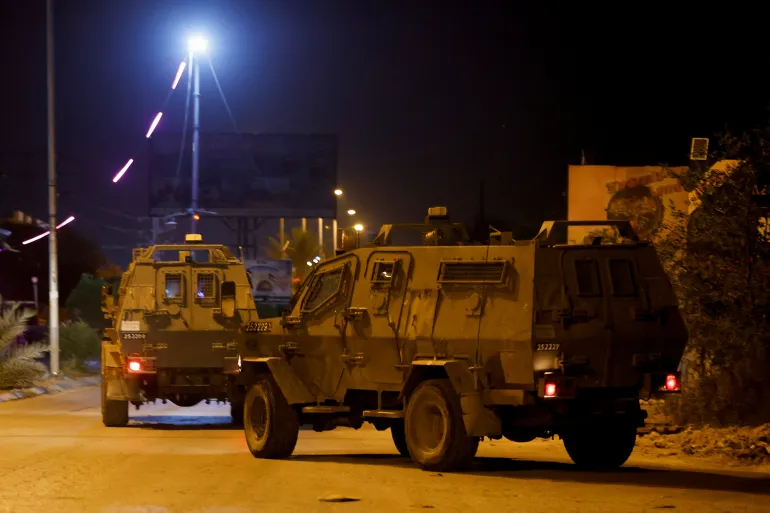
One defining characteristic of recent operations is timing. Night and early-morning actions are designed to minimize resistance and gather intelligence efficiently. Security forces often move quickly, entering and exiting residential areas within hours.
In many cases, West Bank security raids involve coordinated movements across multiple locations, suggesting centralized planning rather than isolated incidents. This approach reflects an emphasis on speed and operational control.
Impact on Civilian Communities
For residents, repeated security actions carry significant social and psychological consequences. Families report disrupted routines, heightened anxiety, and uncertainty about future operations.
Community leaders argue that West Bank security raids contribute to an atmosphere of unpredictability that affects education, employment, and daily mobility. While authorities emphasize security imperatives, civilians often experience these operations as intrusive and destabilizing.

Official Justifications and Security Logic
Security officials maintain that such actions are driven by intelligence assessments and risk prevention. Statements released after operations frequently cite the need to maintain order and prevent escalation.
Within this framework, West Bank security raids are presented as necessary interventions rather than punitive measures. Authorities argue that early action reduces the likelihood of wider violence.
Human Rights Monitoring and Legal Questions
Human rights organizations continue to document and assess developments. Concerns frequently focus on due process, access to legal counsel, and the treatment of detainees.
Following recent West Bank security raids, monitoring groups renewed calls for transparency and adherence to international legal standards governing occupied territories. These organizations stress that accountability remains essential for long-term stability.
Regional Political Ramifications
Security developments in the territory rarely remain localized. Political actors across the region closely watch events, interpreting them through broader strategic and ideological lenses.
As West Bank security raids continue, analysts warn that each operation carries the potential to influence regional dynamics, particularly when incidents receive widespread media attention.
European Diplomatic Attention
In Brussels, diplomats emphasize the need for de-escalation and proportionality. European officials regularly engage with regional counterparts to assess developments and encourage restraint.
The persistence of West Bank security raids has prompted renewed discussion within EU institutions about monitoring mechanisms and diplomatic engagement strategies.
Media Coverage and Public Narrative
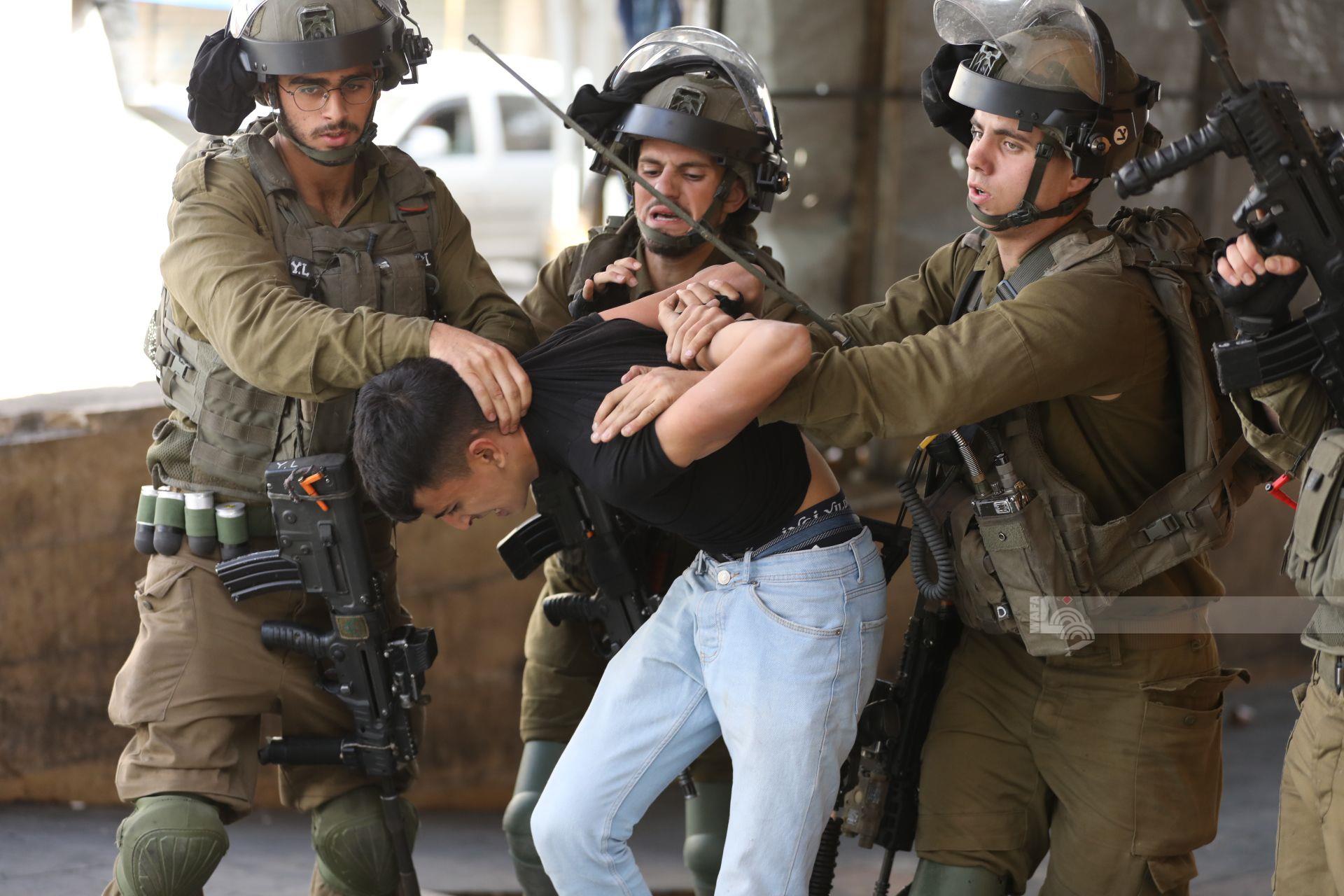
Media reporting plays a critical role in shaping perception. Images and eyewitness accounts circulate rapidly, often amplifying emotional responses and political reactions.
The way West Bank security raids are portrayed can influence international opinion, highlighting the importance of accurate and contextual reporting in a highly sensitive environment.
Security Versus Stability Debate
A central question emerging from current events is whether repeated operations enhance or undermine long-term stability. Security experts remain divided.
Supporters argue that West Bank security raids disrupt potential threats before they materialize. Critics counter that frequent interventions risk fueling resentment and cycles of unrest.
One Perspective From the Field
A regional security analyst familiar with conditions on the ground observed,
“When security measures become routine, they can lose their deterrent effect and instead harden divisions.”
This single assessment reflects the complexity of balancing immediate safety with sustainable calm.
Implications for Future Policy
Looking ahead, policymakers face difficult choices. Adjusting tactics, increasing transparency, or integrating confidence-building measures are among the options under discussion.
The continuation of West Bank security raids will likely influence how international actors shape their diplomatic and humanitarian responses in the months ahead.
Economic and Social Spillover Effects
Beyond immediate security concerns, repeated operations affect local economies. Movement restrictions and uncertainty can disrupt commerce and employment.
Observers note that West Bank security raids contribute indirectly to economic strain, reinforcing the link between security policy and socioeconomic conditions.
International Law and Oversight
Legal experts emphasize that international law provides frameworks for balancing security and civilian protection. Compliance with these standards remains a focal point of international monitoring.
Discussions surrounding West Bank security raids increasingly reference the need for oversight mechanisms that ensure accountability without compromising legitimate security needs.
Diplomatic Messaging and Signaling
Each operation sends signals beyond its immediate objective. Regional actors interpret actions as indicators of policy direction and intent.
As West Bank security raids continue, diplomatic messaging becomes as important as operational outcomes in shaping perceptions and reactions.
The Broader Regional Context
Events in the territory intersect with wider regional developments, including stalled negotiations and shifting alliances.
Analysts caution that West Bank security raids cannot be understood in isolation, as they interact with broader political currents shaping the Middle East.
Looking Ahead Through 2026
As 2026 progresses, attention will focus on whether security patterns evolve or remain entrenched. Changes in approach could alter both local conditions and international engagement.
The trajectory of West Bank security raids will serve as a key indicator of how security policy adapts under sustained pressure.
Between Enforcement and Endurance
Ultimately, the current moment highlights a central dilemma: maintaining order while preserving the foundations of long-term stability. Security actions may address immediate risks, but endurance depends on broader political and social solutions.
In this context, West Bank security raids remain both a symptom and a driver of the challenges facing the territory, underscoring the complexity of achieving lasting calm amid unresolved conflict.