
Brussels (Brussels Morning Newspaper) January 16, 2026 – The European Commission has appointed a new board for the European Innovation Council (EIC). The board comprises 15 members, including entrepreneurs, scientists, and investors, tasked with steering EIC strategy through 2026-2030. Appointments followed an open call and selection by Commissioner for Research Iliana Ivanova.
- Composition and Expertise of New EIC Board
- Role and Mandate of the EIC Board
- Appointment Process and Timeline
- Continuity from Previous EIC Board Term
- EIC Funding Instruments Under Board Oversight
- Strategic Priorities for 2026-2030 Mandate
- Profiles of Key Board Members
- Impact of EIC Since Inception
- Alignment with Horizon Europe Framework
- Governance Structure and Independence
- Response from Innovation Ecosystem
- Operational Locations and Decentralisation
- Future Work Programme Development
- Links to EU Competitiveness Agenda
- Selection Criteria and Diversity Measures
- Board Meeting Schedule and Transparency
- Predecessors’ Achievements and Lessons Learned
- International Benchmarking
The new board replaces the previous term, ensuring continuity in funding breakthrough technologies. Members represent diverse sectors, from deep tech startups to academic research institutions. The EIC manages the EU’s €10 billion budget under Horizon Europe for high-risk, high-potential projects.
Composition and Expertise of New EIC Board

The board includes chairs from venture capital firms, university vice-chancellors, and serial entrepreneurs. Notable appointees feature experts in quantum computing, biotechnology, and climate tech. Geographic balance covers all EU regions, with five members from Central and Eastern Europe.
Selection criteria prioritised proven innovation track records and strategic vision. Members serve three-year renewable terms, meeting quarterly to approve programmes. Independence from national interests ensures pan-European focus.
Role and Mandate of the EIC Board
The board advises on strategic orientation, budget allocation, and programme design. It approves EIC Work Programmes, setting annual funding envelopes for Pathfinder, Transition, and Accelerator schemes. Oversight extends to impact assessments and portfolio diversification.
Under the new board, priorities target deep tech scaling, with €1.4 billion earmarked for 2026 EIC Accelerator. Board members endorse mission-oriented innovation aligning with EU priorities like digital sovereignty and green transition.
Appointment Process and Timeline
Commissioner Ivanova announced appointments following a 2025 open call attracting over 200 candidates. Independent evaluators shortlisted finalists based on merit. Final decisions rested with the College of Commissioners in December 2025.
Inaugural board meeting schedules for February 2026 in Brussels. Transition from outgoing board ensures seamless handover of ongoing grants.
Continuity from Previous EIC Board Term
Outgoing board, chaired by a prominent venture capitalist, oversaw €7 billion in commitments since 2021. Successes include 500+ startups funded and 20 unicorns emerged. New board inherits 1,200 active projects across deep tech domains.
Experience from prior term informs continuity in equity investments and blended finance. Board reports directly to the Commission, with public accountability via annual transparency reports.
EIC Funding Instruments Under Board Oversight
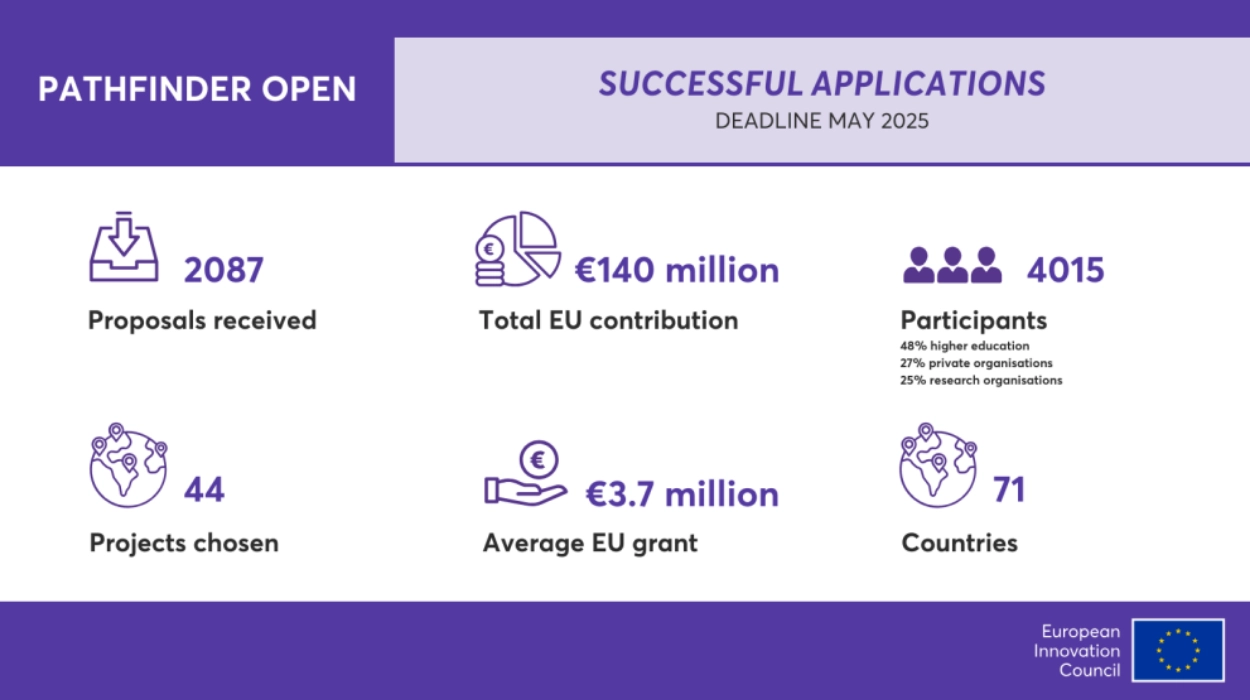
EIC Pathfinder supports early-stage research with €252 million in 2026. Transition scheme bridges lab to market with €98 million. Accelerator provides grants up to €2.5 million and equity up to €15 million per project.
Board approves jury panels for blended finance operations. Strategic theming focuses on health, climate, and digital frontiers.
Strategic Priorities for 2026-2030 Mandate
Board agenda emphasises scaling European deep tech champions. Targets include 50% increase in EIC-backed IPOs by 2030. International partnerships expand with US ARPA models and UK Innovate UK.
Women-led startups receive dedicated funding track. Regional hubs in 12 member states decentralise EIC presence.
Profiles of Key Board Members
Chairperson, a former SpaceX engineer turned VC partner, leads strategy. Vice-chair from CNRS directs scientific advisory. Investor members hail from Atomico, Index Ventures, and High-Tech Gründerfonds.
Academic representatives include ETH Zurich professor and Imperial College dean. Entrepreneur slots feature biotech founder and AI ethics pioneer.
Impact of EIC Since Inception
EIC portfolio generated 15,000 jobs and €5 billion leverage from private capital. 40% of funded projects report market traction within 24 months. Board metrics track patent filings and follow-on VC rounds.
Annual EIC Summit showcases portfolio companies to investors. 2026 event plans for Lisbon hosting 5,000 attendees.
Alignment with Horizon Europe Framework
EIC forms pillar of Horizon Europe’s second pillar, managing 5.5% of €95.5 billion budget. Board coordinates with ERC and MSCA for talent pipeline. Co-programmed partnerships channel EIC funds to sectors.
Synergies with InvestEU provide debt instruments complementing equity.
Governance Structure and Independence
Board operates at arm’s length from Commission directorates. Executive Committee implements decisions. EIC Steering Board approves major investments above €10 million.
Annual audits by European Court of Auditors verify financial propriety. Conflict-of-interest rules bar members from funded entities.
Response from Innovation Ecosystem
European Startup Network welcomes diversity of appointments. Deep Tech Europe praises gender balance at 40%. National promotion agencies prepare regional roadshows.
Venture capital associations pledge matching funds for EIC equity deals.
Operational Locations and Decentralisation
EIC headquarters remains in Brussels, with accelerator hubs in 20 cities. Board approves new outposts in Warsaw, Lisbon, and Helsinki. Remote participation enables full geographic coverage.
Digital platform streamlines grant management for 10,000 applicants yearly.
Future Work Programme Development
Board drafts 2027 Work Programme by mid-2026, incorporating stakeholder input. Challenge-based calls target batteries, personalised medicine, and quantum sensors. Budget rises to €12 billion for 2027-2028.
Public consultations gather feedback on draft priorities.
Links to EU Competitiveness Agenda
Appointments align with 2025 Competitiveness Compass, prioritising innovation-led growth. EIC board endorses 3% R&D intensity target by 2030. Coordination with Chips Act accelerates semiconductor startups.
Global tech rivalry informs risk-tolerant funding model.
Selection Criteria and Diversity Measures
Open call scored candidates on innovation impact (40%), strategic vision (30%), and independence (30%). Diversity quotas ensure 40% women, 30% under-represented regions. Age balance includes under-45 cohort.
Mentoring programme prepares next generation for board roles.
Board Meeting Schedule and Transparency
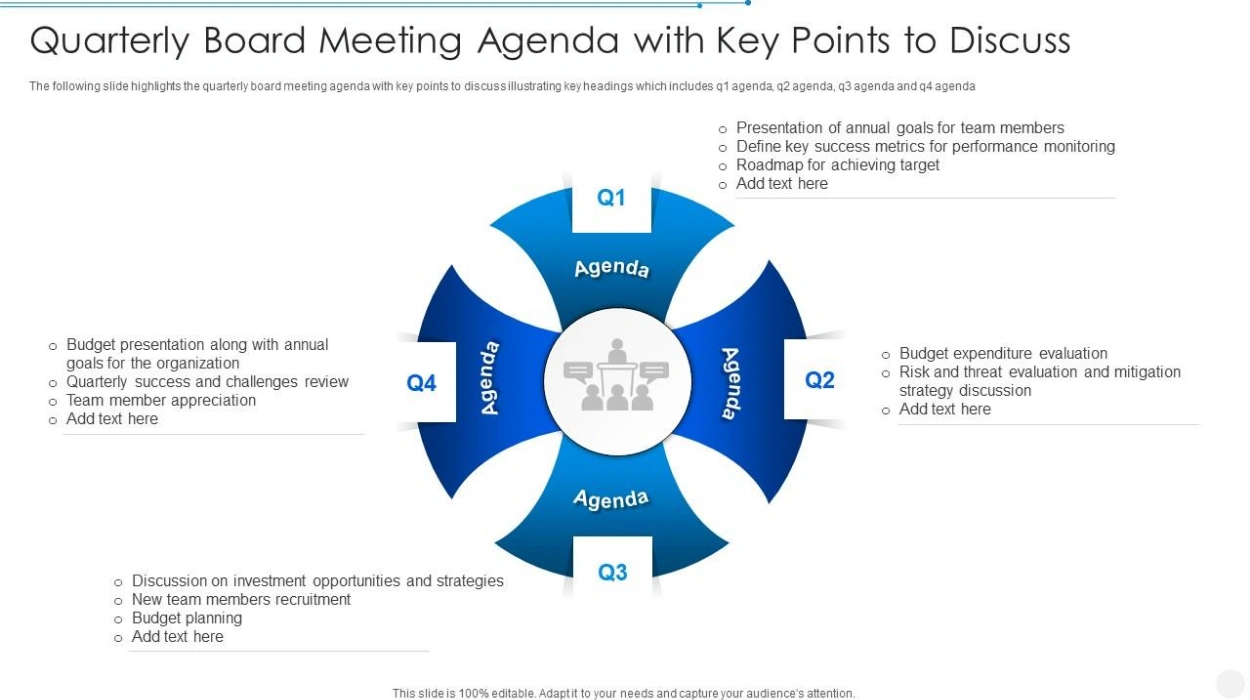
Quarterly plenaries rotate across member states. Agendas publish 10 days advance. Minutes and decisions enter public database post-approval.
Stakeholder dialogues precede major votes. Annual report details 100+ decisions taken.
Predecessors’ Achievements and Lessons Learned
Previous board scaled EIC from pilot to €10bn machine. Lessons include faster deal flow and jury diversification. New members inherit refined equity guidelines.
Portfolio monitoring shows 85% survival rate post-funding.
International Benchmarking
EIC models on DARPA, NSF SBIR, and Singapore NRF. Board studies US NSRI for mission scaling. Bilateral MOUs enable co-funding with Japan, Korea.
Global alliances share best practices on deep tech acceleration.