

Israel, Janaury 2026 – According to Brussels Morning Newspaper that in 2026, Jerusalem emerged as the center of a significant geopolitical development after Israel officially designated an Iranian state-owned bank as a terrorist organisation. The decision marks one of the most assertive financial actions taken by Israel in recent years and places renewed international focus on the Iranian banking sector as a strategic arena of modern conflict. Announced following a high-level security and legal review, the move underscores how economic instruments are increasingly shaping regional power dynamics.
The designation is not merely symbolic. It activates counterterrorism legislation, expands enforcement authority, and sends a strong signal to international financial institutions. As global markets respond cautiously, the implications of the decision are expected to unfold gradually but decisively.
Background of Israel–Iran Financial Tensions
The rivalry between Israel and Iran has spanned decades, evolving from ideological opposition into a complex web of indirect confrontation. While military and intelligence dimensions have long dominated headlines, financial mechanisms have gained prominence in recent years.
Israeli policymakers argue that certain Iranian financial institutions operate as extensions of state strategy, facilitating activities beyond traditional banking. By increasing pressure on the Iranian banking sector, Israel seeks to disrupt what it views as non-military threat infrastructure. This approach reflects a broader shift in international security thinking, where economic systems are treated as critical nodes of influence.
The Bank at the Center of the Designation
The bank targeted in the 2026 decision is fully owned by the Iranian state and plays a central role in domestic financial operations. According to Israeli authorities, intelligence findings suggest that the institution was involved in transactions linked to regional militant networks.
Designating the bank as a terrorist organisation allows Israel to bypass conventional sanctions frameworks. Instead, it applies stricter counterterrorism laws that criminalize engagement and expand asset-freezing powers. Analysts note that this action extends pressure beyond a single institution, affecting confidence in the broader Iranian banking sector.
Such reputational effects often outlast legal measures, influencing behavior even in jurisdictions not formally aligned with the decision.
Legal Basis and Enforcement Mechanisms
Israel’s counterterrorism legislation provides a powerful legal foundation for the designation. Once an entity is classified under this framework, authorities can pursue criminal penalties against individuals or organizations maintaining financial ties with it.
This legal approach differs significantly from traditional sanctions, which often allow humanitarian or commercial exemptions. The expanded enforcement scope increases compliance risks for international banks assessing exposure to the Iranian banking sector.
Legal experts suggest that even absent coordinated international action, unilateral designations can have global impact through risk aversion and regulatory caution.
Regional Political Response
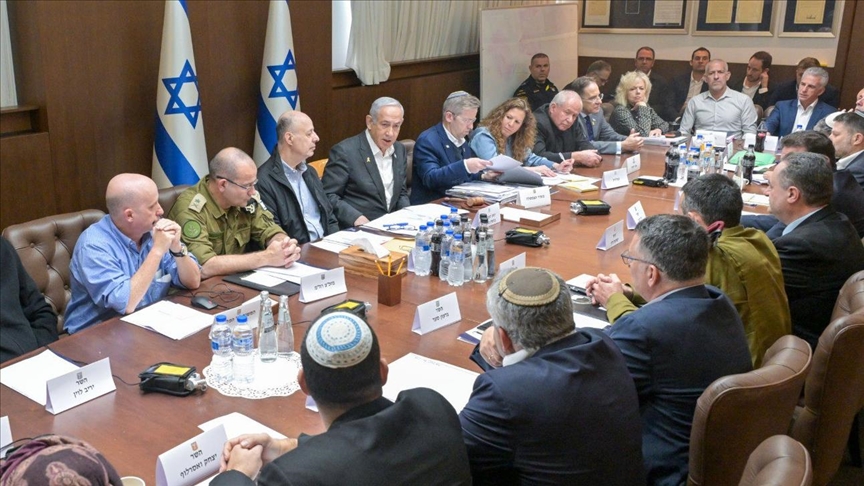
Reactions across the Middle East were measured but tense. Several governments avoided public comment, wary of escalating financial confrontation. Others expressed concern about the precedent set by targeting state-owned banks under terrorism laws.
Iran condemned the move as politically driven and legally invalid, asserting that its financial institutions operate within accepted norms. Officials warned that further isolation of the Iranian banking sector could harm regional trade and economic stability.
Despite strong rhetoric, diplomatic observers note that both sides appear cautious about triggering broader escalation.
International Financial Community Reaction
Global financial institutions responded with heightened scrutiny. Compliance departments began reassessing exposure, even where legal obligations were unclear. This phenomenon, often described as over-compliance, can magnify the real-world effects of unilateral measures.
For multinational banks, association with the Iranian banking sector already carries reputational and regulatory risk. The 2026 designation intensifies those concerns, potentially reducing transaction volumes and correspondent banking relationships.
Market analysts emphasize that uncertainty alone can significantly alter financial behavior.
Economic Impact Inside Iran
Iran’s economy has endured years of external pressure, limiting access to capital and global markets. The latest development adds another layer of complexity, particularly for trade financing and currency exchange.
Economists warn that sustained pressure on the Iranian banking sector may constrain private enterprise, complicate imports, and reduce investor confidence. Small and medium-sized businesses are often the first to feel such effects, as they rely heavily on banking intermediaries.
However, some analysts argue that domestic financial adaptation could mitigate the immediate impact.
Financial Warfare as a Strategic Tool
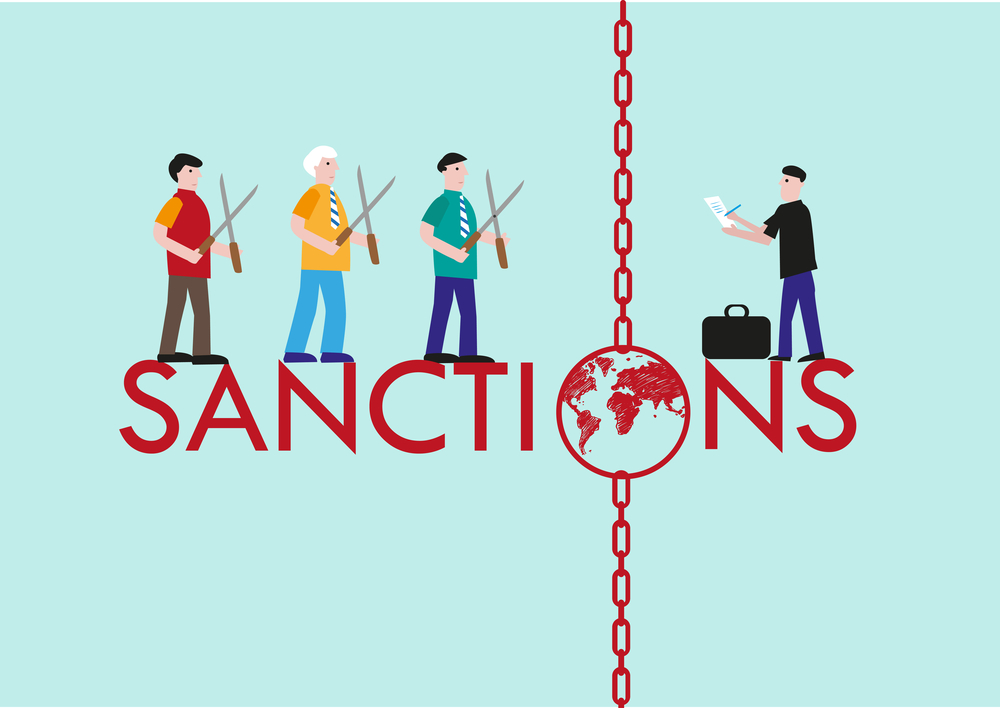
The 2026 designation highlights the rise of financial warfare as a central element of national security doctrine. Rather than relying solely on military force, states increasingly target economic systems that sustain adversaries.
By focusing on the Iranian banking sector, Israel demonstrates a belief that disrupting financial networks can weaken operational capacity over time. This strategy seeks long-term influence rather than immediate confrontation.
A regional security analyst observed,
“Economic pressure reshapes behavior gradually, often more effectively than force.”
Risks of Retaliation
Financial measures are not without risk. Iran retains options ranging from legal challenges to cyber responses. Reciprocal actions targeting Israeli-linked economic interests remain a possibility.
There is concern among analysts that repeated pressure on the Iranian banking sector could normalize financial escalation, eroding trust in regional markets. Such dynamics may increase volatility, affecting countries beyond the immediate parties.
Risk management, therefore, becomes a shared regional concern.
Diplomatic Calculations
Israel’s move reflects careful diplomatic calculation. By acting independently, it retains flexibility while signaling resolve. The designation may also be intended to influence broader international discussions related to Iran’s economic integration.
Pressure on the Iranian banking sector can serve as leverage, shaping negotiations without closing diplomatic channels entirely. Observers note that financial measures often function as both punishment and persuasion.
The balance between pressure and dialogue remains delicate.
Historical Context and Comparisons
Historically, financial institutions have been targeted in counterterrorism efforts, though rarely at the level of state-owned banks. Previous cases demonstrate that financial isolation can alter behavior but often produces unintended consequences.
For the Iranian banking sector, history suggests a pattern of adaptation under pressure, though often at significant economic cost. Comparative analysis indicates that outcomes depend heavily on international alignment and enforcement consistency.
Partial isolation tends to be less effective than coordinated action.
Impact on Regional Trade
Banking systems underpin regional trade networks. Increased scrutiny can slow transactions, raise costs, and discourage investment.
Traders across the Middle East express concern that uncertainty surrounding the Iranian banking sector could disrupt supply chains, particularly in energy and manufacturing. These ripple effects highlight how financial measures extend beyond their immediate targets.
Regional economic interdependence amplifies such consequences.
Technology and Financial Compliance
Modern enforcement relies heavily on technology. Advanced transaction monitoring and data analytics enable more effective identification of risk.
The 2026 designation may accelerate technological investment among banks seeking to manage exposure to the Iranian banking sector. Enhanced surveillance capabilities could permanently alter regional banking practices.
Technology thus becomes both a defensive tool and a vector of pressure.
Domestic Political Messaging in Israel
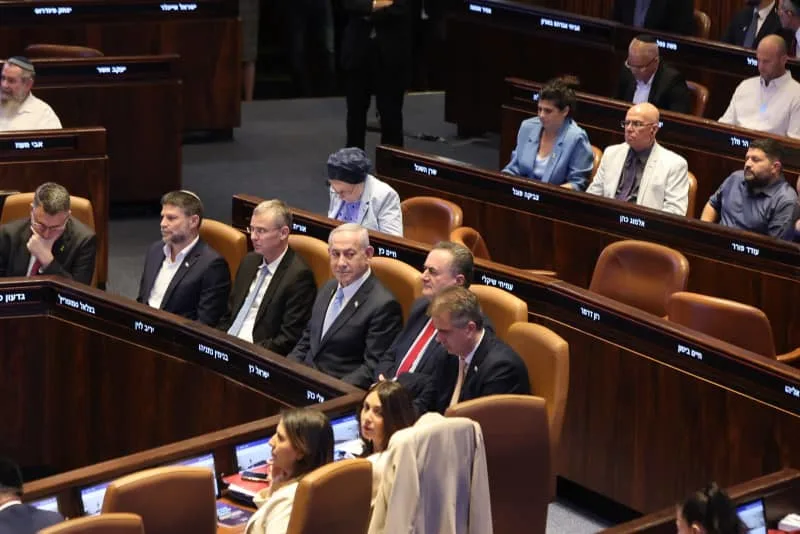
Within Israel, the decision was framed as a proactive security measure. Officials emphasized that financial disruption protects national interests without risking civilian lives.
Public discourse largely supports pressure on the Iranian banking sector, viewing it as a logical extension of existing security policy. Compared to military action, financial measures enjoy broader political consensus.
This domestic backing strengthens policy durability.
Iran’s Strategic Response Options
Iran faces constrained choices. Legal appeals, diplomatic outreach, and economic self-reliance are among the available paths.
Efforts to modernize and digitize the Iranian banking sector may intensify as authorities seek resilience. However, structural reform requires time and external cooperation, limiting short-term effectiveness.
Immediate responses are likely to focus on stabilization rather than transformation.
Media and Narrative Influence
Media coverage shapes perception and market behavior. Financial actions may lack dramatic imagery but exert profound influence through narrative framing.
By spotlighting the Iranian banking sector, international reporting reinforces caution among investors and institutions. Accurate, balanced coverage is essential to prevent exaggerated reactions.
Information flow becomes an indirect enforcement mechanism.
Long-Term Outlook
The long-term impact of the 2026 decision will depend on international response. Coordinated action could amplify pressure, while limited adoption may constrain effectiveness.
For the Iranian banking sector, the path forward involves either deeper isolation or gradual adaptation. For Israel, financial tools are likely to remain central to its security strategy.
The outcome will shape regional economic relations for years to come.
A Defining Financial Moment in 2026
The 2026 designation of an Iranian state-owned bank as a terrorist organisation represents a defining moment in Middle Eastern financial geopolitics. By targeting economic infrastructure, Israel underscores the evolving nature of conflict in an interconnected world.
As Brussels Morning Newspaper continues to follow developments, the consequences for diplomacy, finance, and regional stability remain closely watched.