
Minneapolis, Minnesota — January, 2026 — As highlighted by Brussels Morning Newspaper, national political focus sharpened this week as U.S. President Donald Trump threatened to invoke the Insurrection Act to deploy federal troops in Minnesota amid escalating Minnesota Anti ICE Protests. The move follows a sequence of federal law enforcement actions that sparked demonstrations in Minneapolis and surrounding areas and raised concerns over growing domestic political risks.
A Sudden Shift in the National Mood
The events unfolding in Minneapolis have altered the tone of the national political conversation at the start of 2026. What initially appeared as a regional dispute over immigration enforcement has evolved into a moment with broader implications for federal authority, civil liberties, and public dissent.
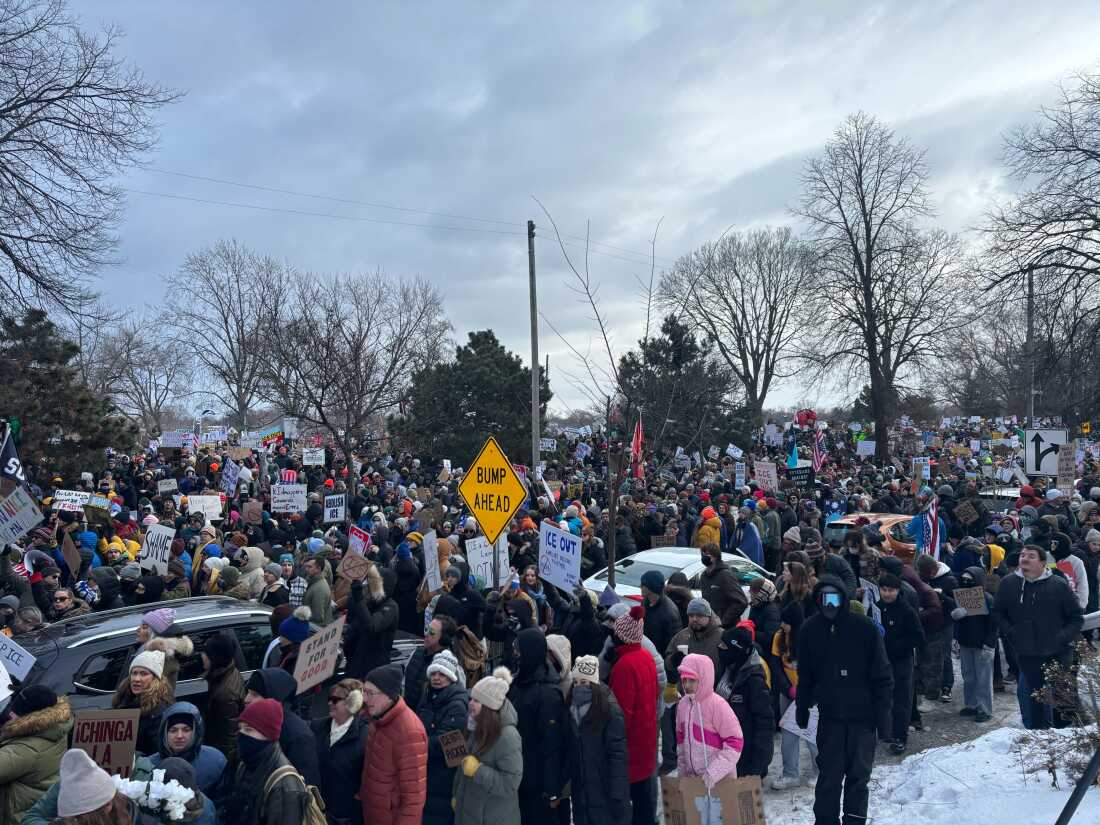
Crowds gathering across the city signaled a deeper unease that extended beyond any single incident. Demonstrators framed their actions as a response to accumulated grievances rather than a spontaneous reaction. As the scale of mobilization grew, so did its symbolic weight, transforming the Minnesota Anti ICE Protests into a focal point of national attention.
The Chain of Events That Sparked Unrest
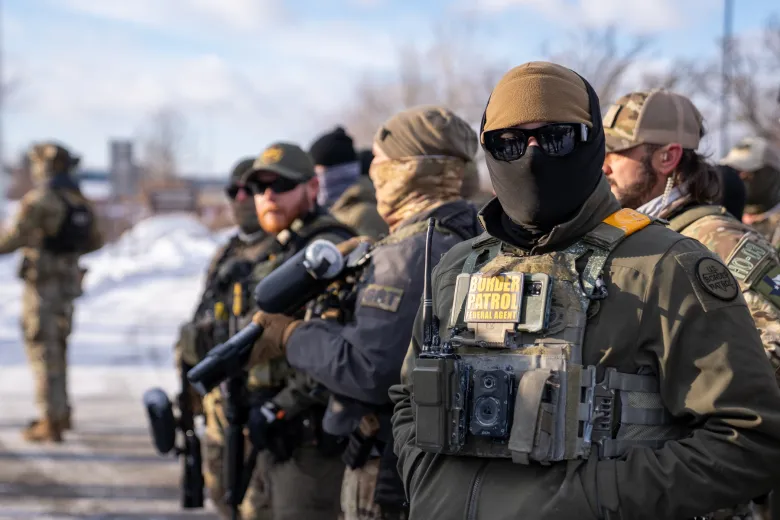
The current unrest traces back to a series of federal immigration enforcement actions that culminated in deadly and non-deadly confrontations. These incidents spread rapidly through community networks, igniting anger and fear among residents who viewed them as evidence of excessive force and insufficient oversight.
Vigils organized in response soon turned into marches, and marches expanded into sustained demonstrations. Each gathering brought new participants, many of whom had not previously engaged in protest activity. The emotional intensity surrounding the Minnesota Anti ICE Protests reflected long-standing tensions that had remained largely unresolved.
Federal Authority and the Insurrection Act Debate
President Trump’s warning about invoking the Insurrection Act marked a dramatic escalation in federal rhetoric. The law, rarely discussed in modern political discourse, suddenly became central to conversations about domestic governance and emergency powers.
Supporters of the president’s stance argued that the federal government has a responsibility to protect its agents and maintain order when local authorities struggle. Critics countered that the threat itself risked inflaming tensions and normalizing extraordinary measures. This debate elevated the Minnesota Anti ICE Protests from a state issue to a national constitutional question.
State and City Leaders Respond
Minnesota’s political leadership responded cautiously, emphasizing de-escalation and dialogue. State officials stressed that local law enforcement and community engagement were better suited to restoring calm than military involvement.
City leaders echoed these sentiments, urging demonstrators to remain peaceful while acknowledging the legitimacy of public concern. Their approach sought to balance safety with civil rights, even as nightly gatherings continued. The persistence of the Minnesota Anti ICE Protests underscored the limits of official appeals alone.
How Daily Life in Minneapolis Has Changed
The prolonged demonstrations reshaped everyday routines across Minneapolis. Commuters adjusted travel routes, residents avoided certain areas after dark, and businesses modified hours to adapt to uncertainty.
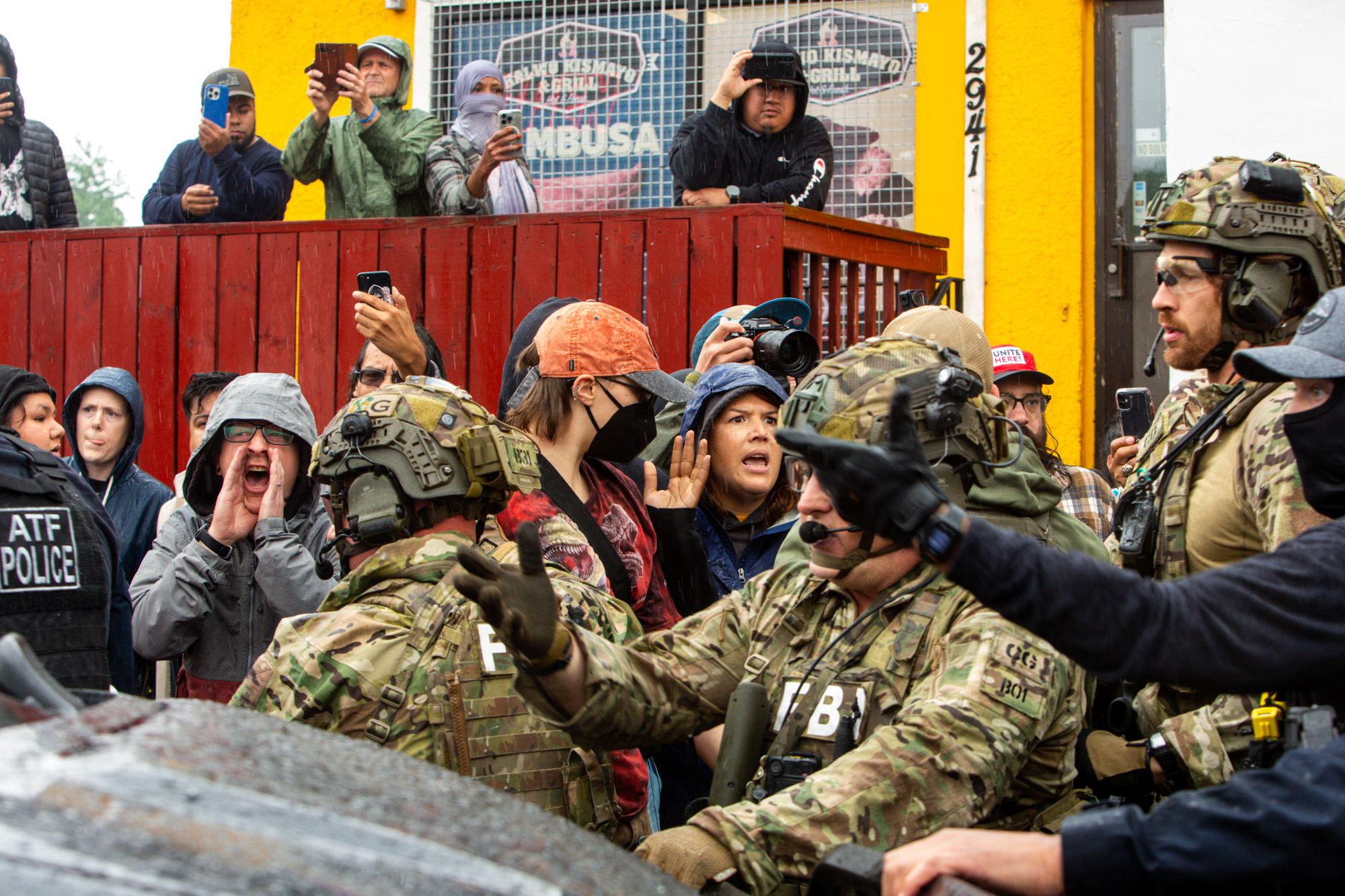
Neighborhoods near major gathering points experienced a constant presence of crowds, security forces, and media. For many residents, the city felt suspended between normalcy and crisis. Over time, the Minnesota Anti ICE Protests became woven into the rhythm of daily life rather than a temporary disruption.
Economic Strain Beneath the Demonstrations
As days turned into weeks, the economic impact became more visible. Small businesses reported reduced foot traffic, particularly in districts affected by nightly demonstrations. Some owners expressed concern about sustaining operations amid ongoing uncertainty.
City officials acknowledged these pressures while reiterating support for lawful protest. The economic consequences added another layer of complexity, illustrating how the Minnesota Anti ICE Protests affected not only politics but livelihoods as well.
Public Voices and Shared Sentiment
Participants in the demonstrations came from diverse backgrounds, including students, workers, faith leaders, and long-time residents. Despite differing personal motivations, many described a shared sense of urgency.
One demonstrator summarized the collective feeling succinctly:
“This is about whether our communities are heard before force becomes the only answer.”
This single voice captured the emotional core driving continued participation in the Minnesota Anti ICE Protests.
Legal Questions and Democratic Boundaries
Legal scholars and civic groups nationwide turned their attention to Minneapolis, debating the boundaries of executive authority during domestic unrest. The prospect of military involvement raised questions about precedent, proportionality, and constitutional safeguards.
For many observers, the unfolding situation served as a real-time test of democratic resilience. The legal scrutiny surrounding the Minnesota Anti ICE Protests highlighted broader concerns about how dissent is managed in moments of political stress.
Media Coverage and Public Perception
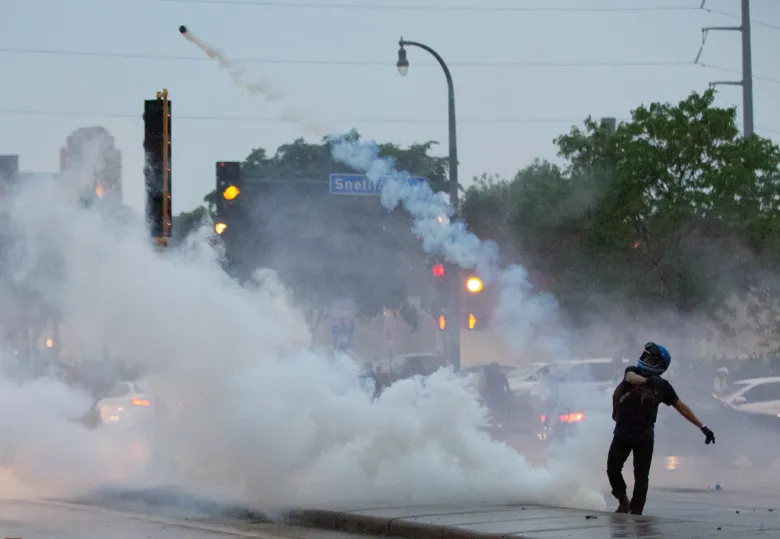
Images from Minneapolis circulated widely, shaping how audiences across the country understood the events. Coverage emphasized both the scale of demonstrations and the gravity of federal warnings, reinforcing the sense that the city stood at a crossroads.
Social media amplified firsthand accounts, allowing participants to frame their own narratives. This digital visibility ensured that the Minnesota Anti ICE Protests remained central to public discussion well beyond state borders.
Community Support Networks Emerge
Alongside the demonstrations, informal support systems developed across the city. Volunteers organized supply distribution, legal assistance, and first-aid efforts to support those participating or affected.
These networks reflected a broader community response that extended beyond protest itself. By addressing immediate needs, organizers reinforced solidarity and resilience amid the ongoing Minnesota Anti ICE Protests.
Education, Youth, and Civic Awareness
Schools and universities found themselves navigating the intersection of education and current events. Classrooms became spaces for discussion about civil rights, governance, and civic responsibility.
For many young participants, witnessing and engaging with the demonstrations marked a formative experience. The Minnesota Anti ICE Protests thus played a role in shaping a new generation’s understanding of democratic participation.
Security Measures and Public Trust
Maintaining safety while preserving trust proved challenging. Law enforcement agencies adjusted tactics as conditions evolved, seeking to prevent escalation without suppressing lawful expression.
Each interaction carried symbolic weight, influencing perceptions of authority and legitimacy. The endurance of the Minnesota Anti ICE Protests highlighted how fragile public trust can become during prolonged periods of unrest.
Broader Implications for Immigration Policy
Beyond Minneapolis, the demonstrations influenced national conversations about immigration enforcement. Lawmakers referenced the situation when debating oversight, accountability, and the role of federal agencies.
Advocacy groups used the momentum to amplify calls for reform, while others emphasized the need for strong enforcement. In this way, the Minnesota Anti ICE Protests extended their impact into legislative and policy arenas.
Historical Context and Civic Memory
Minneapolis has a history of civic engagement that shaped how residents interpreted current events. Comparisons to past movements surfaced frequently, providing context and perspective.
These reflections reinforced the idea that moments of unrest often leave lasting marks on civic identity. The Minnesota Anti ICE Protests became part of this ongoing narrative of public action and accountability.
What the Coming Weeks May Hold
As January 2026 progresses, uncertainty remains. Negotiations, legal challenges, and political calculations continue behind the scenes, while demonstrations persist in public spaces.
The direction of the Minnesota Anti ICE Protests will depend on decisions made by leaders at multiple levels and the willingness of all sides to engage constructively.
Why This Moment Resonates Nationally
Few local events capture national attention without touching deeper questions of governance. Minneapolis has become such a place, where local actions carry national meaning.
The Minnesota Anti ICE Protests resonate because they reflect broader tensions over authority, rights, and accountability in contemporary society.
A Defining Chapter of 2026
As winter deepens, Minneapolis remains a city under intense focus. Residents continue to navigate disruption while engaging in conversations that extend far beyond city limits.
With Minnesota Anti ICE Protests shaping political discourse, 2026 is already marked as a year of significant civic testing and transformation.