Brussels, Belgium, January 2026 — Brussels Morning Newspaper Highlights that Iran Europe relations have reached a defining moment as European policymakers and Iranian officials reassess the future of diplomatic engagement amid persistent regional tensions and shifting global dynamics. In a year marked by geopolitical uncertainty, Brussels has once again become the focal point for dialogue, reflection, and strategic calculation shaping ties between Tehran and Europe.
A Relationship Shaped by History and Caution
The relationship between Iran and Europe has never followed a straight path. Over decades, it has oscillated between engagement and strain, cooperation and disagreement. Diplomatic ties have endured wars, sanctions, and political change, reflecting a shared understanding that communication remains essential even when trust is limited. Today, Iran Europe relations are influenced as much by historical experience as by present day realities.
Europe’s Diplomatic Philosophy Toward Iran
European diplomacy traditionally emphasizes dialogue, multilateralism, and gradual confidence building. This approach stems from a belief that sustained engagement reduces the risk of escalation and preserves space for negotiation. In the context of Iran Europe relations, European officials continue to prioritize communication channels while balancing internal political pressures and external security concerns.
Iran’s Strategic View of Europe
For Tehran, Europe represents a distinct diplomatic partner with its own strategic value. Engagement with European capitals offers Iran avenues for political dialogue and economic interaction that differ from relations with other global powers. Iranian officials have repeatedly signaled that Iran Europe relations provide an opportunity to manage disputes through diplomacy rather than confrontation.

Economic Dimensions and Structural Constraints
Economic ties remain a central but constrained component of bilateral engagement. Trade volumes, financial mechanisms, and investment prospects are shaped by international regulations and political decisions. Despite these limitations, economic considerations continue to influence Iran Europe relations, reinforcing the link between diplomacy and material interests.
Sanctions and Legal Frameworks
Sanctions regimes have profoundly shaped the scope of engagement. European policymakers operate within complex legal frameworks that limit economic cooperation while allowing diplomatic dialogue. These constraints are a defining feature of Iran Europe relations, shaping expectations on both sides and reinforcing the incremental nature of progress.
Regional Security as a Core Concern
Developments across the Middle East heavily influence diplomatic priorities. Conflicts, ceasefires, and security incidents create a volatile environment in which diplomacy must operate. European officials consistently highlight regional stability as a shared interest, framing Iran Europe relations as part of a broader effort to reduce conflict risks.
Brussels as a Diplomatic Hub
Brussels occupies a unique position as the center of European coordination. Meetings, consultations, and policy debates held there reflect collective European positions shaped by diverse national perspectives. This central role makes Brussels a key arena where Iran Europe relations are debated, refined, and communicated.
Multilateralism and European Coordination
Europe’s approach toward Iran is often expressed through multilateral coordination. Consensus among European states strengthens diplomatic leverage but requires careful negotiation internally. This dynamic adds another layer of complexity to Iran Europe relations, as policy decisions must align with collective priorities.

Human Rights and Normative Dialogue
Human rights and governance issues remain integral to Europe’s foreign policy identity. These topics are regularly raised in diplomatic exchanges, sometimes complicating engagement but reflecting deeply held values. As a result, Iran Europe relations are shaped by a dual focus on strategic interests and normative concerns.
Media Narratives and Public Perception
Media coverage influences public understanding of diplomatic developments. Headlines often focus on moments of tension or breakthrough, while the steady work of diplomacy receives less attention. Balanced reporting is essential to understanding Iran Europe relations as a continuous process rather than a series of isolated events.
One Diplomatic Perspective
One senior European official remarked,
“Diplomacy is not about instant results but about keeping doors open when circumstances are difficult.”
This view captures the guiding principle behind current engagement efforts.
Domestic Politics and Policy Formation in Europe
European foreign policy decisions are shaped by domestic political debates, parliamentary oversight, and public opinion. Different national perspectives influence collective positions, creating both diversity and complexity within Europe’s approach. These internal dynamics directly affect how Iran Europe relations are formulated and implemented.
Iran’s Domestic Context and Diplomatic Calculations
Internal political dynamics in Iran also shape external engagement. Economic pressures, social debates, and governance priorities influence Tehran’s diplomatic posture. Understanding these domestic factors is essential to interpreting the trajectory of Iran Europe relations.
Energy Security and Strategic Interests
Energy considerations continue to play a role in Europe’s engagement with Iran. Stability in energy markets and diversification of supply remain long term strategic interests. While current cooperation is limited, energy security considerations remain part of the broader context surrounding Iran Europe relations.
Global Power Shifts and Strategic Autonomy
Shifting global power dynamics influence Europe’s desire for strategic autonomy. Maintaining independent diplomatic channels allows Europe to pursue its own interests while managing relations with major powers. This objective shapes how Iran Europe relations are positioned within a broader geopolitical framework.
Incremental Progress and Strategic Patience
European diplomats often emphasize patience and incrementalism. Rather than seeking dramatic breakthroughs, this approach focuses on maintaining stability and communication. Strategic patience has become a defining characteristic of how Iran Europe relations are managed.
Challenges to Trust Building
Trust remains fragile. Historical grievances, policy disagreements, and external pressures complicate efforts to deepen cooperation. These challenges underscore the importance of confidence building measures within Iran Europe relations.
Crisis Management and Risk Reduction
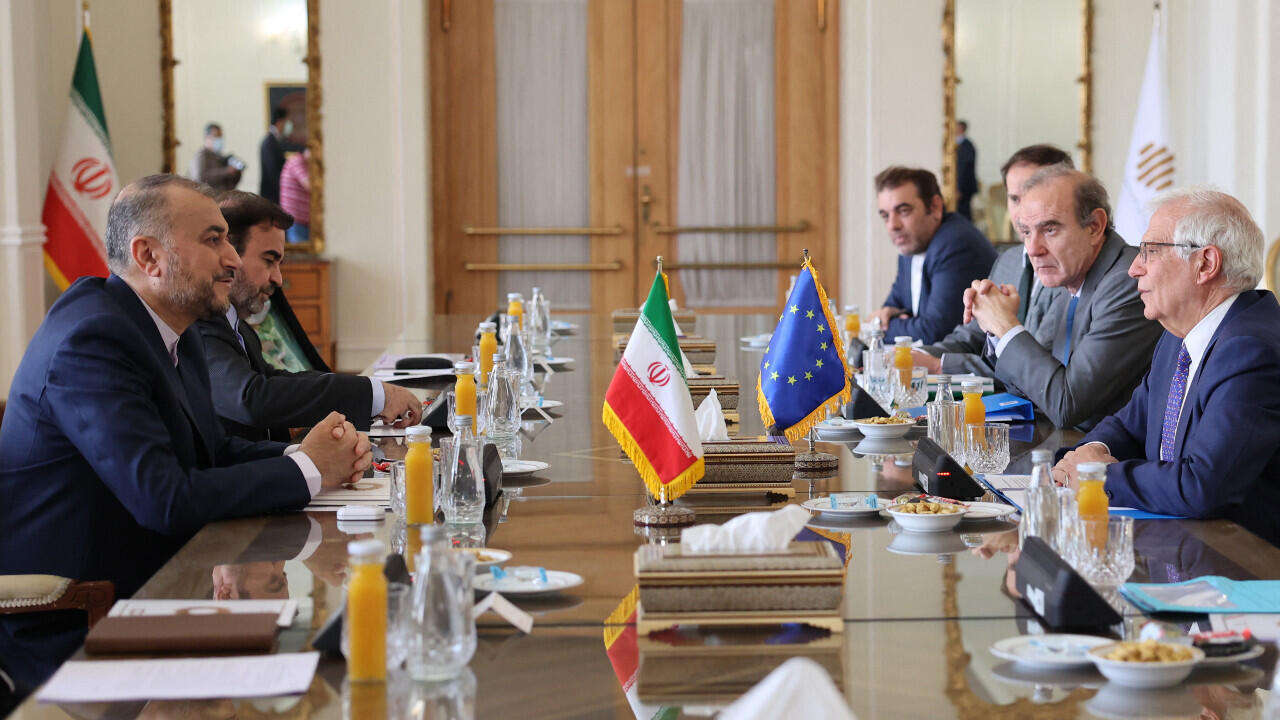
Diplomatic engagement plays a critical role in crisis management. Communication channels help clarify intentions and reduce the risk of miscalculation during periods of heightened tension. In this sense, Iran Europe relations contribute to broader regional risk reduction.
Role of International Institutions
International institutions provide additional platforms for engagement. Multilateral forums allow dialogue to continue even when bilateral relations face obstacles. These venues complement direct diplomacy and reinforce the multilateral dimension of Iran Europe relations.
Economic Resilience and Policy Choices
Economic conditions in both Iran and Europe influence diplomatic priorities. Economic resilience can provide flexibility, while economic strain may reinforce caution. These factors shape policy choices related to Iran Europe relations.
Comparative Diplomatic Approaches
Compared with other international actors, Europe’s approach stands out for its emphasis on dialogue and multilateralism. This distinct style influences how Iran Europe relations are perceived and managed over time.
Public Diplomacy and Messaging
Public statements and diplomatic messaging play an important role in shaping perceptions. Careful language reflects the sensitivity of engagement and the desire to avoid escalation. Messaging strategy remains an integral part of Iran Europe relations.
Long Term Strategic Outlook
Analysts generally agree that transformative change is unlikely in the short term. Instead, engagement is expected to continue as a long term process focused on managing differences and preserving stability. This outlook shapes expectations for Iran Europe relations beyond 2026.
Youth, Society, and Future Engagement
Societal change and generational shifts influence long term diplomatic prospects. Younger populations, education, and social connectivity may gradually reshape political expectations, indirectly affecting the future of Iran Europe relations.
Technology and Modern Diplomacy
Digital communication and data analysis increasingly inform diplomatic practice. These tools enhance coordination and responsiveness, supporting the day to day management of Iran Europe relations.
Strategic Communication During Uncertainty
In uncertain times, clear communication helps manage risk. Diplomatic engagement provides predictability, even when agreement is limited. This stabilizing function underscores the importance of Iran Europe relations.
Policy Adaptation and Learning
Both sides continue to adapt their approaches based on experience. Policy learning and reassessment are essential components of sustained engagement, shaping the evolution of Iran Europe relations.
Beyond Bilateralism
Iran Europe relations do not exist in isolation. They intersect with regional diplomacy, global institutions, and international economic systems. This interconnectedness adds depth and complexity to the relationship.
Conclusion Managing Complexity Through Dialogue
As 2026 unfolds, Iran Europe relations stand at a crossroads defined by caution, engagement, and strategic calculation. While challenges remain substantial, both sides continue to recognize the value of dialogue as a means of managing complexity. The future of these relations will depend on patience, adaptability, and the ability to navigate a rapidly changing global environment.
A Unique Diplomatic Balance
Ultimately, the significance of current engagement lies in preserving diplomatic space. By maintaining communication and managing disagreements, Iran Europe relations offer a framework for stability in an unpredictable world.