Tehran, Iran, January 2026 — Brussels Morning Newspaper Highlights that growing scrutiny is focused on the scale and implications of Iran unrest casualties as the country enters another year marked by political tension, economic strain, and social uncertainty. Demonstrations that began as localized expressions of frustration have evolved into a sustained national challenge, raising serious questions about governance, accountability, and the human cost of prolonged instability.
Origins of the Current Crisis
The roots of the current unrest stretch back years, shaped by economic hardship, sanctions pressure, and unmet social expectations. Rising living costs, limited employment opportunities, and declining purchasing power have steadily eroded public confidence. These pressures created fertile ground for protests, which gained momentum as citizens voiced demands for dignity, opportunity, and reform. As confrontations escalated, attention increasingly turned to Iran unrest casualties as a measure of the crisis’s severity.
Economic Pressures and Public Frustration
Iran’s economy has faced persistent challenges, including currency volatility, inflation, and constrained trade. For ordinary households, these issues translate into daily struggles to afford food, housing, and healthcare. Economic grievances have consistently featured in protest slogans, linking material hardship to broader political dissatisfaction. Analysts note that unresolved economic pressures continue to fuel unrest, indirectly contributing to rising Iran unrest casualties.
Spread of Protests Nationwide
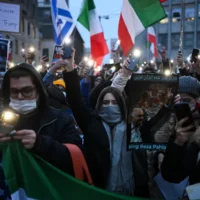
What began in select urban centers quickly spread to towns and cities across the country. Despite internet restrictions and security checkpoints, information traveled through personal networks and offline channels. Demonstrations varied in size and intensity, with some remaining peaceful while others escalated into clashes. Each new incident added to concern over Iran unrest casualties and highlighted the challenge of maintaining order without exacerbating tensions.
Security Measures and Their Consequences
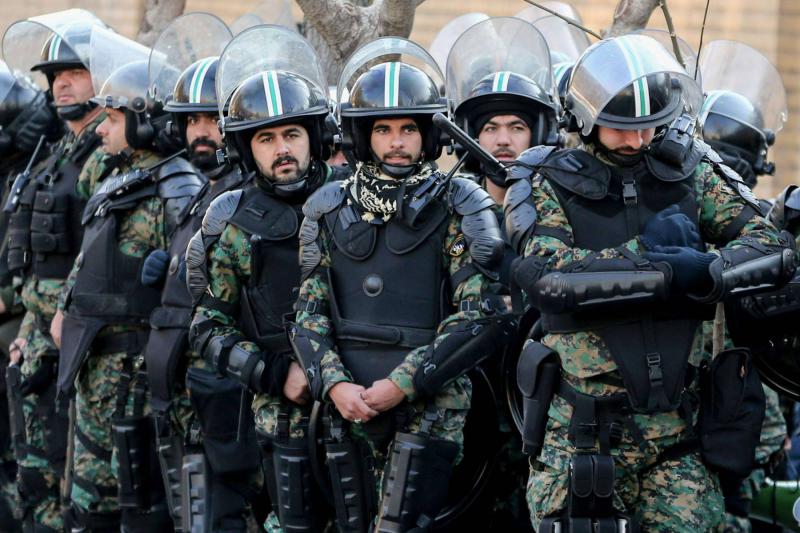
Authorities responded with a combination of crowd control tactics, arrests, and visible security deployments. Officials maintained that such measures were necessary to preserve stability and protect infrastructure. Critics, however, argue that heavy handed responses intensified confrontations, increasing the risk of injury and death. The balance between security and restraint remains central to debates over Iran unrest casualties.
Difficulties in Assessing the Human Toll
Reliable data on casualties remains elusive. Restrictions on media access, limited transparency from official sources, and fear among witnesses all complicate verification. Human rights organizations piece together information from hospital records, eyewitness accounts, and digital evidence, but these methods yield estimates rather than definitive totals. The resulting uncertainty keeps Iran unrest casualties at the center of international discussion.
Role of International Media
Global media outlets have played a key role in bringing attention to developments inside Iran. Responsible reporting emphasizes context, acknowledges uncertainty, and avoids definitive claims without verification. Coverage of Iran unrest casualties illustrates the ethical challenge of informing audiences while preventing the spread of unverified information.
Human Rights Perspectives
Human rights advocates argue that even conservative estimates point to a troubling pattern of excessive force. They emphasize that behind every statistic is a human story of loss and trauma. Calls for independent investigations continue, with advocates asserting that transparency is essential to address Iran unrest casualties and prevent future abuses.
Diplomatic and Political Reactions
International responses have ranged from expressions of concern to calls for dialogue and restraint. European governments have emphasized the importance of protecting civilian lives, while others stress the need for non interference. Diplomatic language often reflects uncertainty over Iran unrest casualties while signaling that continued instability could affect foreign relations.
Regional Implications
Iran’s internal unrest has regional consequences. Neighboring states monitor developments closely, aware that instability can influence migration, trade, and security dynamics. Narratives surrounding Iran unrest casualties are sometimes leveraged in regional rivalries, complicating efforts to keep humanitarian concerns separate from political agendas.
Impact on Iranian Society
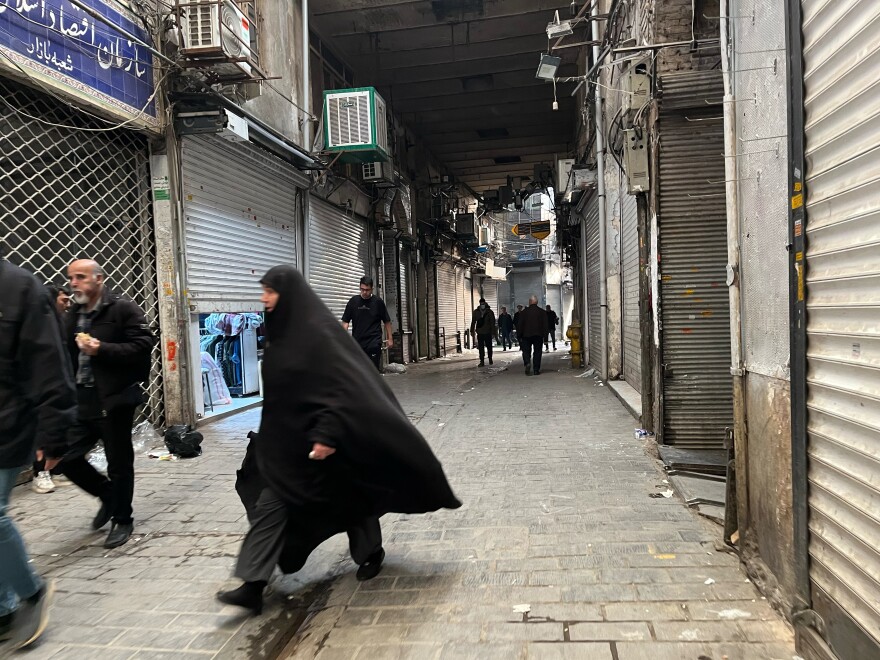
For Iranian citizens, the unrest has reshaped daily life. Public gatherings are viewed with caution, economic activity is disrupted, and families affected by violence cope with grief in silence. The social fabric is strained as discussions of Iran unrest casualties deepen mistrust between citizens and institutions.
Psychological and Social Costs
Beyond physical harm, unrest leaves lasting psychological scars. Exposure to violence, loss of loved ones, and prolonged uncertainty contribute to anxiety and trauma. Mental health professionals warn that the cumulative impact of Iran unrest casualties extends far beyond immediate events, affecting long term social cohesion.
Youth at the Center of Change
Young people have been prominent in demonstrations, driven by aspirations for opportunity and inclusion. Their experiences during this period will shape future political engagement. The memory of Iran unrest casualties may influence how a new generation views authority, activism, and reform.
Digital Evidence and Citizen Journalism
Despite restrictions, citizens continue to document events using smartphones. Videos and images shared online provide crucial insights but also pose verification challenges. Analysts carefully examine metadata and cross reference sources to assess claims related to Iran unrest casualties, underscoring the evolving role of technology in conflict reporting.
Information Control and Trust
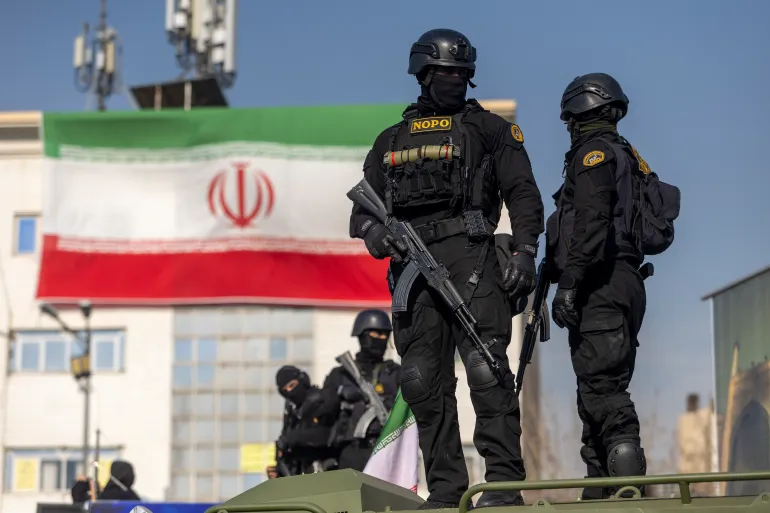
State control over information intensifies during periods of unrest. Limited access to reliable data fuels speculation and rumor, making it harder to establish consensus. This environment perpetuates uncertainty around Iran unrest casualties and undermines public trust.
Historical Context of Protest Cycles
Iran’s history includes multiple waves of protest, each shaped by its own political and economic context. Comparing past episodes reveals recurring patterns of mobilization, response, and reform. Understanding Iran unrest casualties today requires situating current events within this broader historical trajectory.
Economic Fallout of Prolonged Instability
Sustained unrest affects investment, employment, and growth. Businesses face disruptions, while consumers delay spending amid uncertainty. Economists note that unresolved concerns over Iran unrest casualties contribute to a risk averse environment that hampers recovery.
Legal and Accountability Questions
Legal scholars emphasize the importance of accountability mechanisms to address alleged abuses. Transparent investigations could help clarify events and restore confidence. Without such measures, debates over Iran unrest casualties are likely to persist.
One International Perspective
One senior human rights observer stated,
“Without transparency and independent review, societies risk repeating cycles of violence and mistrust.”
This view reflects broader concern that unresolved questions surrounding Iran unrest casualties may hinder reconciliation.
Global Public Opinion
Public opinion abroad is shaped by media coverage, advocacy campaigns, and diplomatic messaging. Images and stories related to Iran unrest casualties resonate with audiences, influencing perceptions of Iran and shaping calls for action.
Balancing Sovereignty and Human Rights
The international community faces a delicate balance between respecting sovereignty and addressing human rights concerns. Discussions of Iran unrest casualties often sit at this intersection, complicating consensus on appropriate responses.
Prospects for Dialogue and Reform
Some analysts argue that meaningful reform addressing economic and social grievances could reduce future unrest. Dialogue between authorities and civil society may help rebuild trust. Addressing the underlying causes linked to Iran unrest casualties is seen as essential for long term stability.
Humanitarian Needs
Beyond fatalities, unrest creates humanitarian needs including medical care for the injured, legal support for detainees, and assistance for affected families. Addressing these needs is a critical component of responding to Iran unrest casualties.
Role of Civil Society
Civil society organizations, though constrained, continue to advocate for rights and support affected communities. Their efforts highlight resilience amid adversity and underscore the human dimension of Iran unrest casualties.
Media Literacy and Responsibility
As information circulates rapidly, audiences must critically assess sources. Media literacy helps distinguish verified reporting from speculation, particularly on sensitive issues like Iran unrest casualties.
Looking Ahead
The path forward remains uncertain. Political decisions, economic reforms, and international engagement will shape outcomes. While casualty figures may eventually be clarified, the broader lessons of Iran unrest casualties will continue to influence Iran’s trajectory.
Beyond Statistics
Ultimately, numbers cannot fully capture the human experience of loss and resilience. Each life affected by unrest represents a story of family, community, and aspiration. Moving beyond statistics toward accountability and healing remains the greatest challenge.
As 2026 unfolds, Iran stands at a crossroads. The debate over Iran unrest casualties reflects deeper questions about governance, rights, and the social contract. Whether the coming months bring de escalation or further tension will depend on choices made by leaders and citizens alike. What remains undeniable is that the human cost of unrest demands attention, empathy, and sustained effort toward a more stable future.