Nuuk, Greenland — January, 2026: Brussels Morning Newspaper highlights renewed global focus on Arctic geopolitics has intensified following debate surrounding the Trump Greenland threat, an issue that has prompted governments, defence planners, and investors to reassess the strategic importance of Greenland at the start of 2026. Developments unfolding in Greenland’s capital have drawn international attention, reinforcing the island’s role as a critical junction between North America and Europe.
Greenland’s Strategic Geography
Greenland’s geographic position has long made it strategically significant, but recent shifts in climate and global power competition have amplified its importance. Situated between major continents, the island provides a vantage point for airspace monitoring, missile detection, and maritime oversight across the Arctic.
Security analysts argue that renewed discussion linked to the Trump Greenland threat has highlighted how control and influence in the High North can shape broader defence postures. Greenland’s location places it at the intersection of military logistics, early warning systems, and emerging shipping routes, making it central to modern strategic planning.
Political Context Behind Renewed Attention
Political rhetoric has played a decisive role in reviving Arctic debate. References associated with the Trump Greenland threat have resurfaced in policy discussions, reminding allies and competitors alike that the region remains subject to competing interests.
While no formal policy shift has followed, diplomats note that political signalling alone can influence strategic calculations. The renewed attention has demonstrated how leadership narratives can alter perceptions of stability in regions previously viewed as peripheral.
Defence Planning in the High North
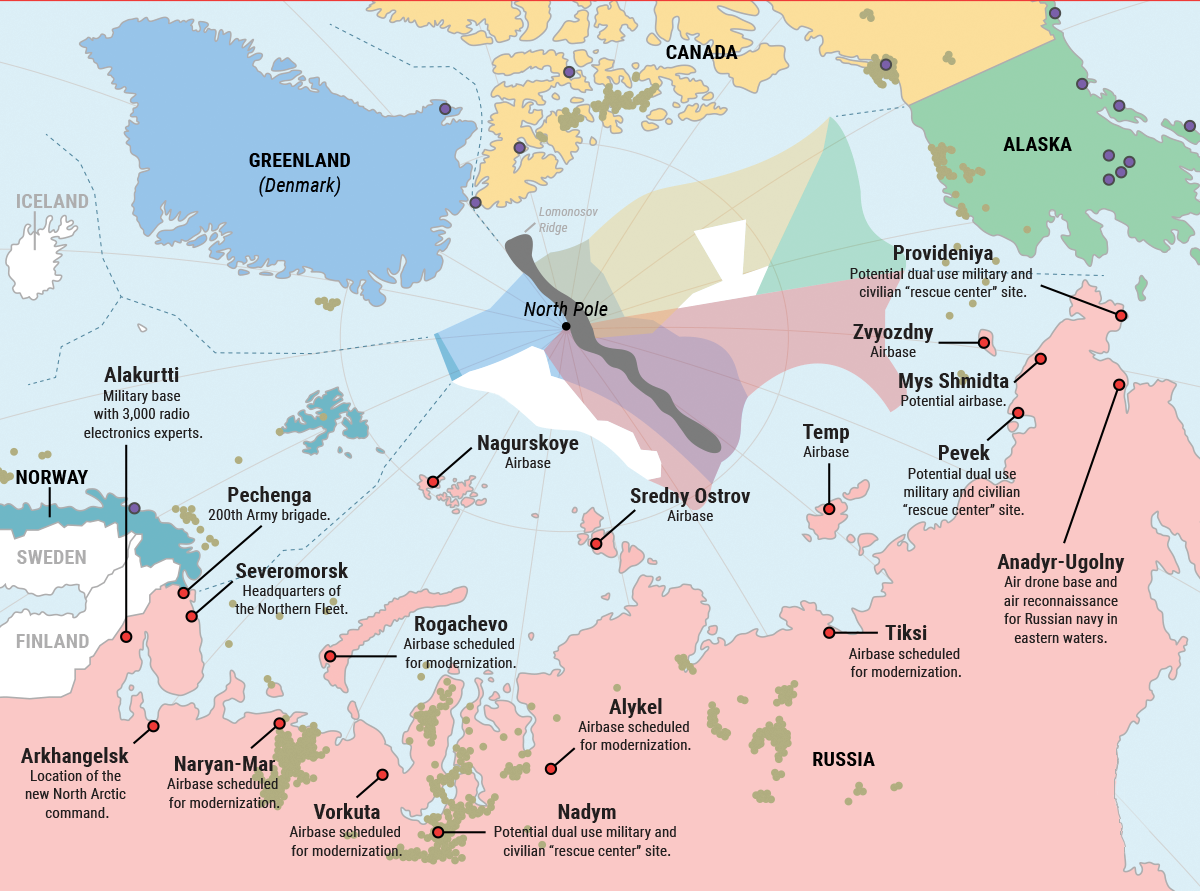
Defence officials across allied nations have responded by reassessing Arctic readiness. Surveillance activity, infrastructure evaluations, and logistical planning have received greater emphasis as policymakers consider scenarios involving heightened competition in the region.
Military planners stress that Arctic operations require specialized capabilities, including cold-weather deployment, satellite resilience, and secure supply lines. The debate triggered by the Trump Greenland threat has accelerated conversations about preparedness, shaping defence priorities well beyond 2026.
Economic Significance and Natural Resources
Greenland holds substantial reserves of rare earth elements, hydrocarbons, and freshwater resources. These assets are increasingly vital for clean energy technologies and advanced manufacturing, linking the island’s security to global economic resilience.
Economists note that the Trump Greenland threat has drawn renewed focus to how resource access and territorial influence intersect. As demand for critical minerals grows, Greenland’s economic and strategic value is expected to rise, intensifying interest from global powers.
Market Reactions and Investment Strategy
Financial markets have responded cautiously to developments in the Arctic. While traditional safe havens remain relevant, investors are increasingly considering assets tied to defence, infrastructure, and strategic supply chains.
Analysts say the Trump Greenland threat has reinforced a broader shift in how risk is assessed, with greater emphasis on geopolitical exposure. Investment strategies now increasingly account for physical security and strategic control alongside financial metrics.
Diplomacy and Sovereignty Concerns
Diplomatic engagement remains central to managing Arctic stability. Greenlandic and Danish officials have reiterated commitments to sovereignty, international law, and multilateral cooperation. The Trump Greenland threat has tested these frameworks by underscoring how quickly rhetoric can strain established norms.
A senior European policy analyst said,
“The Arctic is no longer a distant frontier but a frontline of strategic competition.”
This single observation reflects the unease felt by policymakers navigating an increasingly complex Arctic environment.
Public Awareness and Political Debate
Public awareness of Arctic security has expanded as media coverage increases. What was once considered a remote policy issue has entered mainstream political discussion, driven in part by renewed attention linked to the Trump Greenland threat.
Universities and research institutions report growing interest in Arctic studies, defence policy, and climate security. The shift suggests that Arctic governance will remain a prominent topic in political discourse for years to come.
Climate Change and Strategic Access
Climate change continues to reshape the Arctic landscape. Retreating ice is opening new maritime corridors while exposing resources previously inaccessible. Analysts argue that discussions tied to the Trump Greenland threat cannot be separated from these environmental changes.
As accessibility improves, competition is likely to intensify, raising questions about governance, environmental protection, and security. The evolving climate context adds urgency to debates surrounding Greenland’s strategic future.
International Observation and Regional Confidence
Events in Greenland are now closely monitored by international observers, given the region’s expanding strategic weight. Perceptions influenced by the Trump Greenland threat play a role in shaping diplomatic engagement, defence cooperation, and regional confidence.
Officials emphasize that stability in Greenland is essential not only for Arctic security but also for maintaining trust among allied nations operating in the High North.

Long-Term Strategic Implications
Looking ahead, analysts suggest that sustained dialogue and clear policy frameworks will be critical to preventing escalation. The Trump Greenland threat has served as a reminder that Arctic governance must adapt to changing realities rather than rely on outdated assumptions.
Long-term stability will depend on balancing strategic competition with cooperation, ensuring that rivalry does not undermine environmental stewardship or regional peace.
A Defining Chapter for Arctic Governance
The renewed focus on Greenland marks a defining chapter in Arctic governance. Institutions and alliances face the challenge of managing heightened interest without eroding trust. The Trump Greenland threat has acted as a catalyst, forcing governments to confront difficult questions about sovereignty, security, and resource management.
As 2026 progresses, Greenland’s role in global strategy is likely to expand further, shaping defence planning and diplomatic relations well beyond the Arctic.
Arctic Calculations Enter a New Phase
The renewed focus on Greenland illustrates how rapidly strategic priorities can evolve in response to political signals and shifting global conditions. What was once viewed as a distant concern has moved closer to the center of international security, economic planning, and diplomatic engagement. The discussions sparked by developments around Greenland underscore the interconnected nature of defence, climate change, and global stability.
As 2026 progresses, policymakers face the challenge of balancing strategic competition with cooperation, ensuring that heightened interest in the Arctic does not undermine long-term peace or governance frameworks. The coming months will be critical in determining whether dialogue and restraint prevail, shaping the future trajectory of Arctic security and international relations.