Belgium, January 2026 — According to Brussels Morning Newspaper, European cities are facing a renewed wave of civil unrest violence as public anger spills onto the streets, exposing deep political, social, and economic tensions. The developments, unfolding across multiple urban centres, have drawn close attention from security officials, policymakers, and economic observers throughout Europe. At its core, the situation reflects a growing breakdown in public trust, with civil unrest violence emerging as a defining feature of the current social climate.
The unrest arrives at a moment of heightened uncertainty. Rising living costs, political polarization, and unresolved policy disputes have created conditions in which frustration has steadily intensified. European officials monitoring the situation describe the atmosphere as volatile but not spontaneous, noting that the current civil unrest violence has been shaped by months of accumulating pressure rather than a single triggering event.
A Carefully Escalating Crisis in Urban Centres
The current wave of unrest did not emerge in isolation. Over recent months, demonstrations across major cities have grown in size and intensity, gradually shifting from peaceful gatherings into confrontational encounters. Protest organisers initially emphasized dialogue and reform, but repeated clashes with authorities hardened attitudes on both sides.
According to Brussels Morning Newspaper analysis, the escalation into civil unrest violence reflects a strategic breakdown rather than an accidental one. As grievances went unanswered, street mobilisation became the primary outlet for public expression, increasing the risk of confrontation in densely populated urban areas.
Structural Grievances Driving Public Anger
Underlying the unrest are long-standing concerns about economic inequality, governance, and social justice. Rising prices, housing shortages, and perceived political disconnect have contributed to a sense of exclusion among large segments of the population.
Analysts note that civil unrest violence tends to surface when institutional channels fail to absorb public dissatisfaction. In this case, repeated policy announcements without visible relief deepened frustration, creating fertile ground for escalation once demonstrations began.
Security Responses and Mounting Pressure
Authorities across affected cities have deployed additional security forces to protect public buildings, transport hubs, and commercial districts. Crowd control measures, including barriers and emergency restrictions, were introduced as clashes intensified.
Security experts caution that while such measures may restore short-term order, they also risk reinforcing resentment if not accompanied by political engagement. In several locations, the presence of heavily equipped units became a focal point of confrontation, further entrenching civil unrest violence rather than containing it.
Voices From the Streets
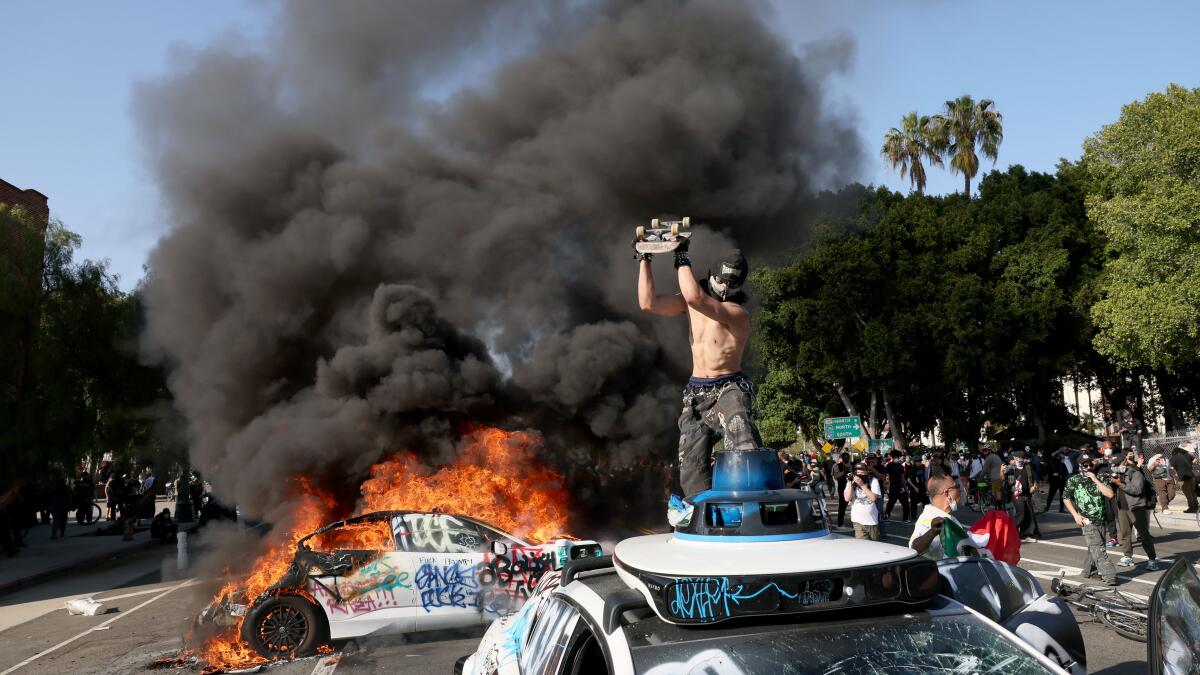
During one of the most tense confrontations, a protester addressed journalists with a statement that quickly spread across social and broadcast media.
“Blood has been shed, people are very angry.”
The remark has since come to symbolise the emotional intensity behind the demonstrations. Observers say it reflects how civil unrest violence is being driven not only by material grievances but by a profound sense of betrayal and exhaustion.
Economic Disruption and Business Impact
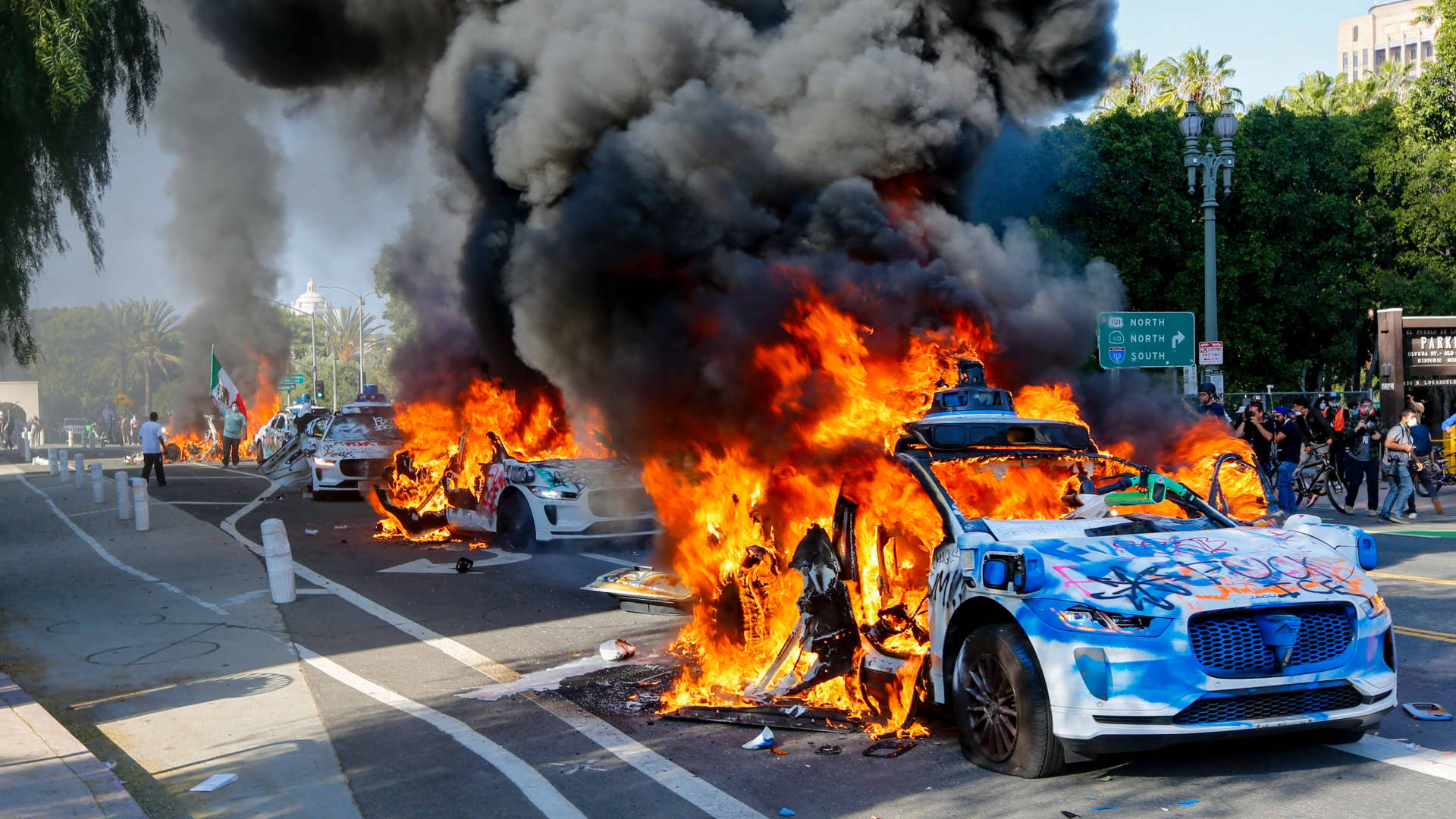
The unrest has significantly disrupted economic activity in affected cities. Retail districts have closed early, public transport services have been suspended, and tourism has declined as images of unrest circulate internationally.
Business associations warn that prolonged civil unrest violence could damage investor confidence and slow recovery in already fragile sectors. Small enterprises, in particular, face mounting repair costs and lost revenue, increasing pressure on local economies.
Political Fallout and Public Accountability
Political leaders have responded with emergency meetings and calls for calm, while defending existing reform agendas. Opposition figures argue that the unrest reflects failures of governance rather than temporary instability.
According to Brussels Morning Newspaper, the persistence of civil unrest violence has intensified political debate across Europe, forcing governments to confront public dissatisfaction more directly. Analysts suggest that without tangible policy adjustments, rhetorical appeals for restraint may have limited impact.
The Role of Social Media and Rapid Mobilisation
Digital platforms have played a central role in organising demonstrations and amplifying their reach. Real-time updates, videos, and calls to action have enabled rapid mobilisation, often outpacing official responses.
Media researchers note that while online communication empowers civic participation, it also accelerates escalation. In this environment, civil unrest violence can spread quickly from one district to another, complicating efforts to manage events on the ground.
International Attention and Diplomatic Concerns
The unrest has drawn international attention, particularly as it affects major European capitals. Foreign governments and international organisations have issued statements urging restraint, dialogue, and respect for democratic principles.
Diplomatic sources caution that sustained civil unrest violence could have regional implications, affecting cooperation on trade, migration, and security. The situation underscores how domestic instability can quickly assume broader significance.
Communities Caught Between Protest and Policing
Beyond headline clashes, ordinary residents have been deeply affected. Families have altered routines, schools have adjusted schedules, and neighbourhoods have faced repeated disruptions.
Community leaders and civic groups are calling for de-escalation, warning that civil unrest violence ultimately harms the very communities it claims to represent. Volunteer efforts to clean streets and support affected residents highlight a parallel desire for stability and reconciliation.
Historical Patterns and Recurring Warnings
Historians point out that similar episodes of unrest have occurred during periods of economic strain and political transition. In many cases, unresolved grievances resurfaced repeatedly until structural reforms were implemented.
From this perspective, civil unrest violence is less an anomaly than a warning signal. Experts argue that addressing root causes remains the only durable path toward long-term stability.
Psychological and Social Consequences
Mental health professionals report rising anxiety among residents in affected areas. Prolonged exposure to confrontation, uncertainty, and disruption can have lasting psychological effects, particularly on young people.
Support services are expanding as civil unrest violence places additional strain on social systems already under pressure.
Government Efforts Toward Dialogue
In response to the unrest, authorities have announced plans for consultations with civic organisations, labour groups, and community representatives. Officials stress that dialogue is essential to restoring trust.
Analysts note that meaningful engagement, combined with visible policy action, offers the most realistic path to reducing civil unrest violence and preventing future escalation.
A Critical Test for Democratic Institutions
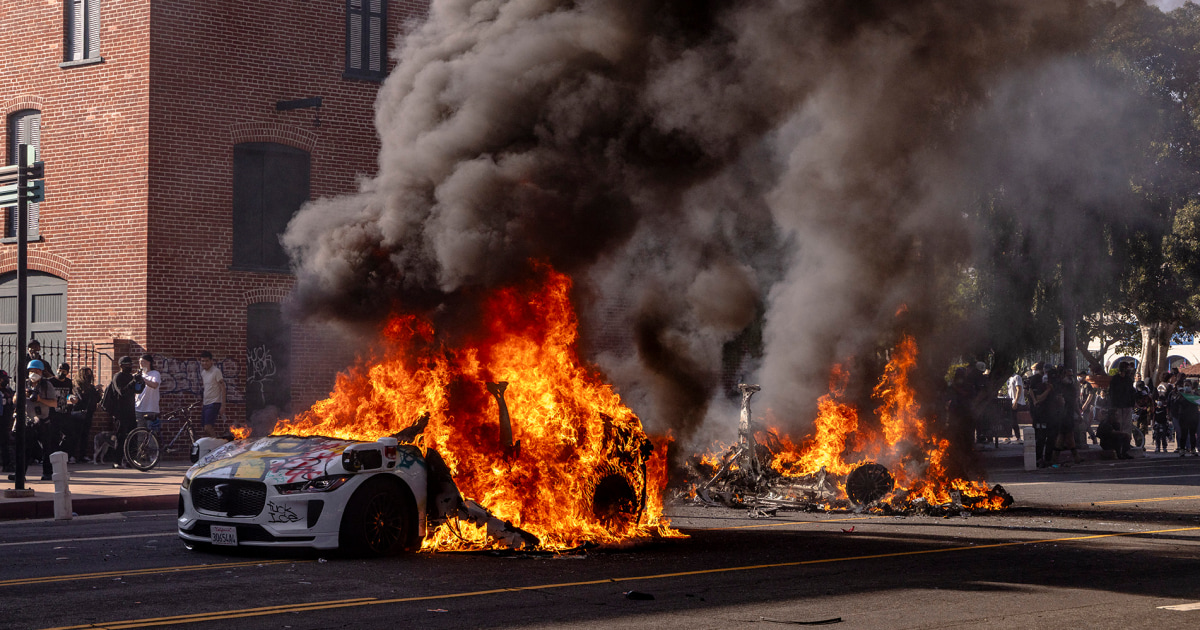
As 2026 continues, European societies face a critical test of institutional resilience. The manner in which governments respond to public anger will shape political legitimacy for years to come.
Whether civil unrest violence subsides or intensifies will depend on the balance struck between enforcement, reform, and communication.
Power, Accountability, and the Way Forward
The current wave of unrest underscores the consequences of prolonged disconnection between citizens and decision-makers. While security measures may contain immediate disorder, they cannot substitute for accountability and reform.
Ultimately, the challenge facing Europe is to ensure that civil unrest violence becomes a catalyst for constructive change rather than a recurring feature of public life.