
Gaza City, January 2026 — Brussels Morning Newspaper — Reports of Gaza civilian deaths following overnight Israeli attacks have intensified international concern at the start of 2026, as renewed violence once again places non-combatants at the center of a conflict that continues to exact a heavy human toll. Local health officials said multiple residential areas were struck during the early hours, triggering emergency responses across the enclave and drawing renewed attention to the risks faced by civilians in densely populated urban areas.
The strikes came amid heightened security tensions and followed days of uncertainty marked by warnings, limited exchanges, and diplomatic stalemate. As Gaza absorbed the impact of another night of violence, the growing number of civilian casualties underscored the fragility of calm and the persistent vulnerability of ordinary residents.
Overnight Strikes and the Immediate Impact
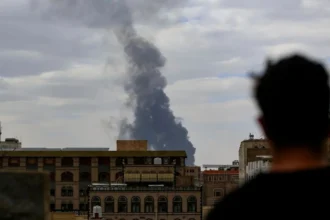
Airstrikes struck several neighborhoods while families were asleep, damaging homes, roads, and nearby infrastructure. Rescue teams rushed to affected areas despite power outages and debris-blocked streets, pulling survivors from rubble and transporting the injured to overstretched hospitals.
Medical officials confirmed fatalities and injuries among civilians, adding to reports of Gaza civilian deaths that have steadily risen during recent escalations. Witnesses described chaotic scenes as residents fled damaged buildings, some carrying children or elderly relatives through darkened streets.
Emergency responders said the timing of the attacks complicated rescue efforts, as limited visibility and disrupted communications slowed access to some locations.
Israeli Military Position and Security Rationale
Israeli military officials said the strikes targeted sites linked to militant activity, describing the operations as necessary responses to security threats. Statements emphasized efforts to reduce civilian harm, including the use of intelligence-guided targeting.
Despite these assurances, international observers noted that the density of Gaza’s urban environment makes avoiding civilian casualties extremely difficult. Reports of Gaza civilian deaths have therefore renewed scrutiny of military tactics and proportionality in populated areas.
Security analysts say the pattern of escalation reflects a cycle in which deterrence measures and retaliatory actions often collide with civilian realities on the ground.
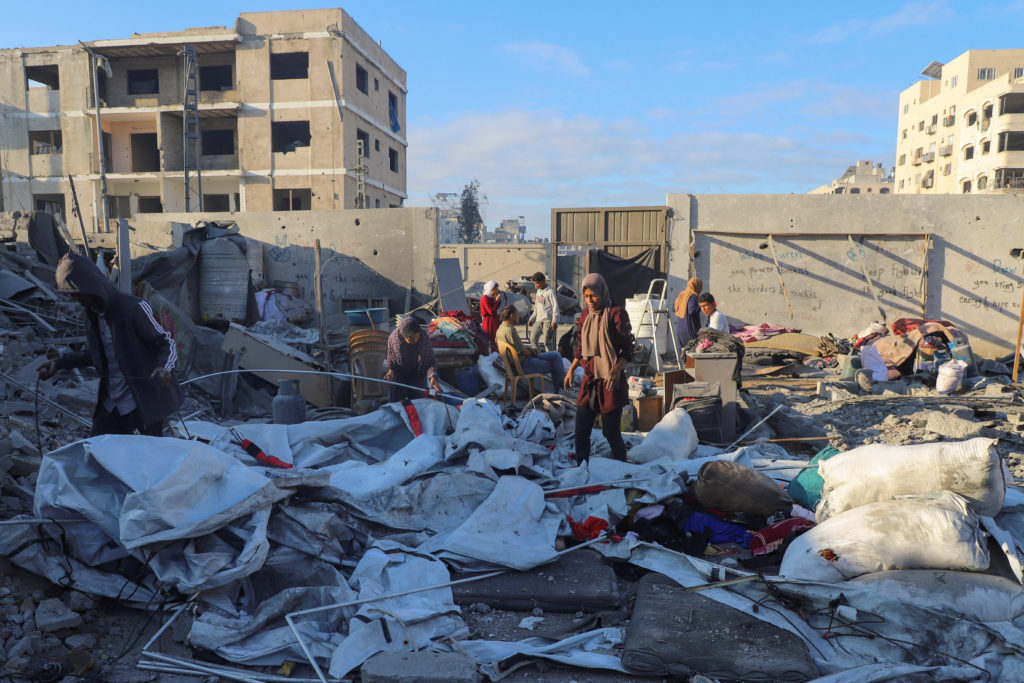
Life in Gaza Under Constant Threat
For Gaza’s residents, renewed violence compounds existing hardship. Years of blockade, economic isolation, and repeated conflicts have left communities with limited resilience. Power shortages, restricted access to clean water, and unemployment shape daily life even during periods of relative calm.
The recurrence of Gaza civilian deaths reinforces a sense of insecurity among families who say there are few safe places to turn when violence erupts. Parents described children struggling with fear and sleep disturbances following overnight explosions.
Local community leaders warned that repeated trauma erodes social cohesion and deepens long-term psychological harm.
Hospitals Strained Beyond Capacity
Gaza’s healthcare system, already under severe strain, faced renewed pressure after the overnight attacks. Emergency wards filled quickly as ambulances delivered the wounded. Doctors reported shortages of essential supplies, limited bed space, and exhausted staff.
Medical professionals said treating victims linked to Gaza civilian deaths places enormous strain on hospitals, particularly during nighttime emergencies when staffing levels are reduced. Surgeons described working extended shifts under difficult conditions.
Health officials warned that sustained violence risks overwhelming facilities that are ill-equipped to handle mass casualty events repeatedly.
Humanitarian Agencies Raise Alarm
International humanitarian organizations expressed grave concern over the growing civilian toll, warning that continued hostilities risk deepening Gaza’s already severe humanitarian crisis. Aid agencies stressed that civilians must be protected under international humanitarian law and that access for emergency relief must be preserved even during periods of escalation.
One senior humanitarian official said,
“Every escalation that places civilians in harm’s way deepens suffering and moves the prospect of stability further out of reach.”
International Diplomatic Reaction
Governments and international institutions responded with statements urging restraint and emphasizing civilian protection. Diplomatic missions expressed alarm over Gaza civilian deaths, calling on all parties to avoid actions that could escalate violence further.
Some officials called for independent assessments of incidents involving civilian casualties to ensure accountability and transparency. Others highlighted the need for renewed diplomatic engagement to prevent further loss of life.
Despite strong rhetoric, observers noted that translating concern into concrete action remains challenging amid entrenched political divisions.

Regional Tensions and Escalation Risks
The strikes occurred against a backdrop of heightened regional tension, with analysts warning that localized violence can quickly escalate. Cross-border dynamics, political uncertainty, and regional rivalries add layers of complexity to the situation.
Reports of Gaza civilian deaths have fueled fears that retaliation cycles could intensify, drawing in additional actors and destabilizing the broader region. Security experts cautioned that miscalculations during periods of heightened alert could have far-reaching consequences.
Regional governments have increased monitoring and diplomatic outreach in response to developments.
Impact on Families and Communities
Beyond immediate casualties, the strikes have long-term consequences for families and neighborhoods. Homes damaged or destroyed add to Gaza’s housing crisis, while displacement places additional strain on shelters and host communities.
Community organizations said repeated episodes involving Gaza civilian deaths deepen economic hardship and social stress. Families who lose breadwinners face financial insecurity, while children exposed to violence require long-term psychological support.
Local initiatives have attempted to provide counseling and assistance, but resources remain limited.
Legal and Human Rights Scrutiny
Human rights organizations renewed calls for investigations into incidents resulting in civilian casualties. They argue that recurring Gaza civilian deaths raise serious concerns about compliance with international humanitarian standards.
Advocacy groups urged all parties to reassess military practices in densely populated areas and to strengthen accountability mechanisms. Legal experts emphasized that protecting civilians is a core obligation under international law.
These calls have added to pressure on political leaders to address civilian harm more directly.
Political Context and Stalled Diplomacy
The latest violence comes amid stalled diplomatic efforts and fragile ceasefire understandings. Analysts say incidents leading to Gaza civilian deaths complicate political dialogue by hardening positions and eroding trust.
Efforts to revive negotiations have struggled against a backdrop of mutual suspicion and competing priorities. Observers warn that without renewed political engagement, cycles of violence are likely to continue.
Diplomatic sources said behind-the-scenes contacts remain active but face significant obstacles.
Media Coverage and Global Perception
Images and reports from Gaza circulated widely across international media platforms, shaping global perception of the latest escalation. Coverage of Gaza civilian deaths has amplified public awareness and intensified debate over responsibility and response.
Media analysts note that sustained attention can influence diplomatic agendas, though it does not guarantee policy shifts. Social media has also played a role in spreading real-time accounts from affected areas.
The visibility of civilian suffering has renewed calls for transparency and accountability.

Economic Consequences of Renewed Violence
Beyond humanitarian costs, renewed hostilities carry economic consequences. Local businesses suffer damage and closures, while trade and employment remain constrained.
Economists say repeated episodes involving Gaza civilian deaths deepen economic stagnation by discouraging investment and limiting reconstruction efforts. Families already facing poverty find it harder to recover after each escalation.
Aid dependence continues to grow as economic opportunities remain scarce.
Psychological Toll on a Generation
Mental health professionals warn that repeated exposure to violence has lasting effects, particularly on children. Anxiety, trauma, and disrupted education are common among young people growing up amid conflict.
The persistence of Gaza civilian deaths contributes to a sense of fatalism and fear that undermines long-term prospects for recovery. Psychologists stress the need for sustained mental health support alongside physical reconstruction.
Schools and community centers have attempted to offer safe spaces, though access is often disrupted by security conditions.
Outlook for the Coming Weeks
Whether the current escalation subsides or intensifies remains uncertain. Much depends on decisions taken by political and military leaders, as well as international engagement.
Preventing further Gaza civilian deaths will require not only restraint but also mechanisms to address underlying tensions. Aid agencies and diplomats alike stress that civilian protection must be prioritized to avoid deepening the humanitarian crisis.
Calls for temporary pauses and confidence-building measures have resurfaced, though prospects remain unclear.
Civilians Paying the Highest Price
The overnight attacks and resulting casualties highlight the enduring vulnerability of Gaza’s civilian population. As reports of Gaza civilian deaths continue to emerge, international concern is mounting over the human cost of renewed hostilities and the absence of durable solutions.
The events of early 2026 serve as another stark reminder that civilians remain caught between security strategies and political deadlock.
Beyond the Statistics Lives Shaped by Loss
Behind casualty figures are individual lives, families, and communities permanently altered by violence. As Gaza confronts another chapter of loss, attention increasingly turns to how civilian lives can be better protected in a conflict that shows little sign of resolution.