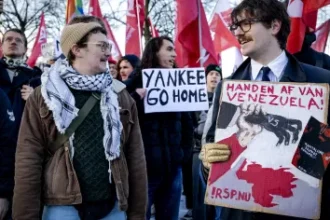
Tehran, Iran — January, 2026: Brussels Morning Newspaper highlights mounting concern around youth safety Iran as demonstrations persist across multiple Iranian cities. Authorities, families, and community leaders are increasingly focused on the well-being of younger participants as protests intersect with reports of vandalism, heightened security measures, and social tension.
The evolving situation has drawn attention not only to the immediate security challenges but also to broader questions about generational pressures, civic expression, and the responsibilities shared by institutions and households during periods of unrest.
Economic and Social Pressures Behind the Demonstrations
The protest movement of early 2026 has emerged from a complex landscape of economic difficulty and social frustration. Inflation, limited employment opportunities, and rising living costs have placed heavy pressure on younger generations who feel uncertain about their future.
These conditions have elevated concerns about youth safety Iran, as young demonstrators often stand at the intersection of activism and vulnerability. Their visibility within protest crowds has intensified national discussion about how structural pressures push youth toward public expression while exposing them to risk.
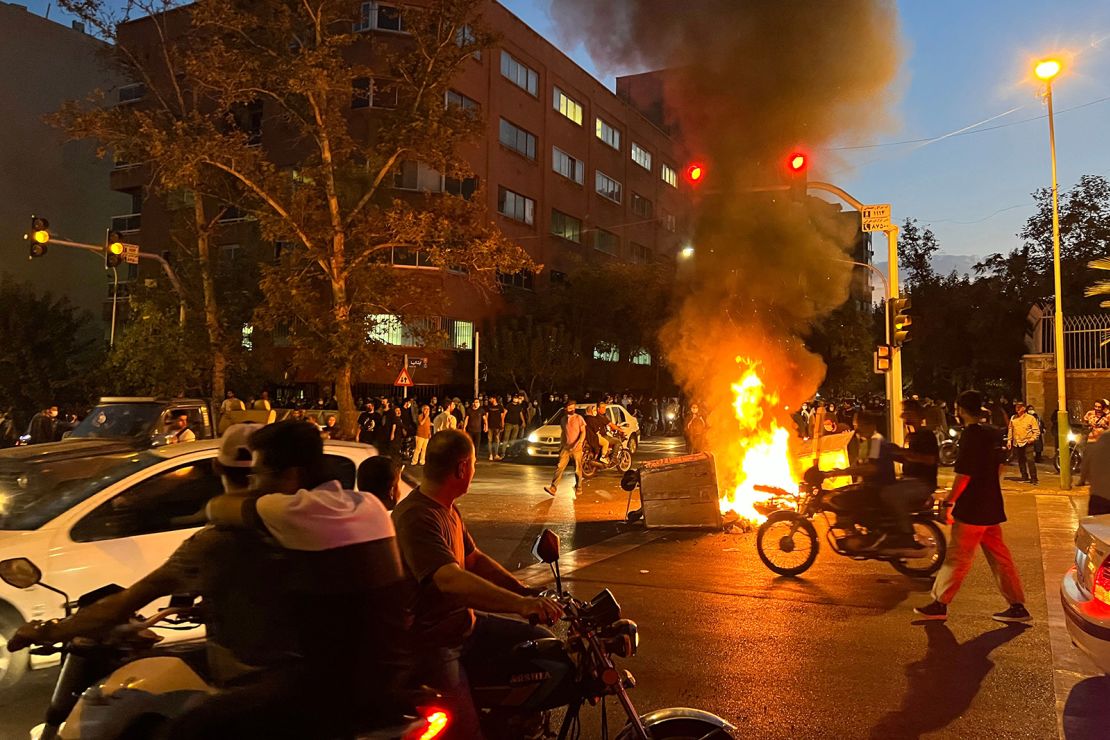
Generational Frustration and Civic Expression
For many young Iranians, participation in demonstrations represents a search for voice rather than confrontation. University students, recent graduates, and young workers have expressed a desire to be heard on issues affecting their prospects and dignity.
However, the prominence of young faces has sharpened attention on youth safety Iran, particularly when protests extend into late hours or intersect with security operations. Sociologists note that generational frustration, when combined with uncertainty, can heighten emotional responses and unpredictability in public spaces.
Authorities Call for Caution and Shared Responsibility
Officials have repeatedly urged calm, emphasizing that families and communities play a vital role in guiding younger citizens. Public statements stress prevention, dialogue, and awareness rather than escalation.
One senior official said,
“Protecting young people during moments of tension requires cooperation between families, communities, and institutions.”
The message reflects an official framing of youth safety Iran as a collective responsibility rather than a matter of enforcement alone.
Vandalism Incidents Raise Alarm
While many demonstrations remain peaceful, incidents of vandalism have intensified public anxiety. Reports from urban districts describe damaged shopfronts, defaced public property, and temporary disruption to transportation routes.
These events have renewed debate around youth safety Iran, as parents fear that young participants may be caught in situations that spiral beyond their intentions. Local business associations have warned that continued damage risks deepening economic strain in already fragile neighborhoods.
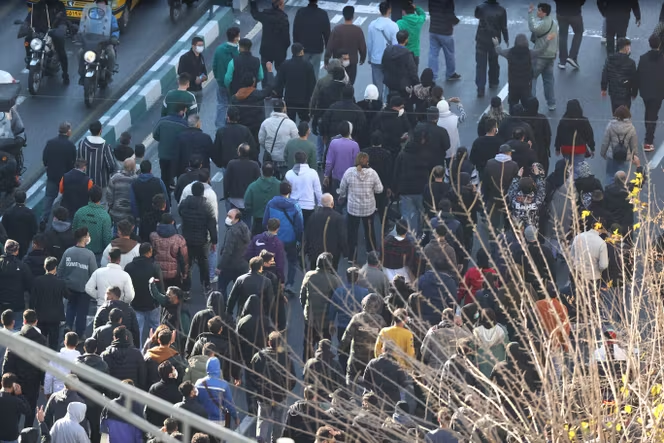
Families Face Difficult Decisions at Home
Across Tehran and other cities, households are navigating emotionally complex choices. Many parents sympathize with the frustrations driving their children into the streets but worry about physical injury, detention, or long-term consequences.
Counselors report a rise in conversations centered on youth safety Iran, with families seeking guidance on how to discuss protests without deepening generational divides. These dialogues often focus on awareness, boundaries, and trust rather than outright restriction.
Expanded Security Presence and Public Reaction
Authorities have increased patrols in areas where demonstrations are frequent, citing the need to deter vandalism and ensure public order. Officials maintain that the approach is calibrated to prevent escalation rather than suppress peaceful assembly.
Public reaction remains mixed. Some residents feel reassured by visible patrols, while others worry that heightened tension may indirectly affect youth safety Iran by increasing stress and the potential for miscommunication during crowd control efforts.
Impact on Education and Student Life
Schools and universities have been drawn into the broader atmosphere of uncertainty. In some cases, schedules have been adjusted, and guidance has been issued encouraging students to prioritize well-being and caution.
Educators emphasize that discussions around youth safety Iran should include legal awareness, mental health considerations, and the importance of nonviolent engagement. Student organizations continue to debate how to express concerns responsibly while minimizing risk to peers.
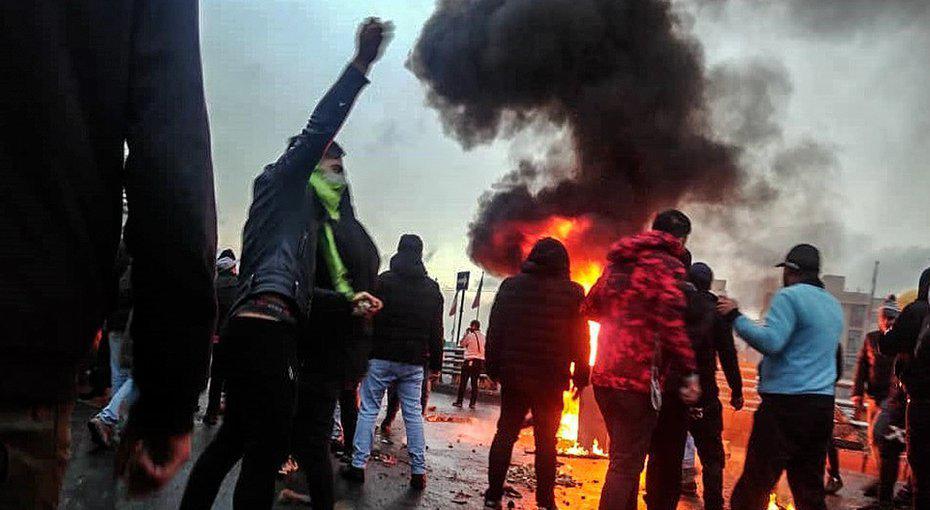
Mental Health Concerns Among Young People
Psychologists warn that prolonged exposure to social tension and uncertainty can have lasting emotional effects. Anxiety, stress, and feelings of powerlessness are increasingly reported among adolescents and young adults.
Support networks argue that youth safety Iran must be understood holistically, encompassing emotional well-being alongside physical protection. Mental health professionals stress that unresolved stress during formative years can shape long-term outlook and resilience.
Economic Disruption and Daily Life
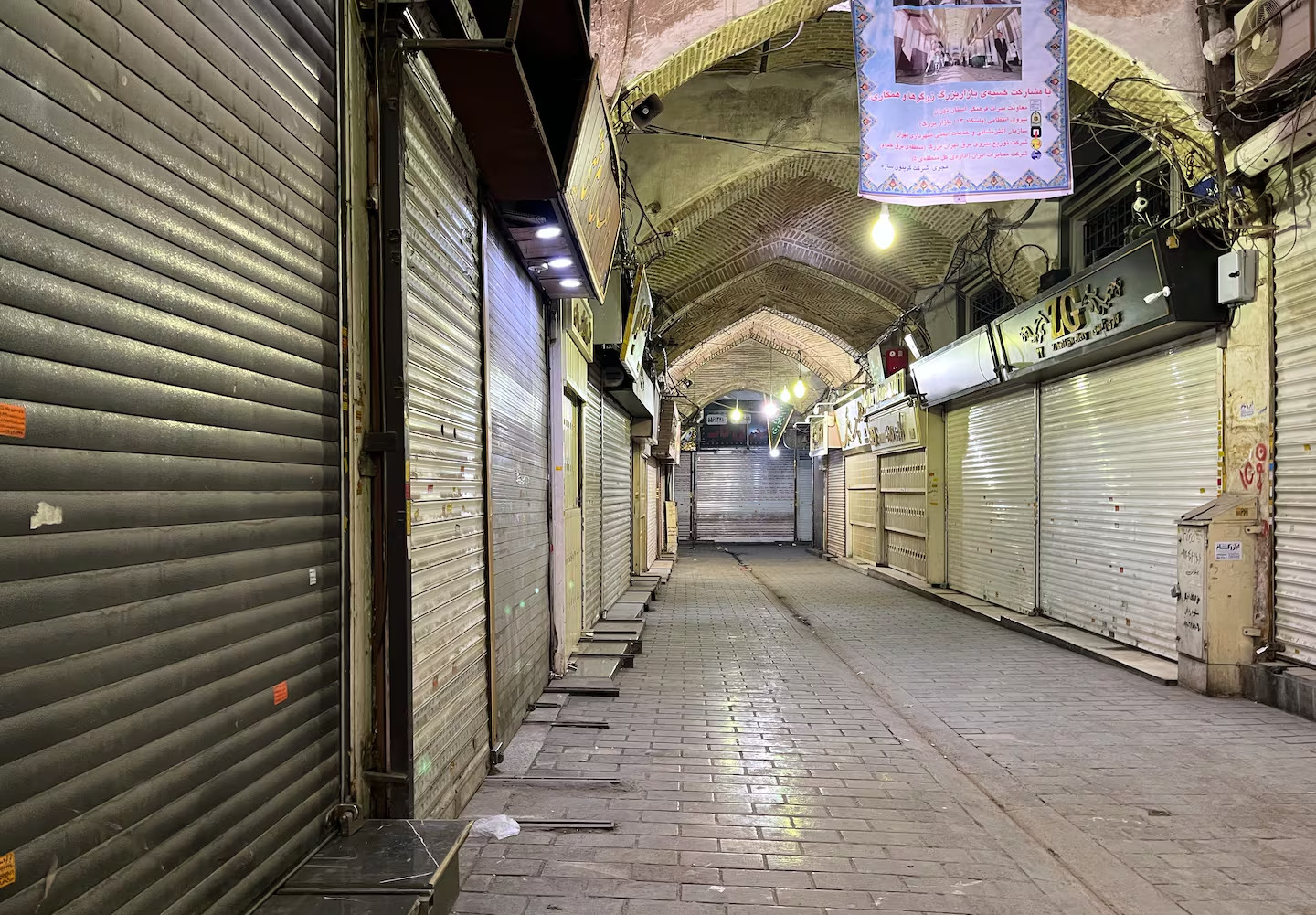
Beyond immediate security concerns, protests have disrupted daily routines. Reduced business hours, delayed transport services, and interruptions to commerce have affected livelihoods in several urban centers.
Economists caution that sustained disruption may limit job prospects for young people entering the workforce, reinforcing the link between economic stability and youth safety Iran in both the short and long term.
Community Leaders Advocate Dialogue
Religious figures, neighborhood elders, and civil society groups have called for restraint and communication. In some districts, informal meetings and workshops aim to reduce misunderstanding and prevent conflict.
These initiatives frame youth safety Iran as a shared societal obligation, emphasizing trust-building and inclusion. Community leaders argue that dialogue across generations is essential to easing tension during periods of unrest.
Digital Platforms Amplify Voices and Risks
Social media has played a significant role in shaping protest dynamics, enabling rapid information sharing and mobilization. At the same time, misinformation and heightened rhetoric have contributed to confusion and fear.
Experts stress that responsible communication is critical to protecting youth safety Iran, particularly when rumors spread quickly and influence behavior on the streets. Media literacy and verified information are increasingly seen as protective tools.
International Attention and Broader Implications
Events in Iran continue to attract international scrutiny, with foreign observers highlighting the central role of young people in the demonstrations. Analysts suggest that how authorities address youth safety Iran will influence global perceptions of the country’s social cohesion.
Diplomatic voices emphasize de-escalation and warn that prolonged unrest could deepen generational divides, making reconciliation more difficult over time.
Historical Context of Youth Participation
Youth involvement in social movements is not new in Iran’s modern history. Past periods of unrest have similarly seen younger generations at the forefront of calls for change.
What distinguishes the current moment is the scale of public conversation around youth safety Iran, reflecting broader awareness of the physical and psychological risks associated with prolonged tension in urban environments.
Balancing Expression and Protection
Observers note that safeguarding young people while respecting civic expression remains a delicate balance. Excessive restriction risks alienation, while insufficient protection exposes vulnerable participants to harm.
This balance lies at the heart of ongoing debates about youth safety Iran, as society seeks ways to channel youthful energy into constructive dialogue rather than confrontation.
Looking Ahead Through 2026
As the year progresses, the direction of the protest movement remains uncertain. Economic developments, policy responses, and social engagement will all shape the coming months.
For families and communities, youth safety Iran continues to influence daily decisions, conversations, and hopes for stability. Whether collective efforts can reduce risk while addressing underlying grievances remains a defining question.
A Generational Crossroads for the Nation
The current period represents a pivotal moment for Iran’s younger generation. How society responds may shape trust, opportunity, and cohesion for years to come.
Protecting young people while acknowledging their aspirations stands as one of the most significant challenges facing the nation in 2026.