Caribbean Sea | January 2026 — The Venezuela oil blockade entered a more forceful phase this month as United States authorities confirmed additional tanker seizures in Caribbean waters, intensifying pressure on Caracas’s energy exports. According to Brussels Morning Newspaper, the latest developments mark a pivotal escalation in Washington’s strategy to restrict Venezuelan oil flows while re-calibrating its military posture in the region.
U.S. officials described the operations as part of sanctions enforcement, while regional governments and global energy markets closely monitored the unfolding situation.
How the Maritime Enforcement Campaign Expanded
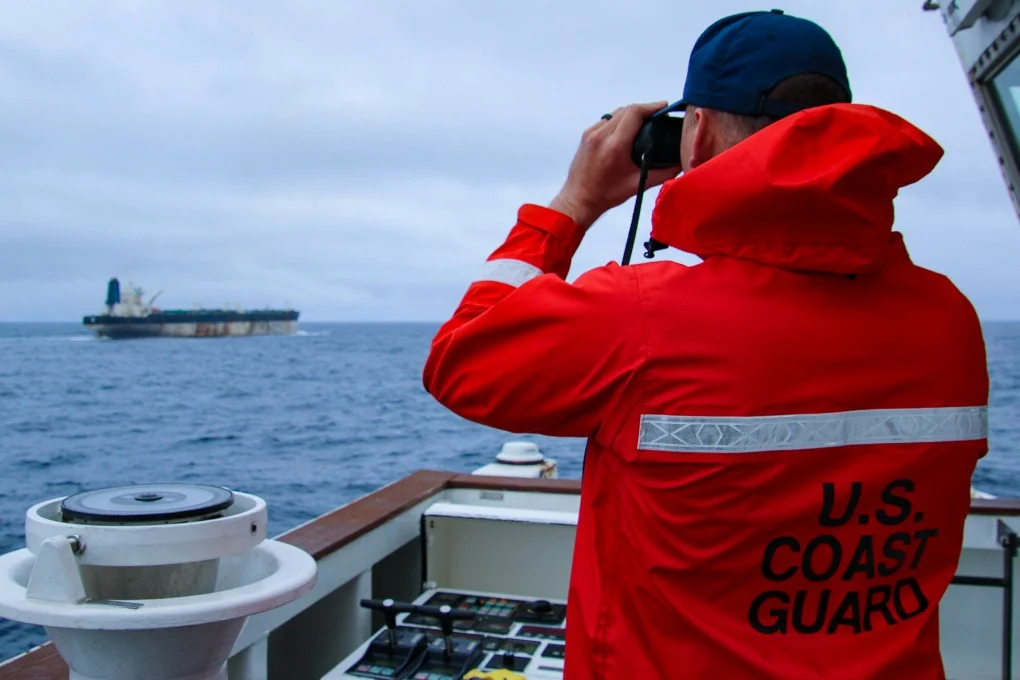
The current phase of the Venezuela oil blockade builds on months of heightened naval activity that began in late 2025. U.S. Coast Guard and naval units have increased patrols across key shipping routes linking Venezuelan ports to international buyers, particularly in the Caribbean basin.
Officials say the goal is to interdict vessels suspected of transporting oil in violation of U.S. sanctions. Several tankers have been boarded or redirected, sending a clear signal that enforcement has moved from diplomatic warnings to physical control of maritime traffic.
Tanker Seizures and Operational Details
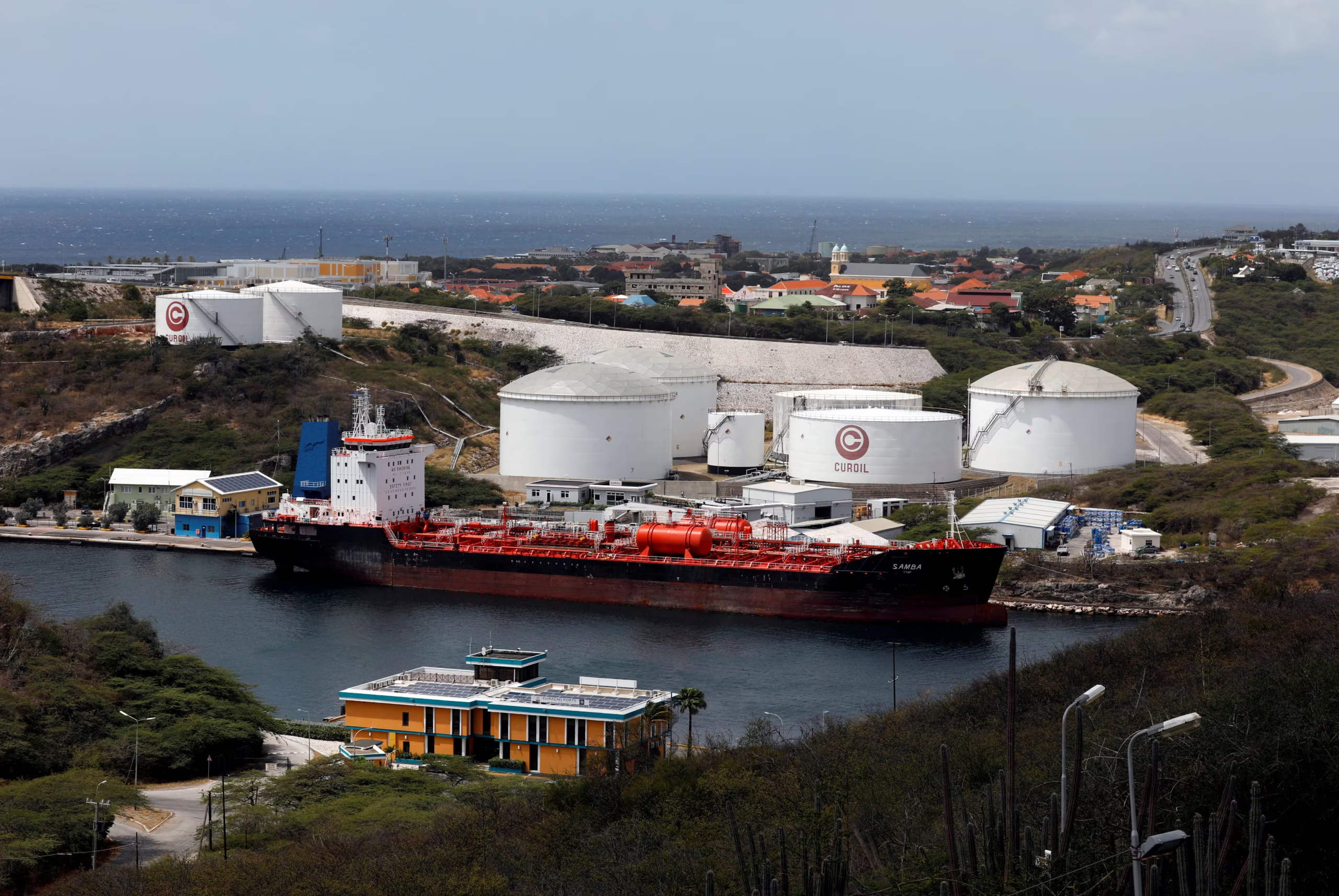
Recent operations involved coordinated actions between the U.S. Navy and Coast Guard, resulting in the detention of oil tankers allegedly linked to Venezuelan exports. Analysts say the Venezuela oil blockade now relies heavily on real time satellite tracking, intelligence sharing, and rapid deployment teams to intercept ships before they reach open markets.
Authorities emphasized that the seizures were conducted without violence, but the visibility of the operations has heightened political and economic anxiety across the region.
Trump Cancels Further Military Strikes
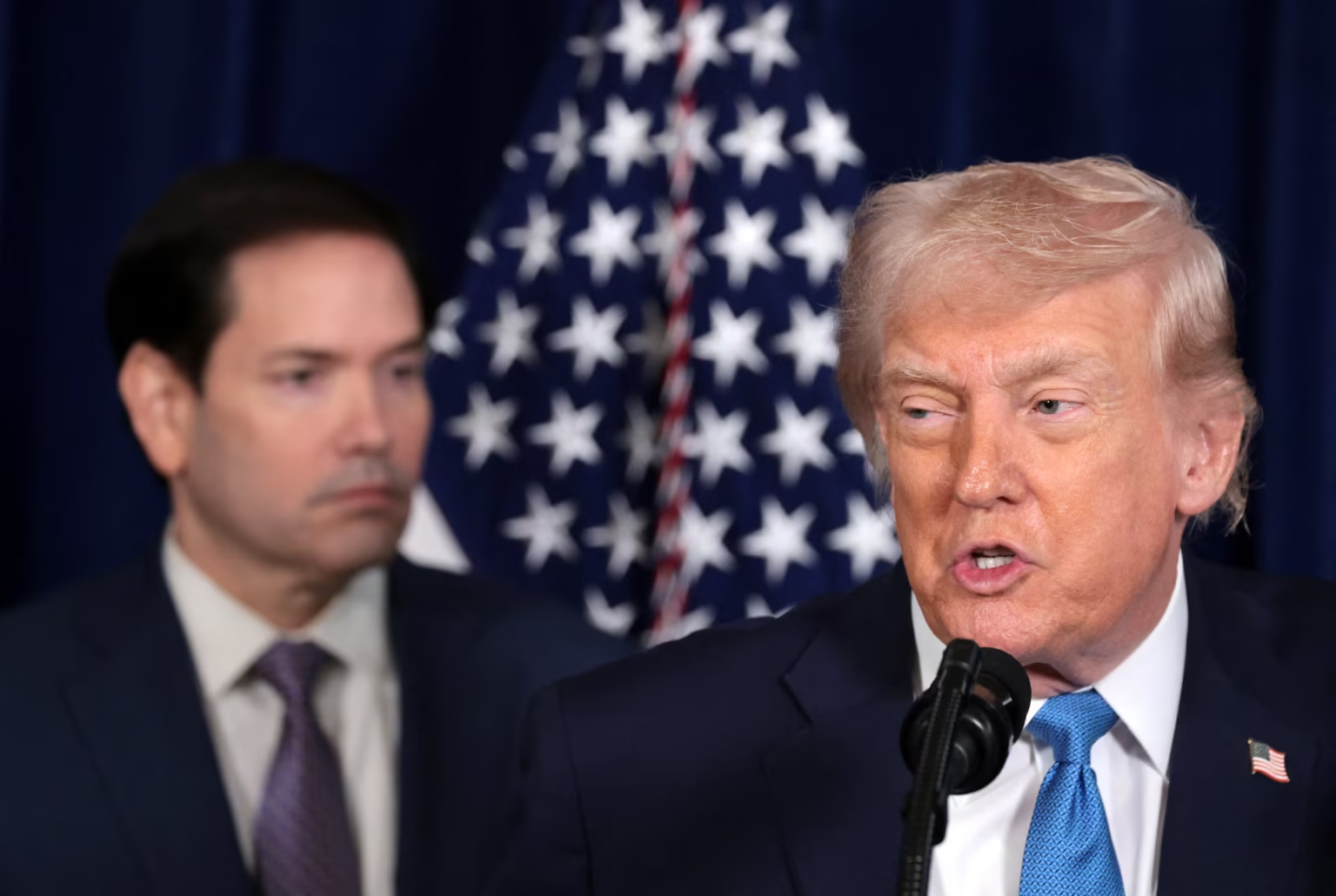
Amid the expanding maritime enforcement, President Donald Trump announced that a planned second wave of military attacks on Venezuela had been cancelled. The decision came as the naval operations continued.
Trump said,
“We achieved our objective through pressure, and further strikes are not necessary at this stage.”
This was the only official quote issued regarding the broader strategy shift, signaling a preference for economic and maritime pressure over direct military escalation.
Economic Impact on Venezuela’s Oil Industry
Oil exports are the backbone of Venezuela’s economy, and the Venezuela oil blockade has sharply constrained the country’s ability to generate revenue. Energy analysts estimate that export volumes have declined significantly as shipping insurers, buyers, and transport companies reassess risk.
Domestic oil infrastructure, already strained by years of under-investment, now faces logistical bottlenecks that could take months to resolve even if restrictions ease.

Global Energy Market Reactions
The Venezuela oil blockade has introduced new volatility into global energy markets. While Venezuela is no longer among the world’s largest producers, its heavy crude remains important to certain refineries, particularly in the Americas.
Market analysts report cautious price movements as traders factor in potential supply disruptions and the possibility of retaliatory measures by Caracas or its allies.
International Legal and Diplomatic Debate
Critics argue that aspects of the Venezuela oil blockade raise questions under international maritime law. Several governments have voiced concern over unilateral enforcement actions in international waters, calling for multilateral oversight.
Diplomatic discussions are ongoing at international forums, where some nations have urged restraint and legal clarity to prevent precedent setting actions that could affect global shipping norms.
Regional Security Concerns
Neighboring countries in the Caribbean and northern South America are assessing the security implications of the Venezuela oil blockade. Increased naval activity has prompted regional coast guards to coordinate more closely, particularly around busy shipping corridors.
Officials in several Caribbean states have expressed concern about spillover effects, including disruptions to trade routes and heightened military presence near their territorial waters.
Domestic Debate Inside the United States
Within the United States, the Venezuela oil blockade has sparked debate among lawmakers and policy experts. Supporters argue that firm enforcement is necessary to uphold sanctions and deter illicit trade, while critics warn of mission creep and economic fallout.
Some members of Congress have called for clearer legal frameworks governing maritime interdictions to ensure oversight and accountability.
Humanitarian and Social Consequences
Humanitarian groups warn that the Venezuela oil blockade could exacerbate existing hardships inside Venezuela by further limiting government revenue used for social programs. Reduced oil income may deepen shortages of essential goods and strain public services.
Aid organizations have urged policymakers to consider humanitarian exemptions and parallel diplomatic efforts to mitigate civilian impact.
Strategic Calculations in Caracas
Venezuelan officials have condemned the Venezuela oil blockade, describing it as economic coercion. Caracas has explored alternative export routes and increased reliance on indirect shipping methods to bypass restrictions.
Analysts say these strategies carry higher costs and risks, potentially offsetting any short term gains from continued exports.
Energy Companies and Compliance Challenges
International energy firms with limited exposure to Venezuela are reassessing operations amid the Venezuela oil blockade. Compliance departments are scrutinizing contracts, shipping arrangements, and insurance coverage to avoid penalties.
Some companies have signaled that long term investment decisions will remain on hold until the regulatory and political environment becomes clearer.
Geopolitical Implications Beyond the Region
The Venezuela oil blockade is being closely watched by other energy producing nations facing sanctions. Policy experts say the enforcement model could influence future approaches to economic pressure in other geopolitical contexts.
This has raised broader questions about the balance between national security objectives and the stability of global trade systems.
A Turning Point for U.S. Strategy
By prioritizing maritime enforcement over direct military action, the Venezuela oil blockade represents a strategic shift in U.S. foreign policy. Officials describe the approach as targeted and reversible, depending on political developments.
Whether this strategy achieves long term objectives without escalation remains uncertain.
What the Coming Months May Bring
As 2026 progresses, the Venezuela oil blockade is expected to remain a central factor shaping relations between Washington, Caracas, and the wider international community. Energy markets, shipping firms, and regional governments are preparing for continued uncertainty.
Diplomatic engagement, legal challenges, and economic pressures will likely determine whether the blockade tightens further or transitions into a negotiated framework.
When Energy Routes Become Leverage
The unfolding situation highlights how control of energy routes has become a powerful geopolitical tool. The outcome of this confrontation may influence not only Venezuela’s future but also how nations deploy economic pressure in an interconnected global economy.