Tehran (Brussels Morning Newspaper) January 9, 2026 — Iran protests dominated national attention on Thursday as demonstrations continued across several major cities and authorities intensified security measures ahead of a closely watched address by Iran’s Supreme Leader. The developments unfolding in early 2026 highlight a period of heightened domestic sensitivity, shaped by prolonged economic pressure, social frustration, and uncertainty over how leadership will respond to growing public dissatisfaction.
Across Tehran, daily routines continued under caution. Public transport systems remained operational, markets stayed open, and government offices functioned as usual. However, the atmosphere across the capital reflected heightened alertness, with citizens closely following official announcements and news coverage amid expectations that the upcoming speech could influence the country’s political direction.
Economic Conditions Driving Nationwide Demonstrations
Economic hardship remains the most significant factor behind the demonstrations. Persistent inflation has steadily weakened household purchasing power, while rising costs for food, fuel, housing, and transportation have placed sustained pressure on families across income levels. Analysts note that these pressures have accumulated over several years, creating a situation where financial frustration has increasingly spilled into public expression.
Within the wider discussion of Iran protests, many demonstrators emphasize daily survival concerns rather than ideological motivations. Economists warn that while temporary financial measures may offer short-term relief, long-term stability depends on structural reforms addressing employment, investment confidence, and currency stability. Without such changes, economic stress is likely to remain a persistent source of public anger.
Social Pressures and Shifting Public Expectations
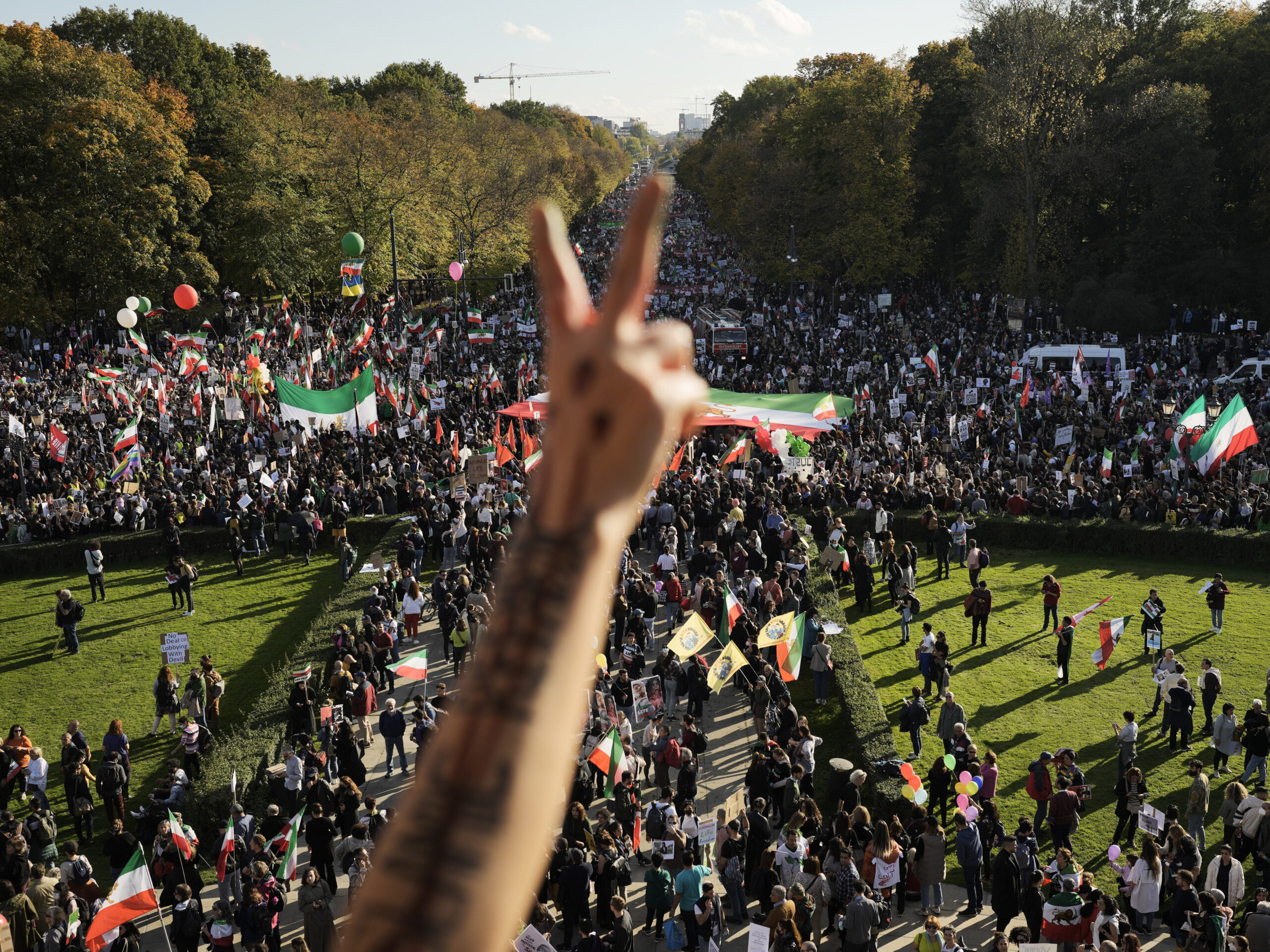
Alongside economic challenges, social pressures have contributed significantly to the unrest. Younger Iranians face limited job opportunities, delayed financial independence, and uncertainty about future prospects. Sociologists observe that these generational pressures have deepened feelings of stagnation, particularly in urban centers.
These dynamics have expanded the scope of Iran protests, transforming it into a reflection of broader societal change rather than a single-issue movement. Public expectations are evolving rapidly, with growing emphasis on opportunity, transparency, and economic fairness. Analysts suggest that the gap between public aspirations and institutional responsiveness has widened in recent years.
Government Position and Official Messaging
Iranian authorities have emphasized calm, national unity, and institutional stability in public statements. Officials describe the demonstrations as manageable and continue to urge citizens to avoid unauthorized gatherings, stressing the importance of maintaining public order during a sensitive period.
Within Iran protests, this messaging has drawn mixed reactions. Supporters view firm communication as necessary to preserve stability and prevent escalation, while critics argue that official narratives have not fully acknowledged the depth of economic hardship faced by ordinary households. This divide highlights ongoing challenges in restoring public confidence through messaging alone.
Significance of the Supreme Leader’s Address
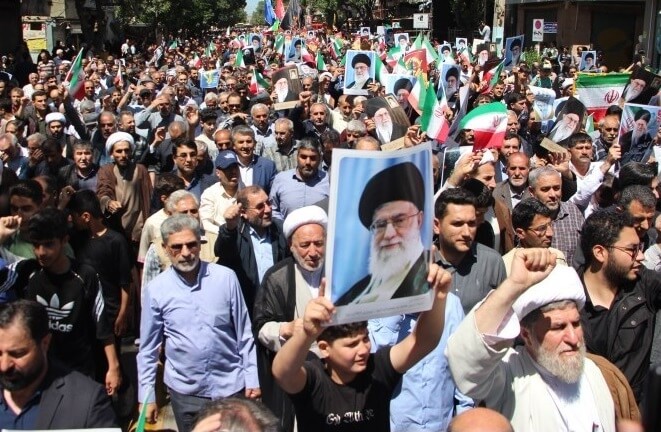
The anticipated address by Ali Khamenei is widely regarded as a pivotal moment. Political observers believe the tone and substance of the speech could shape public response and determine whether tensions ease or persist in the weeks ahead.
One regional analyst said,
“When leadership speaks during periods of public strain, people listen closely for recognition of hardship, not just reassurance.”
Expectations surrounding the address have intensified Iran protests, drawing sustained attention from domestic and international audiences who view the speech as a potential indicator of policy direction.
Public Sentiment Across Major Cities
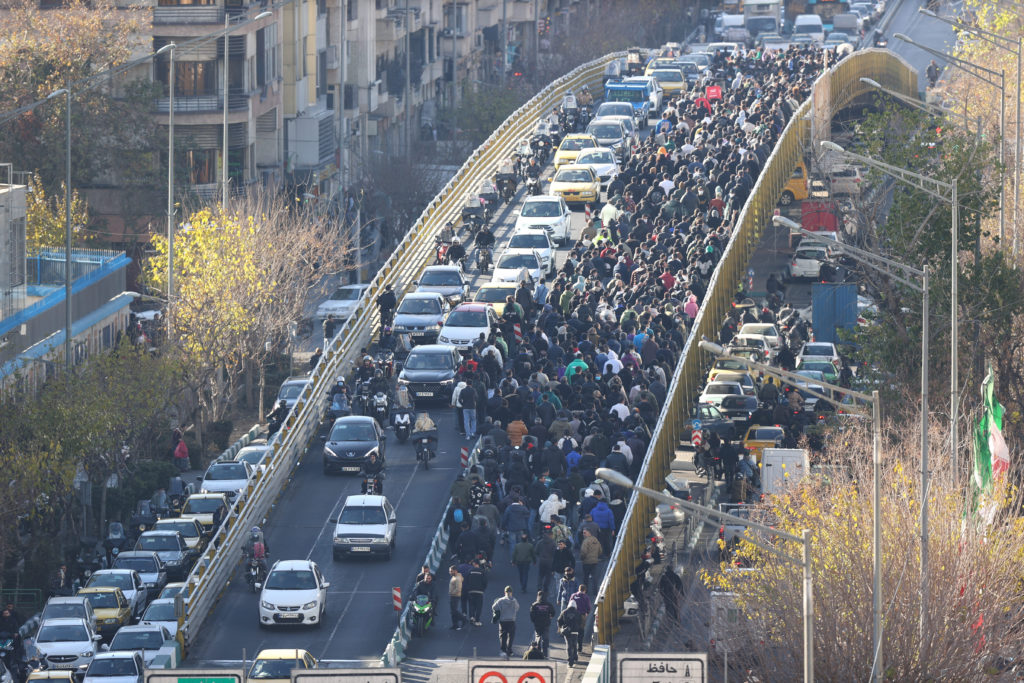
Reports from Tehran, Isfahan, Shiraz, Mashhad, and Tabriz indicate a cautious public mood. While large-scale demonstrations have fluctuated, smaller gatherings and symbolic acts of protest continue to appear intermittently. Residents describe adjusting daily routines, avoiding crowded areas when possible, and monitoring developments closely.
This atmosphere has reinforced the persistent presence of Iran protests in everyday conversations nationwide. Many citizens express uncertainty rather than outright confrontation, reflecting a population weighing the risks of protest against ongoing economic and social pressures.
Media Coverage and Information Flow
State media outlets continue to emphasize stability, continuity, and government efforts to maintain order. In contrast, online platforms circulate citizen-generated images, videos, and firsthand accounts offering alternative perspectives on events.
This divergence has created parallel narratives shaping how Iran protests is understood domestically and internationally. Media analysts say transparency and credibility will play a crucial role in shaping public trust following the leadership address, particularly as audiences compare official statements with lived experiences.
International Attention and Diplomatic Monitoring
Foreign governments and international organizations are closely watching developments in Iran. Diplomatic briefings frequently reference the situation amid concerns about regional stability, energy markets, and broader geopolitical implications.
As Iran protests gains wider visibility abroad, analysts caution that prolonged unrest could influence diplomatic engagement, investor confidence, and regional cooperation. While no immediate policy shifts have been announced, international attention remains focused on how Iranian authorities navigate the current moment.
Security Measures and Public Safety Preparations
Security forces have increased patrols around government buildings, transportation hubs, and major public spaces. Authorities describe these actions as precautionary measures aimed at ensuring public safety rather than restricting lawful activity.
These preparations highlight the seriousness surrounding Iran protests, particularly as officials anticipate varied public reactions following the leadership address. Residents report a visible security presence in central districts, contributing to a tense but controlled atmosphere.
Economic Outlook and Structural Challenges
Looking ahead, Iran faces complex economic challenges involving currency management, employment creation, and subsidy reform. Analysts warn that unresolved structural issues could allow tensions to resurface even if demonstrations temporarily decline.
The economic dimension ensures Iran protests remains relevant beyond immediate political developments, linking current unrest to longer-term policy decisions that will shape the country’s stability throughout 2026 and beyond.
Public Trust and Institutional Credibility
Trust between citizens and institutions remains fragile. Many Iranians express skepticism toward official assurances, citing gaps between public messaging and everyday experience. Restoring confidence, experts argue, will require consistent follow-through on economic and social commitments rather than rhetorical reassurance alone.
This issue has become central to discussions surrounding Iran protests, as analysts increasingly frame unrest as a crisis of confidence as much as one of economics.
Regional Implications of Domestic Uncertainty
Iran’s internal developments carry significant regional consequences. Prolonged instability could affect trade routes, energy markets, and diplomatic relations across the Middle East. Neighboring countries and global markets continue to monitor developments closely.
As a result, Iran protests continues to resonate beyond national borders, reinforcing Iran’s strategic importance and the broader implications of its domestic trajectory.
Developments Expected After the Address
The period following the leadership address is expected to be decisive. Analysts anticipate that public reaction will vary by region, shaped by local economic conditions and expectations. Some areas may see a reduction in public activity, while others could experience renewed demonstrations depending on perceptions of the speech.
Regardless of immediate outcomes, observers agree that Iran protests will remain a defining narrative as the country navigates political and economic challenges throughout the year.
A Critical Pause Before Iran’s Next Political Chapter
As Tehran stands at a pivotal moment, economic strain, social pressure, and political expectation intersect in ways that will shape the country’s immediate future. The days ahead will test leadership credibility and public resilience alike, influencing Iran’s path during one of the most consequential periods in its recent history.