
In 2026, London’s bullion market opened to a subdued start as Gold falls during early trading hours, driven by commodity index re-balancing that triggered systematic selling by large institutional funds. Reporting from Brussels Morning Newspaper indicated that trading volumes rose sharply as preset portfolio adjustments came into effect across Europe and North America. Dealers described the movement as orderly and expected, with no indication of market stress, emphasizing that the decline reflected structure rather than sentiment.
The price movement immediately drew attention across global financial centers, underlining London’s role as the primary reference point for precious metals pricing. While short term volatility increased, bid interest remained visible throughout the session, suggesting that underlying demand continued to provide support despite technical pressure.
London’s Strategic Importance in the Global Bullion Trade
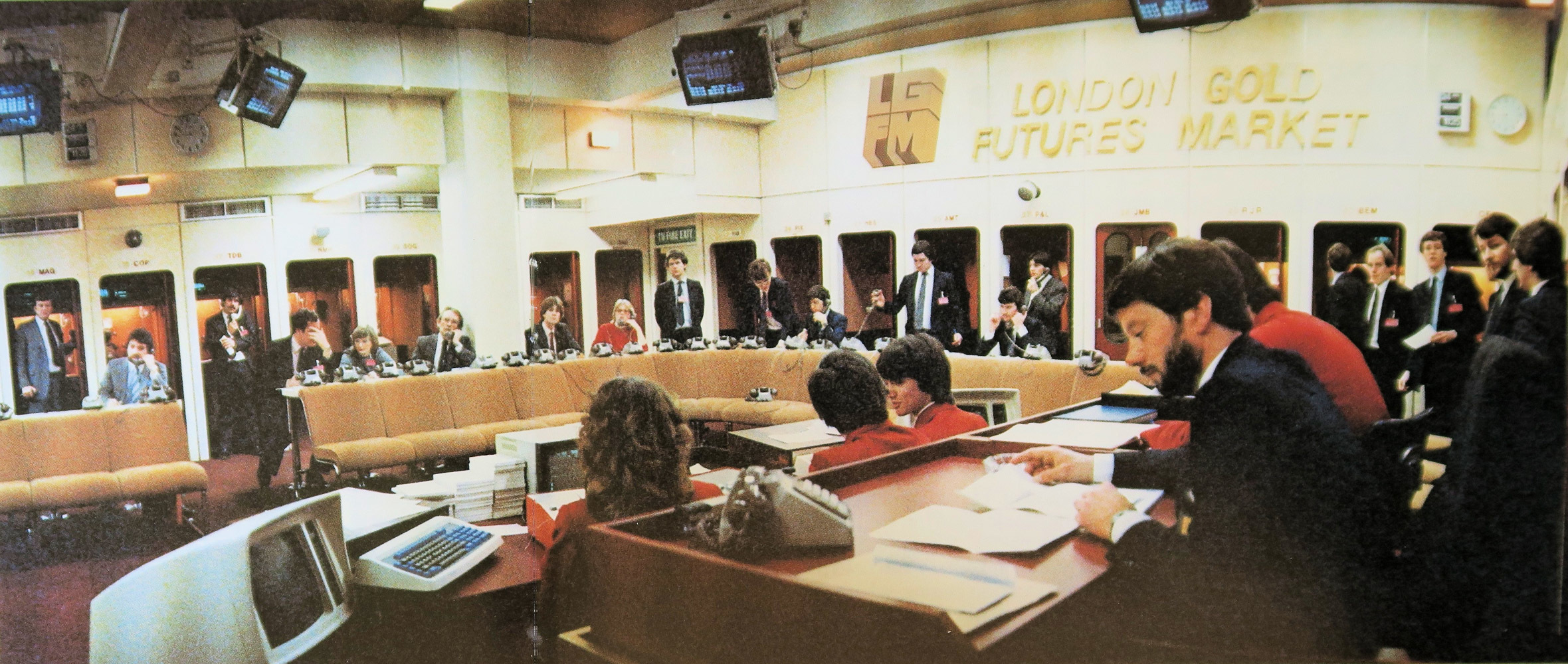
London occupies a central position in the international bullion ecosystem, hosting benchmark pricing mechanisms, clearing services, and one of the world’s largest concentrations of gold vaults. When Gold falls in this market, the effects are transmitted almost instantly to trading hubs in Asia and the Americas.
Market participants noted that liquidity in London helped absorb heavy institutional flows without severe dislocation. Although prices adjusted lower, spreads remained relatively tight, reflecting confidence in the market’s ability to handle large volumes. This resilience is a key reason why London continues to anchor global gold price discovery.
Understanding the Mechanics Behind Index Re-balancing
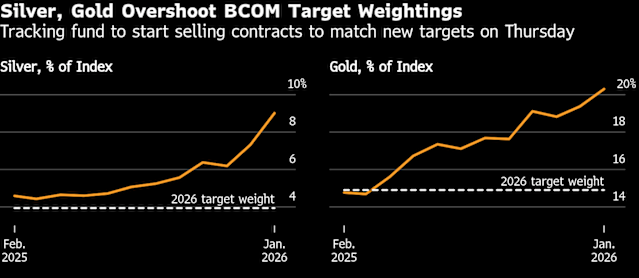
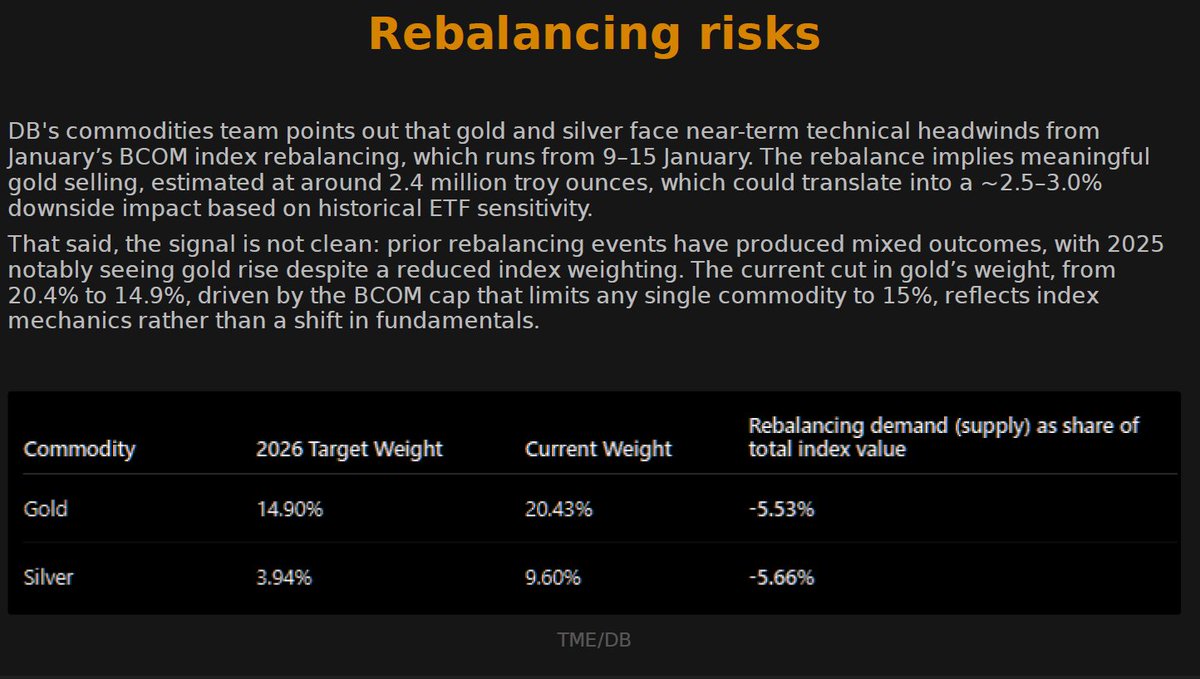
Commodity index re-balancing is a scheduled process designed to keep benchmark indices aligned with evolving market conditions. Changes in liquidity, production trends, and relative asset performance all influence how weights are adjusted. During the latest cycle, gold’s weighting was marginally reduced, obliging funds that track these indices to sell holdings.
As a result, Gold falls as a consequence of compliance rather than discretionary investor choice. Analysts stressed that such moves are often misunderstood by the broader public, as they can occur even when macroeconomic indicators remain stable and long term fundamentals are unchanged.
Institutional Flows Dominate Market Activity
Large pension funds, asset managers, and exchange traded products accounted for the bulk of trading volume during the session. Automated execution systems handled transactions efficiently, but the sheer scale of orders contributed to visible price movement. When Gold falls under these conditions, intraday volatility typically increases before settling once mandatory flows conclude.
Traders in London reported that activity was concentrated within defined windows linked to re-balancing deadlines. Outside those periods, liquidity conditions improved, and price action became more measured, reinforcing the view that the move was technical in nature.
Broader Economic Conditions Provide Context
Beyond the metals market, the wider economic backdrop remained relatively calm. Interest rate expectations showed little change, inflation indicators continued to moderate, and growth forecasts across major economies were broadly steady. Against this background, Gold falls largely due to market mechanics rather than deteriorating economic confidence.
Currency movements played a secondary role. A firm US dollar added modest pressure, but analysts agreed it was not the primary driver. Instead, the focus remained on the structural nature of the selling and its temporary impact on prices.
Spillover Effects Across Precious Metals
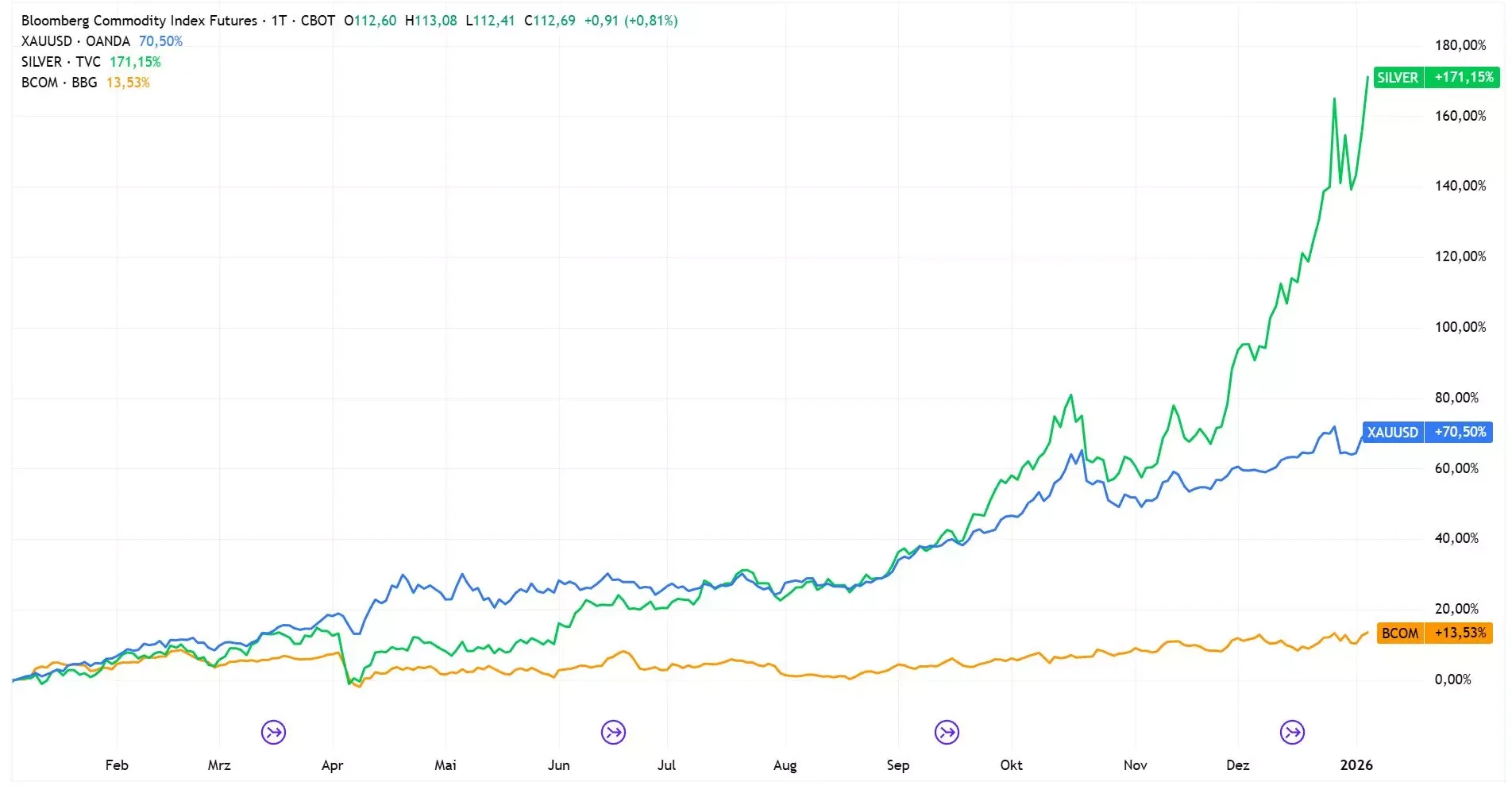
Gold’s movement influenced other precious metals, though the impact varied in scale. Silver and platinum recorded modest declines as traders reassessed exposure across the sector. Market strategists explained that when Gold falls, it often serves as a reference signal, prompting broader portfolio adjustments even in assets not directly affected by index revisions.
This interconnected behavior highlights gold’s position as the benchmark asset within the precious metals complex, shaping sentiment and positioning beyond its own market.
Historical Perspective on Similar Market Events
Previous re-balancing episodes offer useful perspective on the current situation. Over the past decade, comparable adjustments have produced short lived weakness followed by stabilization. Each period in which Gold falls due to technical factors has eventually given way to renewed balance once forced selling subsided.
This historical consistency has shaped expectations among experienced investors, many of whom view such declines as routine features of modern market structure rather than signals of deeper trouble.
Measured Commentary From Market Analysts
Professional commentary throughout the day reflected a calm and analytical tone. One senior commodities analyst said,
“This adjustment reflects orderly portfolio mechanics rather than a reassessment of gold’s long term value.”
The remark summarized prevailing sentiment that although Gold falls in the short term, confidence in its strategic role remains intact.
Such views were echoed across trading desks, where the focus remained on execution quality and risk management rather than directional conviction.
Central Bank Activity and Structural Support
Central banks continue to provide an important layer of support for the gold market. Recent disclosures show steady accumulation by several emerging market monetary authorities, reinforcing long term demand. Even as Gold falls during technical re-balancing phases, official sector buying helps anchor expectations and limit downside momentum.
This ongoing interest reflects gold’s enduring role within reserve management strategies, particularly for institutions seeking diversification and protection against long term uncertainty.
Retail Investor Behavior and Market Psychology
Retail investors responded with greater discipline than in past cycles. Trading platforms reported a mix of modest profit taking and selective buying, suggesting a more nuanced understanding of market dynamics. When Gold falls under clearly defined technical circumstances, many individuals now differentiate between short term price action and long term investment rationale.
This shift in behavior points to a maturing investor base, supported by wider access to information and real time market analysis.
Risk Management Takes Center Stage
Periods of elevated volatility place renewed emphasis on risk management practices. Diversification, disciplined position sizing, and clear investment horizons were widely cited as key tools for navigating the session. As Gold falls during structured events, these measures help prevent emotional decision making and support more consistent outcomes.
Institutional investors in particular highlighted the importance of stress testing portfolios against technical shocks, reinforcing resilience across asset classes.
Market Expectations After Re-balancing Ends
Once re-balancing windows close, attention is expected to shift back to macroeconomic drivers such as geopolitical developments, currency trends, and inflation expectations. Analysts anticipate that trading volumes will normalize and price discovery will become more fundamentally driven. Historically, after Gold falls in similar conditions, markets regain equilibrium and volatility subsides.
This outlook underpins cautious optimism that the current adjustment will prove temporary rather than trans-formative.
Gold’s Continuing Role in Global Finance
Beyond daily price movements, gold remains deeply embedded in global financial systems. It functions as a hedge, a reserve asset, and a symbol of stability across cultures and economies. Even during episodes when Gold falls, its broader significance endures, shaped by centuries of use through cycles of growth, crisis, and recovery.
A Final Perspective Beyond Short Term Movements
The latest market adjustment highlights the growing influence of passive investment strategies and structural trading flows. Index re-balancing demonstrates how modern financial architecture can shape short term outcomes without altering long term value. In this context, moments when Gold falls illustrate resilience rather than weakness, showing a market capable of absorbing technical pressure and reasserting balance once those forces pass.